The first markets in Hatfield
Local Makers Market in Hatfield, Pretoria focuses on helping makers sell directly to the public. Events bring together handmade goods, fresh food and a welcoming market atmosphere, with clear stall rules, steady foot traffic and organised trading for local sellers.
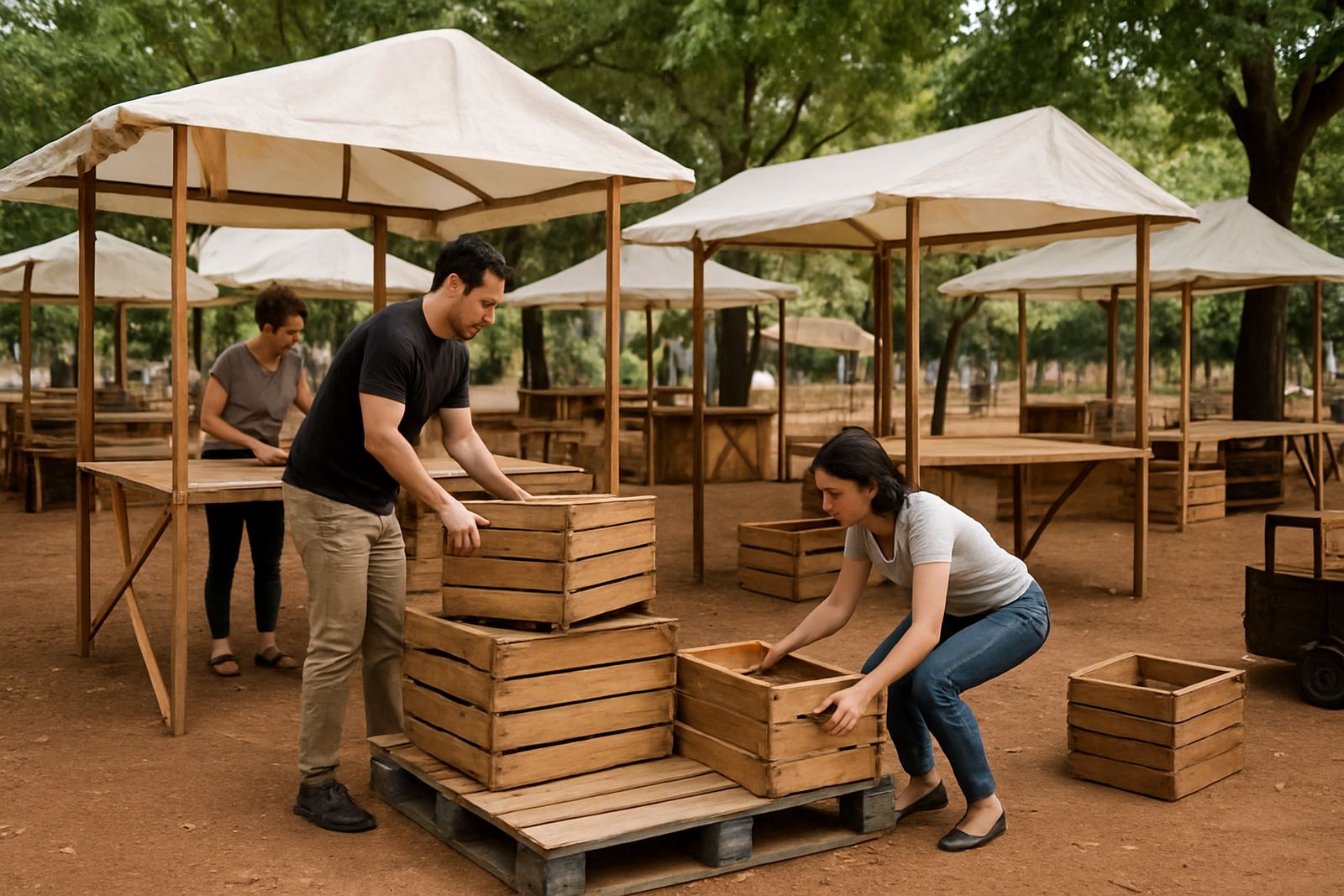
Those early weekends shaped the way the business still runs today. The team spent time on the ground, speaking to stallholders after each event, adjusting layouts, and refining the kind of support that makes a market work in real conditions. In Pretoria summers that meant shade, water and heat management. In winter it meant better morning access and a smarter flow for the first rush of customers.
- First trading base: Hatfield, Pretoria
- Focus from day one: handmade goods, craft items and gourmet food
- Core promise: a fair trading space for local makers
Building trust with makers and shoppers
Over time, the market had become a regular outing for families, students, workers and makers looking for a better way to connect. The business spent these years learning how to manage different types of traders, from crafters selling one-of-a-kind pieces to food sellers working with short shelf life stock and strict handling needs. The team also got a clearer view of what customers wanted: good products, simple pricing, clean presentation and a market that did not waste their Saturday.
During this period, Local Makers Market tightened its event operations and started to shape a clearer service culture. That included better stall placement, more support for first-time traders, and practical guidance around packaging, pricing and display. There was a lot of learning on the job and a few long days, but the foundation was strong.
- Improved stall layouts for easier customer movement
- More support for new traders entering weekend markets
- Greater attention to product presentation and food safety
Expanding beyond one market
As the business grew, the team began taking the market model into more parts of Pretoria and surrounding areas. Hatfield remained the anchor, but new community interest opened the door to Brooklyn, Lynnwood, Menlyn and Centurion events. Each area had its own audience and pace, so the approach could not be copied and pasted. A market near offices needed different trading times to a family-focused venue, and a busy suburban event needed tighter load-in planning than a smaller pop-up.
These years were important because they showed that the model could work in different places without losing its local character. The team learned to adapt to venue rules, parking access, municipal requirements and the usual South African trade-day basics like weather changes. Not every event is perfect, but the ability to keep things moving is what built confidence with makers.
- Hatfield stayed the home base while more areas were added
- Events began serving different customer groups across Pretoria
- Operational planning became a bigger part of the business
Staying practical through difficult trading conditions
Like many small business communities, Local Makers Market had to keep adjusting through a difficult period for live events. Traders needed certainty, and the team focused on keeping communication clear and making each event as workable as possible. That meant planning around changing public rules, adjusting event formats when needed and helping makers understand how to sell in uncertain conditions. It was a time when the value of a small, dependable team really showed.
The business also deepened its role as a support system for makers. Conversations shifted from simple stall bookings to wider trading questions such as how to package products for repeat buyers, how to price items properly, and how to sell effectively when foot traffic is lower than usual. These years were not easy, but they reinforced why the market existed in the first place: local business works best when people back each other.
- Clearer communication with traders during changing conditions
- Stronger focus on maker support and practical sales advice
- More flexible event planning to suit the moment
A stronger programme for makers
With trading conditions more stable again, Local Makers Market was able to build out its maker support services in a bigger way. The team added workshops that speak directly to what sellers face at market level, including Stall Styling Workshop, Pricing Products Workshop, Packaging For Sales, Market Photography Workshop, Customer Conversation Workshop, Food Stall Basics, First Market Prep, Seasonal Selling Workshop, Maker Night Planning and Small Batch Branding. This was not theory for the sake of it, but practical help shaped by years of watching what works on the ground.
The market itself also continued to grow through weekend events and pop-up activations across South Africa. Maker nights became an important part of the mix, giving creators another space to trade, network and test new ideas after hours. For many traders, these events became a place to build confidence before moving into bigger orders or more regular sales. It all added up to a stronger community around the business, with real names, real products and real conversations.
- Workshop programme expanded for both new and experienced sellers
- Nationwide pop-ups added to the event calendar
- Maker nights created more opportunities for evening trade and networking
Today: Hatfield roots, nationwide reach
Today, Local Makers Market is still based in Hatfield, Pretoria, with Thembisa Tshabangu leading the business as Managing Director alongside a team that handles market operations, maker relations, events, workshops and digital content. That combination matters because markets are not only about stalls and tables. They depend on good planning, steady relationships and the kind of detail that keeps traders focused on selling instead of worrying about the basics.
Local Makers grew stall by stall, not overnight. The business has stayed close to its original purpose while expanding across Pretoria and into nationwide pop-ups. It now serves makers who need a regular trading space, first-time sellers who need guidance, and communities that want a weekend outing with local character. The focus remains practical: good market days for Pretoria shoppers and proper support for makers who need a place to trade.
For local makers, the history of the business is also a reminder that small businesses can build something lasting when they are supported properly, one market at a time.