


Choose the craft category that fits your selling style
Some makers sell small, browse-friendly items that need tight table spacing and clear price labels. Others need more room for tasting, demonstrations, fitting or careful handling. At Local Makers Market, the right setup depends on what you make, how people buy it, and how long shoppers usually stay at your stall.
In Hatfield, Brooklyn, Lynnwood, Menlyn and Centurion, we see everything from handmade gifts and homeware to food, plants and personal care. A good match between product type and stall layout helps customers move easily, especially during busy Saturday mornings and evening maker nights.
- Small items suit compact displays and vertical shelving.
- Fragile goods need secure packing and clear handling space.
- Food and tasting products need hygiene, serving tools and queue control.
- Custom or made-to-order items need space for conversations and order notes.
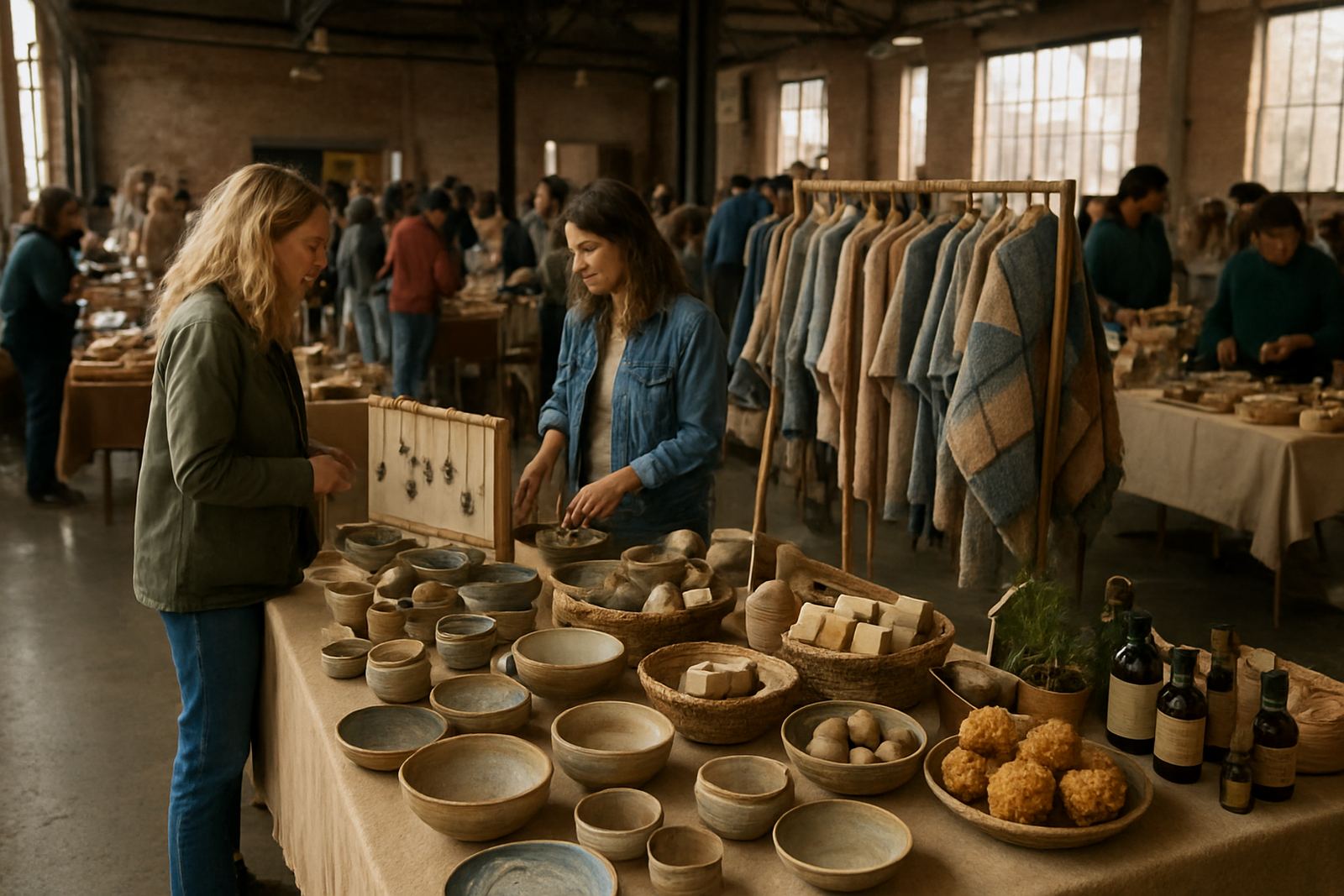
Handmade gifts, decor and practical home goods
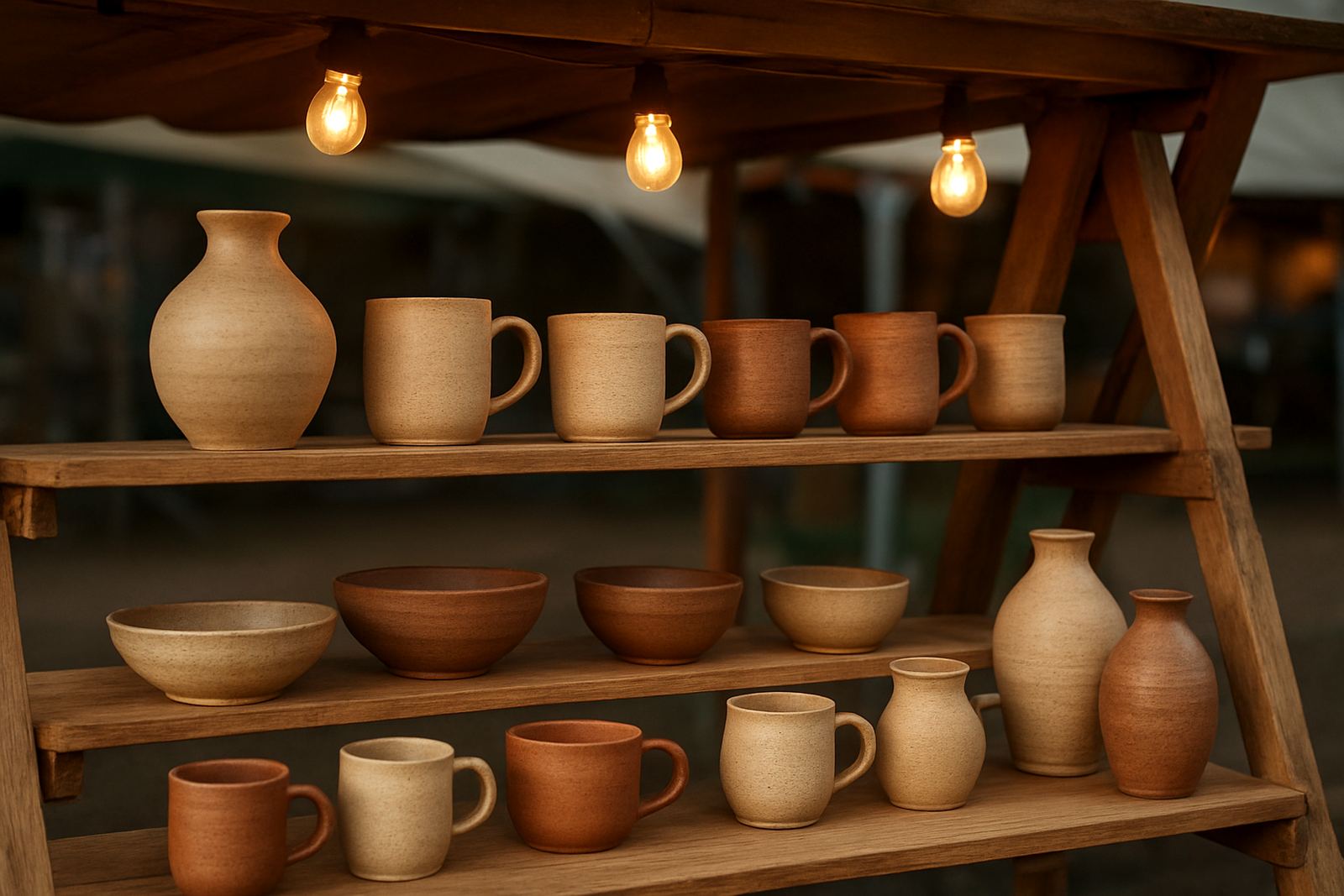
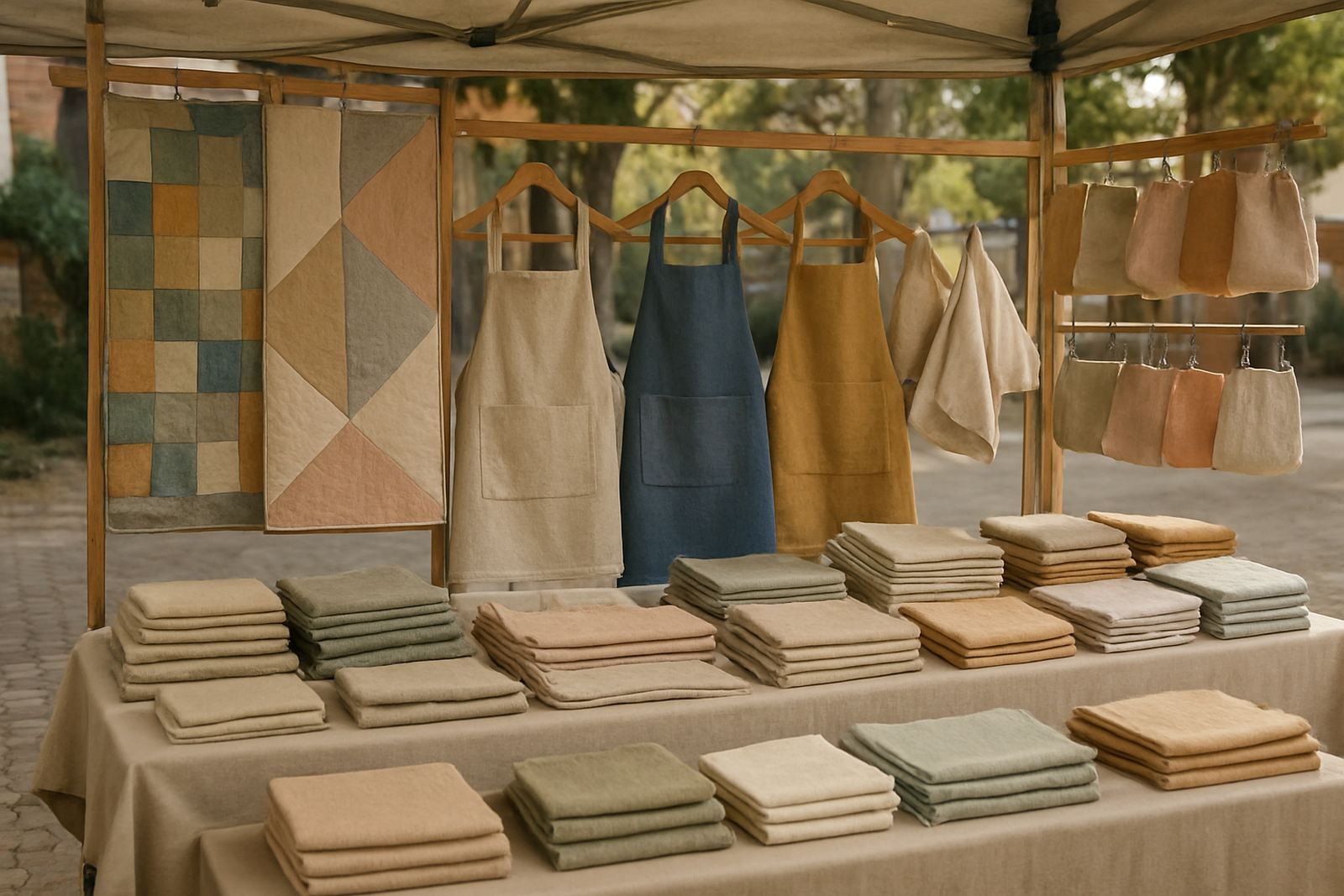
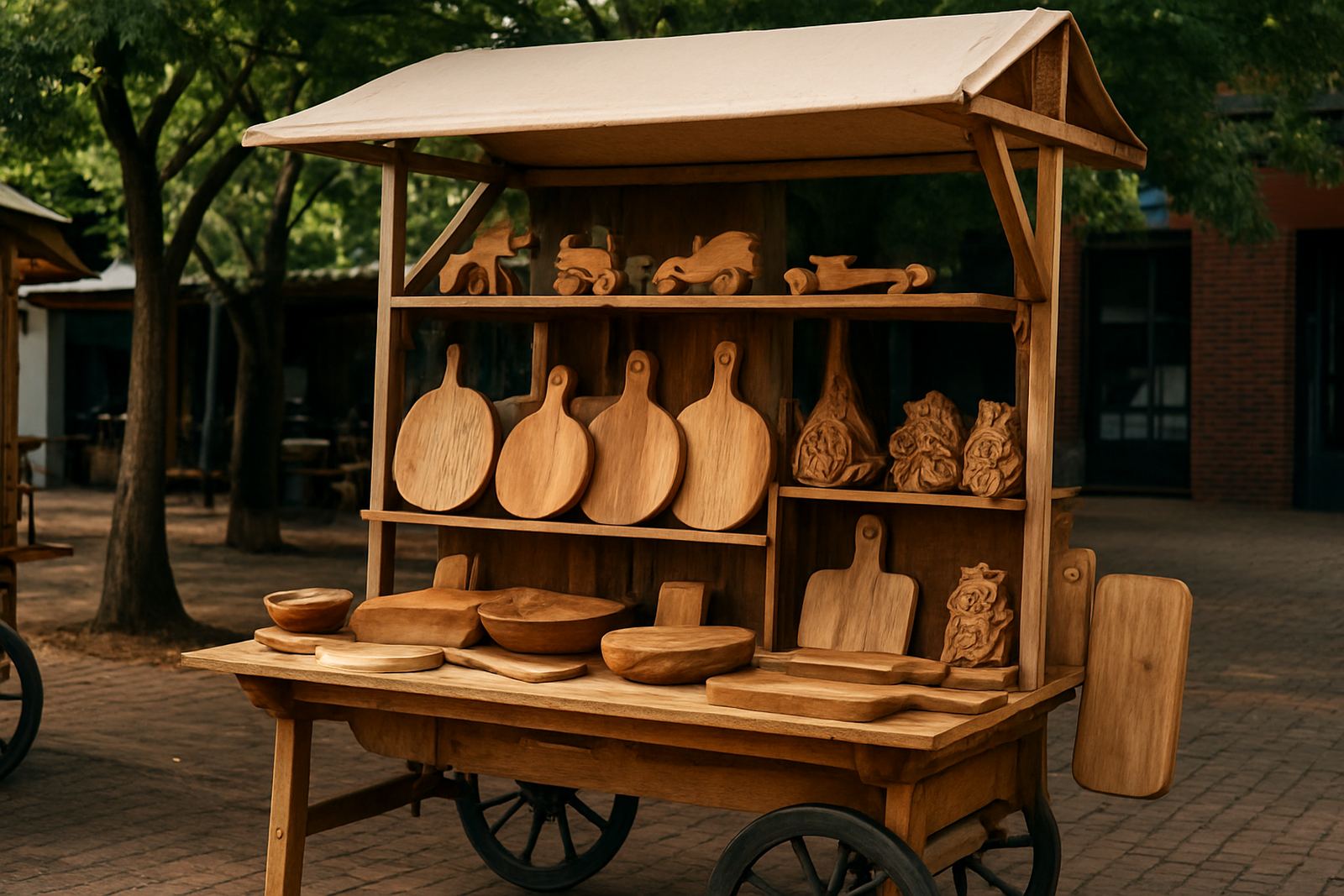
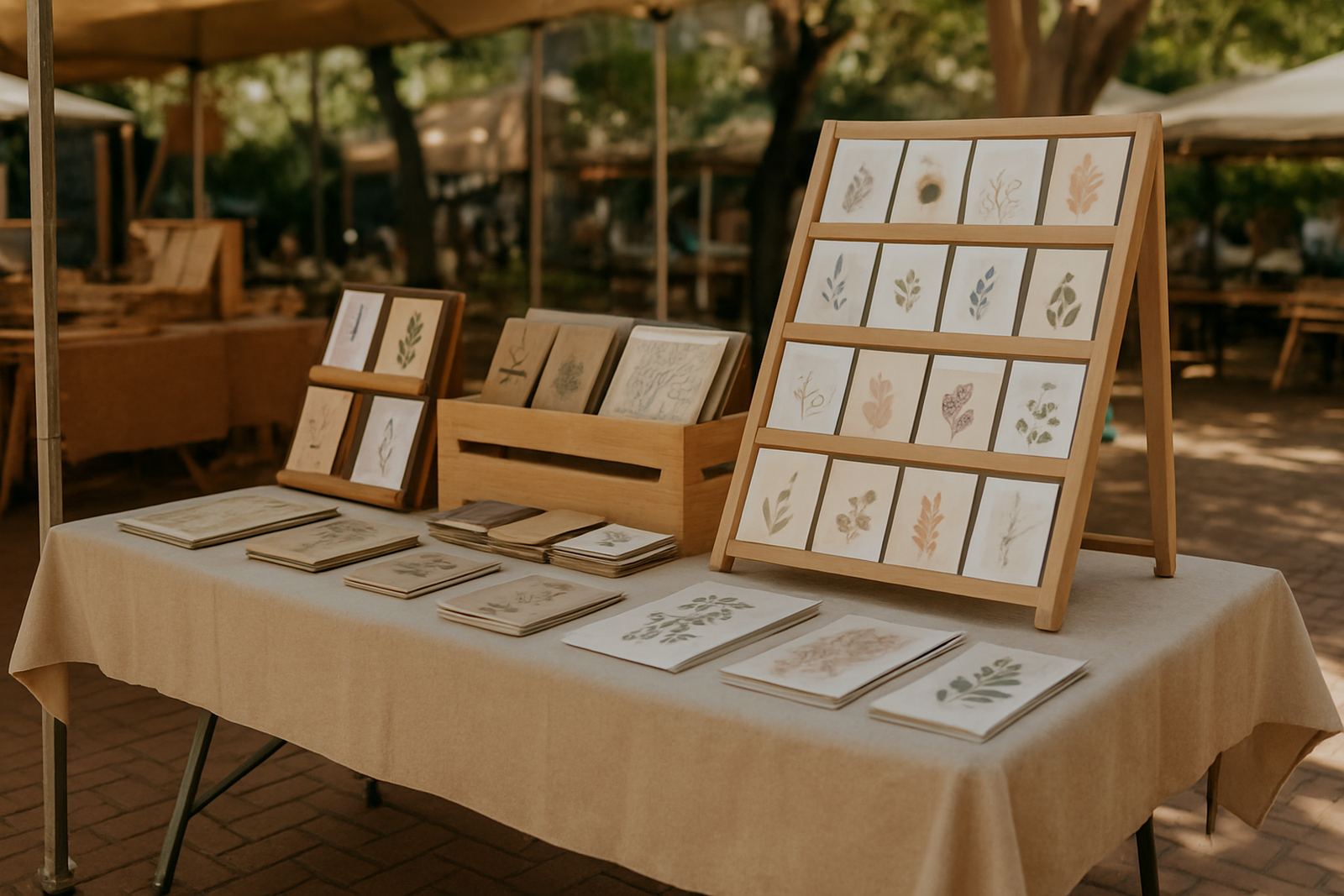
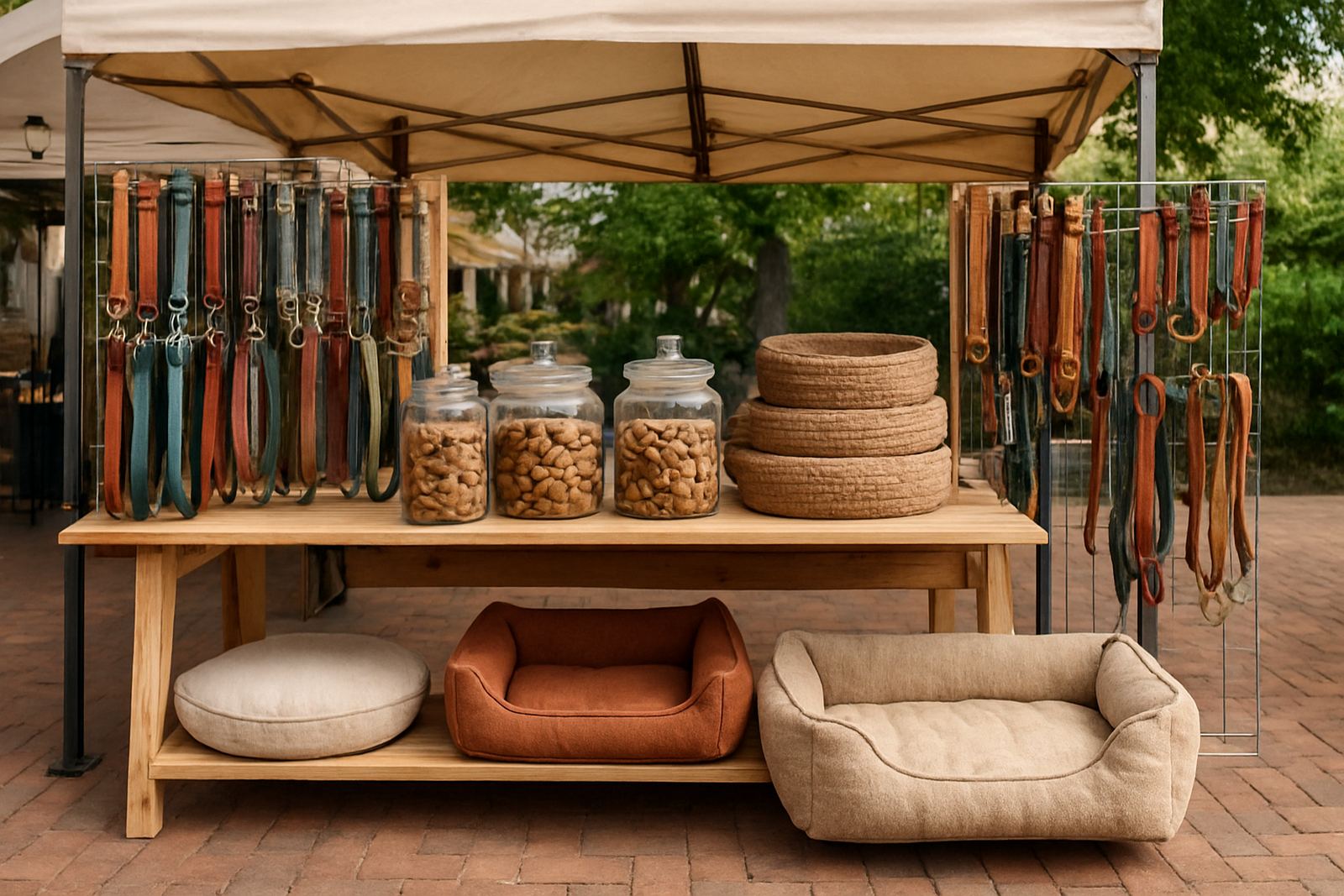
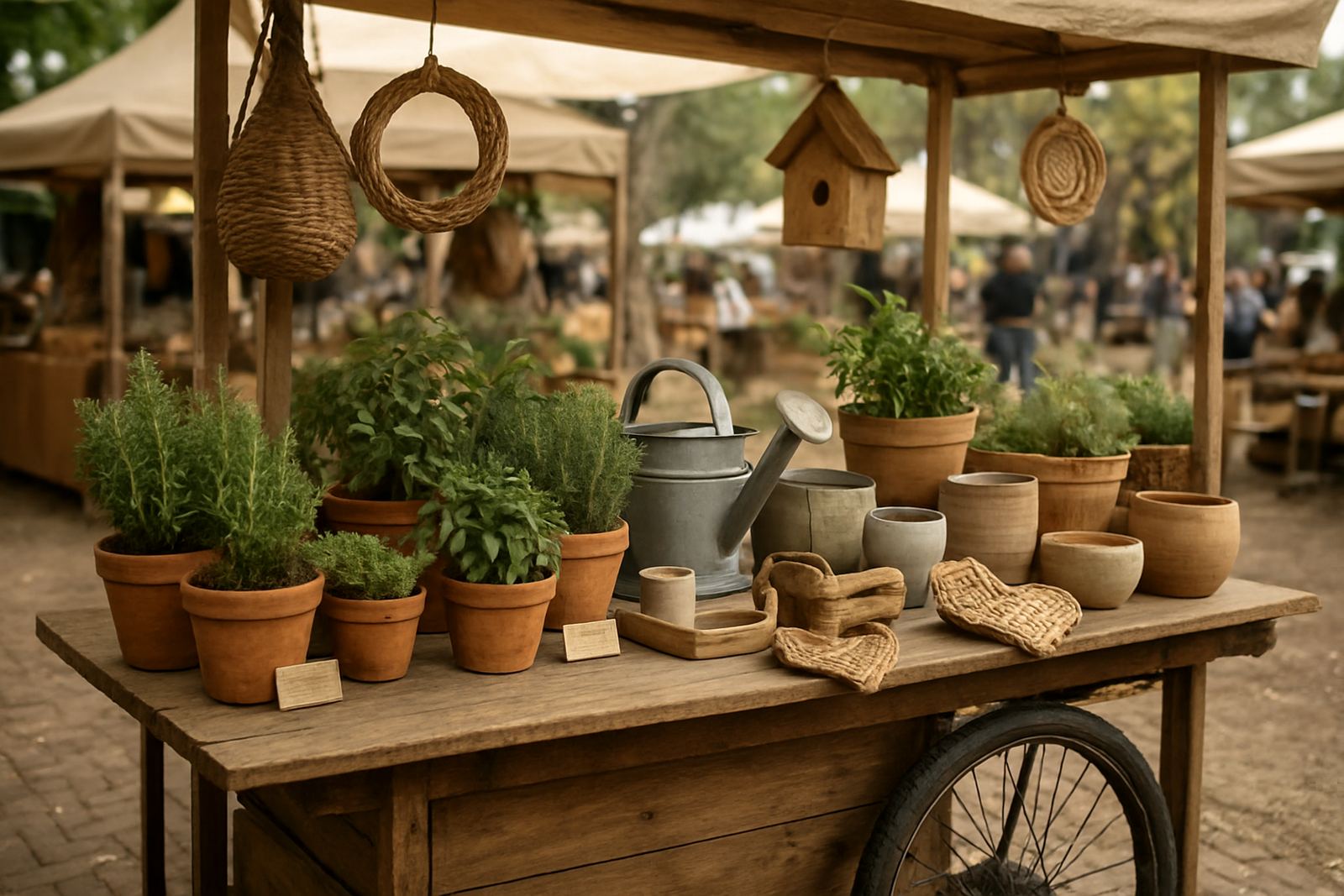
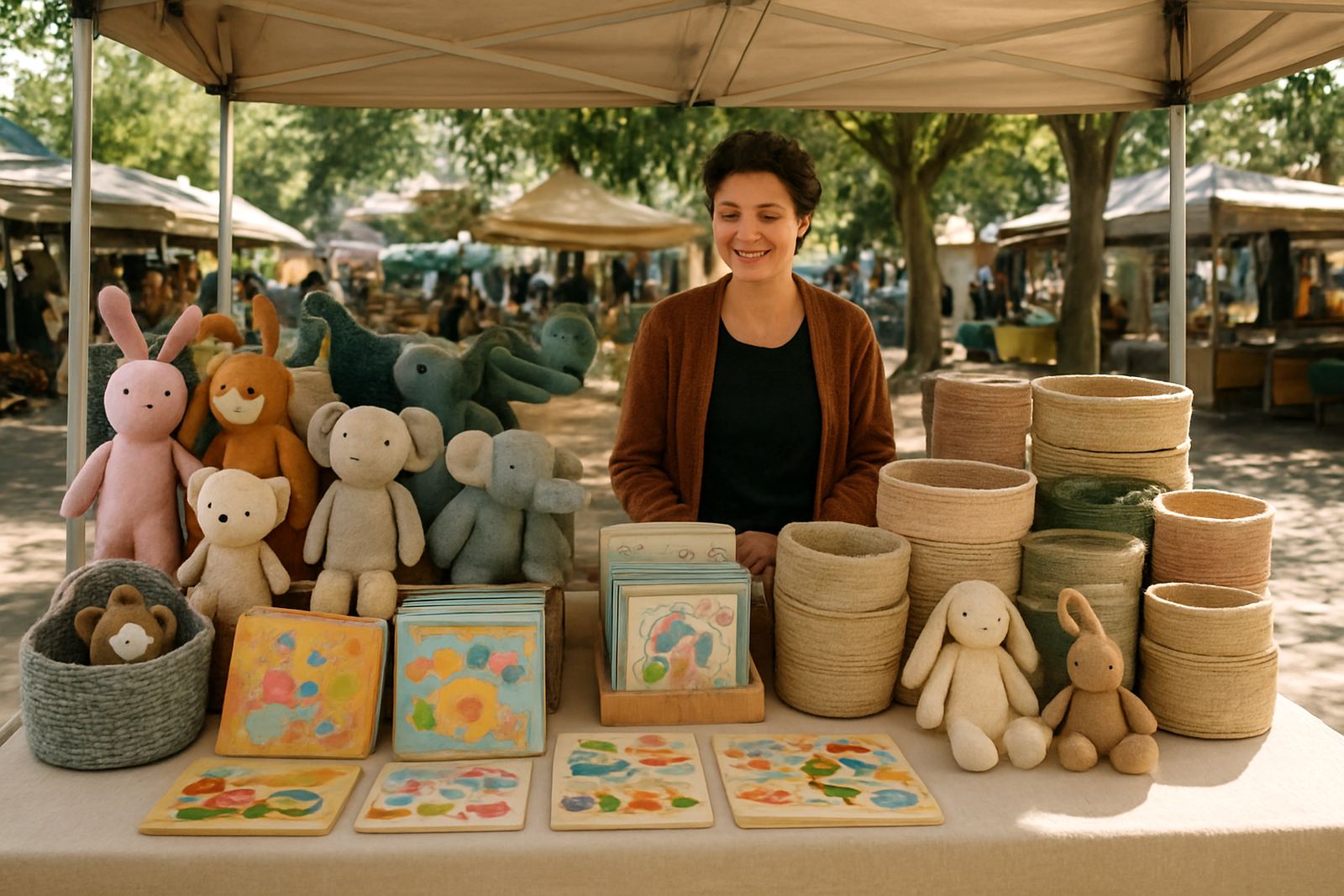
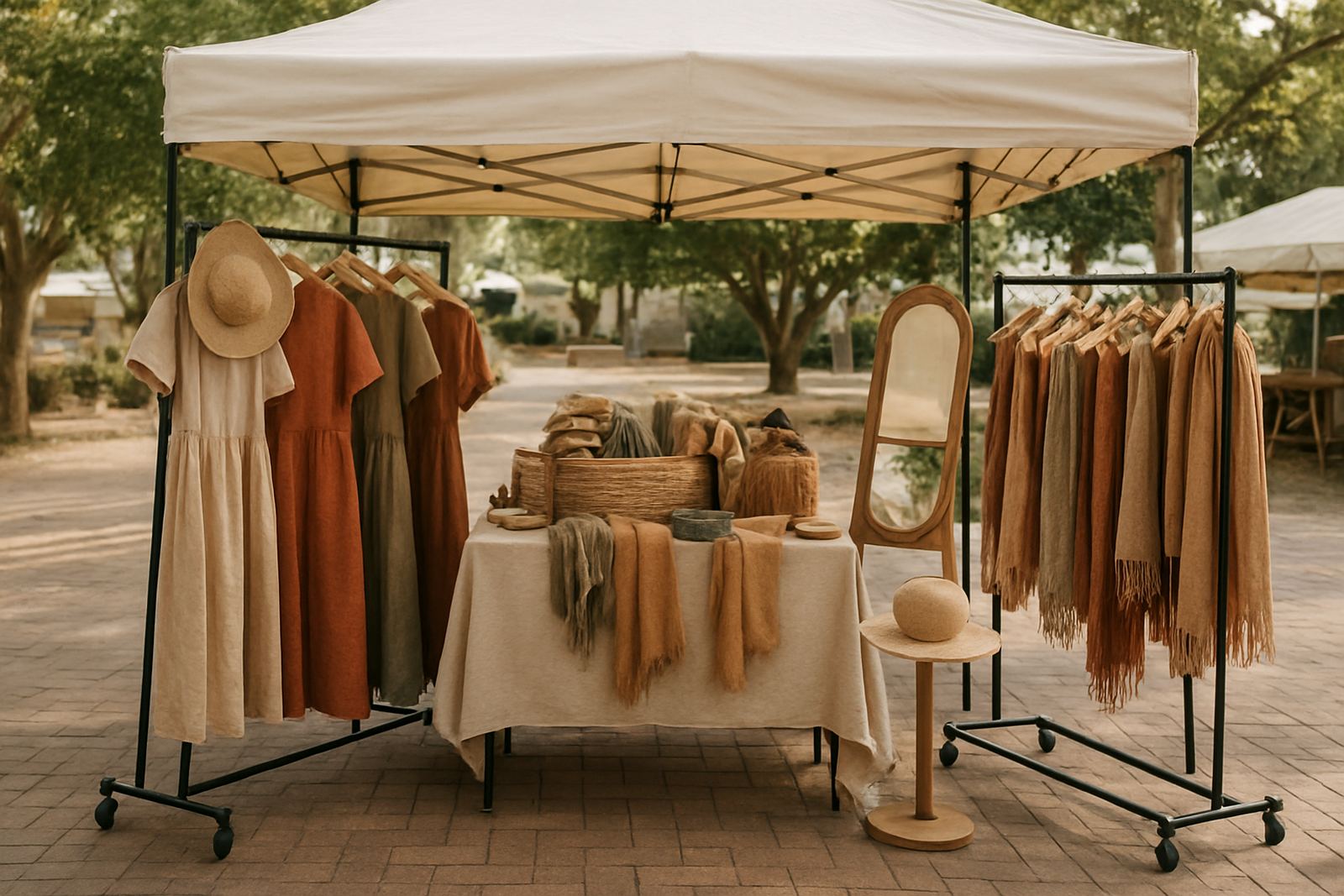
Gift items, candles, ceramics, printed goods and home decor often sell best when customers can see range quickly. Group by colour, size or use so shoppers can compare without asking for every item. For this kind of craft, your stall should feel tidy and easy to scan from 2 to 3 metres away.
Use risers, crates, stands and simple signage to create height. Keep bestsellers at eye level and make sure price points are visible. If products are breakable, leave enough space between pieces and pack extras under the table for quick restocking. That helps during peak moments when customers move quick and a table can empty in minutes.
- Bring a mix of small, medium and feature pieces.
- Use neutral backdrops so the product stands out.
- Keep payment options visible and easy to reach.
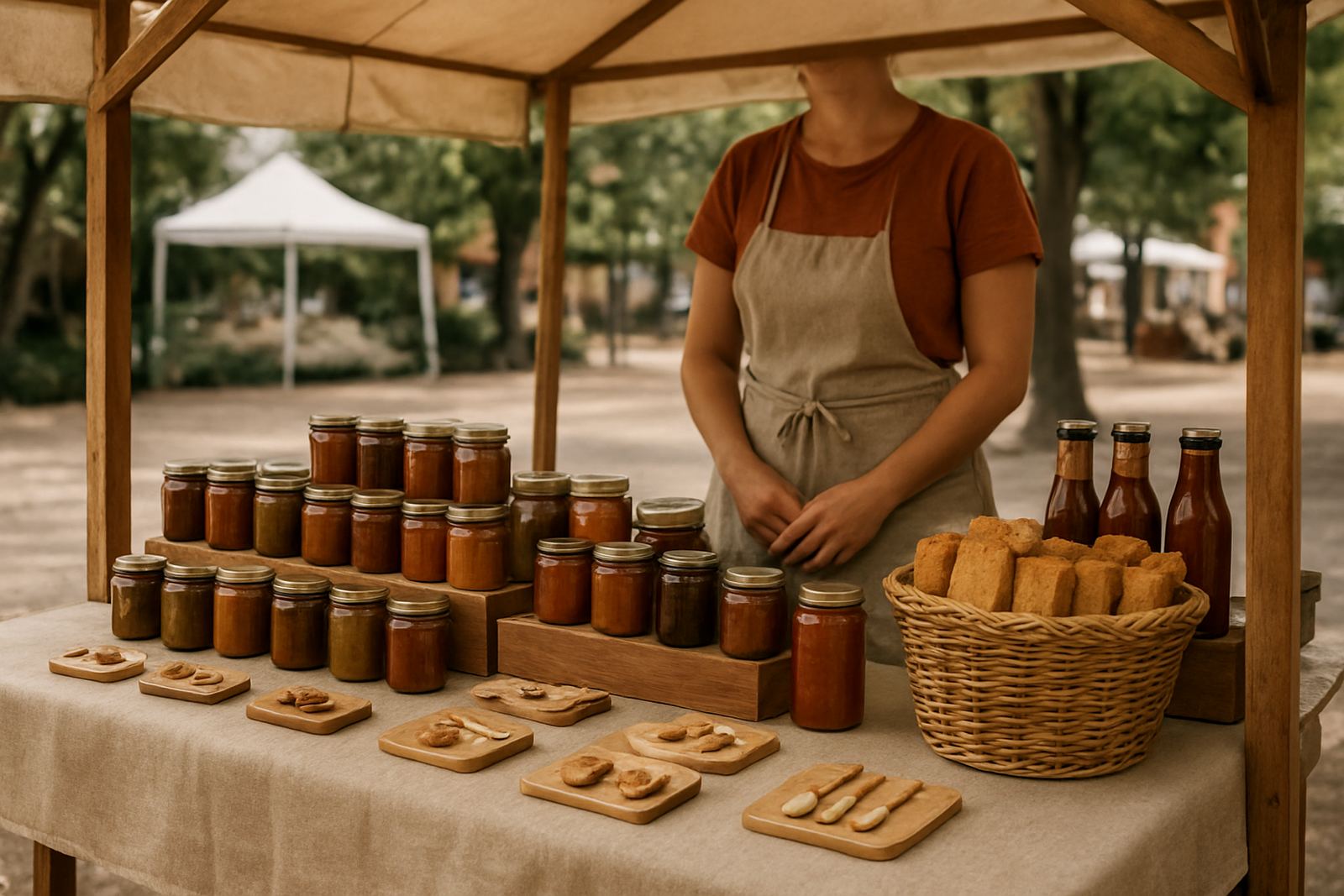
Food makers, tasting stalls and packaged treats
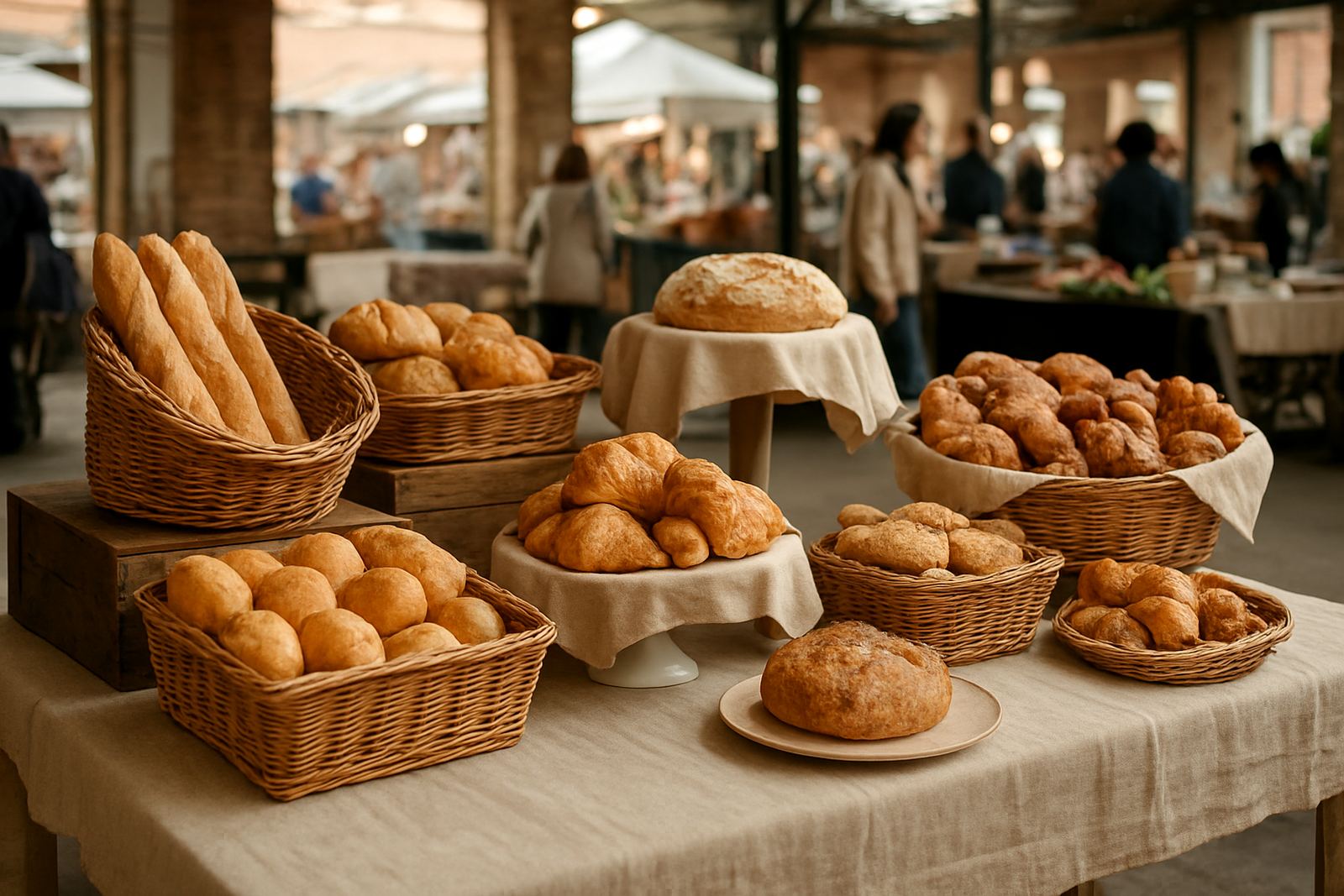
Food stalls need different planning from craft stalls because tasting, storage and hygiene matter. Whether you sell bakes, preserves, sauces, confectionery or dry goods, customers need a clear flow from first look to sampling to purchase. In warm weather, shade and covered display space matter too, especially at outdoor markets in Pretoria and summer pop-ups nationwide.
Packaged food should be labelled clearly with ingredients and dates where needed, and all serving surfaces must stay clean through the day. If you sell anything temperature-sensitive, plan for insulated storage, ice packs or suitable cold holding. For many makers, the smallest detail such as a tidy serving line or labelled tasting cups can lift sales more than a louder display.
- Check local market rules for food handling and sampling.
- Bring gloves, sanitiser, serviettes and refuse bags.
- Use sealed packaging for items that travel or need shelf life.
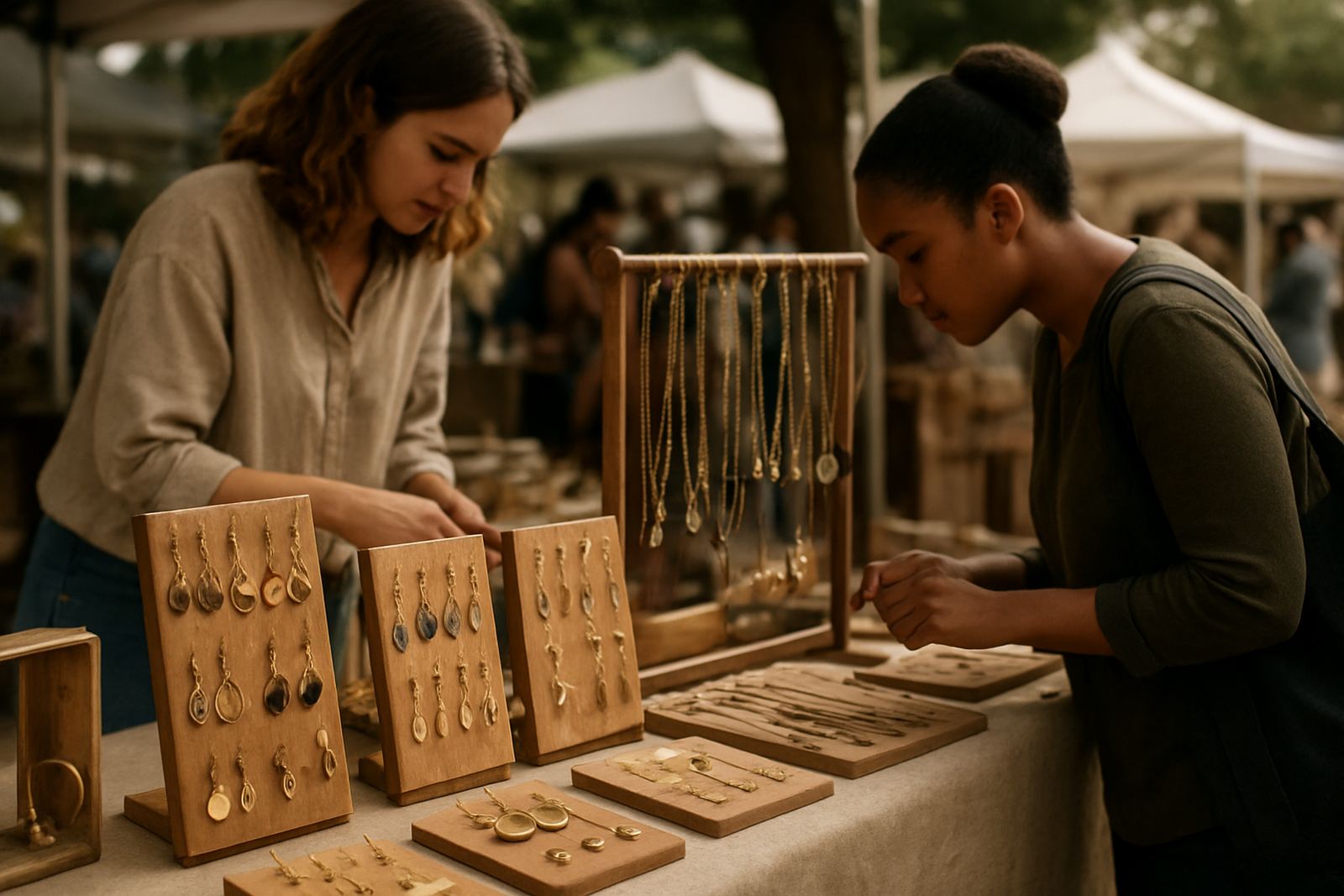
Jewellery, accessories and small wearables
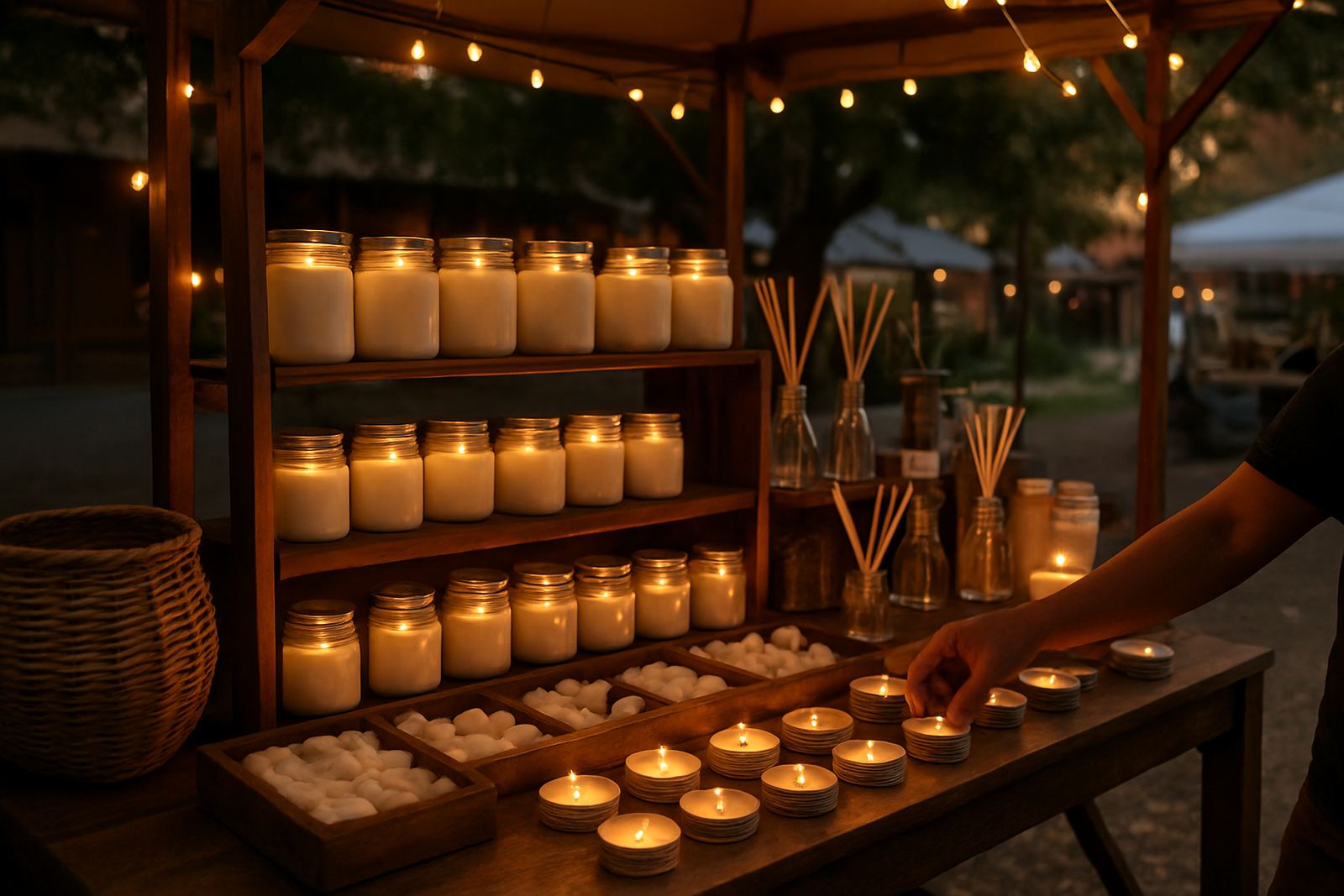
Jewellery and accessories need secure, neat presentation because shoppers often compare several pieces before choosing. This category benefits from strong lighting, small trays, busts, hanging displays and a clear story about materials, sizing and care. At evening maker nights, good lighting becomes even more important because detail sells the piece.
Keep your most valuable items close to you and avoid overcrowding the table. Customers should be able to pick up and return items without confusion. If you offer custom orders or sizing changes, have a simple process ready so you can capture the request in a minute or two.
- Separate fine items from fashion pieces.
- Use labels for materials, lengths and sizes.
- Have secure storage behind the stall for stock and packaging.
Bath, body and lifestyle products
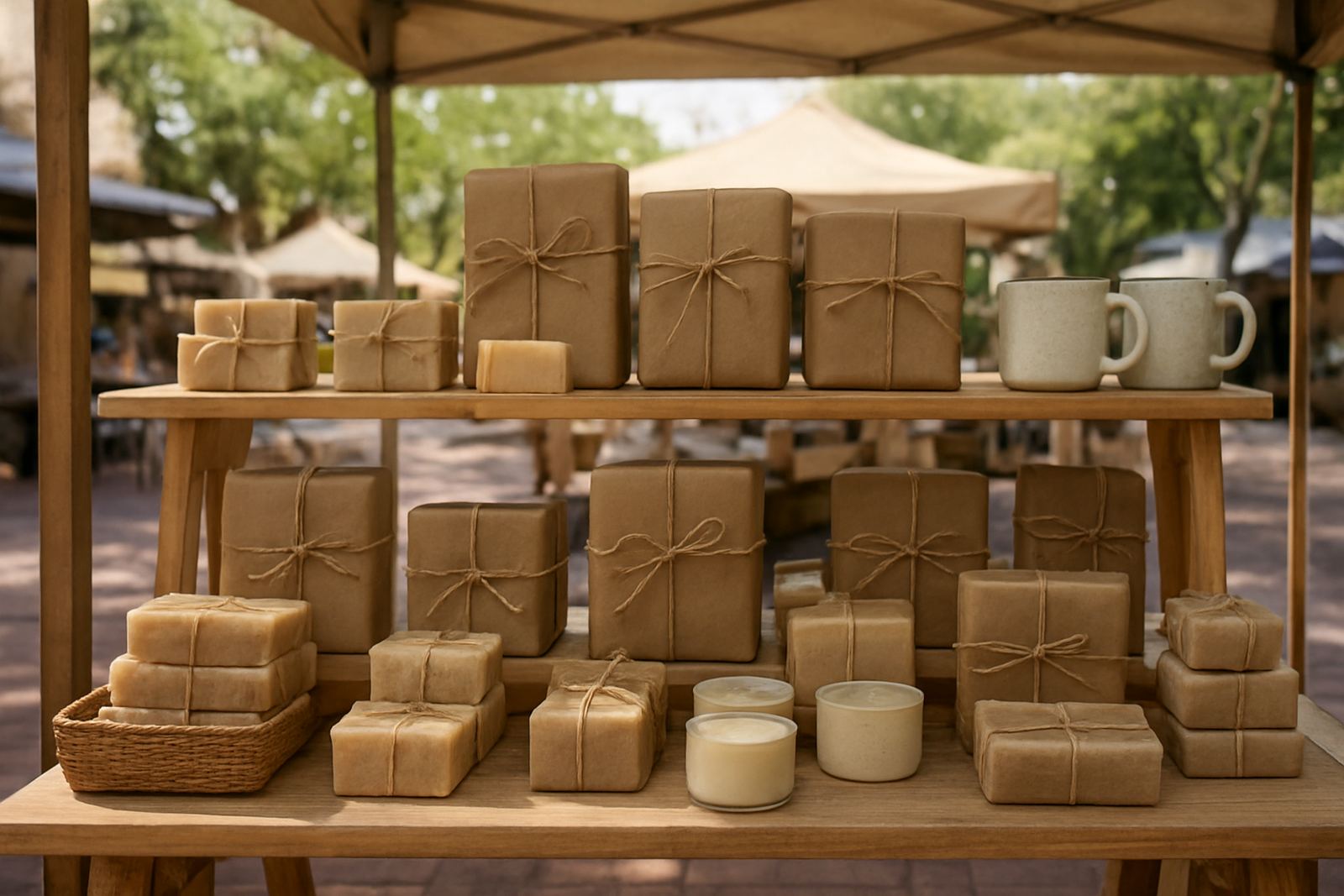
Soap, body butter, linen spray, skincare and home fragrance products need clean presentation and clear scent or texture notes. People often buy these items as gifts, so your stall should make it easy to understand benefits, sizes and price differences. In humid coastal conditions or hot summer weather, packaging choice matters because labels and finishes can shift quickly if they are not suited to the conditions.
Test how your display holds up for a full market day. Bottles can tip, jars can heat up and paper packaging can soften. A simple layout with grouped ranges, testers where allowed, and a neat handover point makes the buying process calmer for customers and easier for you.
Many makers also find that conversation matters here. A customer may ask about ingredients, skin type or fragrance strength, so your wording should be clear and honest, not rushed.
How to decide which market format suits your craft
The same product can perform differently at a family market, a night market or a pop-up in a shopping area. Some crafts do better where people browse slowly with children and coffee in hand. Others do better in a short, focused buying window where customers already know what they want.
To choose well, think about three things: how much space your stock needs, how customers will handle it, and how quickly you can restock or serve. If you need help matching your craft type to the right event, our team can guide stall styling, pricing, packaging, photography, customer conversations and first market prep.
- Think about display space, not just table size.
- Plan for weather and power if you use lights or fridges.
- Choose markets that match your price range and buyer type.
Support for makers across Pretoria and nationwide
From Hatfield to Menlyn and from local weekends to nationwide maker nights, we work with makers across many categories and sales styles. Some need help setting up for their first trading day, while others want better packaging, sharper pricing or a stronger event plan. The goal is practical support that helps your craft sell well in real market conditions, not just look good on paper.
If you are comparing craft types or planning a new product range, start with the event format and customer flow. That gives you a better base for deciding what to bring, how much stock to pack and how to set up the table on the day.