When plant stalls need to work hard from the first hour
A plant and garden stall usually starts with two pressures at once: the stock must look healthy, and the display must stay neat after fifty people have lifted pots, asked prices and moved things around. In Hatfield, Brooklyn or Menlyn, shoppers often stop quickly between errands, so the layout has to help them see the full range in a few seconds.
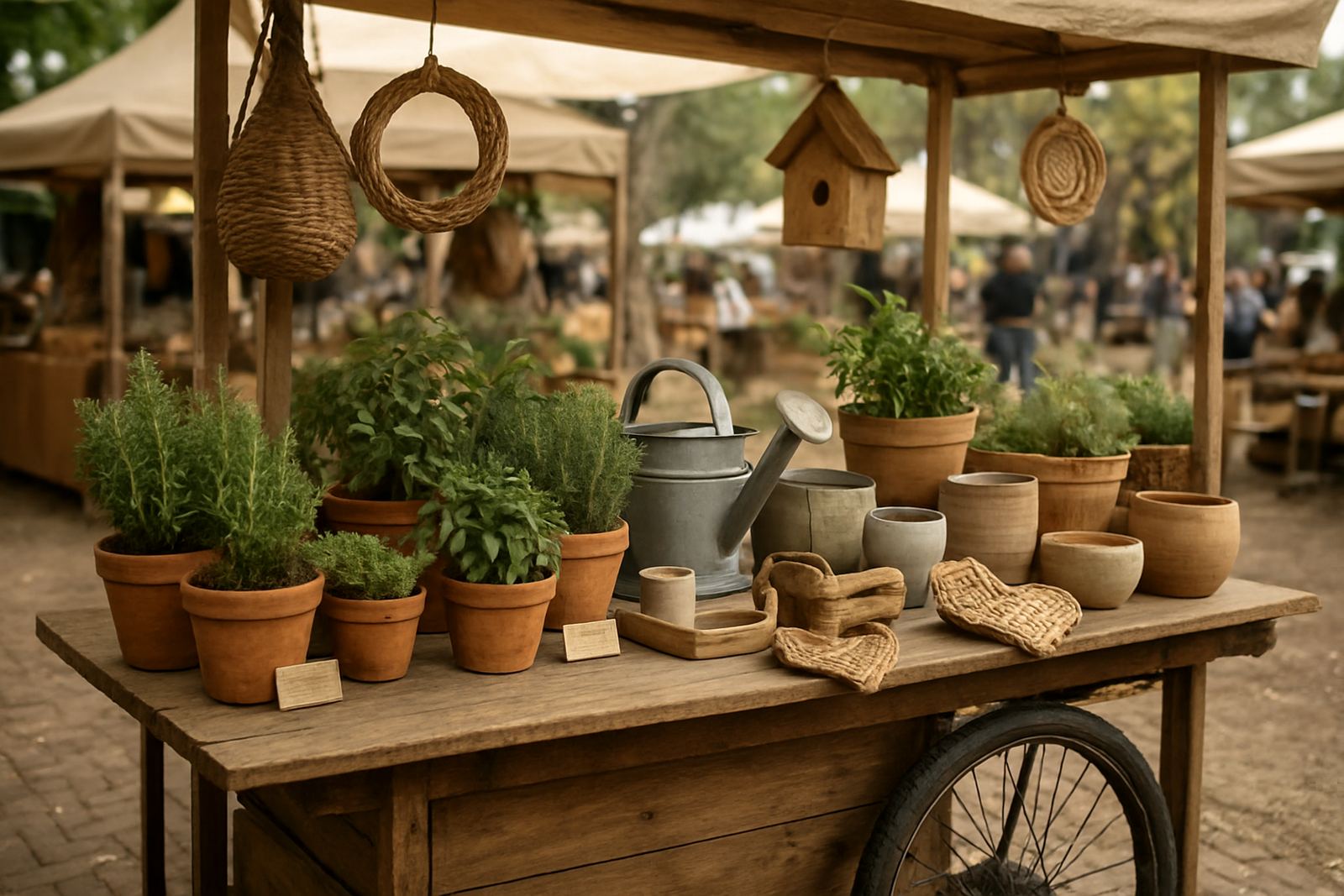
For potted goods, the best approach is usually low, layered presentation. Keep taller pieces at the back, medium pots in the middle, and small herb trays or succulents close to hand. If you are selling painted pots, watering cans, plant markers or garden ornaments, group them by use rather than by colour only. That way customers can spot a gift set or a balcony starter pack without needing too much explanation.
Fresh styling matters because plants can lose appeal fast in direct sun, wind and dust. At outdoor weekend markets around Pretoria, a stall that looks a bit tired by 11am often loses sales. Shade cloth, clean table covers and sturdy crates make a bigger difference than many makers expect.
Typical equipment for a plant and garden display
The stock itself may be simple, but the stand set-up needs to protect it and make it easy to buy. For this use case we usually plan for a mix of tables, risers and floor display. If you are trading at a market with uneven paving or a grass patch, you also need stabilising pieces so pots do not wobble when customers lean over.
- Fold-up trestle tables for main display areas
- Wooden crates or sturdy risers for height and layering
- Heavy-duty tablecloths in natural colours
- Shade net, gazebo sides or a light canopy for sun and drizzle
- Pot stands, trays and drip trays to keep surfaces dry
- Small handwritten price cards and care notes
- Carry crates for backup stock and breakage control
- Battery lighting for evening maker nights and winter markets
If you sell live plants, keep a water plan in place. Too much water on the floor becomes a slipping hazard. Too little and the product looks neglected. A simple spray bottle, a cloth and a sealed bucket for runoff are usually enough for a small stall. For garden crafts like bird feeders, hanging planters or metal decor, you will need hooks or a display rail that can hold weight properly.
Layout planning that helps customers buy more than one item
Plant buyers often shop in sets. They may come for a fern and leave with a pot, a saucer and a little garden sign. Your layout should make those add-ons easy to see. The most effective stalls usually start with a hero table at the front, then a side section for accessories, then a small cash or payment point that does not block the flow.
At busy markets in Pretoria and Centurion, people do not like squeezing past one another. Leave a clear walkway of at least 900 mm where possible, and keep fragile stock away from the edge. If your stall is under 3 metres wide, use vertical display to create height without taking more floor space. Hanging baskets, stepped crates and narrow shelving work well for this.
- Put best sellers at eye level, not on the floor
- Keep similar plants together so shoppers can compare quickly
- Use one corner for bundle deals such as pot plus plant plus feed
- Separate wet stock from paper packaging and gift items
- Keep a small restock box hidden but close at hand
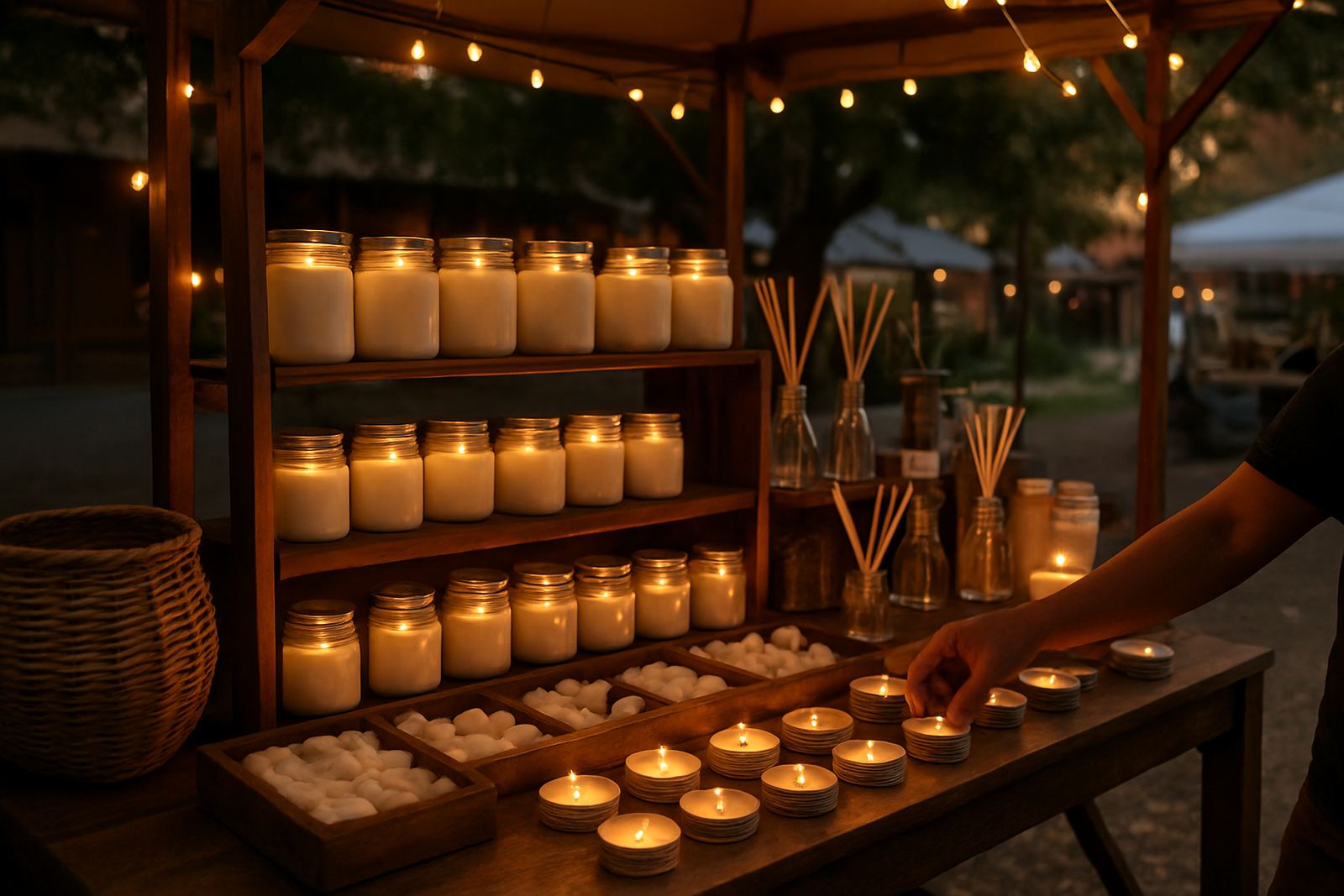
For evening maker nights, softer lighting helps the greenery feel calm and fresh. Warm bulbs or battery lamps can make glazed pots and painted tags look more inviting, especially when the venue lighting is harsh or patchy.
Common mistakes that hurt plant and garden sales
One of the biggest mistakes is packing too much stock onto a table. Plants need breathing room. If customers cannot see the shape of the leaves, pot size or finish on the craft items, they often walk on. Another common error is using mismatched containers that make the stall look untidy even when the products are good.
People also forget how quickly weather changes trade conditions. On humid coastal weekends, untreated cardboard softens fast. In windy inland conditions, light signs blow over and small pots shift. For Pretoria summers, heat management matters too because direct sun can dry out small plants before midday. A simple cloth cover for the most delicate items can save a lot of stock.
Pricing is another point that needs care. If price cards are missing or hard to read, customers hesitate. Make the numbers clear, and if you offer plant bundles or multi-buy offers, state them plainly. Avoid putting too many different price formats on one table. It confuses buyers and makes the stall look less organised.
Finally, do not leave payment and packing to the last minute. Plant customers often need a bag that will not tip over, or a way to carry soil without spills. Have paper bags, carry boxes or a light tote option ready so the sale feels complete.
Budget ranges for a first market setup in Rand
Budget depends on whether you are starting with living plants, garden crafts, or both. A small seller doing weekend markets with a fold-up table and basic accessories can get going for around R2 500 to R6 000. That usually covers display items, signage, packaging and a few essential tools.
A more polished stall with layered risers, better lighting, durable covers and a wider stock mix often sits in the R6 000 to R15 000 range. If you also need branded crates, custom display shelves or a heavier canopy for regular outdoor use, you may need R15 000 to R25 000 or more. The right level depends on how often you trade and how much stock you can carry safely.
- Starter table and covers: R800 to R2 500
- Risers, crates and small shelving: R700 to R3 500
- Lighting and power backup for night markets: R500 to R2 000
- Packaging, labels and care cards: R300 to R1 200
- Branding and sign boards: R600 to R2 500
If you are trading across multiple venues such as Hatfield, Lynnwood and Menlyn, it is worth spending a bit more on portable gear that packs quickly and survives repeated loading. Cheap items can fail after a few weekends, and then you pay twice.
Preparing for weekend markets, pop-ups and maker nights
Plant and garden sellers do best when the set-up is planned around the event type. A Saturday market in Pretoria may need early shade, easy stock access and strong signage from 7am. A maker night may need brighter face-on lighting, smaller payment queues and more focus on giftable pieces that work in low light.
Before trading, check the venue rules on water, waste and vehicle access. Some sites want all packing removed by a certain time, while others require no loose soil on the ground. If you are using live plants, clean-up matters just as much as the display. A tidy pack-down protects your stock, keeps the venue happy and saves time at the next event.
With the right layout, a plant stall feels calm, fresh and easy to shop. That is what brings people back. They remember that the herbs were easy to read, the pots were simple to carry and the table looked good even after a full day of trade.
Practical support for makers growing into plant sales
If your plant range is growing, a little planning around selling, packaging and display can make a real difference to turnover. Workshops that help with product pricing, customer conversation, packaging for sales and first market prep are especially useful for growers who are moving from casual selling to regular market trade. For smaller batches, clear labels and simple branding also help shoppers feel confident about what they are buying.
At Local Makers Market, plant and garden sellers often benefit from advice that keeps the stall practical. The goal is not to make it fussy. It is to make the product easy to lift, easy to understand and easy to buy, whether you are trading in Hatfield or at a nationwide pop-up.