











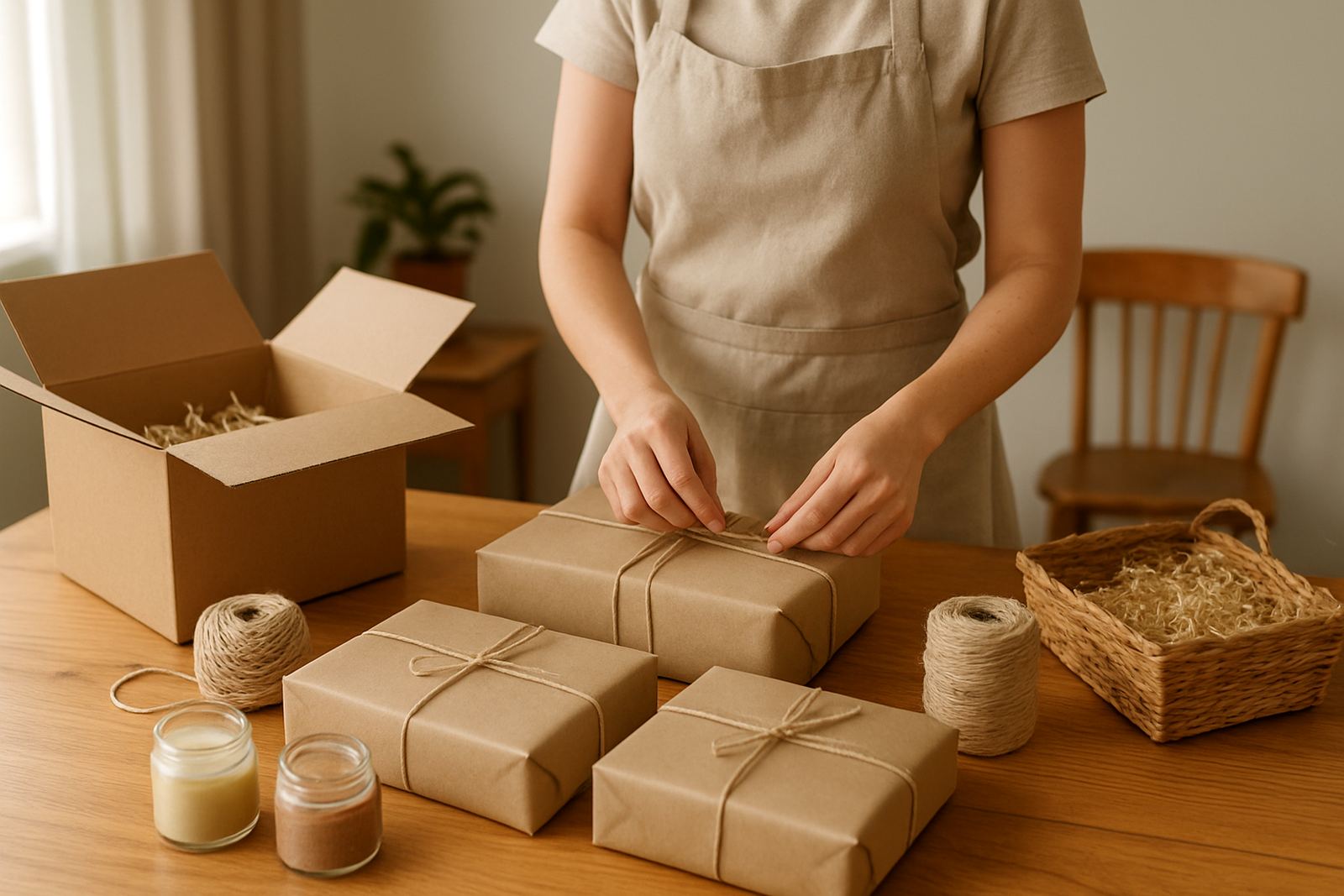


What Maker Stories Covers
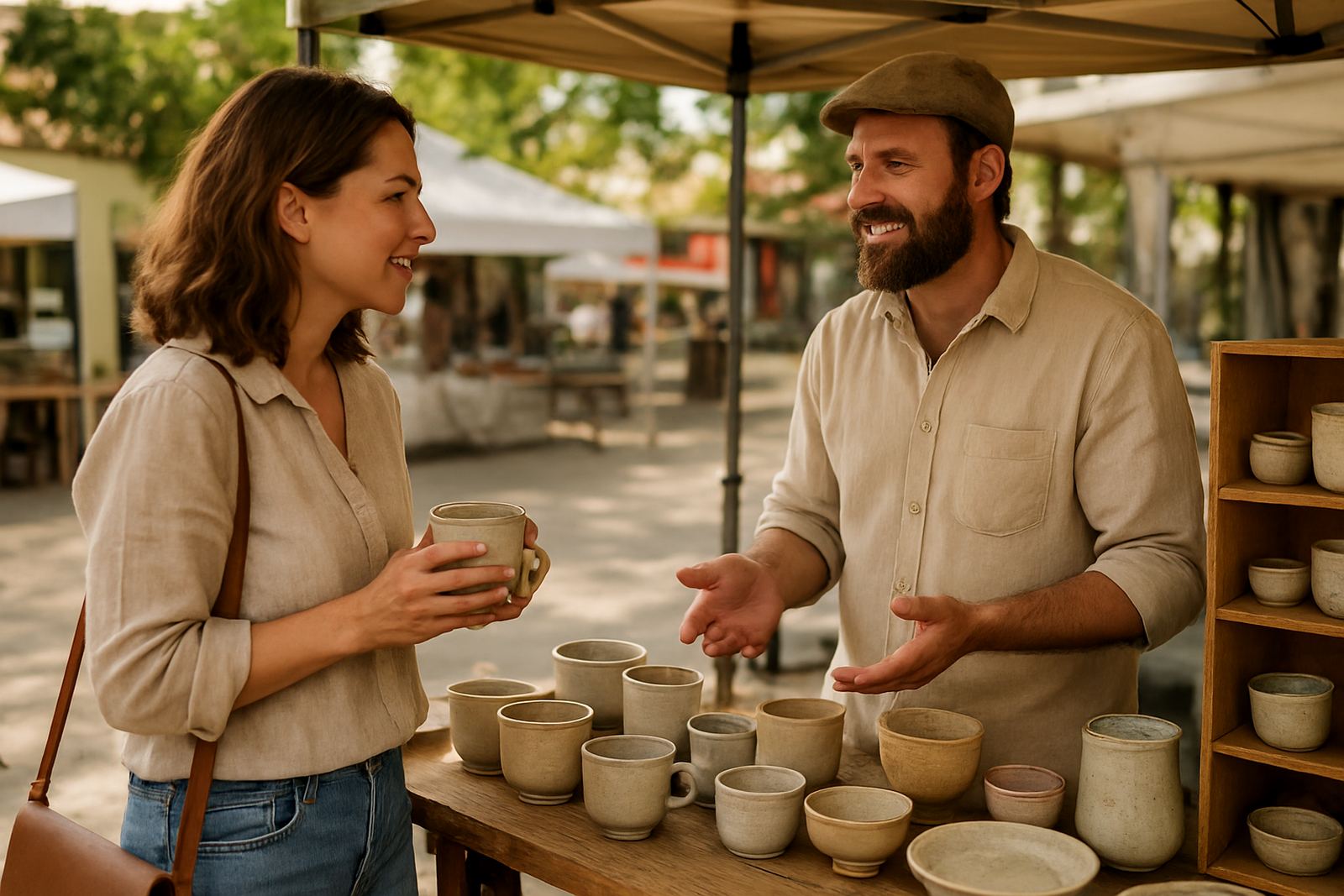
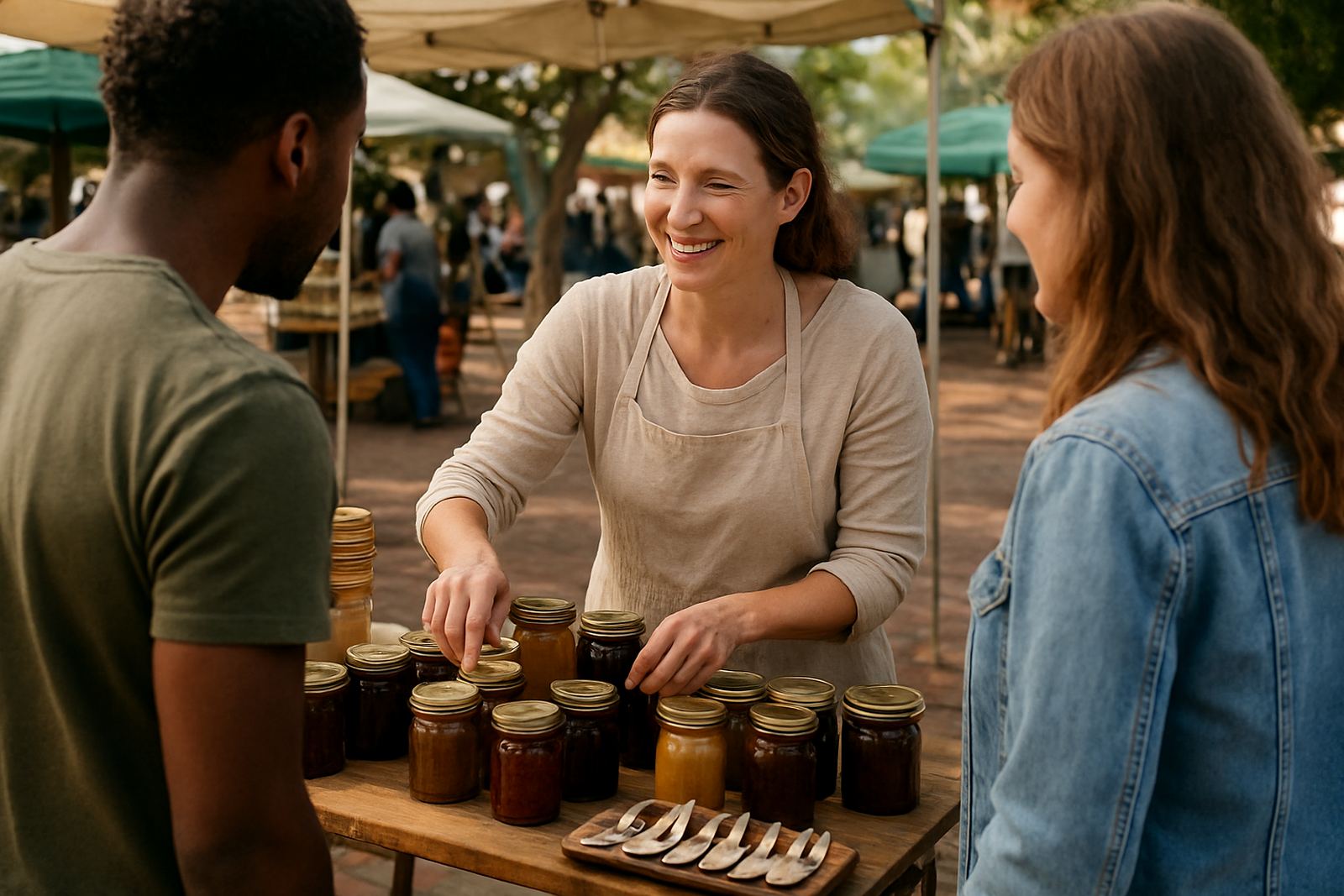
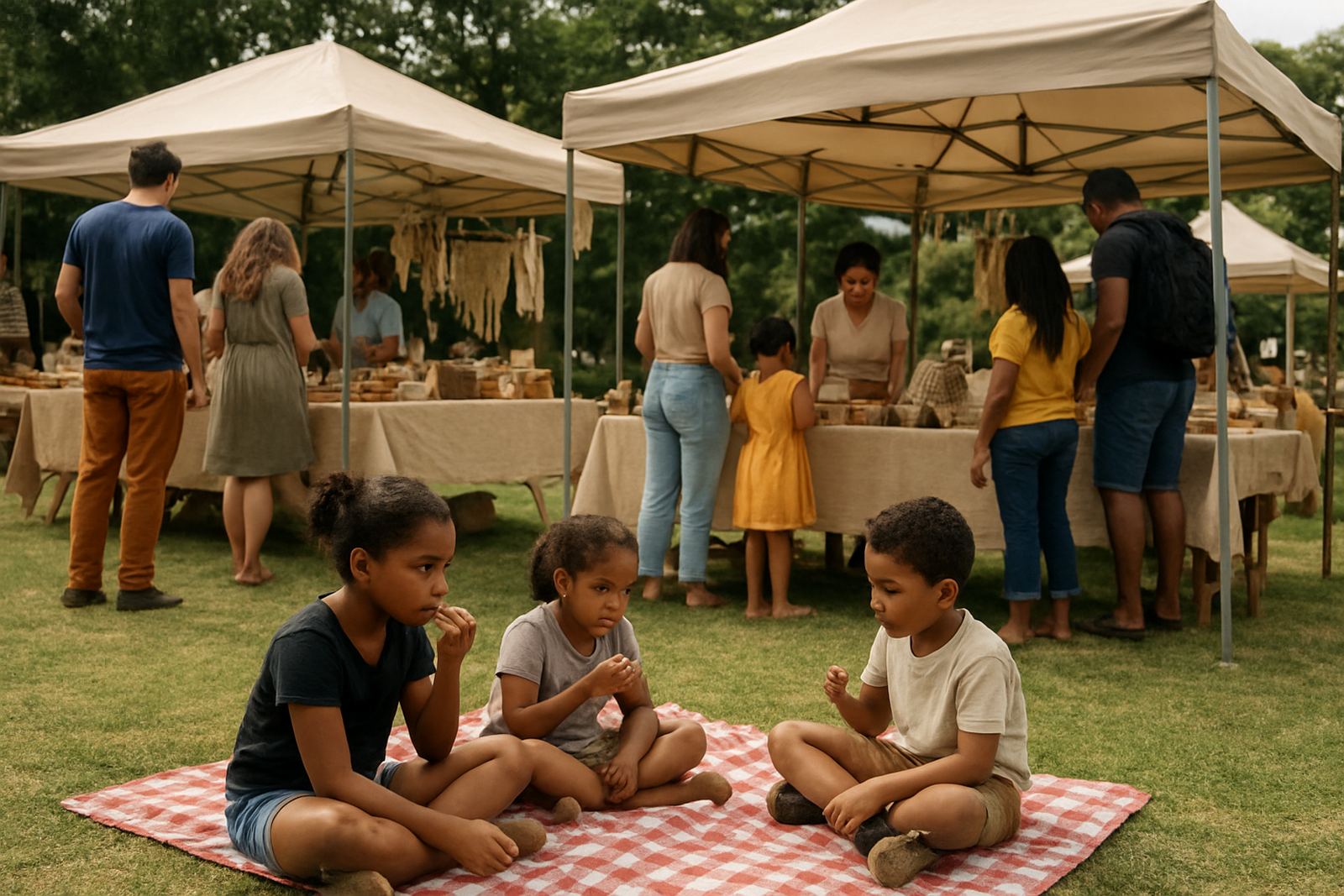
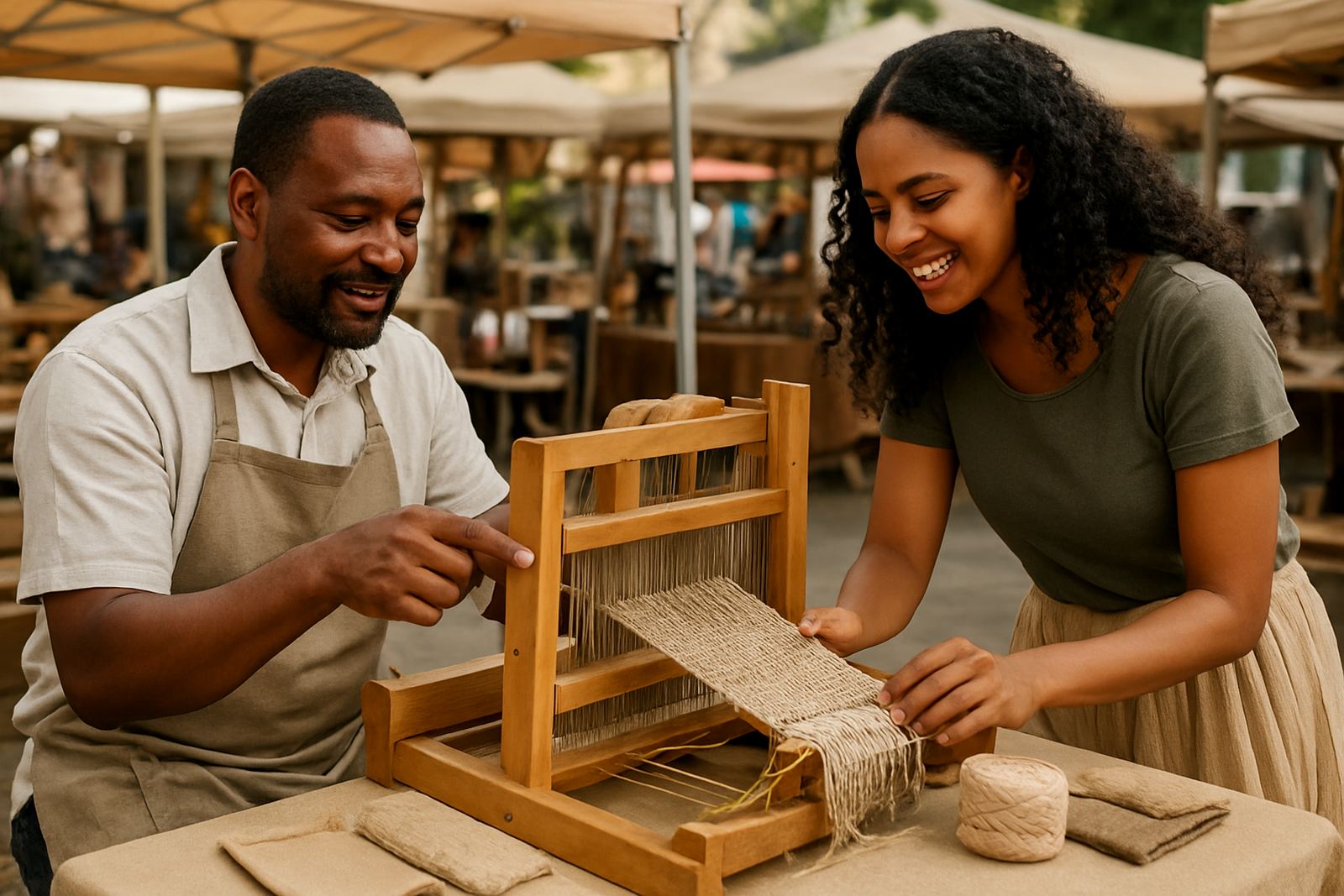
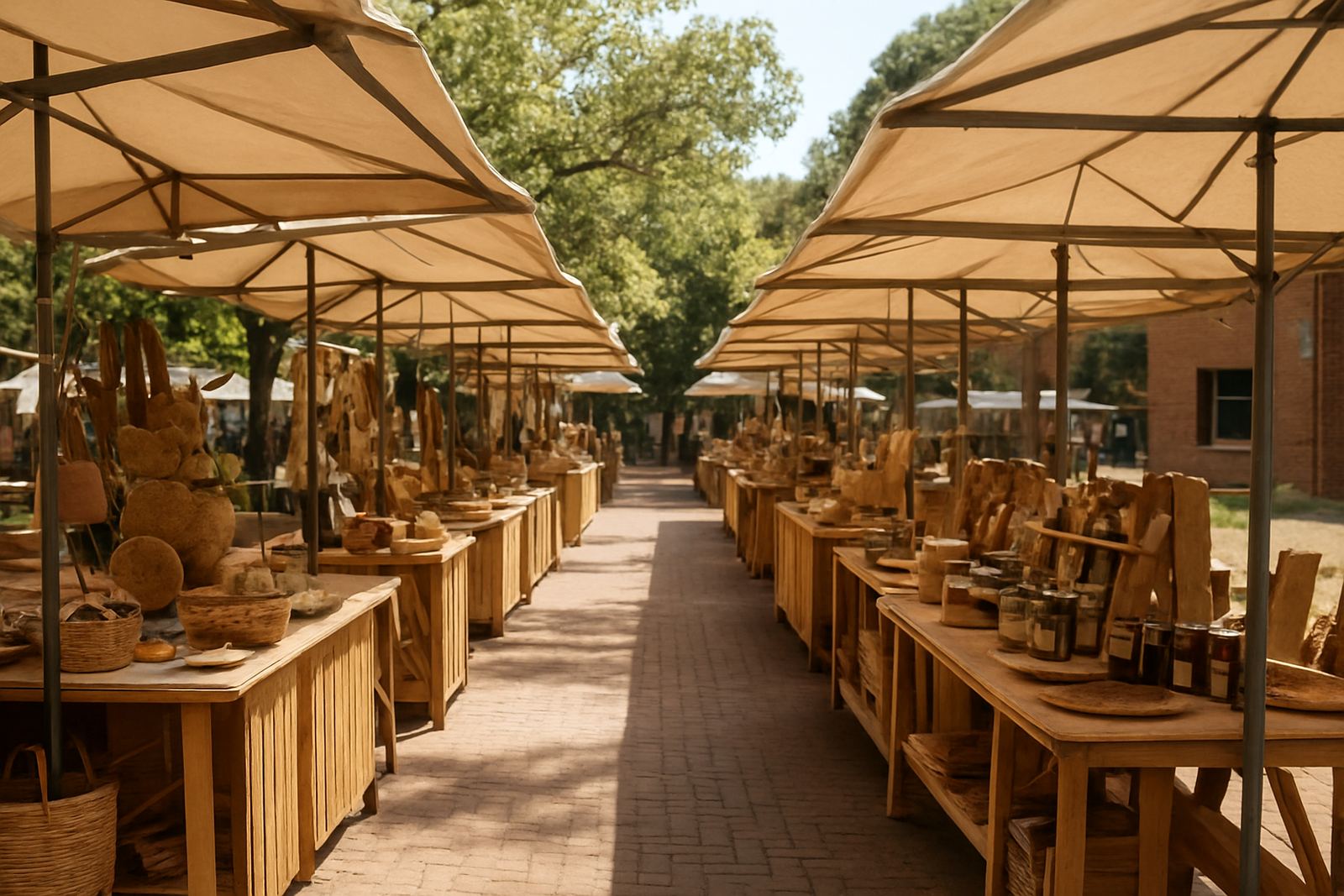
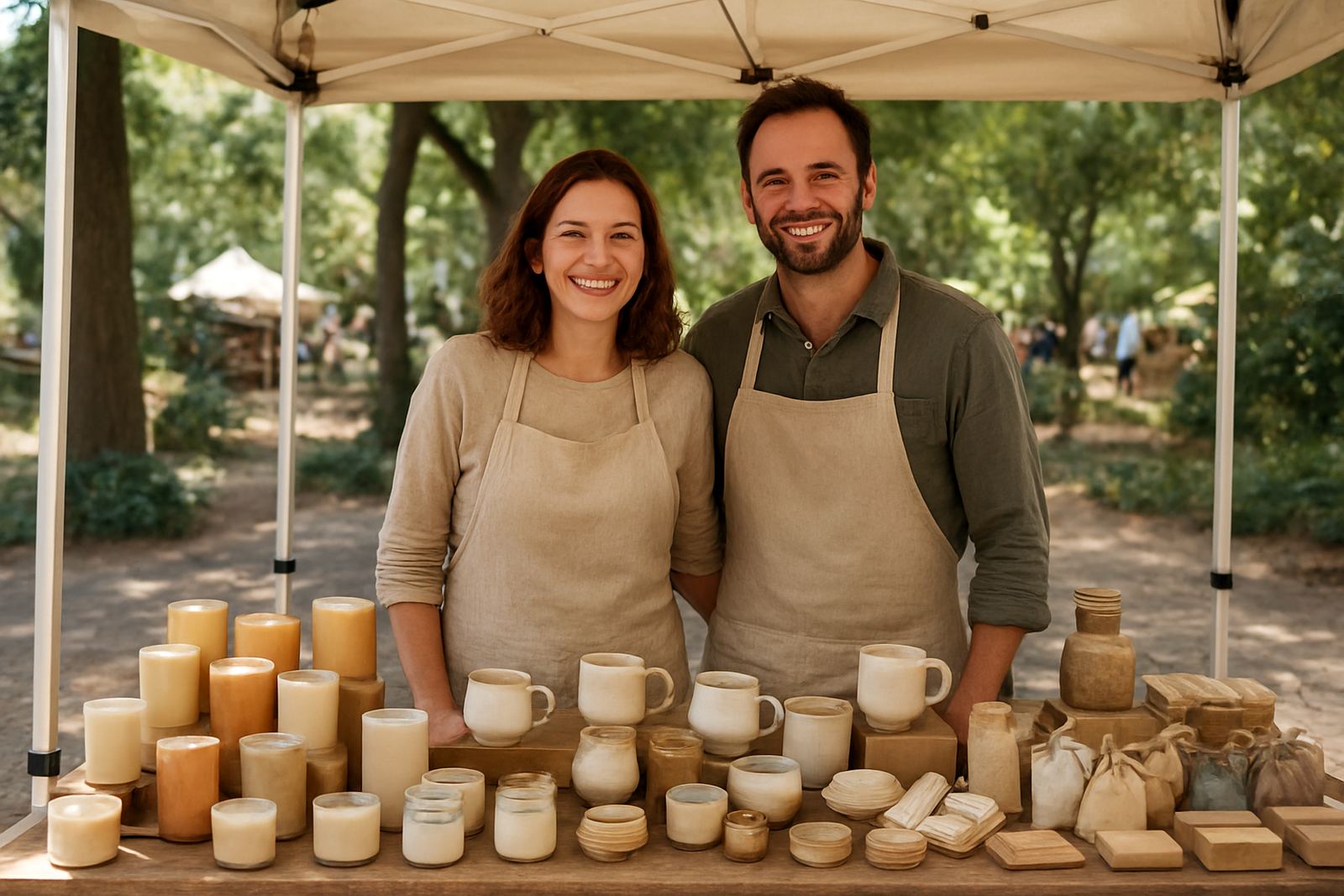
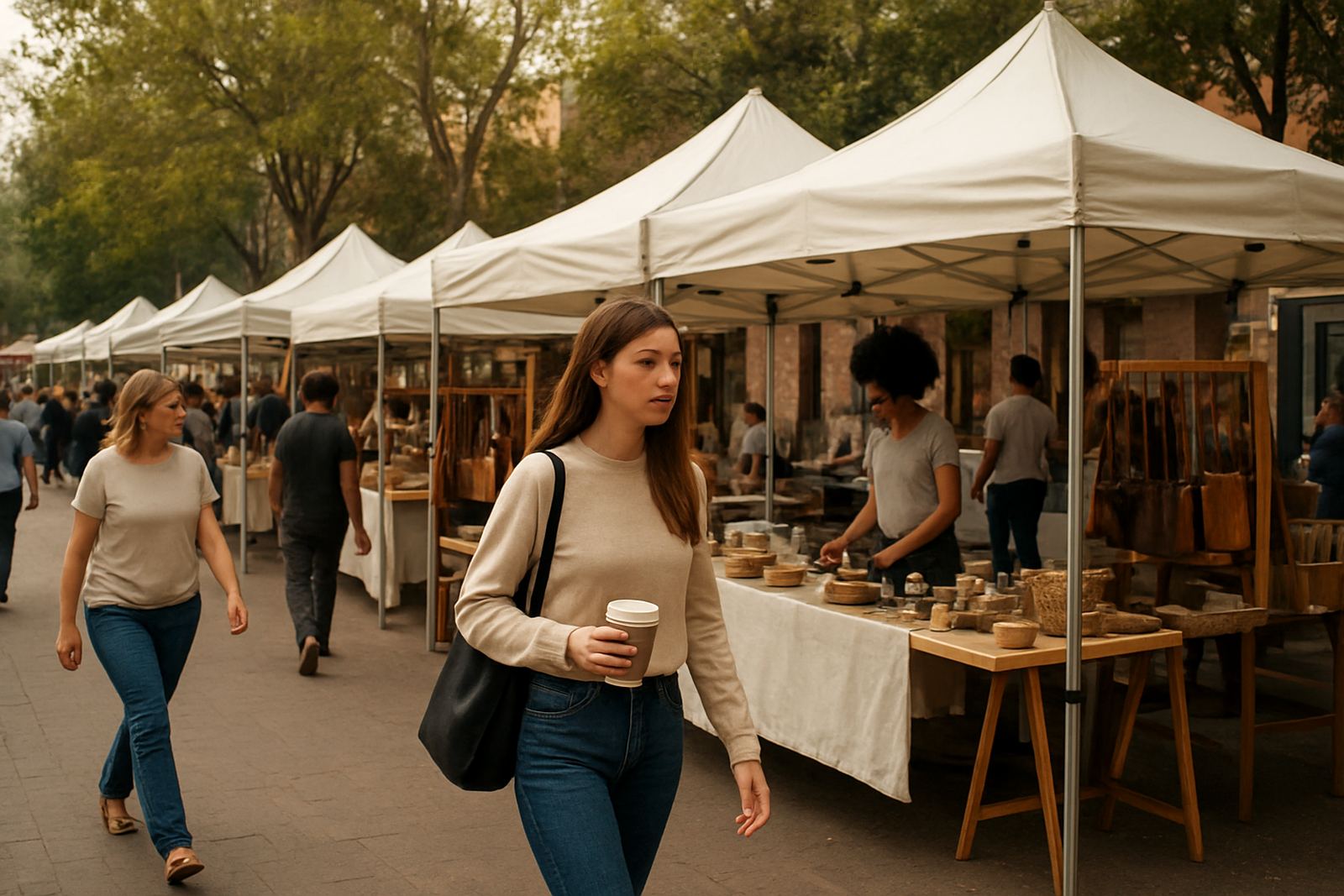
These articles look at the daily reality of market life: setting up a stall in Hatfield, pricing goods for a weekend crowd, handling food safety at a pop-up, and planning for weather, power cuts and busy foot traffic. They are written for makers who want to trade better, and for shoppers who enjoy knowing the people behind what they buy.
The range is broad on purpose. Some stories focus on practical selling advice, while others cover the craft, food and event side of market culture. If you are new to markets, start with the pieces that answer your immediate questions. If you already trade, use the stories to sharpen one part of your setup at a time.
How To Choose The Right Story
Not every article will suit every maker, and that is useful. A soap maker in Centurion may need packaging and pricing advice, while a baker in Lynnwood may want food stall basics and seasonal selling tips. A trader heading to a maker night in Pretoria may need different prep from someone doing a Sunday market in a coastal town where humidity affects stock.
- Choose first by your product type: craft, food, or mixed goods.
- Choose next by your trading stage: first market, regular trading, or event planning.
- Choose by your location: Pretoria, surrounding suburbs, or nationwide pop-ups.
- Choose by the problem you need to solve now, not the one you may face later.
Stories For First-Time Stallholders
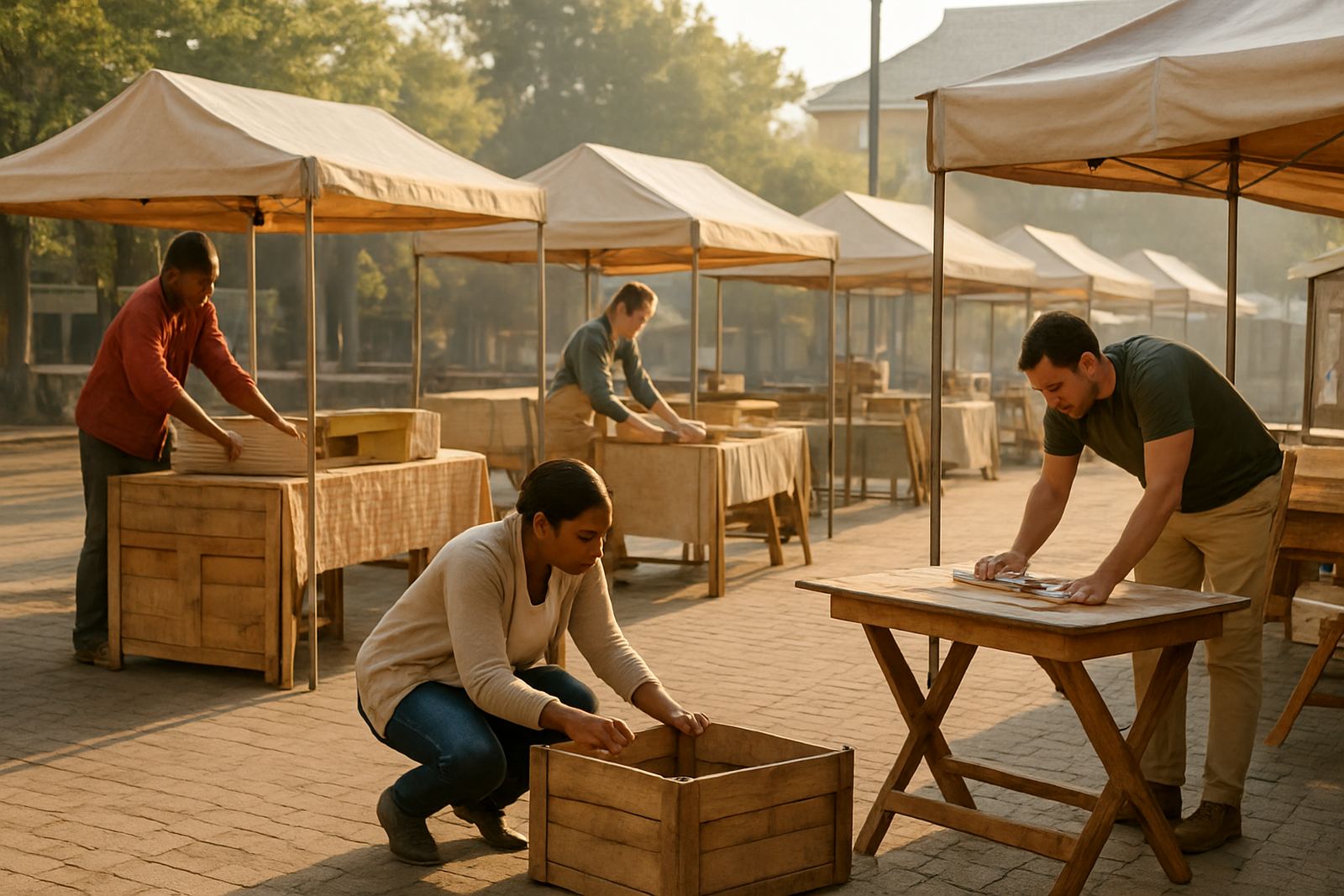
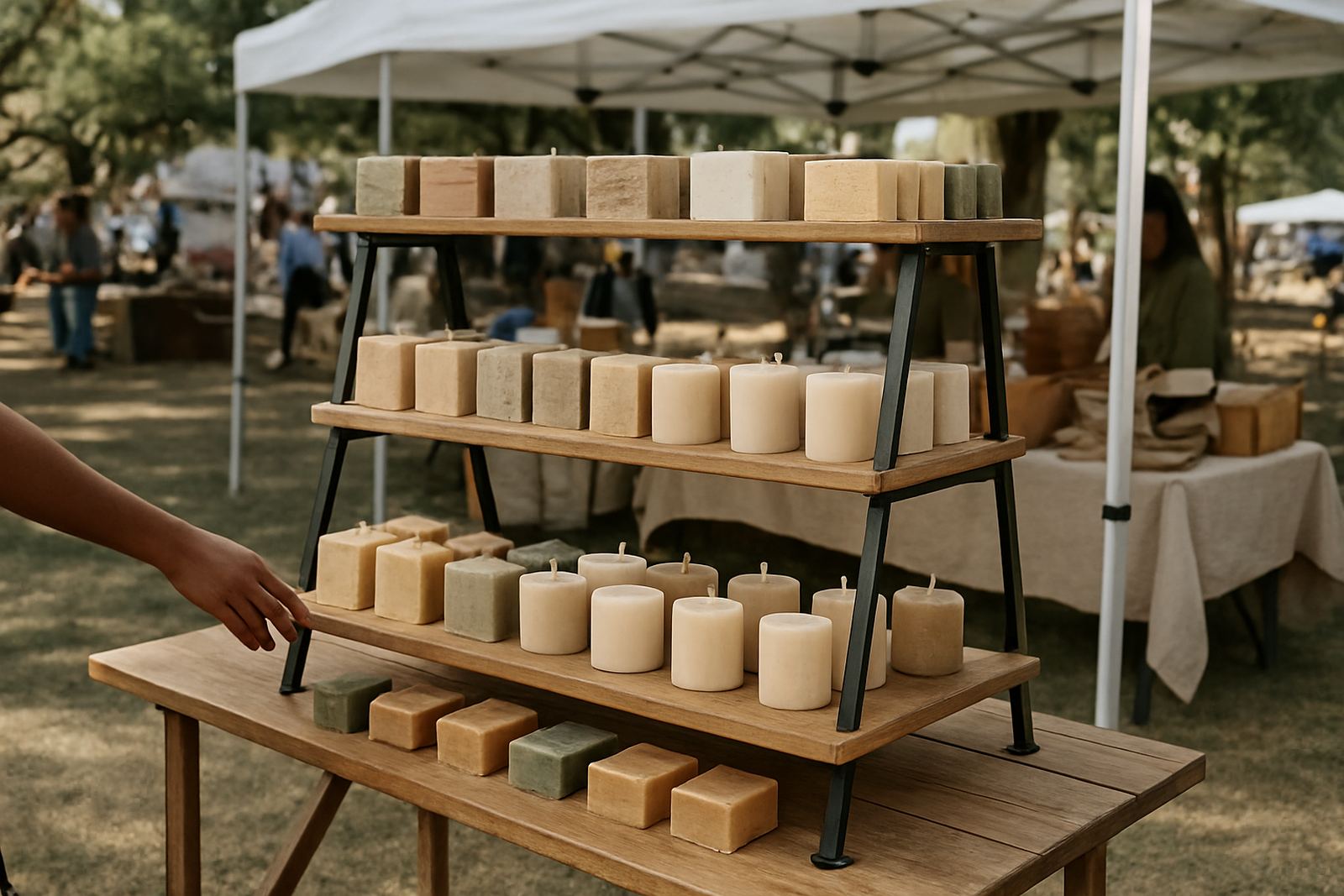
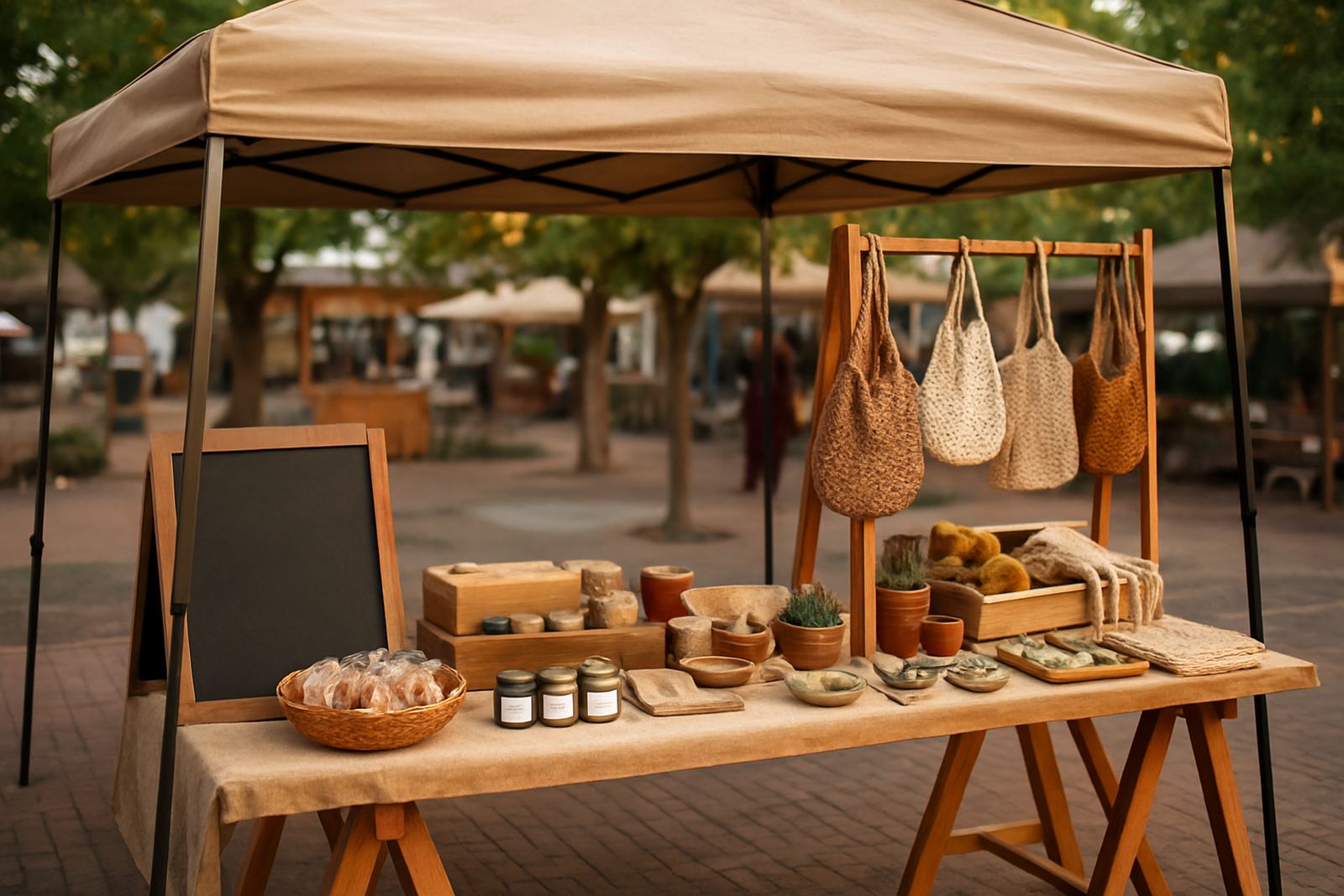
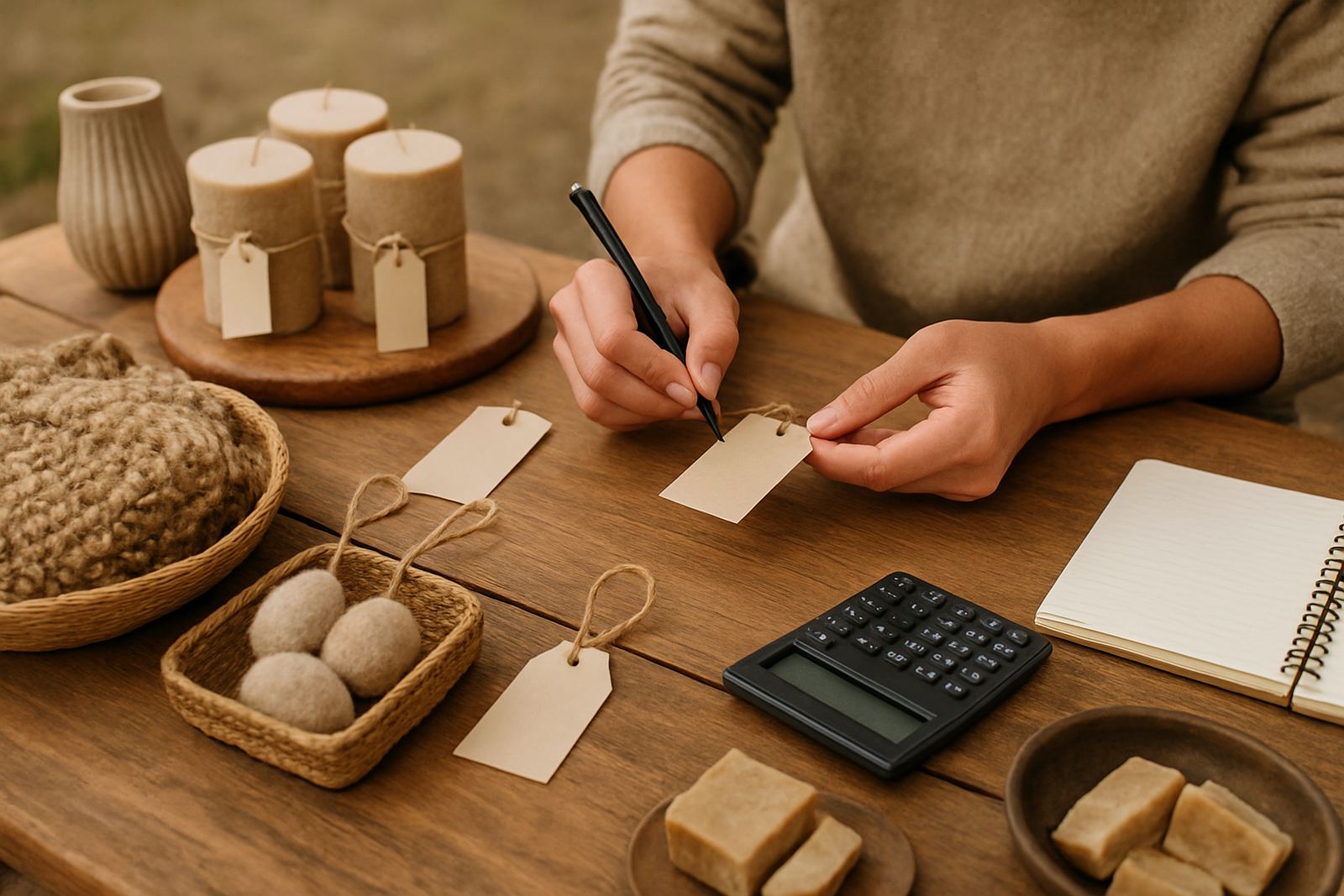
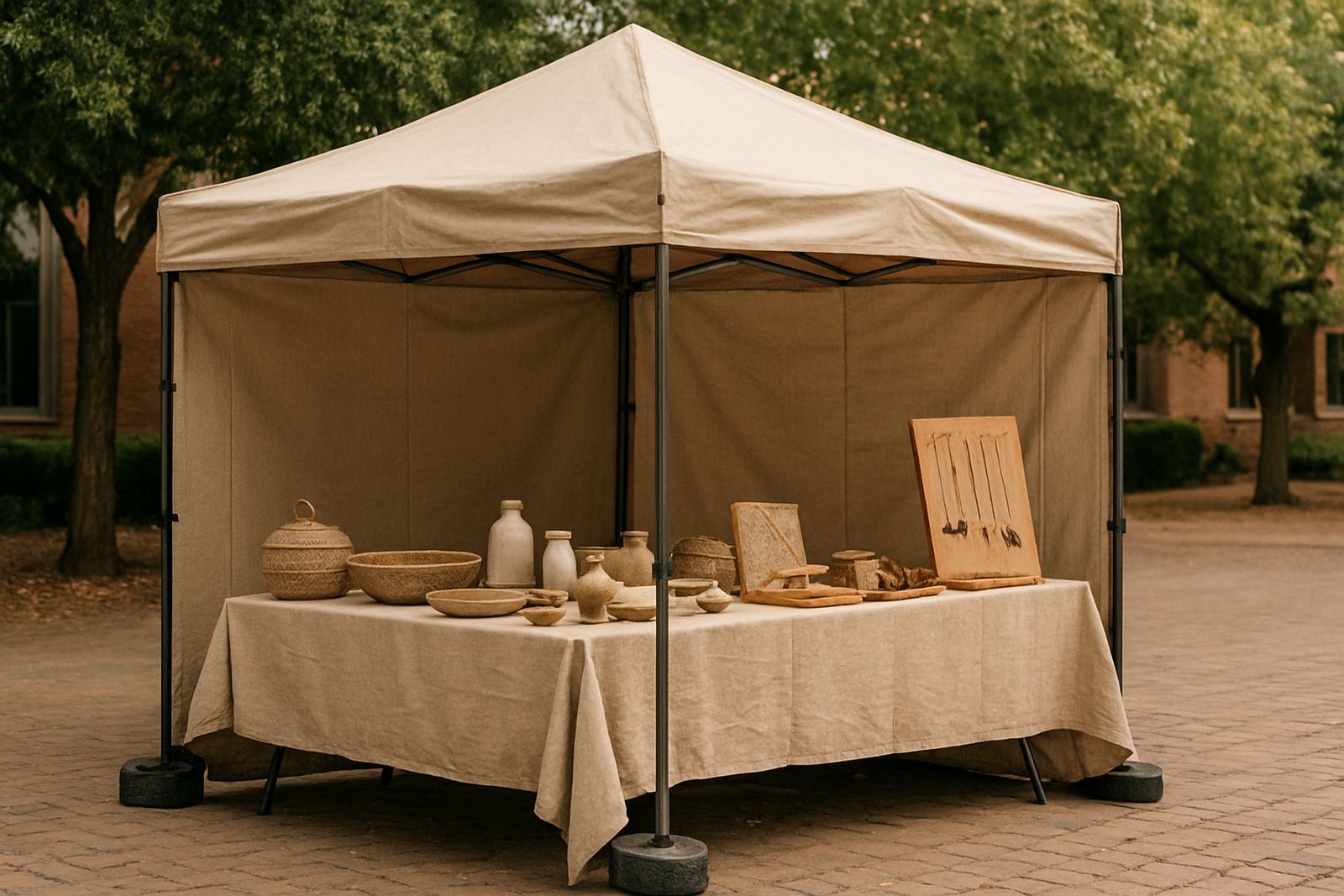
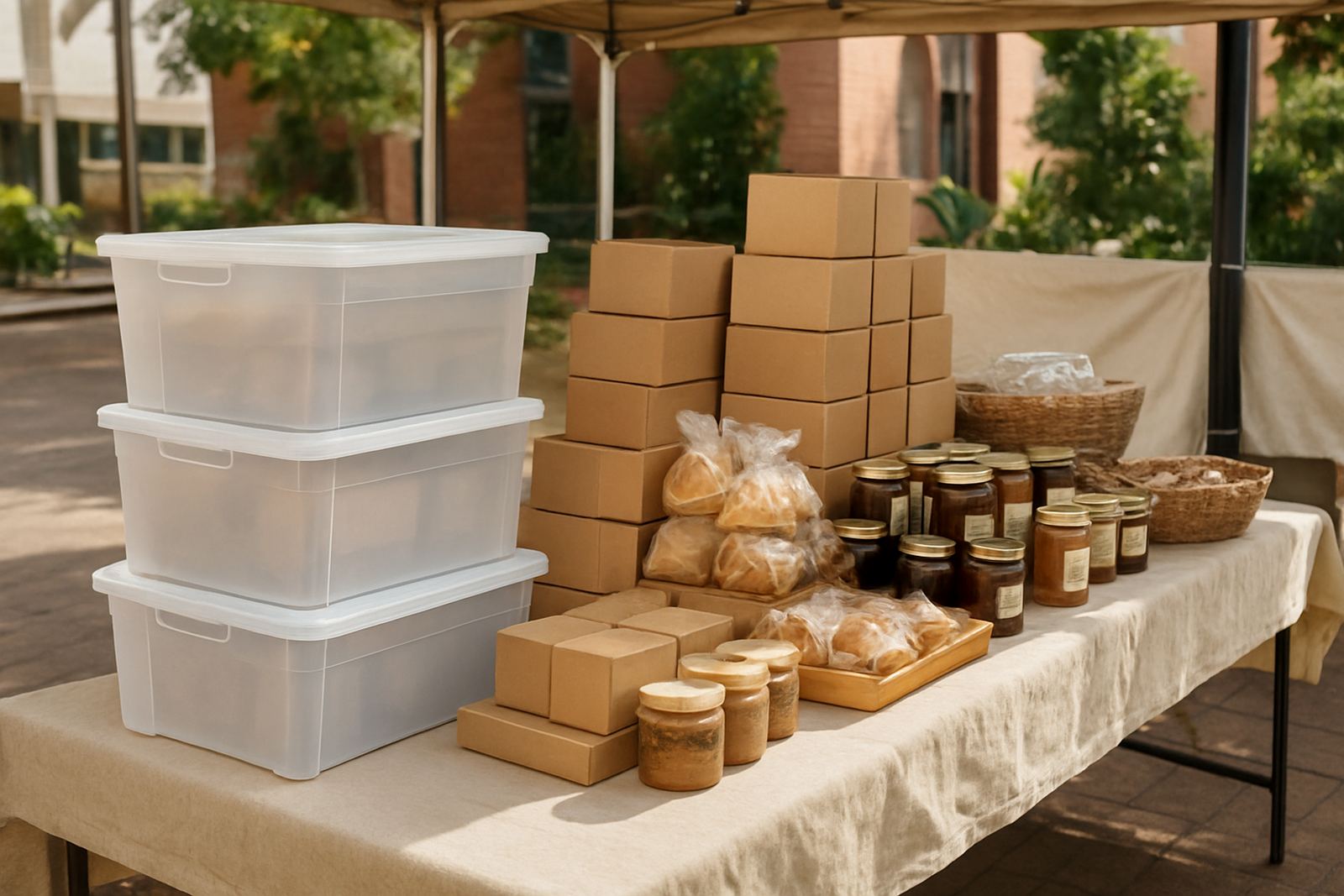
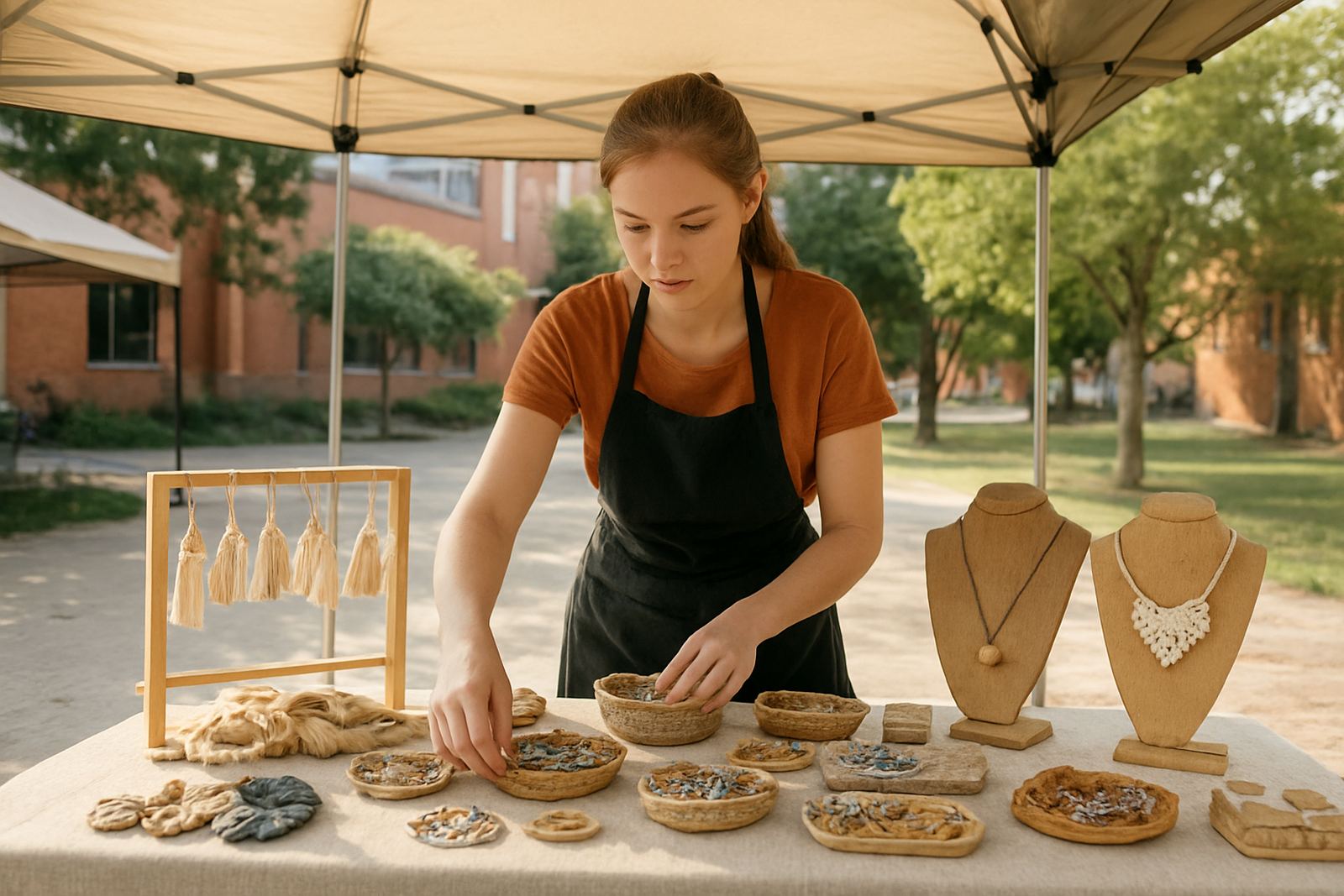
If you are preparing for your first market, look for articles that deal with the basics in a clear order. That includes table layout, price labels, change float, transport, shade, and what to do if load-shedding affects your point of sale or lighting. A well planned stall is easier to run and usually easier to shop at too.
We often see first-time makers make the same mistakes: too much stock, no backup packaging, and pricing that does not cover time or materials. The right story will help you avoid those early losses and get your setup sorted before market day.
- Pack extra tape, bags and price cards.
- Keep cash smalls separate from sales stock.
- Test your table display at home before you travel.
- Check the venue rules for power, noise and set-up times.
Market Lessons For Food, Craft And Gifts
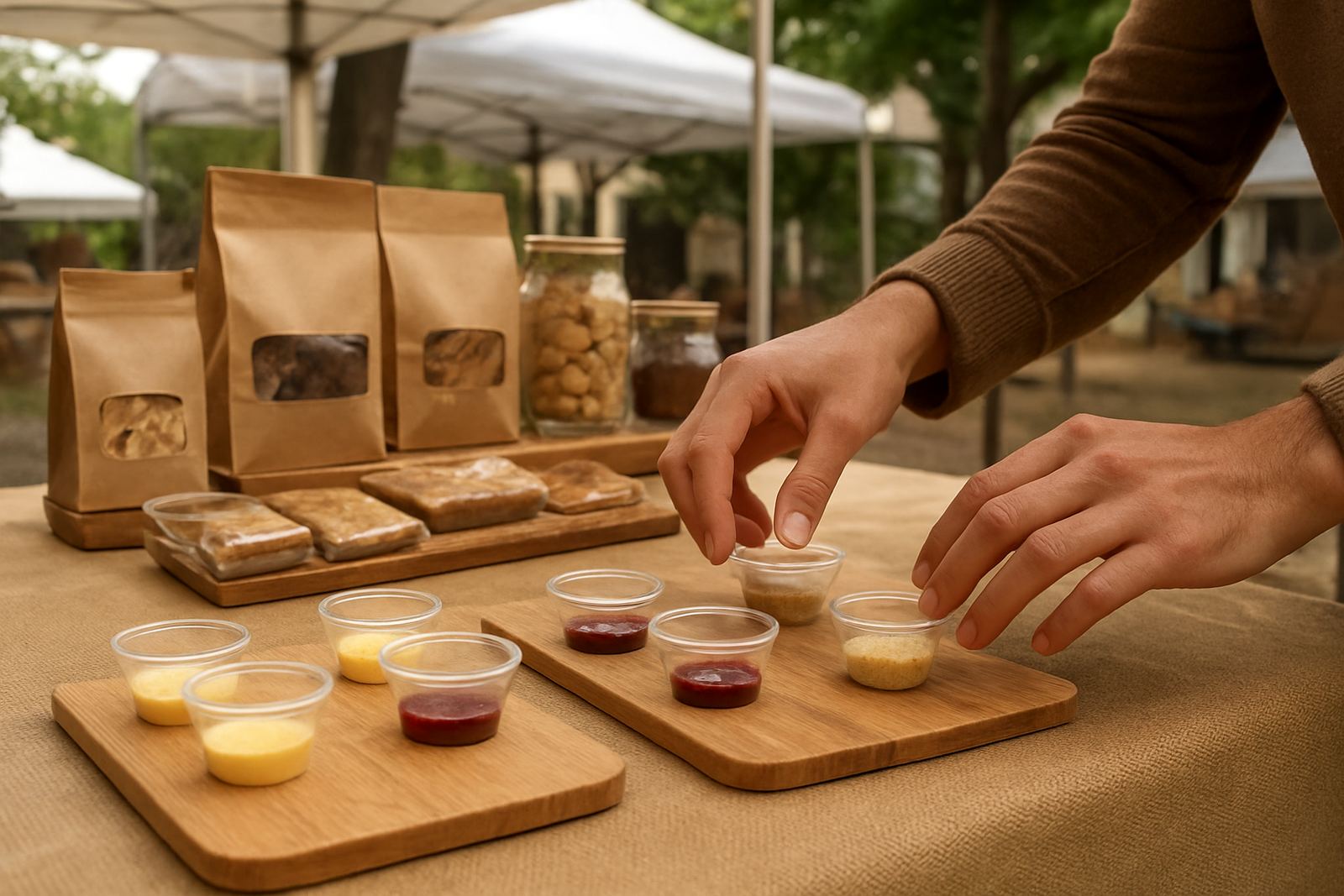
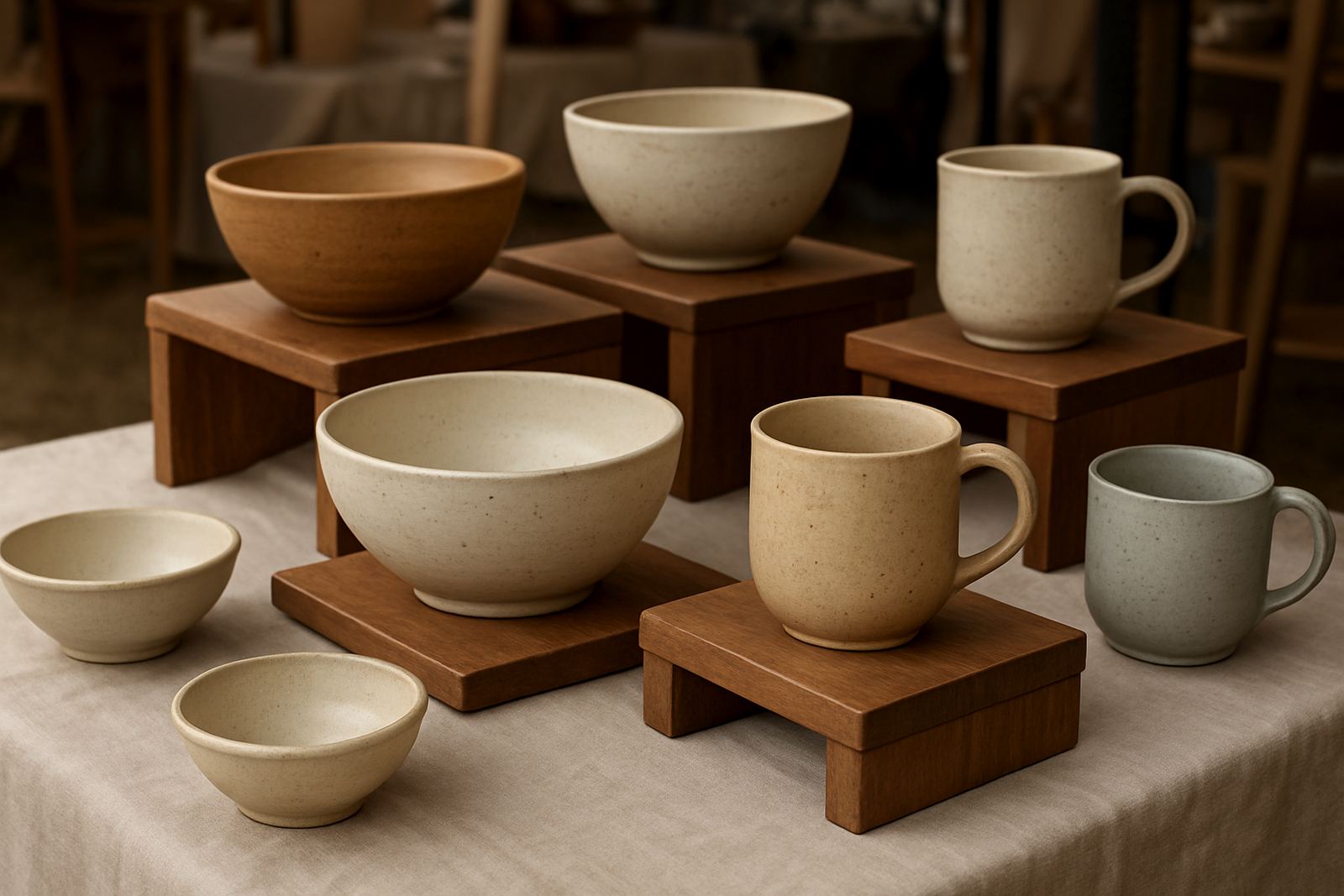
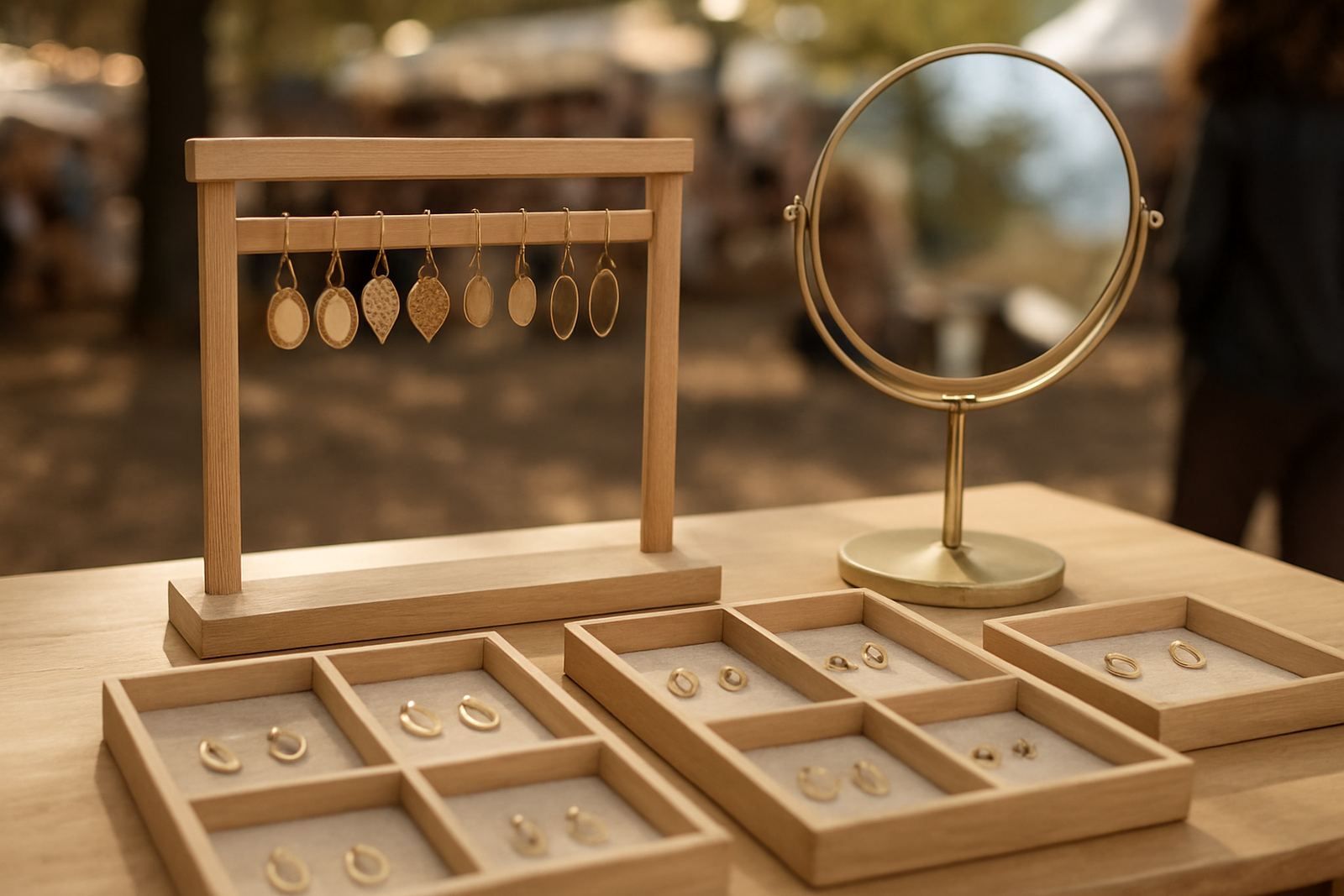
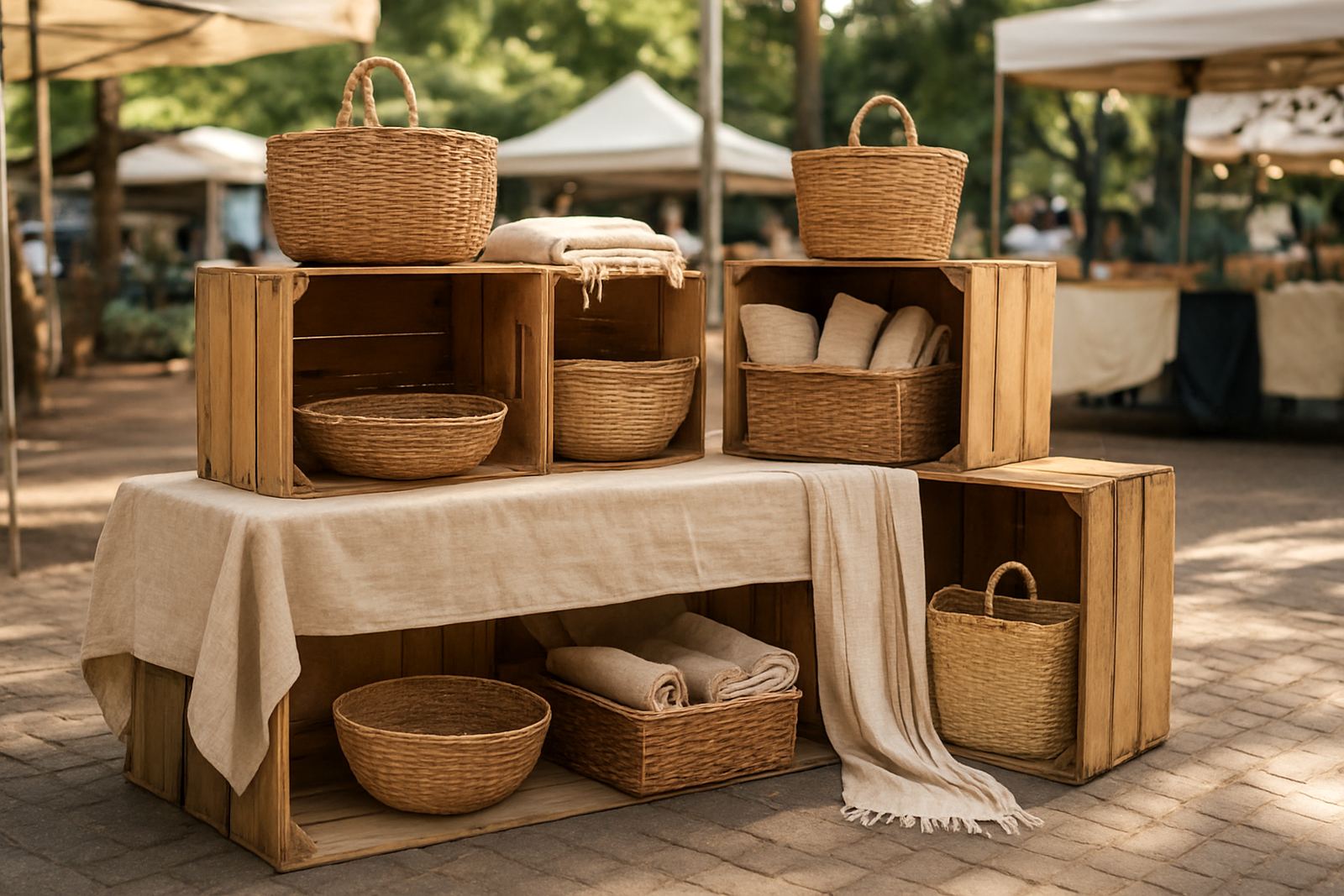
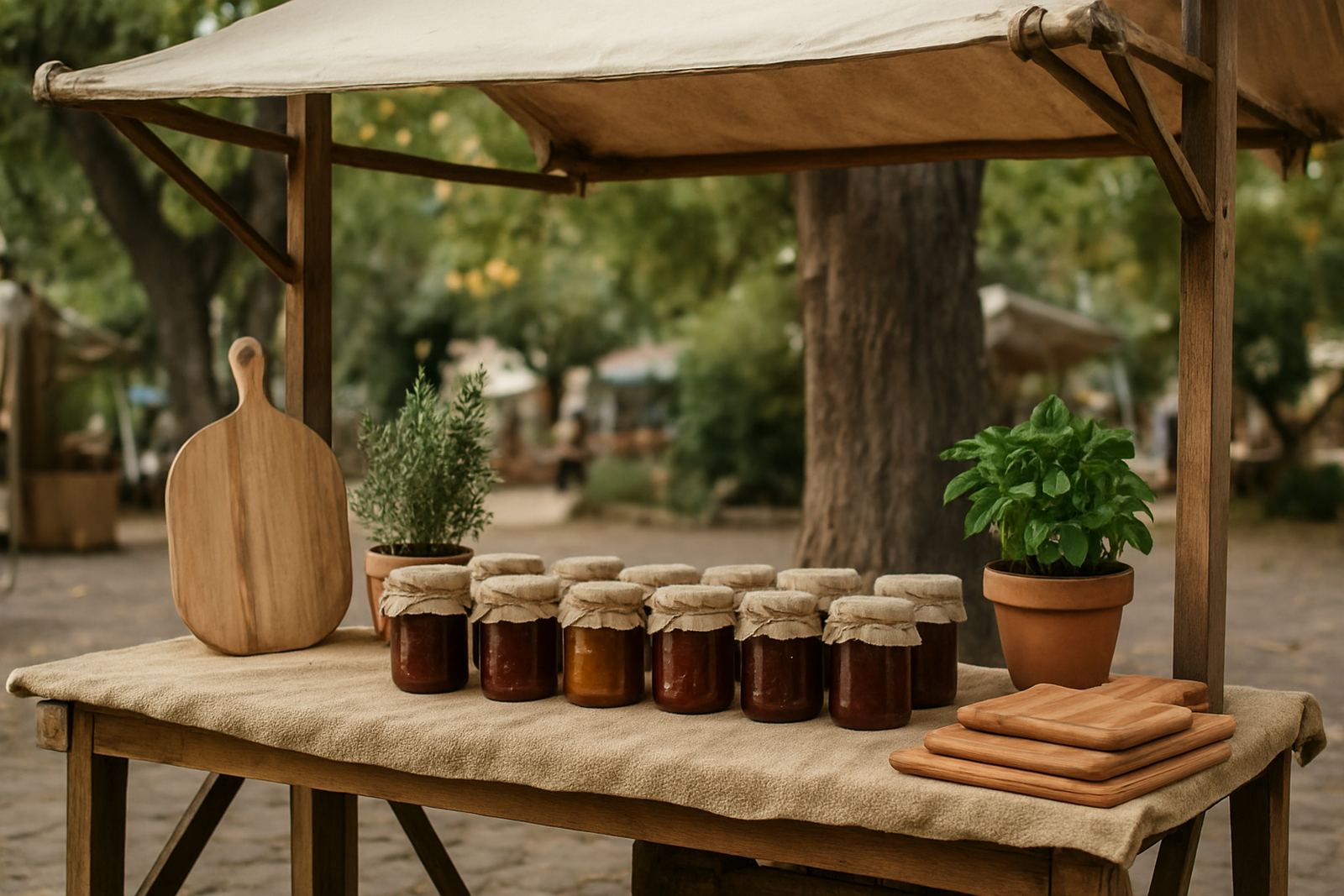
Different products need different prep. Food sellers have to think about temperature control, labelling and clean service. Craft sellers need to think about display, breakages and stock rotation. Gift makers often need a mix of both, because buyers want something that looks good and is easy to carry home.
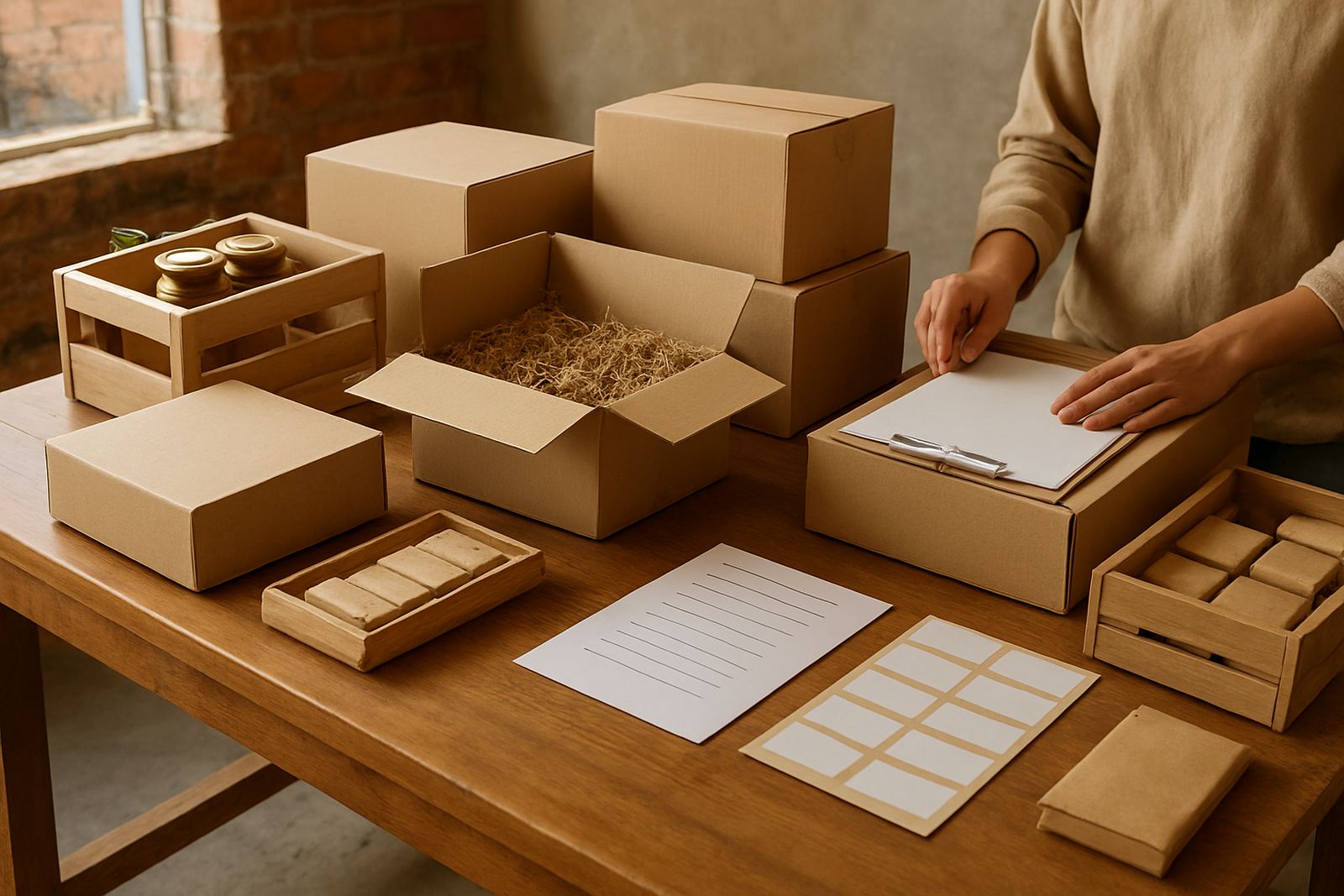
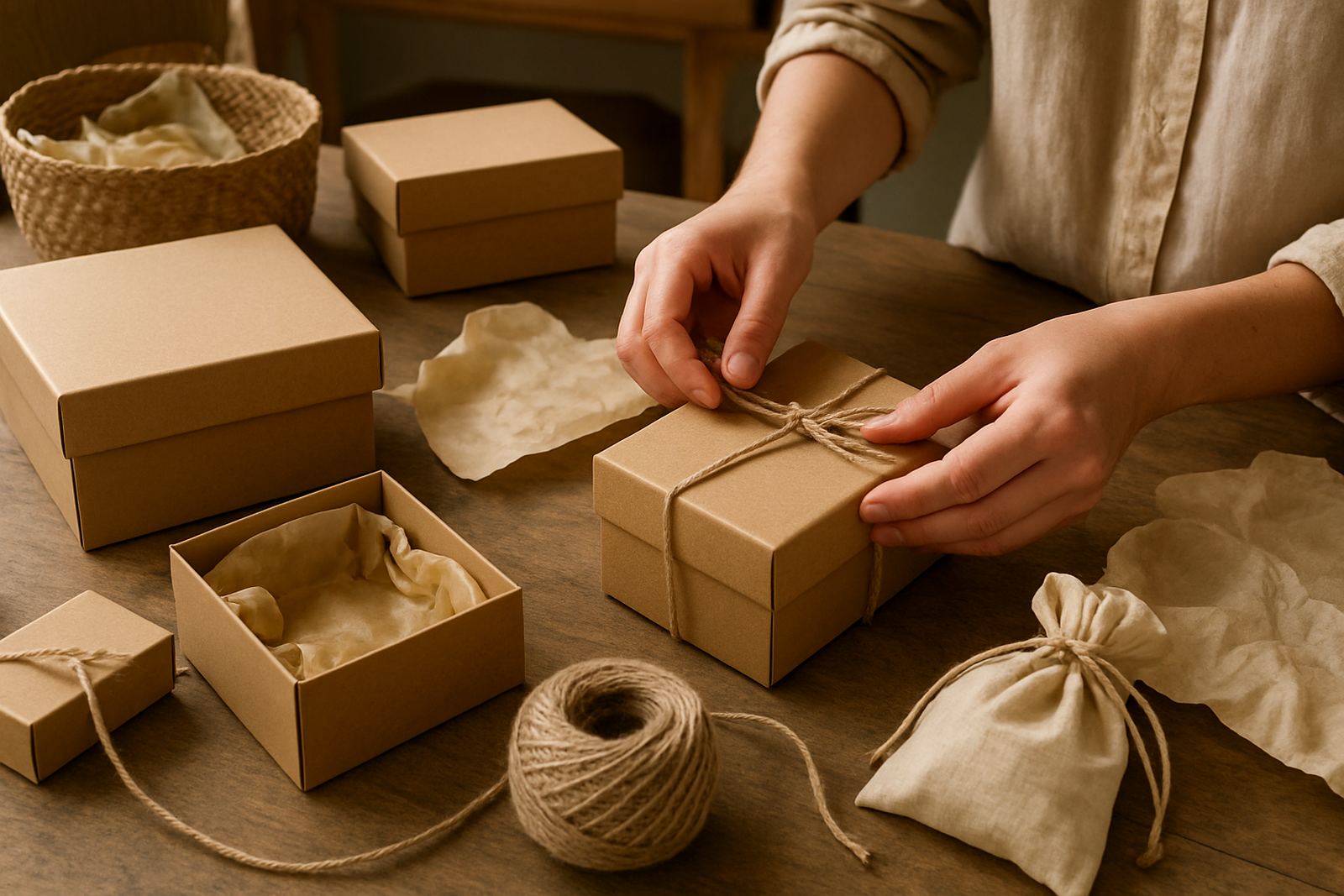
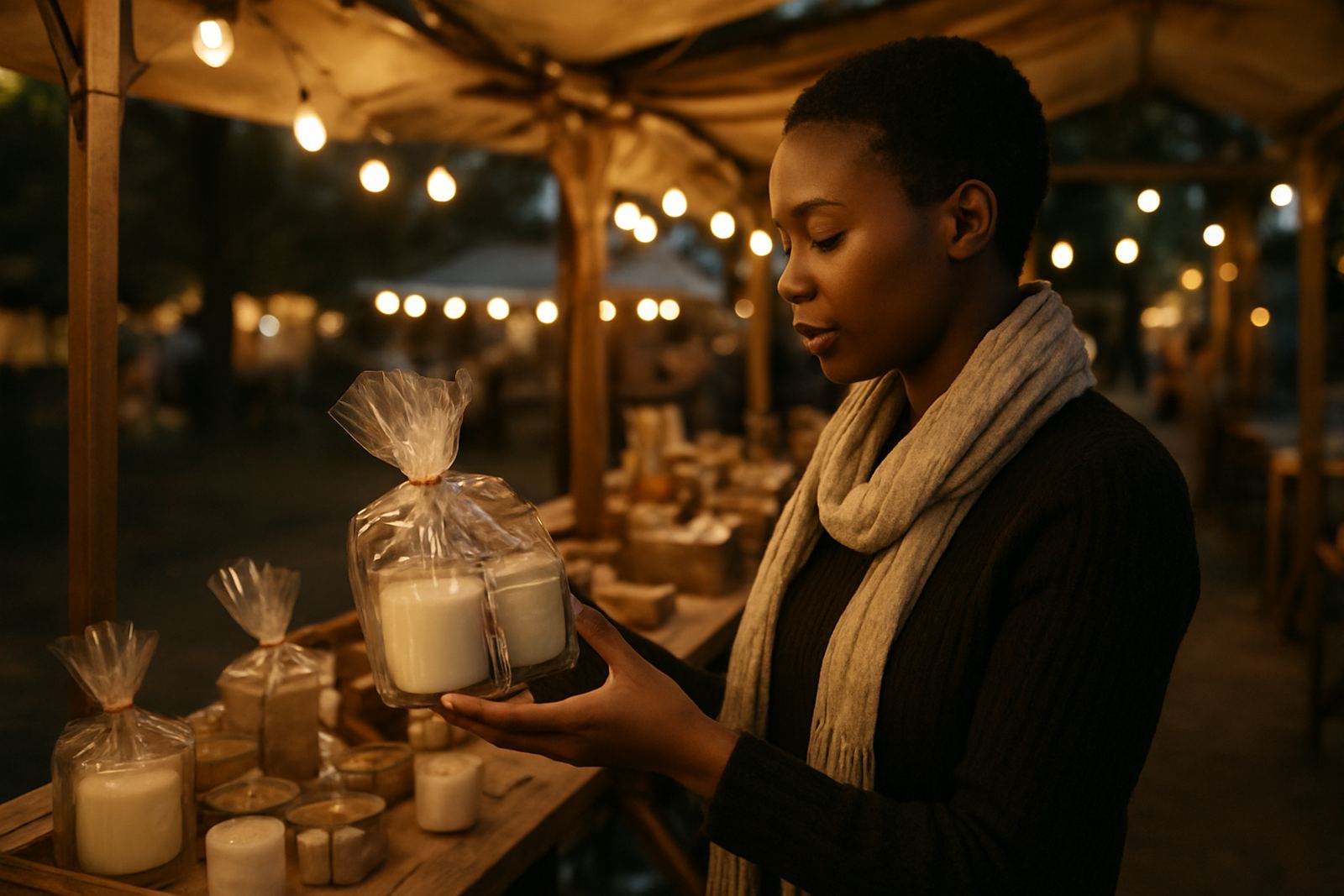
In these stories, we pay attention to the small details that make a sale easier. That can mean better packaging for transport, clearer pricing in Rand, or a display that works in bright sun as well as under tent shade. It is the kind of advice that helps on busy Saturdays in Brooklyn and on slower winter markets in Hatfield.
Why Community Matters At Every Market
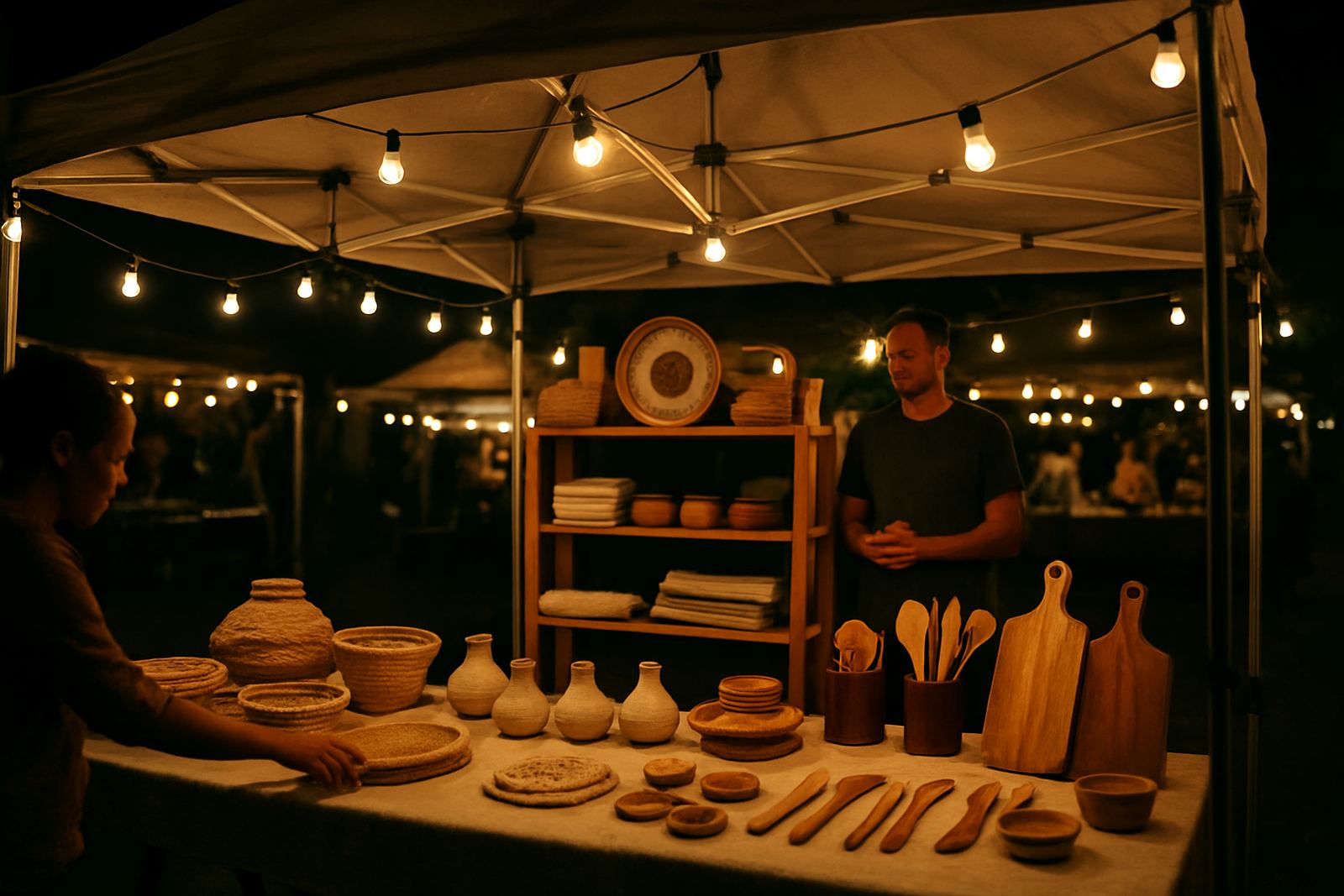
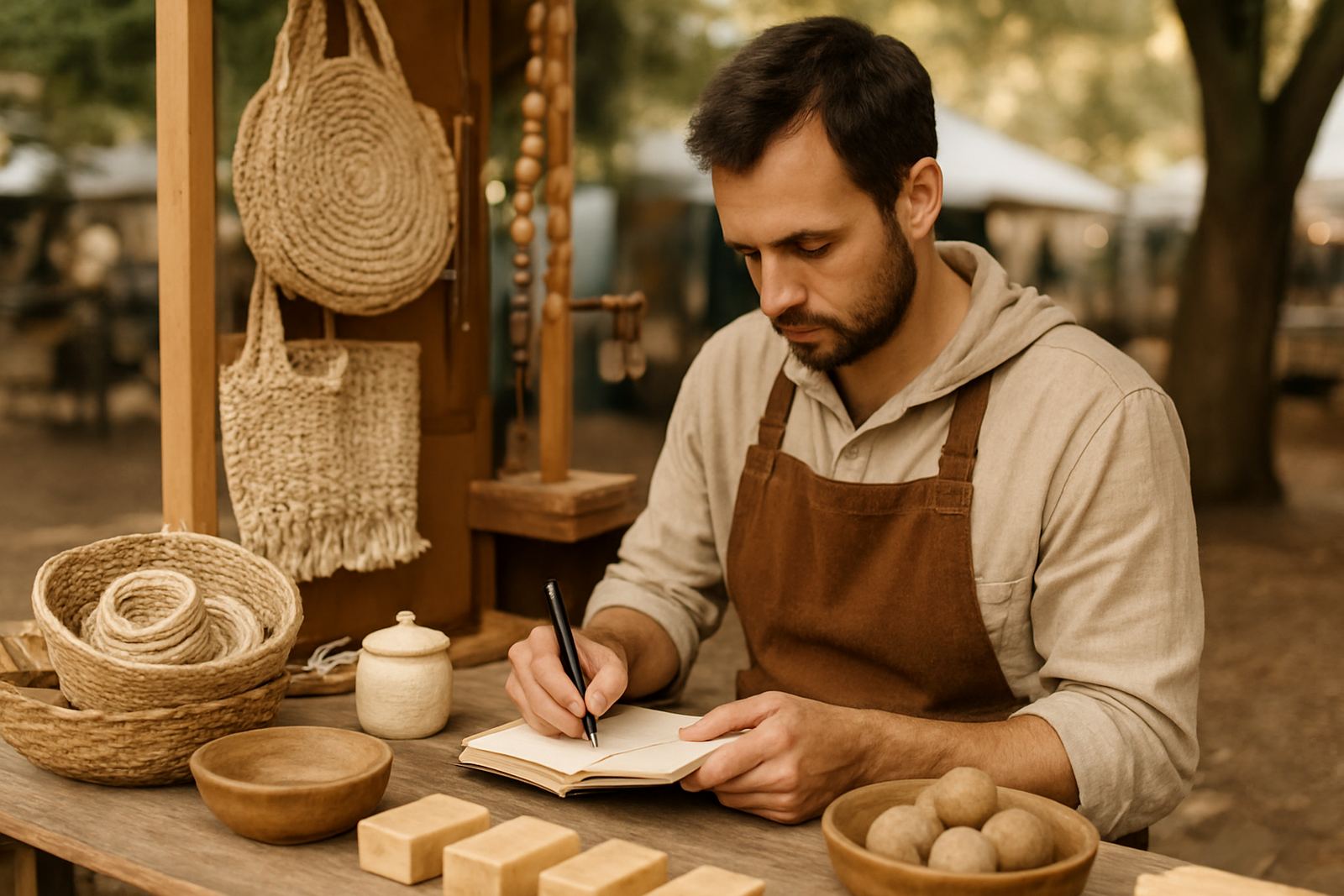
Markets work best when makers, organisers and shoppers understand each other. A maker night is not just about sales, it is also about meeting people, swapping ideas, and learning what customers ask for before they buy. That kind of feedback can shape new products, better wording on labels, or a simpler bundle offer.
These stories also show how small businesses support one another. A good market often becomes a regular meeting place for repeat buyers and new traders alike, and that consistency helps build trust over time.
Use The Stories To Plan Your Next Event
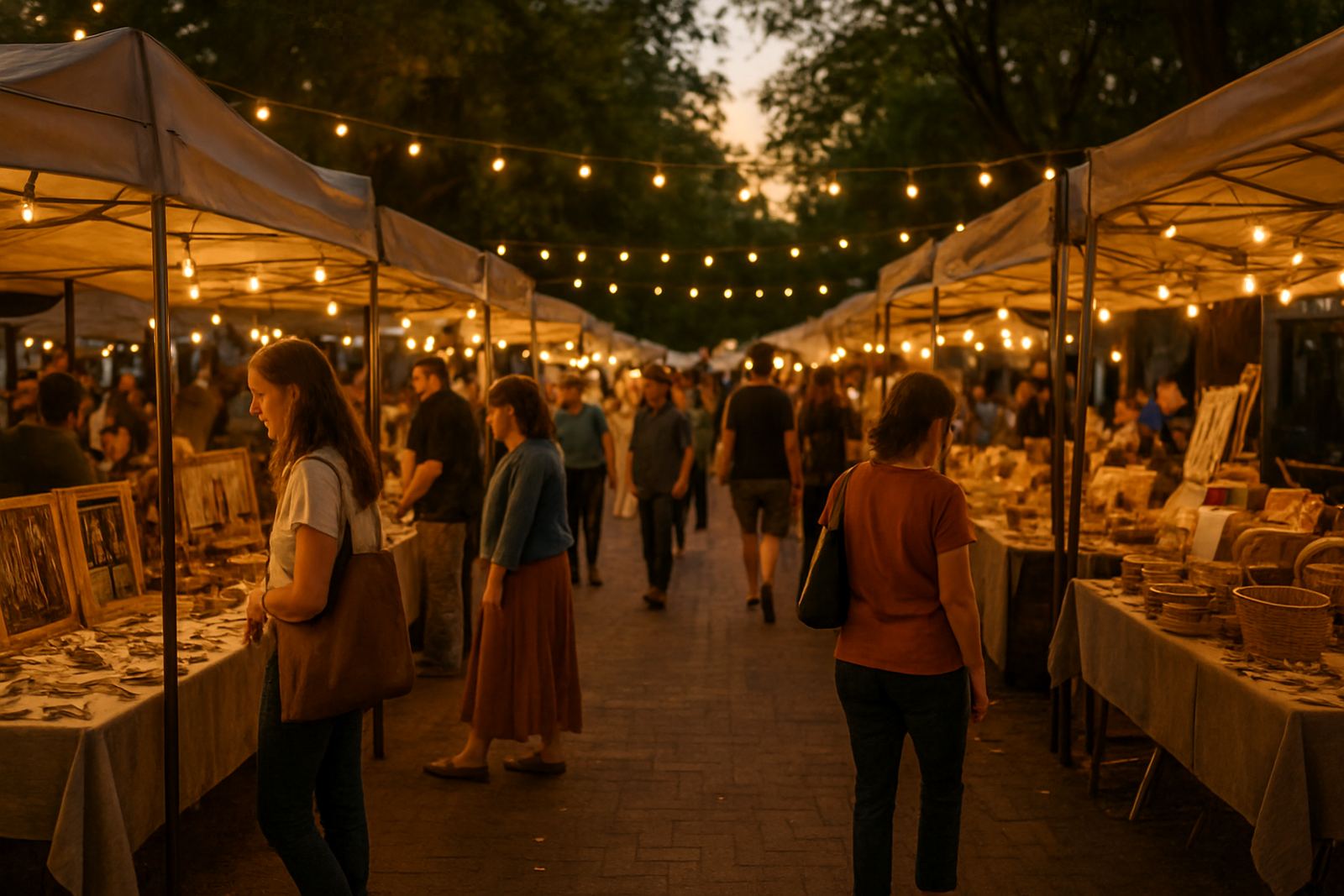
If you are choosing between Hatfield, Menlyn, Centurion or a nationwide pop-up, the stories can help you match the event to your stock and your trading hours. Some markets are better for families and browsing, while others suit quick lunch-time sales or evening maker nights. A little planning can save a long drive and a poor trading day.
- Match your trading hours to the expected crowd.
- Think about parking, access and unloading space.
- Check whether your stock suits a family crowd or a gift buying crowd.
- Review the weather and plan for shade, rain or strong wind.
Use Maker Stories as a practical guide, not just reading for interest. The best article is the one that helps you make one better decision before your next market.