
When retirement leaves room for the work you actually enjoy
Some people leave full-time work and miss the routine. Others miss the people. Then there are those who have spent years baking, sewing, woodworking, making preserves, shaping clay or building small things on weekends, but never had the time to see whether it could become more than a hobby. Retirement gives that time back.
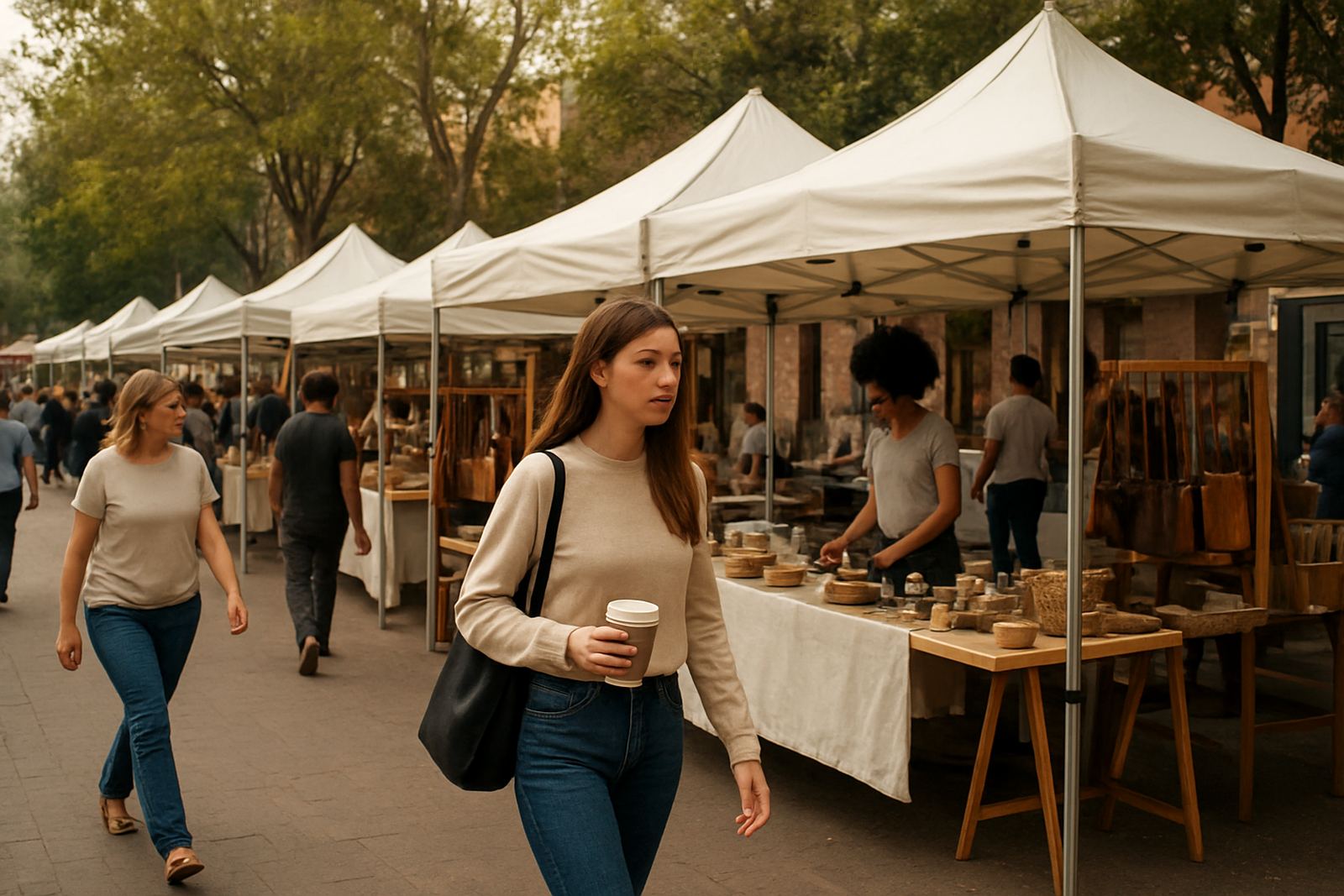
That shift can be deeply satisfying because the goal is not to build a large operation. It is to create a second chapter that pays its way, keeps hands busy and gives a reason to get out of the house on a Saturday morning. In Pretoria, many makers first test that idea at a Hatfield market or a weekend pop-up in Brooklyn or Lynnwood, where foot traffic includes students, young families and buyers looking for something with a story.
The best part is that the market is often already there. What needs to change is the way the hobby is presented. A person who made goods for family and friends for years suddenly has to think about pricing, packaging, stock levels and how to speak to strangers. That can feel daunting at first but it is very learnable.
Start with one product line, not the whole garage
A common mistake is trying to sell every craft item ever made. A market stall fills up fast and customers can get confused. If the hobby has many parts, choose one clear offer for the first few months. A retired baker might start with rusks, preserves and a single seasonal biscuit range. A woodworker could offer chopping boards, small shelves and one signature item. A maker of fabric goods may do tote bags, aprons and zipped pouches.
Keeping the range tight makes stock control easier and reduces waste. It also helps with pricing because you can see which items move and which ones sit at home. At our markets, the makers who do best often arrive with 3 to 8 products, each presented neatly and priced clearly. That focus builds confidence quickly.
- Choose products that can be made repeatably and packed safely for transport.
- Use materials you can source locally and replace without trouble.
- Keep one item at a lower price point so new buyers can try you without much risk.
- Leave space to add seasonal items later, rather than launching everything at once.
Pricing must cover more than ingredients and timber
Many retired makers price too low because they only count the raw materials. That is understandable, but it makes the business unsustainable. You need to include packaging, market fees, transport, breakages, electricity for tools, and your time. If a jar of chutney takes two hours to make and label, that time has value even if the kitchen is at home.
A practical method is to work backwards from your selling price. Decide what customers at a Pretoria weekend market are willing to pay, then calculate whether the item still leaves room for profit. If it does not, simplify the recipe, use a smaller pack size or move to a product with a better margin. It may feel strange at first, but pricing is what turns a hobby into a proper business.
Do not be shy to test the market. Put two or three price points on similar products and see what sells. Makers often discover that a slightly higher price actually improves sales because buyers read it as quality. It also helps if your stall makes the value easy to understand at a glance, especially in busy centres where customers walk past quickly.
A local example from Hatfield and the northern suburbs
Consider a retired teacher in Hatfield who spent years baking shortbread for church events and family birthdays. At first, she sold only at Christmas. Then she started attending a weekend makers market and found that her plain butter biscuits sold out before noon. After that she added lemon biscuits in winter, gift tins for December and small packs for office workers looking for something to take home.
What changed was not the recipe. It was the structure around it. She learned to label ingredients clearly, keep batch dates on each pack and use sturdy boxes because Pretoria afternoons can be hot, especially if stock is in the car for a while. She also found that customers liked hearing the story behind the baking, not in a salesy way, just in a friendly conversation about where it started.
That is the real value of maker markets and maker nights. They let a person test ideas without the pressure of a permanent shop. If the product is strong, it will show. If it needs work, the feedback comes quickly and usually kindly.
The small systems that make market days easier
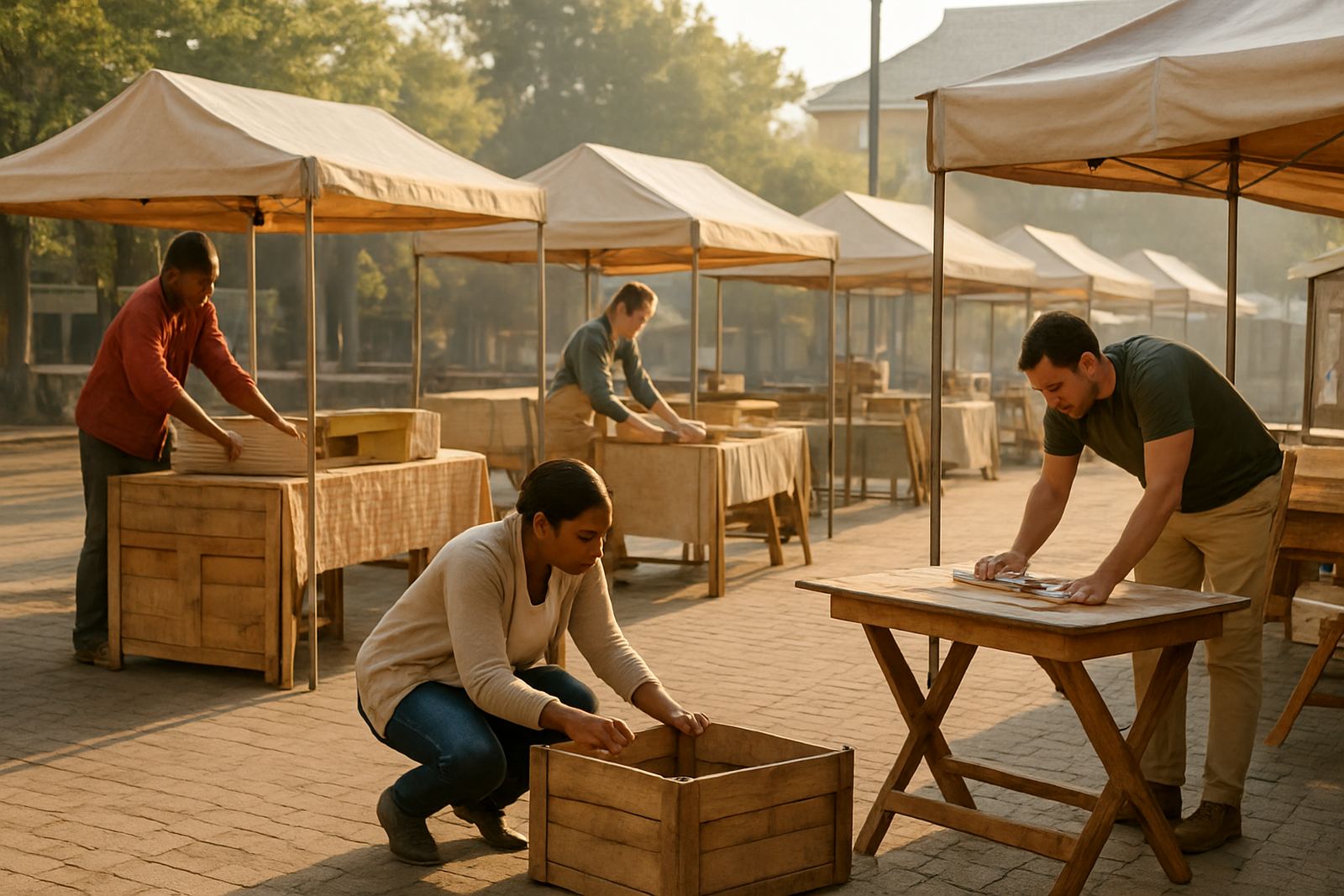
Retired makers usually do not need complicated systems, but they do need reliable habits. A proper setup makes a big difference on market day, especially when prep time is tight or when a windy afternoon means packaging must be weighed down. The stall should be easy to unpack, tidy and pack away again without strain.
Think in terms of repeatable routines. Pack stock the night before. Print labels in batches. Keep cash and card options ready. If you sell food, check municipal rules about preparation and display, and keep your paperwork in order. A simple checklist saves energy and helps you enjoy the day instead of worrying about what was forgotten.
- Use clear signage so buyers know what you make in the first five seconds.
- Keep prices visible and rounded where possible, for example R30 or R50.
- Bring change, wipes, water and a bag for waste.
- Protect delicate items from heat, dust and sudden rain.
- Leave enough room at home for stock storage, because overselling too soon creates pressure.
Community, confidence and the second chapter
One of the quiet benefits of moving from hobby to market stall is the social side. Retirement can sometimes feel smaller than expected, especially after years of being part of a busy workplace. A regular market changes that. You meet shoppers, other makers and families who come back month after month. The work still feels personal, but it no longer feels isolated.
It also gives structure to the week. A maker can spend Monday planning, Wednesday producing and Saturday selling. That rhythm can be healthier than trying to work every day without a schedule. For many older makers, the pride comes not from scale but from consistency. A small business that makes steady sales, looks neat and gets good word of mouth is a real success.
If the goal is a joyful second chapter, keep it manageable. Do not pressure yourself to become something it is not. Let the business fit your life, not the other way round.