First impressions happen before the price tag is read
Most people do not arrive at a market ready to buy everything they see. They arrive half looking, carrying coffee, a child’s hand, a tote bag and a short list in their head. That means the stall has to do the early work. In the first few seconds, shoppers notice whether the stand feels calm or cluttered, whether there is enough light to see details, and whether the maker looks ready for a conversation.
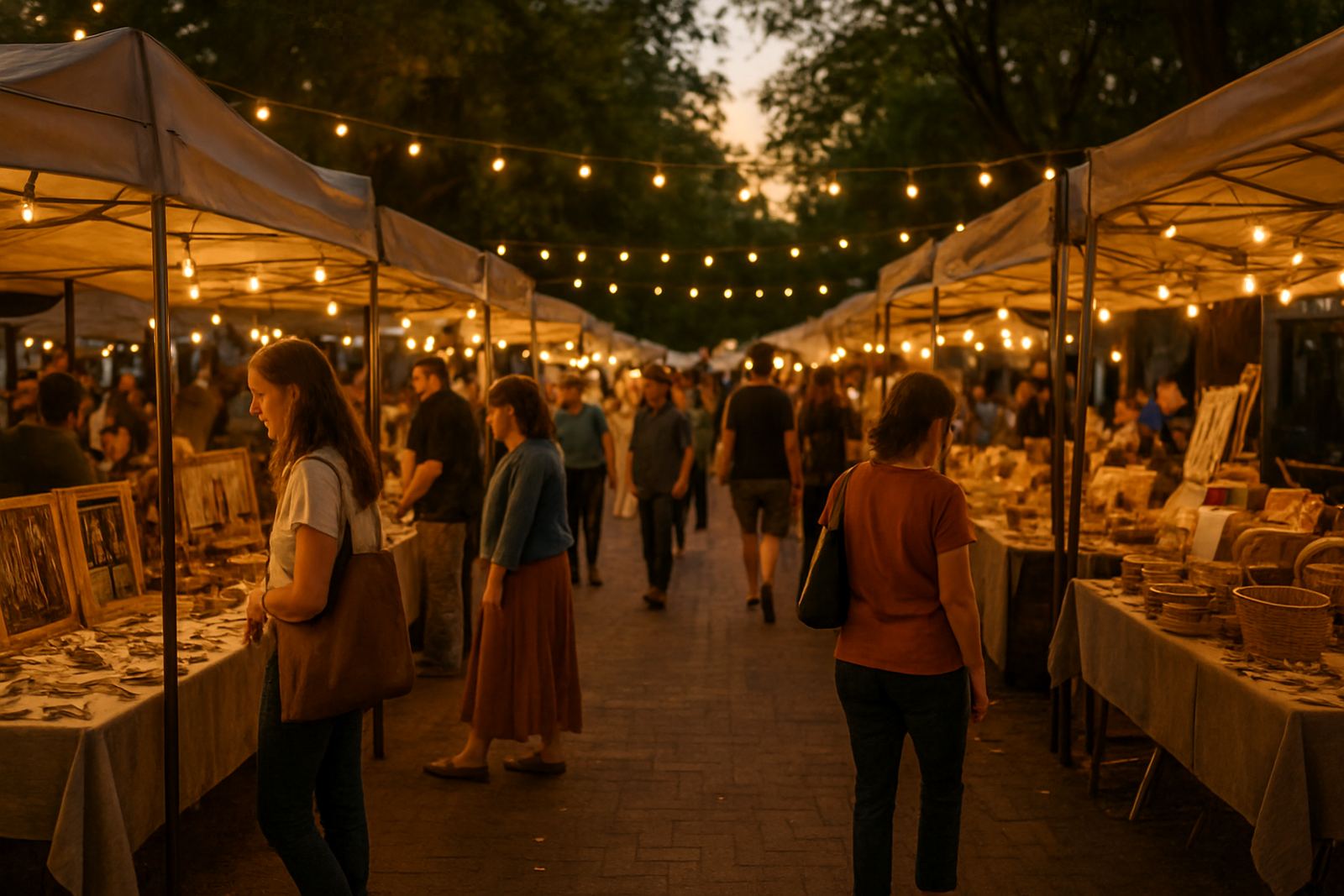
At Hatfield Markets, where foot traffic often includes students, families and office workers, the stands that get attention are not always the biggest. They are the ones that make it easy to slow down. A neat table height, clear product grouping and one strong visual cue can stop someone who was walking past. If your stall is crowded with too many colours, too many containers or too many messages, the eye has nowhere to rest.
- Keep your best items at eye level
- Use one main colour family, then add a smaller accent colour
- Leave some open space so products can breathe
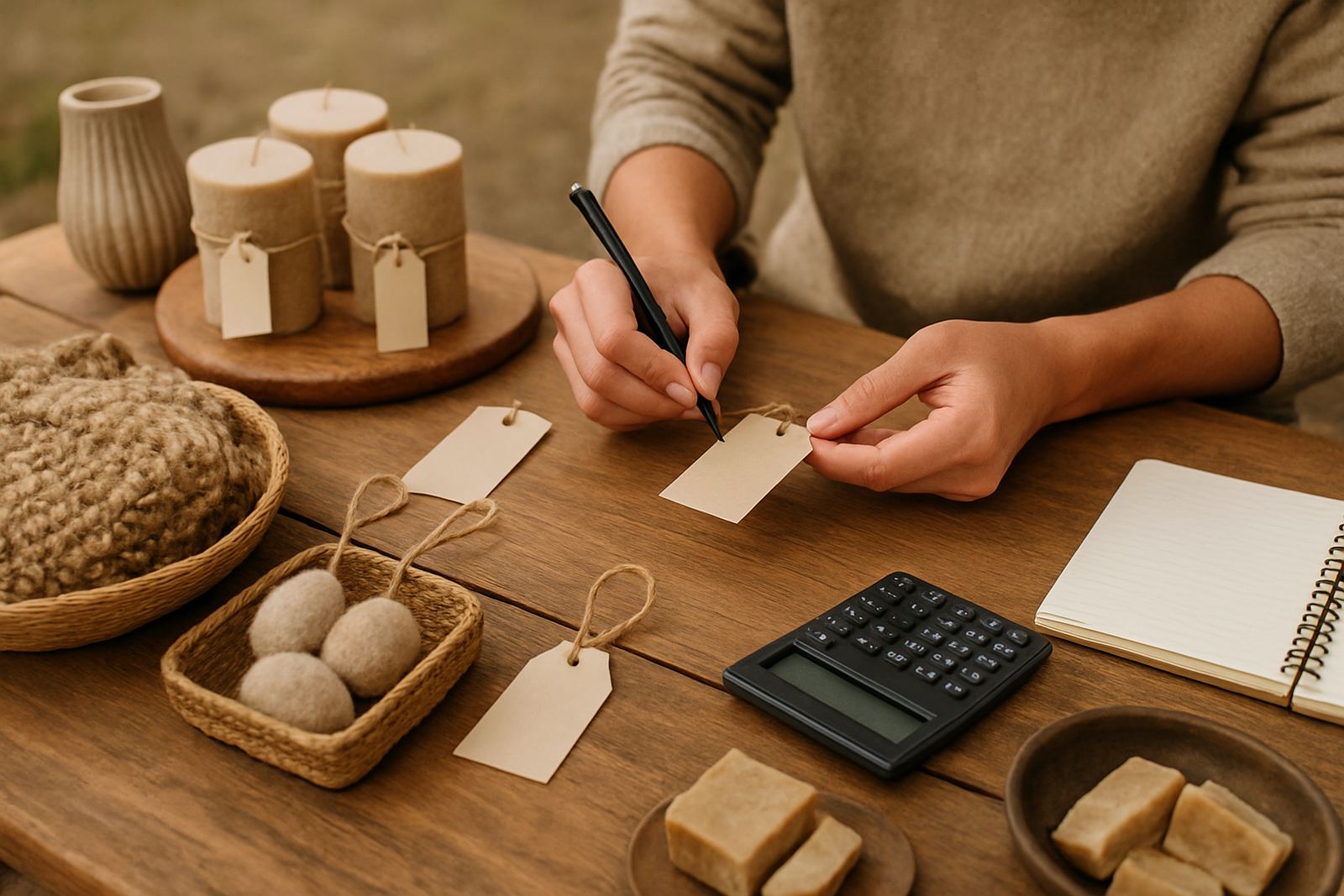
- Make prices easy to find without asking
Colour does the stopping, but only if it is handled with care
Colour is often the first thing a shopper sees from across the aisle. It can pull people in, but it can also push them away if it is too noisy or too mixed. Handmade soap, baked goods, candles, pottery and fabric items each need different treatment. Bright colour can work for a playful product range, while natural tones suit food, homeware and slow-made craft better.
South African shoppers are used to market stalls that sit in strong sun one hour and under shade cloth the next, so colour also needs to hold up in changing light. In Pretoria, pale pastels can look washed out in midday glare. Rich greens, ochres, reds and deep blues often stay visible from a distance. If your packaging is transparent or reflective, test it outdoors before market day so you know what the stall will look like at 9 am and again at 1 pm.
- Use colour to lead the eye to one hero product
- Match packaging labels across the range for a tidy look
- Avoid mixing too many bright shades in one small stall
- Check how colours look under shade netting and direct sun
Height helps shoppers see value without crowding the table
A flat table can make even a strong product range disappear. Height gives the eye something to travel over and it creates a better sense of value. Shoppers naturally look upwards and across, so a small stand, crate, riser or tiered display can make the table feel fuller without adding clutter. This matters in weekend markets where people move quickly and only give each stall a brief look.
For makers selling jars, packaged snacks, prints or small homeware items, stacking at different levels helps separate products by type and price. Just make sure the display is stable, especially when the wind picks up in open areas or you are relying on battery lights and no extra equipment. A display that wobbles sends the wrong message. A display that is neat, solid and easy to browse feels professional even when the market is busy.
- Place a few taller items at the back to frame the table
- Use boxes, crates or stands to create 2 or 3 display levels
- Keep the front edge open so customers can lean in comfortably
- Do not block smaller products behind the tallest stock
Smell can bring people closer, or send them away
Smell is one of the strongest ways to get attention at a market, especially for food stalls, candles and personal care products. Fresh bread, roast coffee, spices and warm pastries can draw a crowd almost on their own. But smell needs control. Too much fragrance, strong frying oil or heavy scent from multiple products can make a stall hard to stand near. That is a quick way to lose shoppers who might otherwise have stayed.
Food stall owners need to think about what the smell says before the first bite. If a product is rich and savoury, keep serving areas clean and covered. If you are selling sweet items, avoid mixing competing scents in the same space. Coastal humidity, summer heat and long event days can change how aromas carry, so what smells fine at home may feel overpowering in a packed market tent. Test your setup before you trade.
- Use smell to highlight one clear product story
- Keep bins, wipes and serving tools out of sight but close by
- Cover food properly while still allowing a little aroma to escape
- Do a quick smell check after an hour in the sun
Friendliness starts with body language, not only words
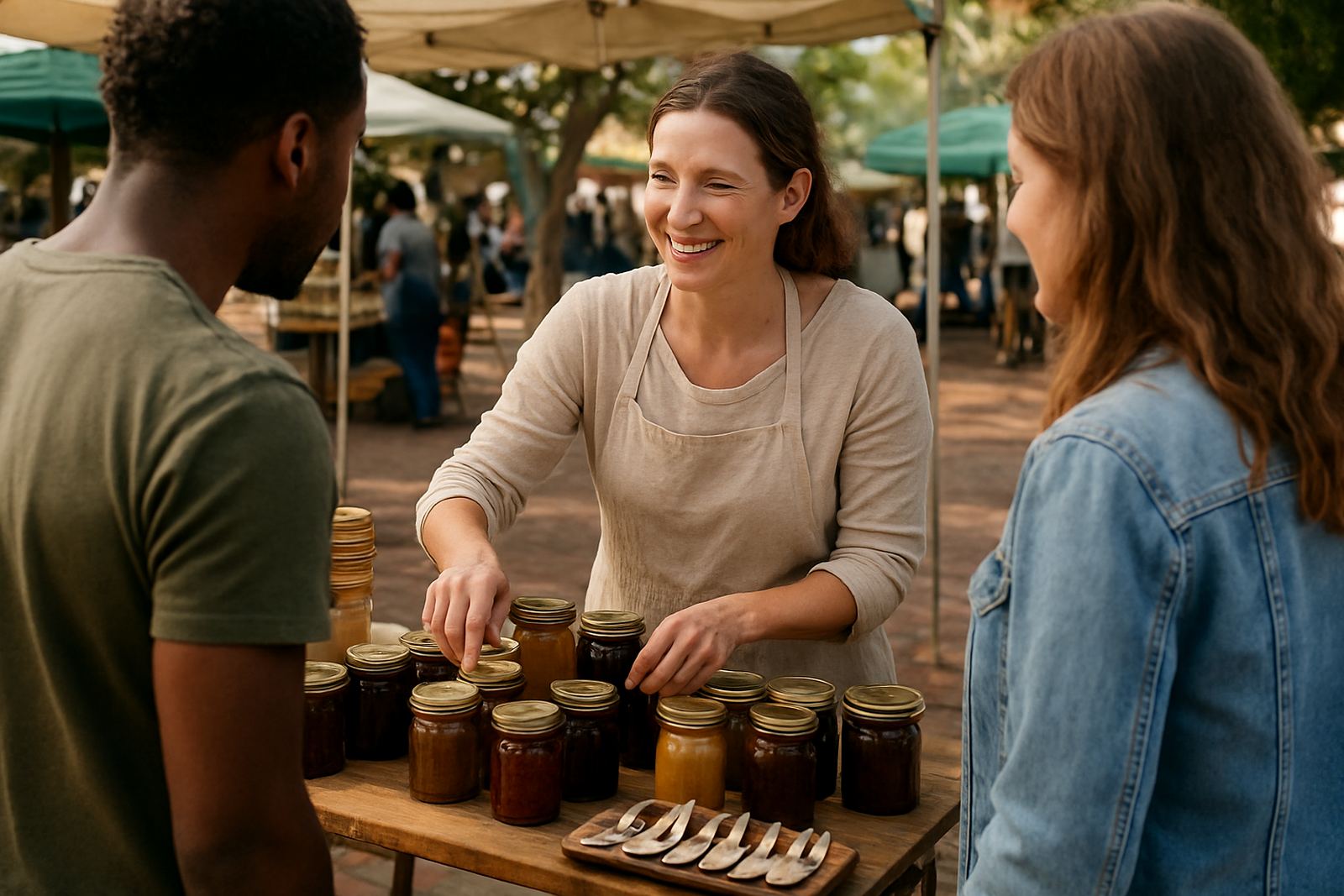
Many shoppers decide within moments whether a stall feels welcoming. A maker who looks busy but available will usually do better than one who waits passively behind the table. A smile, eye contact and a simple greeting make the space feel open. In South Africa, people often want a quick chat before they buy, especially at community events where they are supporting local businesses on purpose.
That does not mean talking too much. A friendly stall keeps the first interaction easy. If shoppers feel cornered, they leave. If they feel ignored, they also leave. The best approach is to greet, give space, then step in when they signal interest. At maker nights and weekend markets in Pretoria, this balance matters because many visitors are there for the outing as much as the shopping. They want to feel seen, not sold to.
A simple introduction can help: say what the product is, why it is made, and what makes it different. If a customer asks about ingredients, care instructions or custom options, answer clearly and without rushing. Confidence is part of friendliness too. It shows you know your product and respect the buyer’s time.
A Hatfield example: what works when the crowd is mixed
Picture a Saturday morning in Hatfield. A student stops for coffee, a parent arrives with a child in tow, and someone from nearby offices is looking for a gift before lunch. The stall that wins attention is usually the one that answers all three needs at once. It is visible from a distance, easy to browse in one minute and welcoming enough to turn a glance into a conversation.
That might mean handmade soaps arranged by scent family, with the strongest colour at the back. It might mean jars of chutney on a raised crate, priced clearly and labelled with ingredients. It might mean a baker offering samples on a small tray while keeping the main serving area tidy. The common thread is clarity. When shoppers know what they are looking at, who made it and how to buy it, they relax and spend longer at the stall.
In Hatfield, the best first impression is usually practical, not flashy. Shade that works, packaging that holds up, prices that are easy to read and a maker who looks glad to be there. That combination gives shoppers confidence and it often leads to a second visit at the next market too.
What to check before gates open
First impressions are easier to manage when the setup is checked before trading starts. A stall can be attractive and still lose shoppers if labels are missing or the payment process is awkward. Before opening, walk past your own stand as a customer would and look for the small things that break trust.
- Can someone tell what you sell in five seconds?
- Are the prices visible from standing height?
- Is the stall tidy enough after wind, dust or a rush of customers?
- Can a shopper smell or see the product without touching everything?
- Does the greeting feel warm but not pushy?
If those answers are mostly yes, the stall already has a better chance of converting browsers into buyers. That is what good market presentation does. It takes the pressure off the first question and makes the next one easier.