Why evening shoppers notice atmosphere first
At a maker night, most visitors arrive after work, often with limited time and a clear idea of what feels worth browsing. They are not just looking at products, they are reading the whole setting in seconds: is it bright enough to see details, can they hear a seller without shouting, and does the space feel calm enough to linger with a coffee or a snack?
That is why the mood of the market matters as much as the stock on the table. Good evening trade is built on comfort and clarity. A warm light over a tray of earrings or a small shelf of preserves helps people slow down. Harsh glare, noisy music and clutter send them on quickly, even if the goods are excellent.
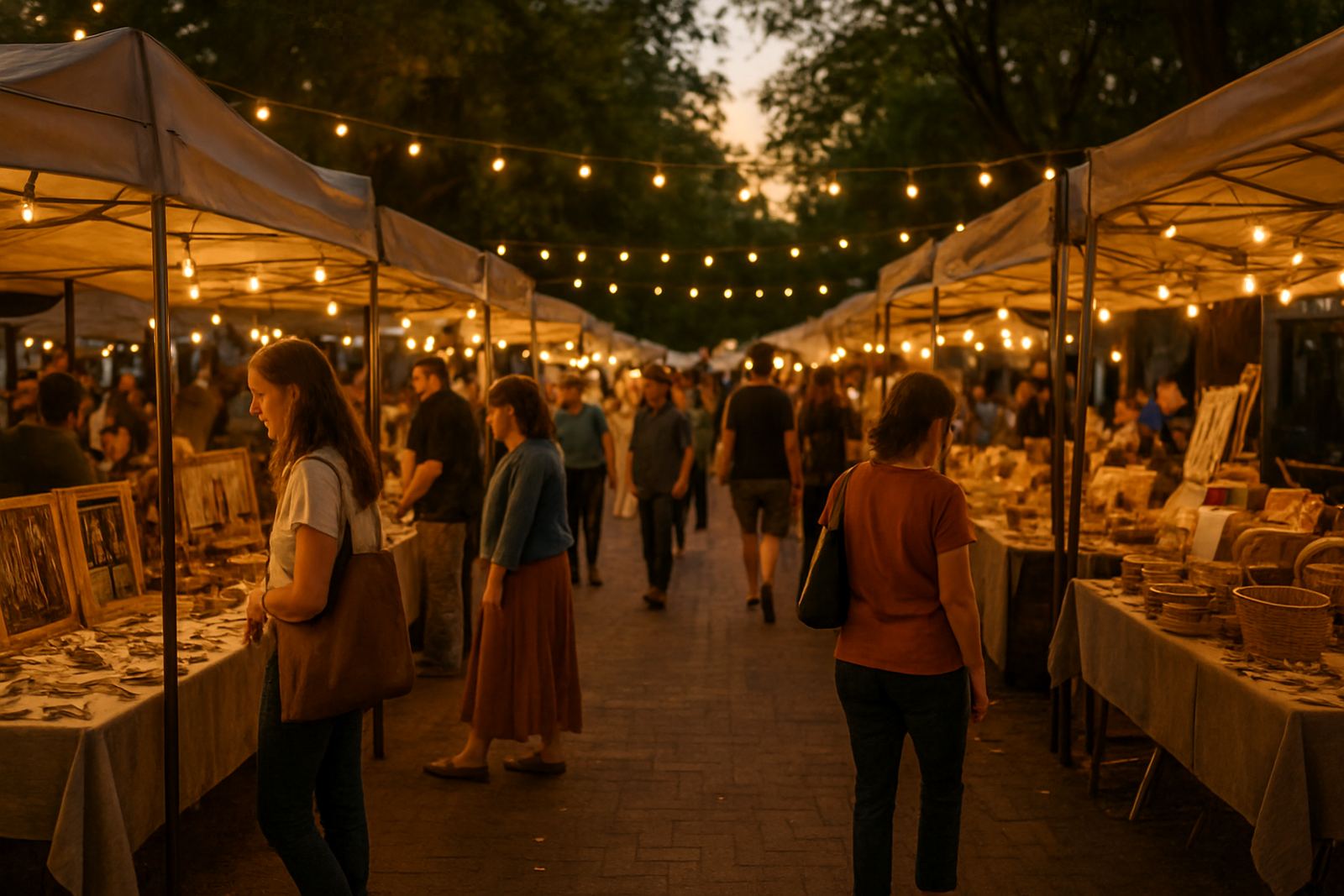
For Pretoria winter nights, this becomes even more important. By 6pm the light drops fast and the air can be chilly, so people tend to move toward the warmest, best lit areas first. In Hatfield, where many visitors come straight from campus, offices or nearby flats, the market has to feel easy to enter and easy to shop without fuss.
Lighting that helps products sell after sunset
Lighting is the first practical job at a maker night. It must guide feet, show colour accurately and make small goods visible from a few metres away. A stall selling soap, candles, jewellery or homeware can lose sales if the light flattens texture or makes colours look dull.
Use light in layers. A little overhead light helps the whole stall read as open and safe. Then add focused light on the products that need attention. Warm white lighting often suits handmade items better than bright blue light because it feels easier on the eye and softer on skin tones.
Keep the setup simple and neat, especially where brightness may change during the evening. Battery lights, charged lanterns and well placed extension leads can keep a stall working when the venue lighting dips. The aim is not to create a show, just enough light for people to browse with confidence and without strain.
- Test lighting on the actual products before market day, not at home in the lounge.
- Check for shadows over price tags, sample boards and payment points.
- Use one brighter point near the front to draw people in, then softer light inside the stall.
- Avoid mixing too many colours of light, it makes the space feel untidy.
Music that holds people without blocking conversation
Music can support the market mood or break it completely. At night, shoppers usually want a sense of energy, but they still need to hear a seller explain ingredients, sizing or collection times. When music is too loud, people stop asking questions. When it is too quiet, the market can feel flat and empty.
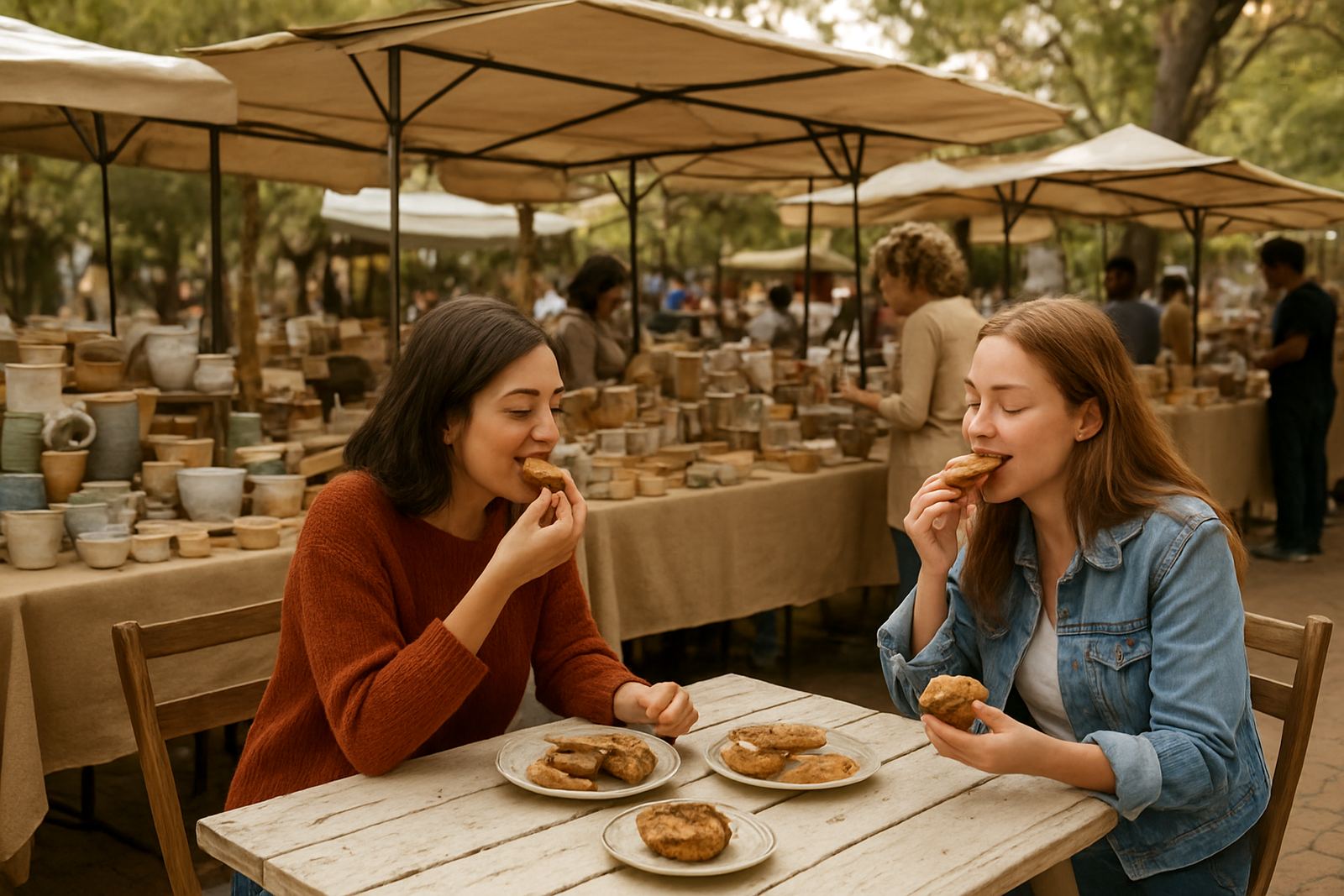
The best evening sound is steady, not dramatic. It should give the walkway a pulse while leaving space for conversation at every stall. For food stalls and tasting tables, this is especially important because customers often decide after a short chat and a sample. If they need to lean in and repeat themselves twice, many will simply walk away.
In a Pretoria maker night, sound also helps shape where people gather. A calm rhythm near the seating area, slightly more movement near the entrance, and quieter pockets around workshops or children’s tables can make the whole venue feel more organised. That small balance keeps guests there longer and usually improves spend per visit too.
- Keep the volume low enough for a normal speaking voice at arm’s length.
- Pause or lower music briefly for announcements and demo sessions.
- Match the music to the market type, family evenings need a different feel to late maker networking nights.
- Check how the sound carries around corners and under cover, not just near the speaker.
Compact displays that make small spaces work harder
Maker nights usually reward stalls that are compact, tidy and easy to scan. Visitors move in waves, so a display that is too spread out can look half empty and difficult to read. A tighter layout helps buyers understand the range quickly, which matters when people are only stopping for ten minutes between dinner and heading home.
Think in vertical space. A folded runner, a riser box, a small shelf or a hanging rail can lift products into view without taking up extra floor area. This works well for cards, ceramic mugs, spice jars, stitched goods and small batch skincare. For food stalls, it helps to keep sample items near the front and stock tucked neatly behind or below the main line of sight.
Compact does not mean cramped. Leave enough room for a bag, a payment device and one person standing in front of the display. If the table becomes a wall of product, shoppers may not know where to begin. If it is too bare, they may assume there is not much on offer. A neat balance sells better than a crowded one.