

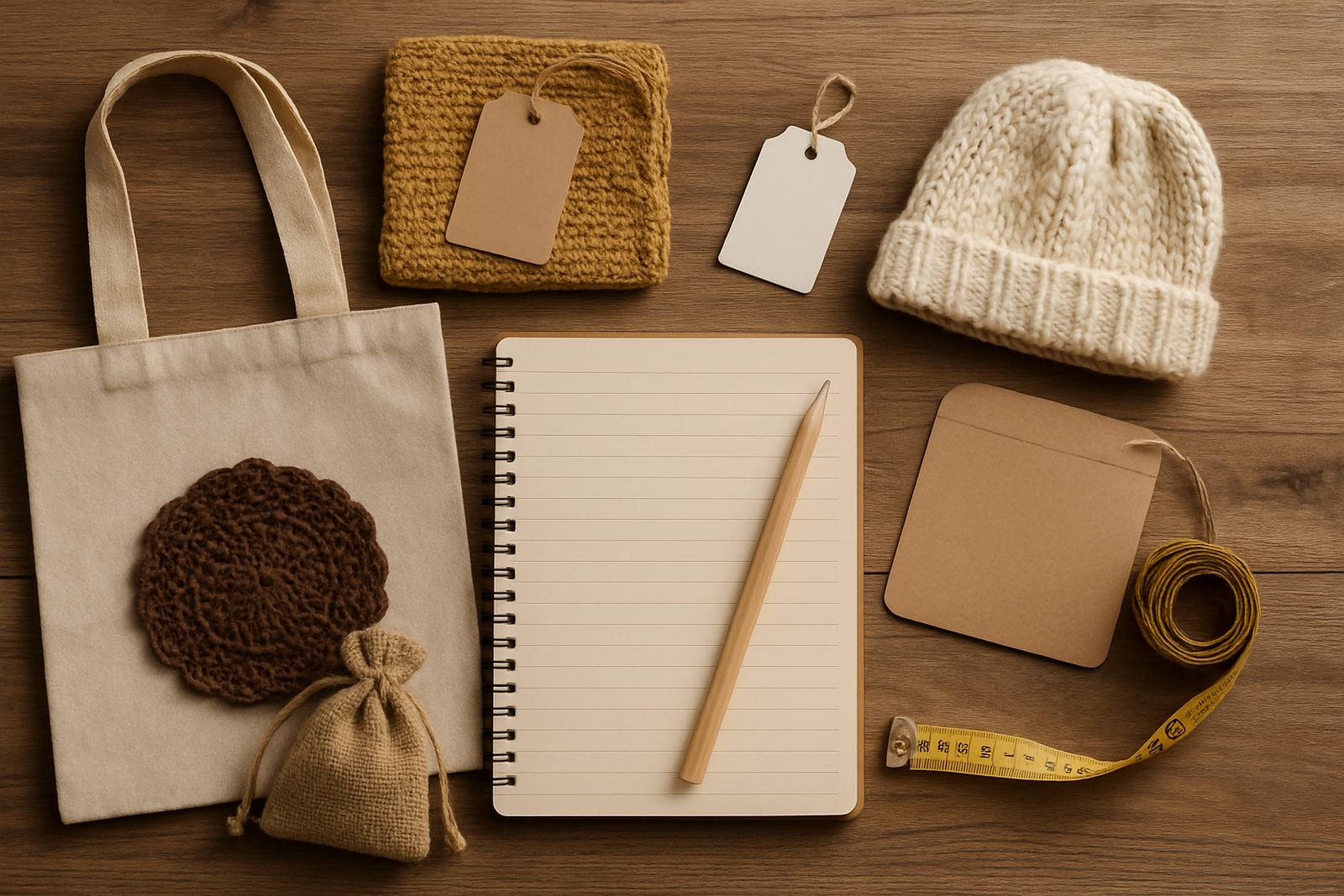
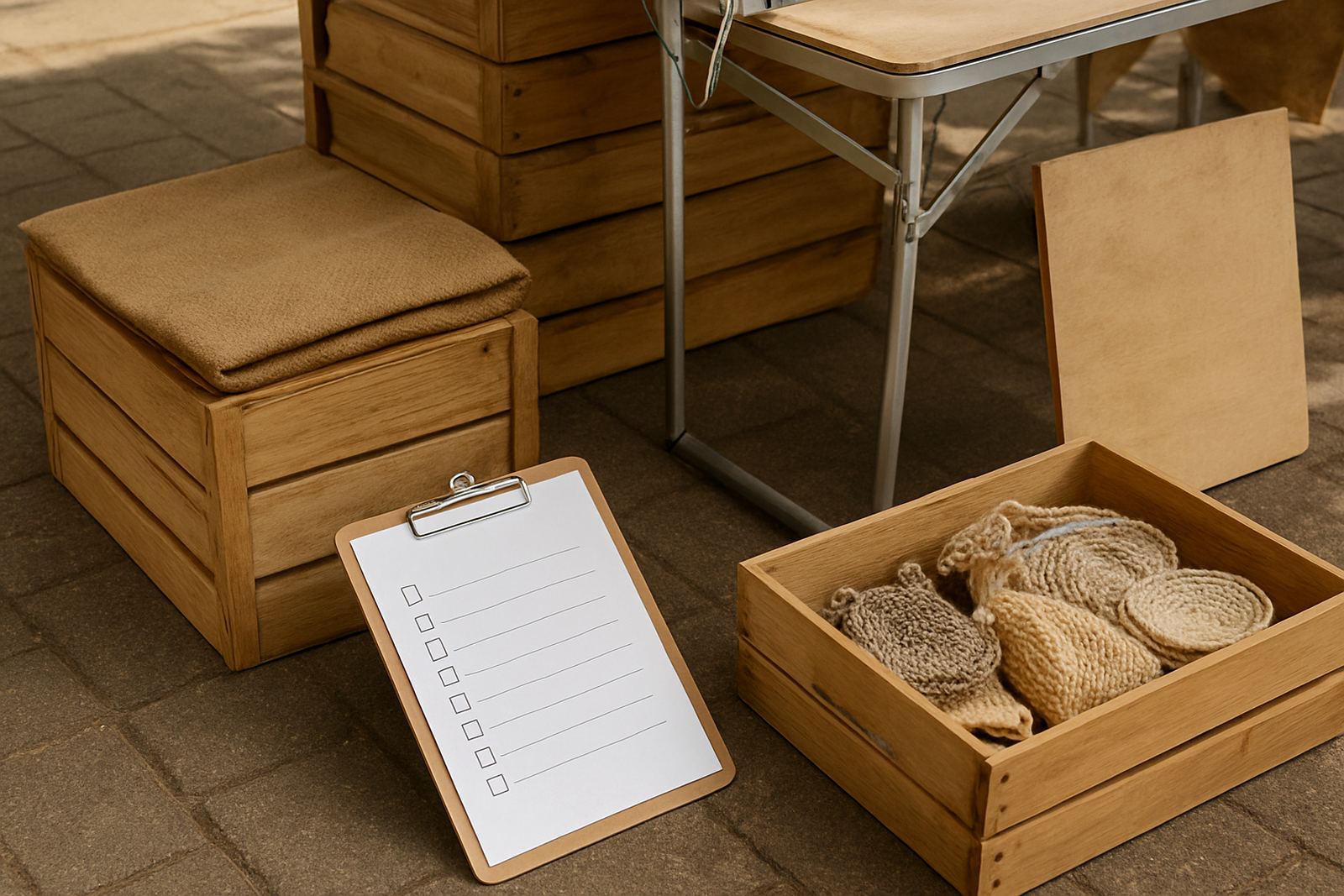
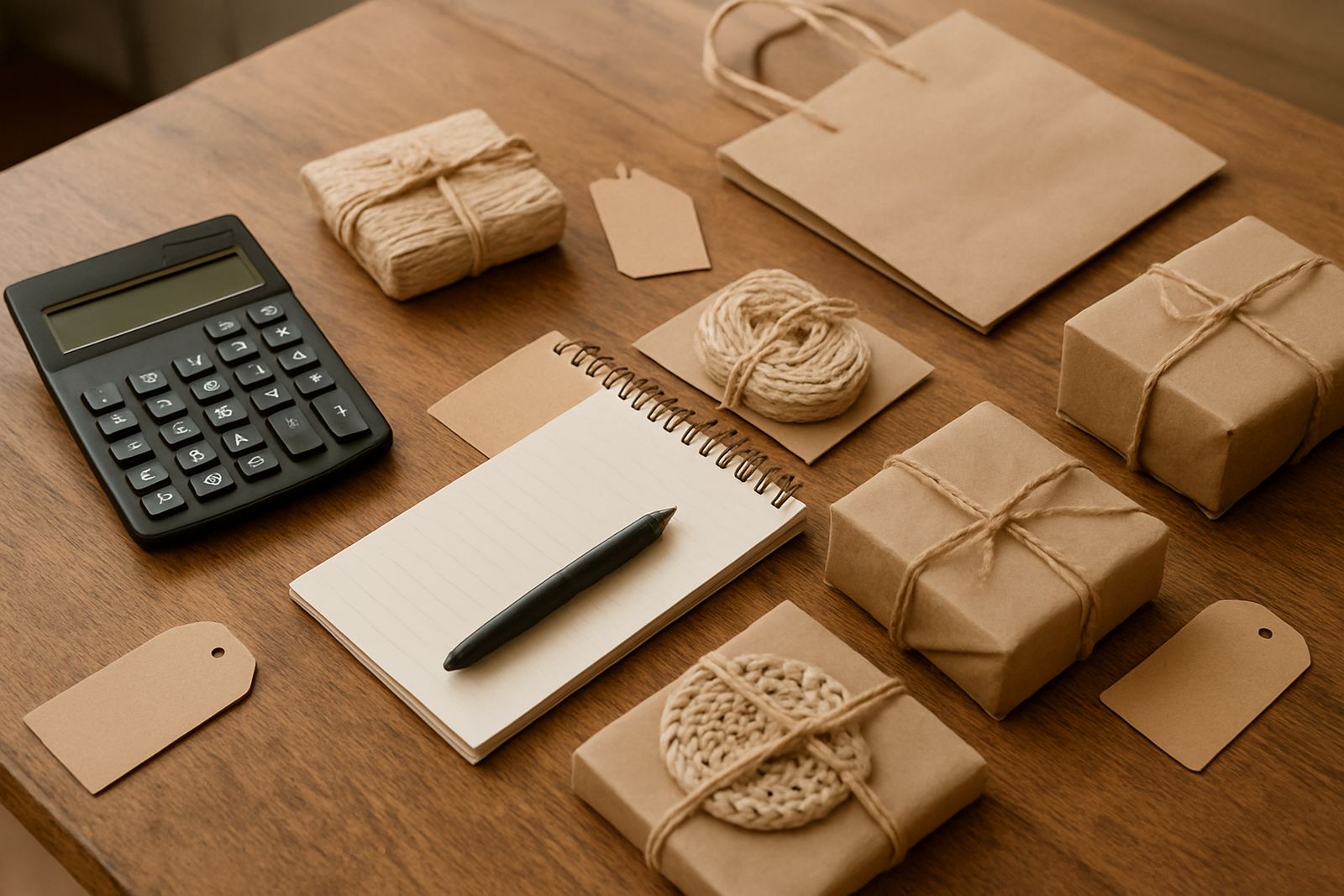
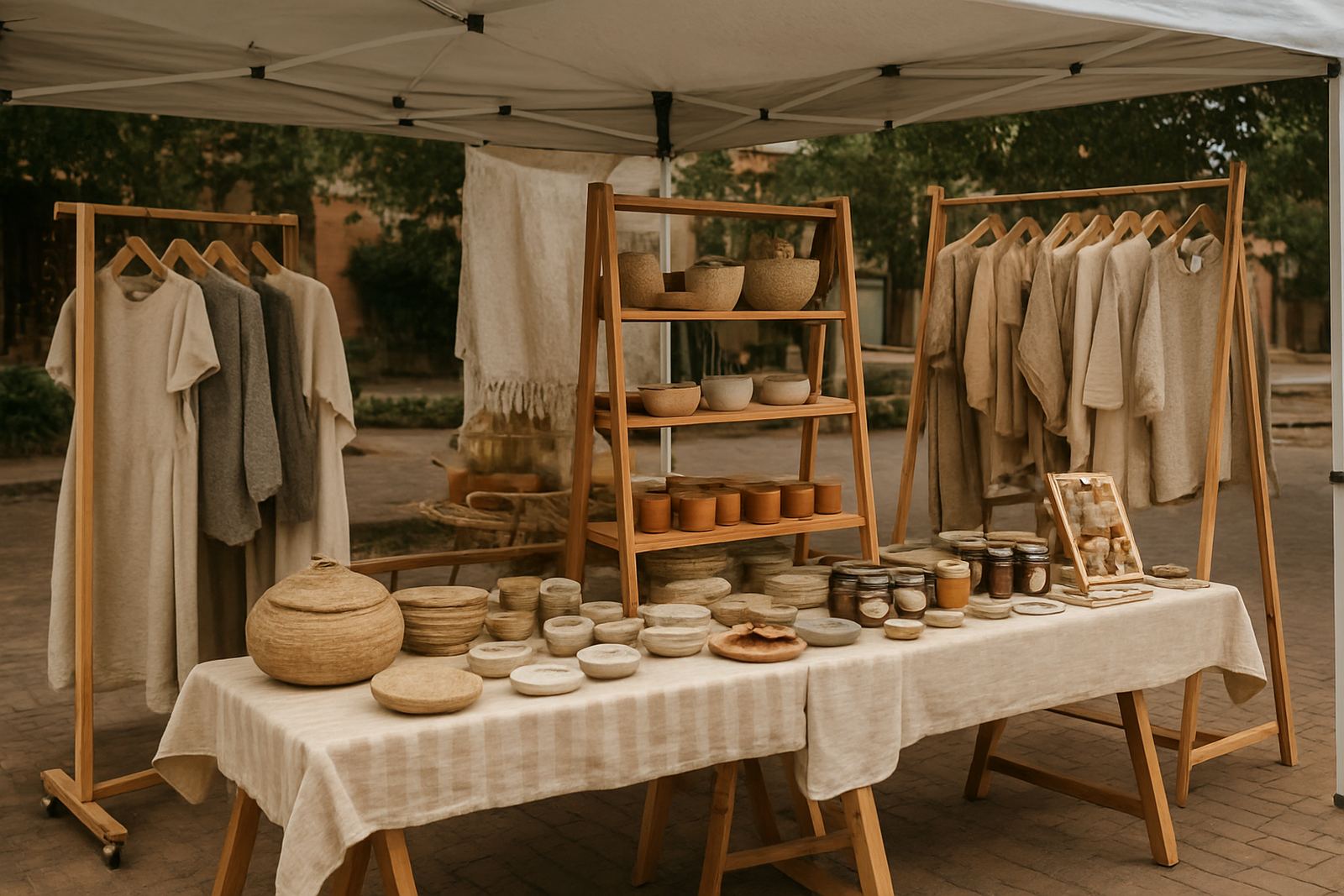


Choose the right guide for your stall stage
If you are setting up your first stall, start with the basics: how much stock to take, what to charge, and how to pack for a full day out in the sun or under a gazebo. If you have already traded a few times, move on to guides that help you tighten your display, improve your sales talk and manage busy trading periods better.
Pick the question closest to yours. Starter Guides focus on one part of market trading, which makes it easier to pick the help you need without wading through too much extra information.
- New to markets: begin with first market prep and stall basics
- Already selling: focus on pricing, packaging and customer conversations
- Growing your brand: look at photography, seasonal selling and small batch branding
- Food stalls and evening events: follow the food stall basics and maker night planning guides
Plan stock, pricing and packaging before market day
Good market trading starts before you load the car. Work out how many items you can make in one week, what your materials cost, and how much profit you need after stall fees, petrol and card payment charges. In Pretoria and across Gauteng, many makers find that clear pricing and tidy packaging make a big difference when customers are comparing stalls in a hurry.
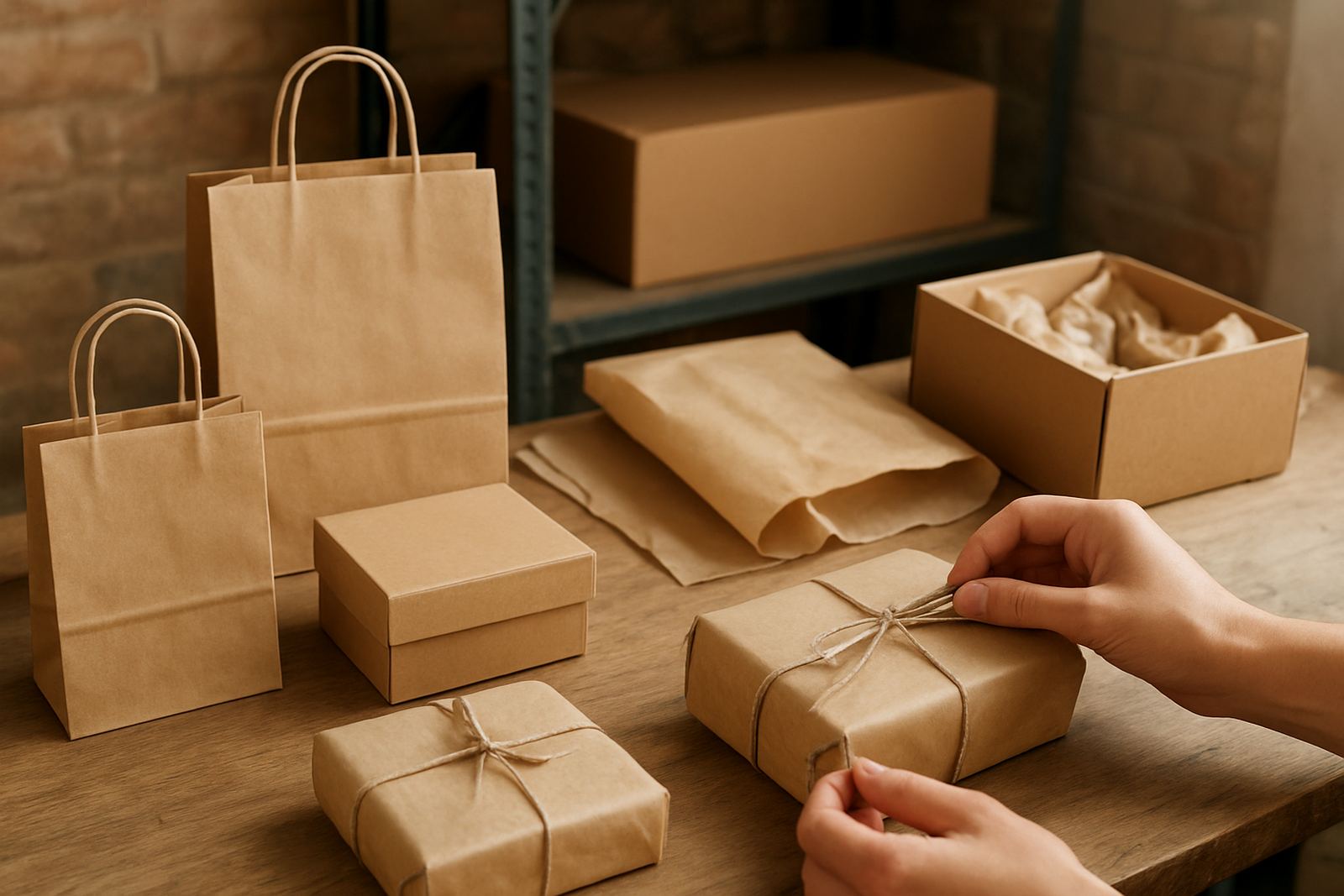
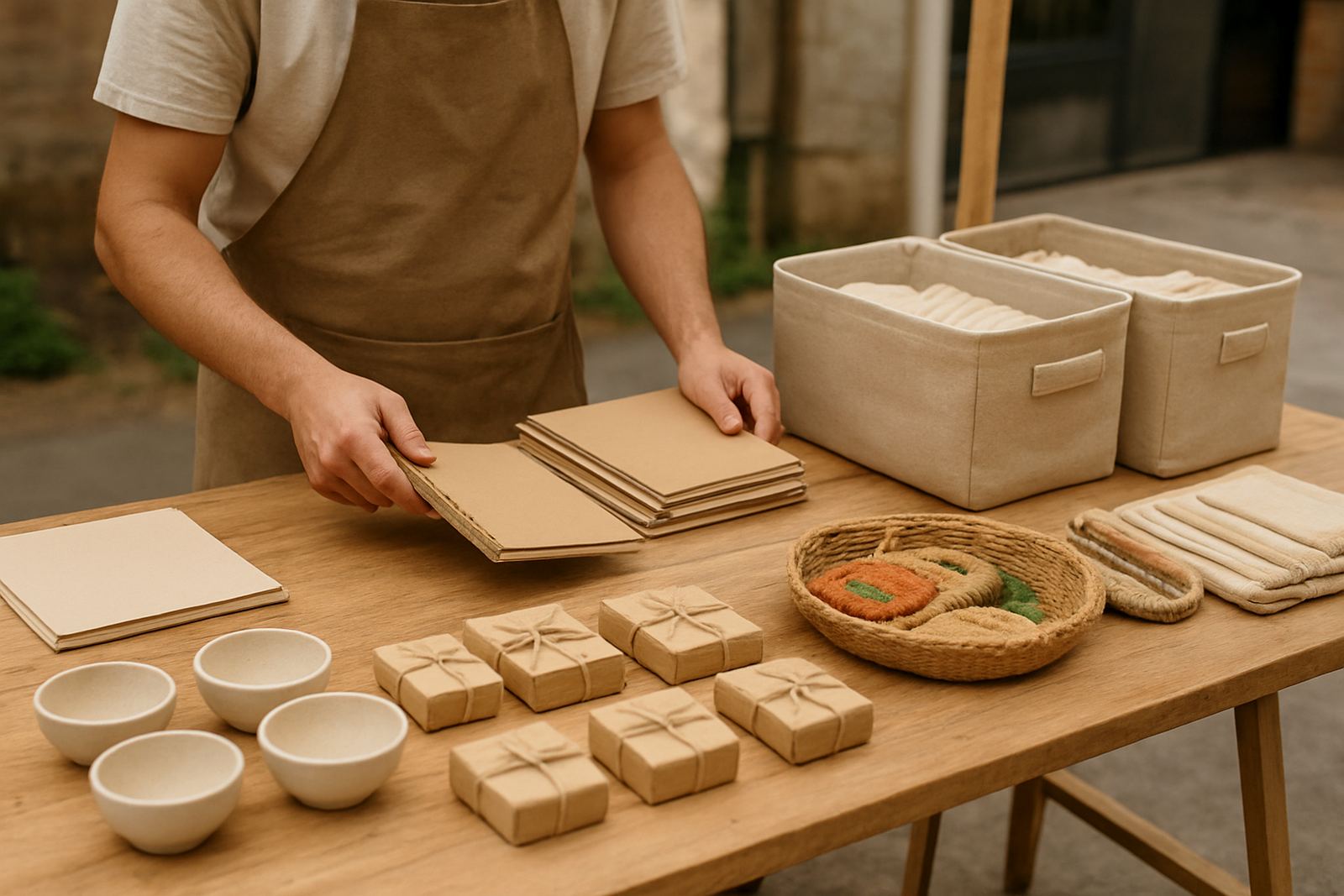
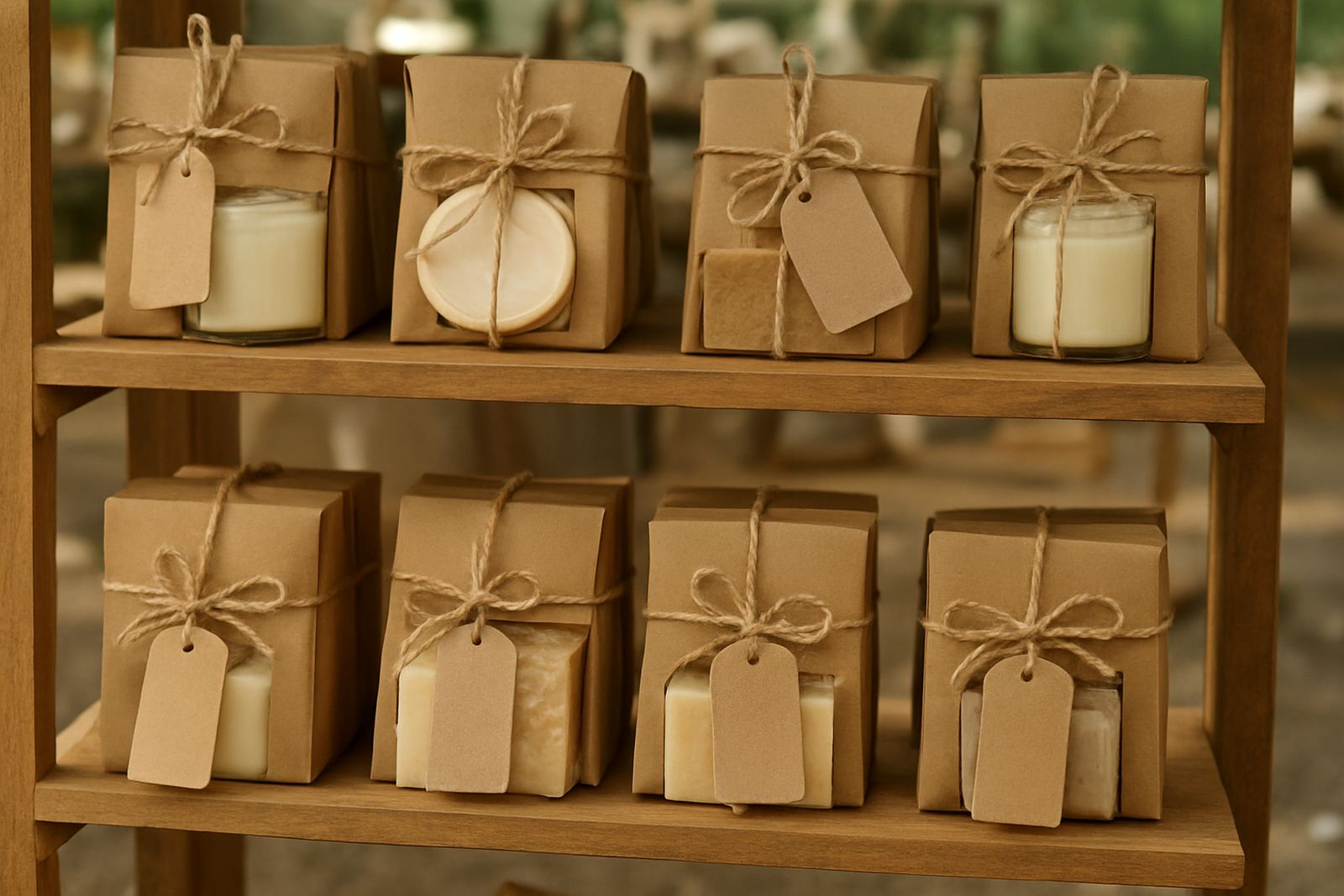
Packaging should protect your products in transit and still look neat on the table. For food, gifts and handmade goods, simple labels, clear prices and a consistent colour range help customers understand what you sell at a glance. If you trade in humid coastal areas, use packaging that stands up to moisture and does not crush too easily.
- Work out cost per item, then add labour and overheads
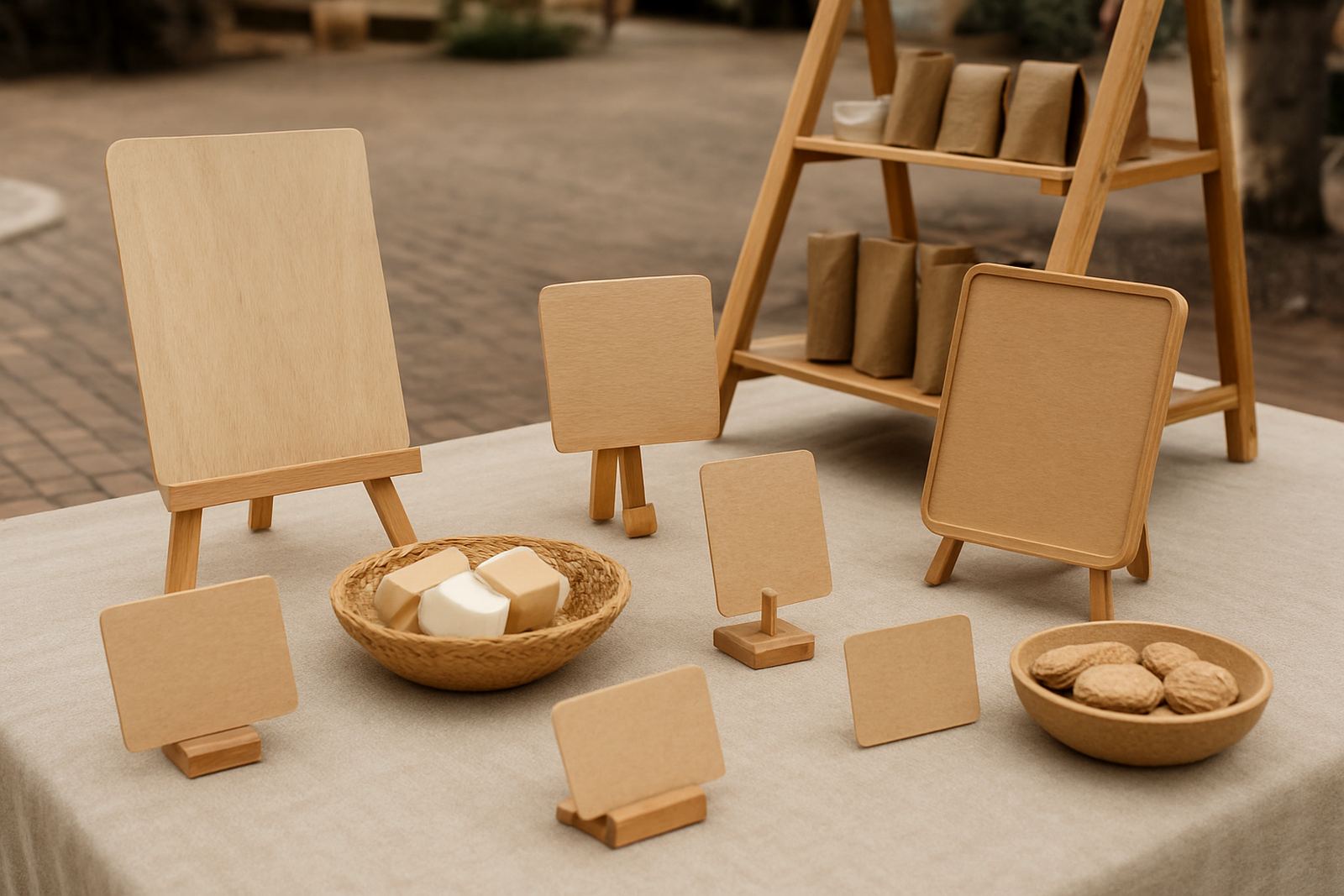
- Prepare price labels that are easy to read from standing height
- Keep spare packaging, bags and tape in a sealed container
- Test whether your products survive heat, dust and a long day on display
Build a stall that is easy to shop and easy to run
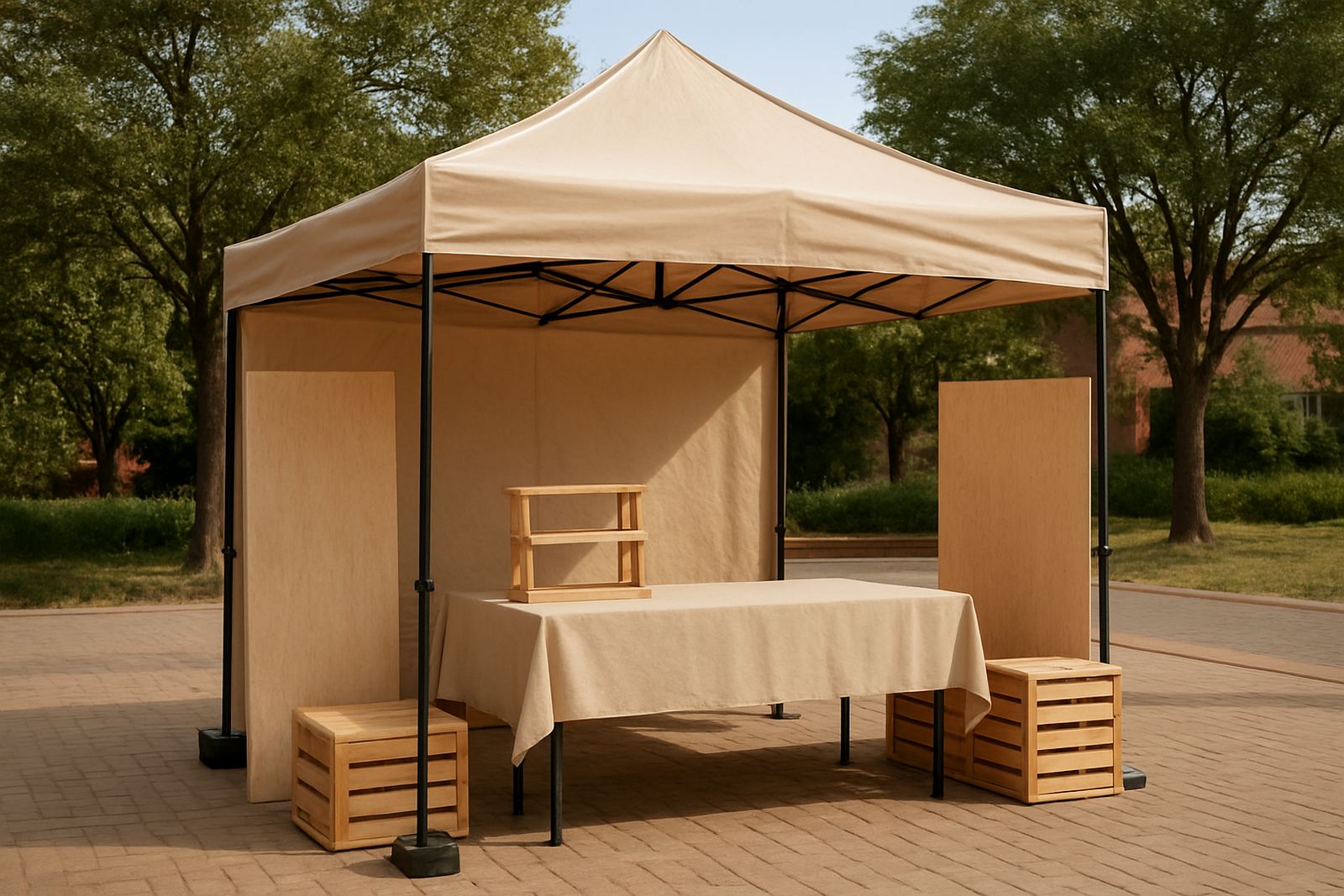
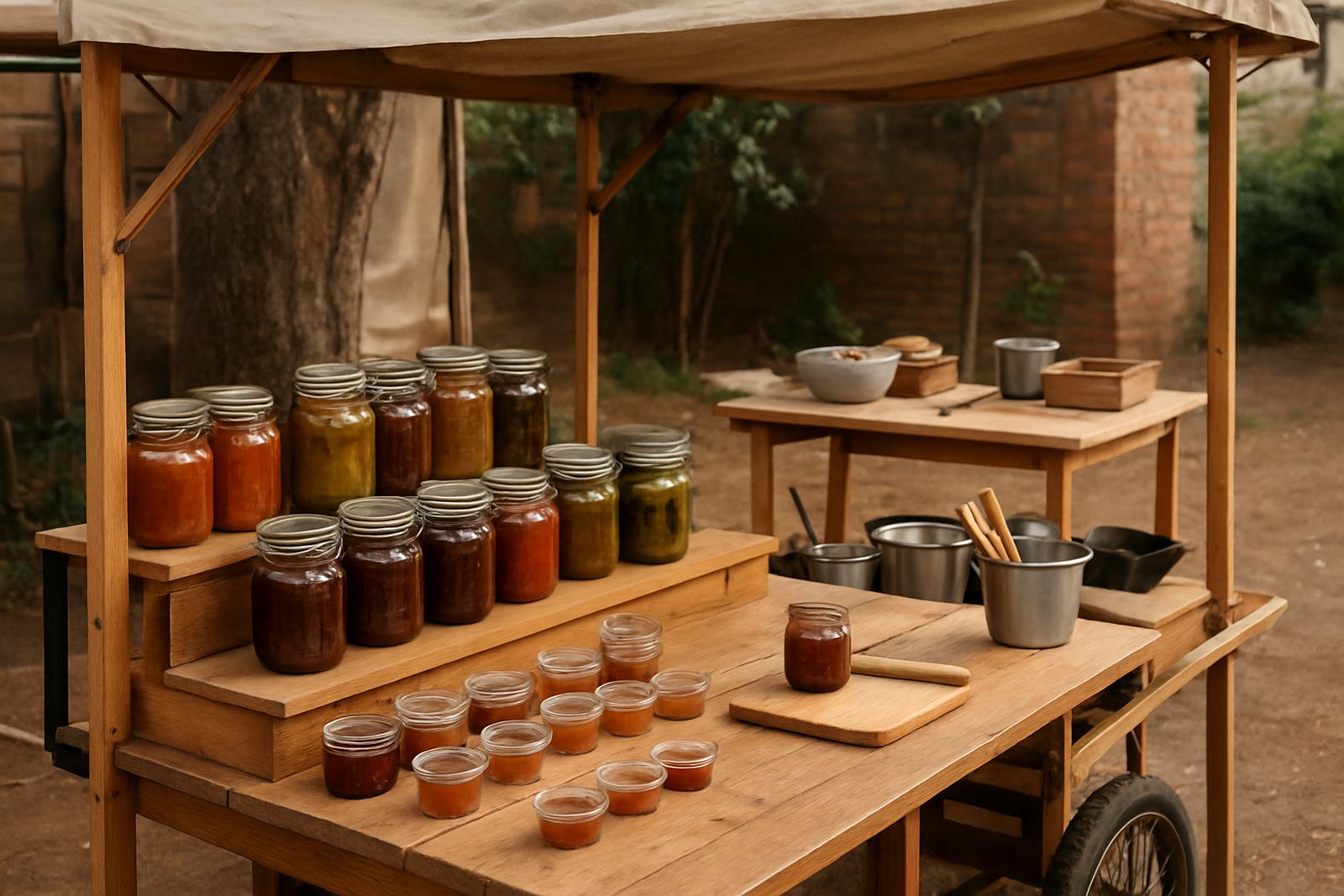
A good stall layout helps people move in, see what you make and ask questions without feeling crowded. Use height where you can, with stands, crates or risers to lift smaller items. Keep your best sellers in the front third of the table and leave enough space for packing, cash handling and restocking during peak times.
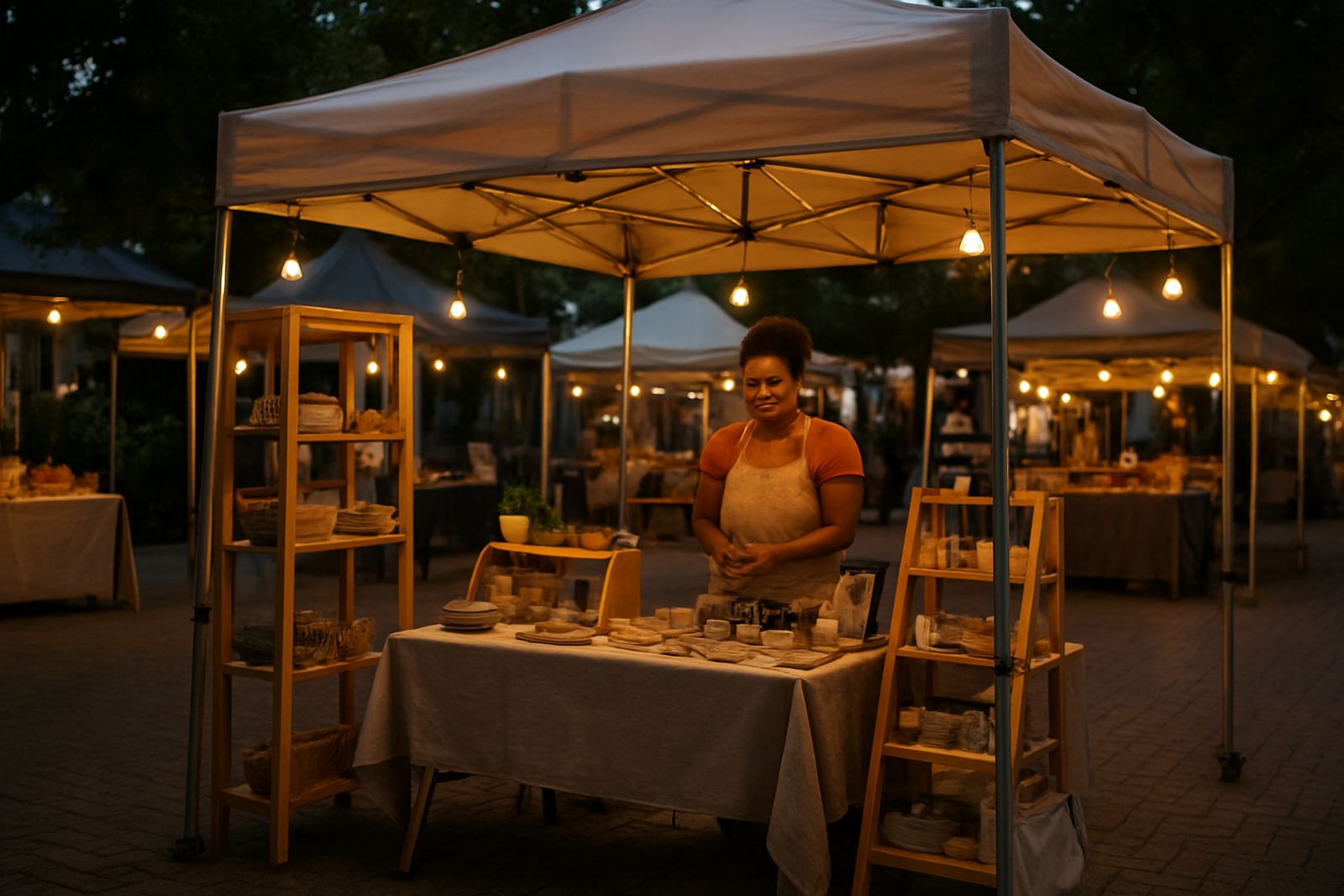
In South Africa, practical matters matter. Bring weights for outdoor tables, a battery light for evening trading, and a backup way to take payments if signal drops. If you are trading under municipal rules at a public venue, check what the site allows for signage, open flame, generators and food prep before you arrive.
- Use a simple layout you can set up in 20 to 30 minutes
- Keep payment tools, bags and change within arm's reach
- Bring cable ties, clips and spare cloths for quick fixes
- Make sure your table front is neat even when stock sells down
Learn how to speak to customers without feeling pushy
Many makers lose sales not because the product is weak but because the conversation is awkward. A short, natural introduction works best. Tell people what the item is, how it is made and why it matters. Then give them space to look. If they ask about ingredients, care instructions or custom options, answer clearly and keep it practical.
Our customer conversation guide is useful for makers who feel shy or get stuck repeating the same lines all day. It also helps at maker nights and pop-ups where shoppers may want a quick story before buying. The aim is not to sell hard, but to make it easy for someone to choose your work with confidence.
Prepare for food stalls, workshops and maker nights
Food stalls and evening events need extra planning. Check storage temperatures, hand washing access, waste disposal and any permit requirements before you pack. For maker nights, lighting, sound levels and table flow matter just as much as the products on display. If you are hosting a workshop or selling alongside one, your setup should be simple enough for guests to follow without confusion.
These guides are helpful for makers trading in Hatfield, Brooklyn, Lynnwood, Menlyn and Centurion, as well as teams travelling to nationwide pop-ups. The conditions change from one venue to the next, so it helps to have a checklist that covers transport, weather, stock control and pack-down.
- Check venue rules for food handling, open flame and water access
- Pack a clean-up kit with cloths, bin bags and sanitiser
- Carry extra stock, especially for busy Saturday trading
- Keep receipts and notes so you can track what sold and what did not
Use the guides to improve one part at a time
You do not need to fix everything in one market season. Start with the area that will make the biggest difference to your trading, then work through the rest over time. Many sellers begin with pricing or display, then move on to photography, seasonal selling or small batch branding once the basics are in place.
The best results usually come from small changes repeated well. A better price label, a clearer table layout and a stronger opening line can shift sales more than a full rebrand. Pick one guide, apply it at your next market, then note what changed before the next event.