Start With the Three Signs Every Stall Needs
At a market, buyers are usually deciding in seconds. The first signs they look for are the stall name, what you sell and the price of the main items. If those three things are easy to read from about 2 metres away, you are already doing most of the work.
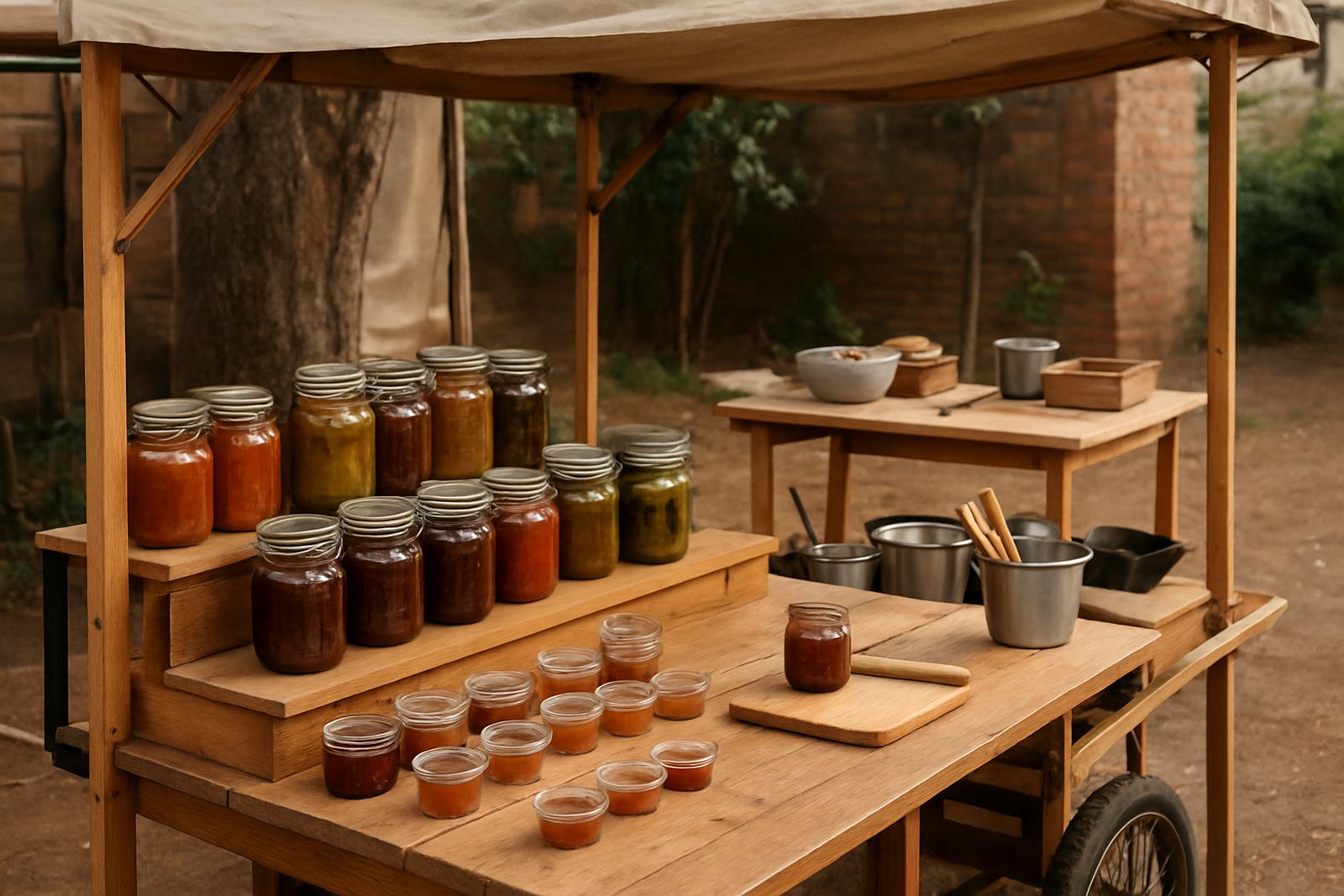
Keep the wording plain and direct. A handwritten board with neat lettering can work well, but it must be large enough and visible above jars, baskets or hanging stock. In busy spaces like Hatfield, Brooklyn or Menlyn markets, people often scan while walking, so signs that sit low on the table get missed.
- Stall name or maker name
- Short product description such as soaps, bakes, ceramics or wood items
- Starting price or price range
If you sell food, add the basic product type clearly. If you sell gift items, say whether they are ready to give or made to order. Buyers like clear answers before they ask a question.
Make Prices Easy to Spot Before Anyone Asks
Price confusion slows sales. If every item needs a separate explanation, shoppers can feel uncertain and move on. Use pricing signs that are easy to read, with the currency symbol, size and quantity where needed. A sign that says R45 per bar or R120 for 3 gives much more confidence than a small tag with only the number.
When you have different sizes, group them by clear headings. For example, small, medium and large. If you use packaging such as gift bags or boxes, show whether that cost is included. At weekend markets, buyers often compare several stalls in one pass, so clear pricing helps them decide without hassle.
- Use large numbers and keep the background uncluttered
- Show whether prices include packaging
- List special offer prices separately from standard prices
- Check that every sign matches the item on display
Keep a spare pen and blank card in your kit for last minute changes. If you mark down stock near closing time, update the sign straight away so nobody feels misled.
Choose Materials That Last Through Weather and Handling
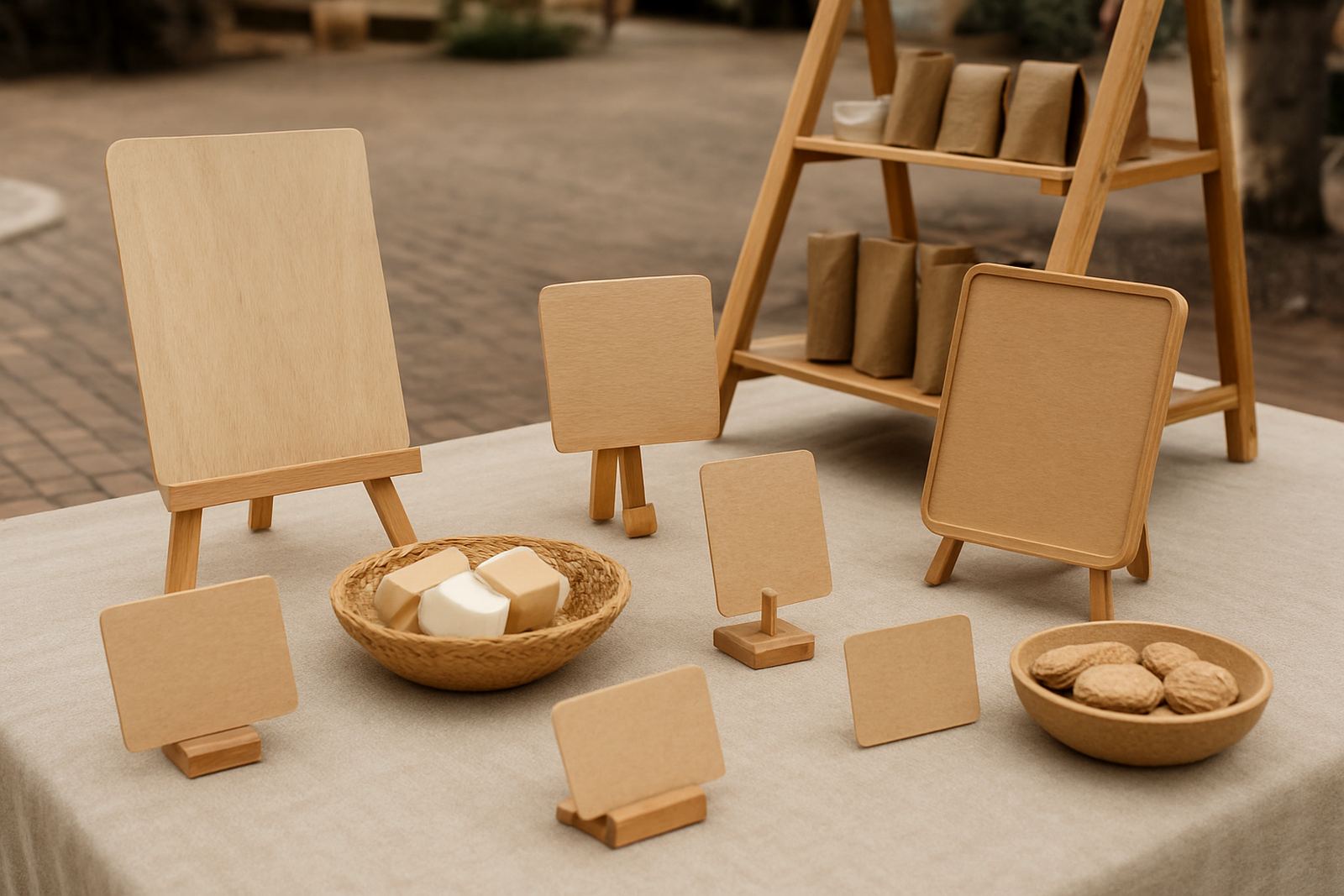
Market signs take a beating from sun, wind, handling and the occasional spill. In Pretoria heat and coastal humidity at pop-ups, paper can curl and ink can fade faster than expected. Use materials that stay neat through a full trading day. Laminated cards, board with clear lettering, wipe clean plastic sleeves and weather safe tags all help.
If you trade outdoors, weight your signs properly. A sign that falls over once or twice looks untidy and can block the table. For gazebo stalls, clip signs to the front frame or side poles so they stay visible even when the breeze picks up. Avoid tiny decorations that move too much or make the wording harder to read.
- Laminated A4 or A3 signs for main messages
- Small hanging tags for product details
- Stand or clip system that will not tip over easily
- Reusable markers for daily price updates
Take a cloth with you as well. Markets can get dusty, and a sign covered in smudges makes even beautiful stock look less cared for.
Use Signs to Answer Common Buyer Questions
The best signs do more than label stock. They answer the questions people ask most often so you can spend more time talking to serious buyers. Think about the things customers want to know before they make a choice. Ingredients, care instructions, materials, shelf life, sizing and gift options are all useful.
For handmade items, a short note about how the item is made can be helpful, but keep it brief. One or two lines is enough. Too much text becomes a wall of words and people stop reading. The goal is clarity, not a long story.
- For food: ingredients, allergens and best before date
- For handmade goods: material, care and use
- For gifts: whether wrapping is available
- For custom orders: turnaround time and deposit details
If you offer workshops or maker nights, add a simple sign telling visitors how to book or when the next session runs. That can turn a quick browse into a second sale later on.
Set Up Your Stall Signs So People Move Naturally
Good placement helps buyers move from first glance to purchase. Put the biggest sign at eye level or slightly above the stock, then use smaller signs to guide attention from one section to the next. If everything is at the same height, the stall can feel flat and difficult to read.
Try to build a simple path. First sign: who you are. Second sign: what you sell. Third sign: the most popular item or offer. For example, a shopper should be able to stand at the front of the stall and see the answer to those three questions without stepping in.
At Hatfield weekend markets, space can be tight, so every centimetre counts. Keep signs out of the way of browsing hands but still close enough to the stock to link the item and the price. If you have baskets, trays or hanging racks, check from a visitor’s angle before the market opens. What looks fine from behind the table may disappear once people gather around.
Simple Checklist for Market Day Signage
Use this before every setup so you do not waste the first trading hour fixing small problems. A good checklist saves stress, especially when you are busy unpacking stock, handling float money and setting up payment options.
- Stall name is readable from 2 metres away
- Main product type is shown clearly
- All prices are visible and correct
- Special offers and bundle deals are easy to understand
- Food labels include ingredients and allergy notes where needed
- Signs are clean, straight and secured against wind
- Spare labels, tape and markers are packed
- Nothing blocks the view of the most important sign
Once the market starts, do a quick review after the first 30 minutes. If shoppers keep asking the same question, your sign probably needs a clearer line or a bigger font. Small changes make a big difference over a busy day.
Keep Your Messaging Consistent Across Markets
If you trade at more than one location, keep your signs consistent so customers recognise you again. The wording does not need to be exact on every board, but the tone, colours and basic structure should stay the same. That helps buyers remember your stall at Centurion one month and Pretoria the next.
Consistency also makes your stall look organised to wholesale buyers, event organisers and repeat shoppers. Even simple systems help: one font for headings, one colour for pricing, one style for product notes. If you change signs often, store them flat in a folder so they do not bend or fade. A neat set of signs is part of your sales kit, just like your packaging and float money.
When your signs are clear, shoppers can focus on the products, ask better questions and buy with more confidence. That is what good market signage should do.