




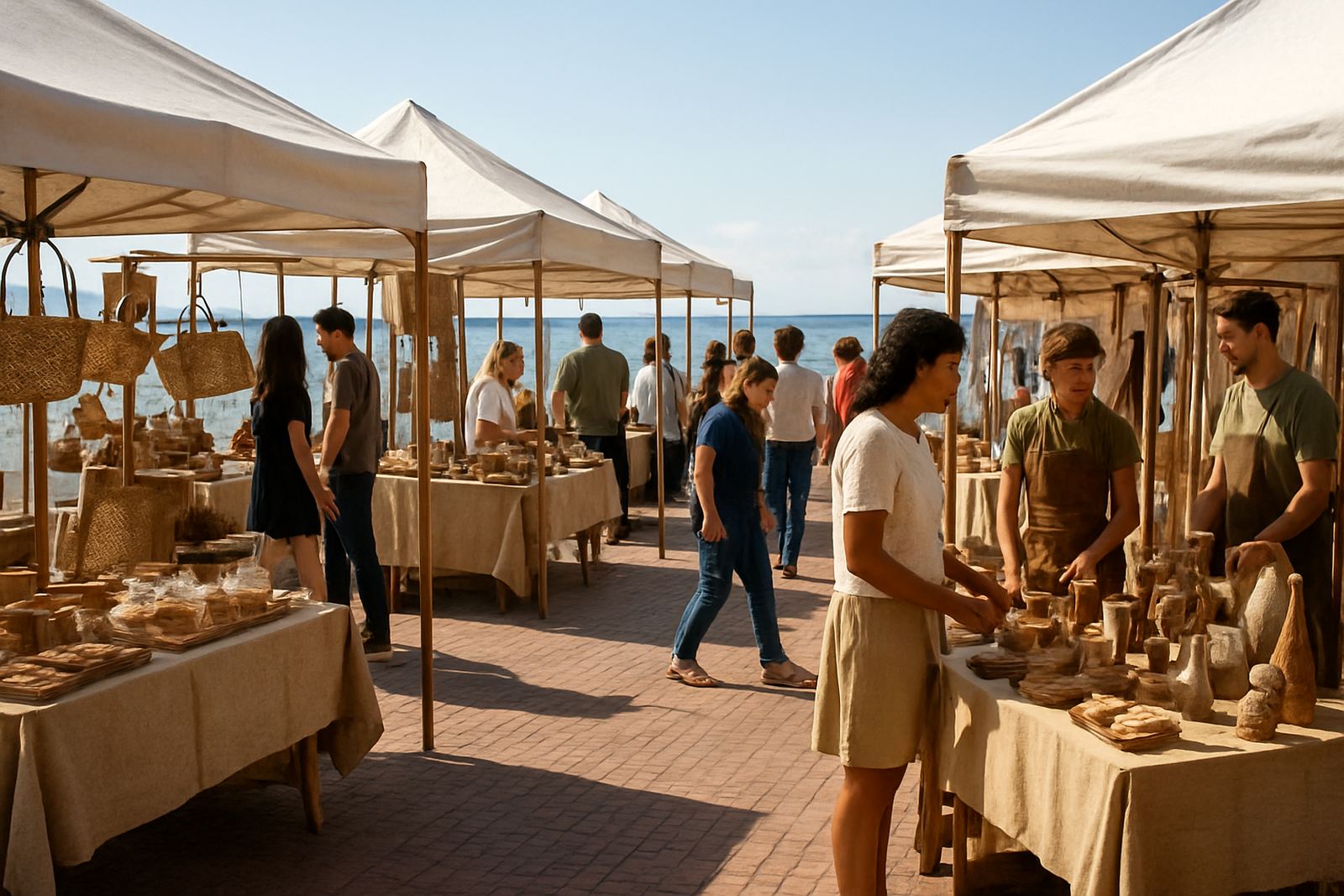
What a market day covers
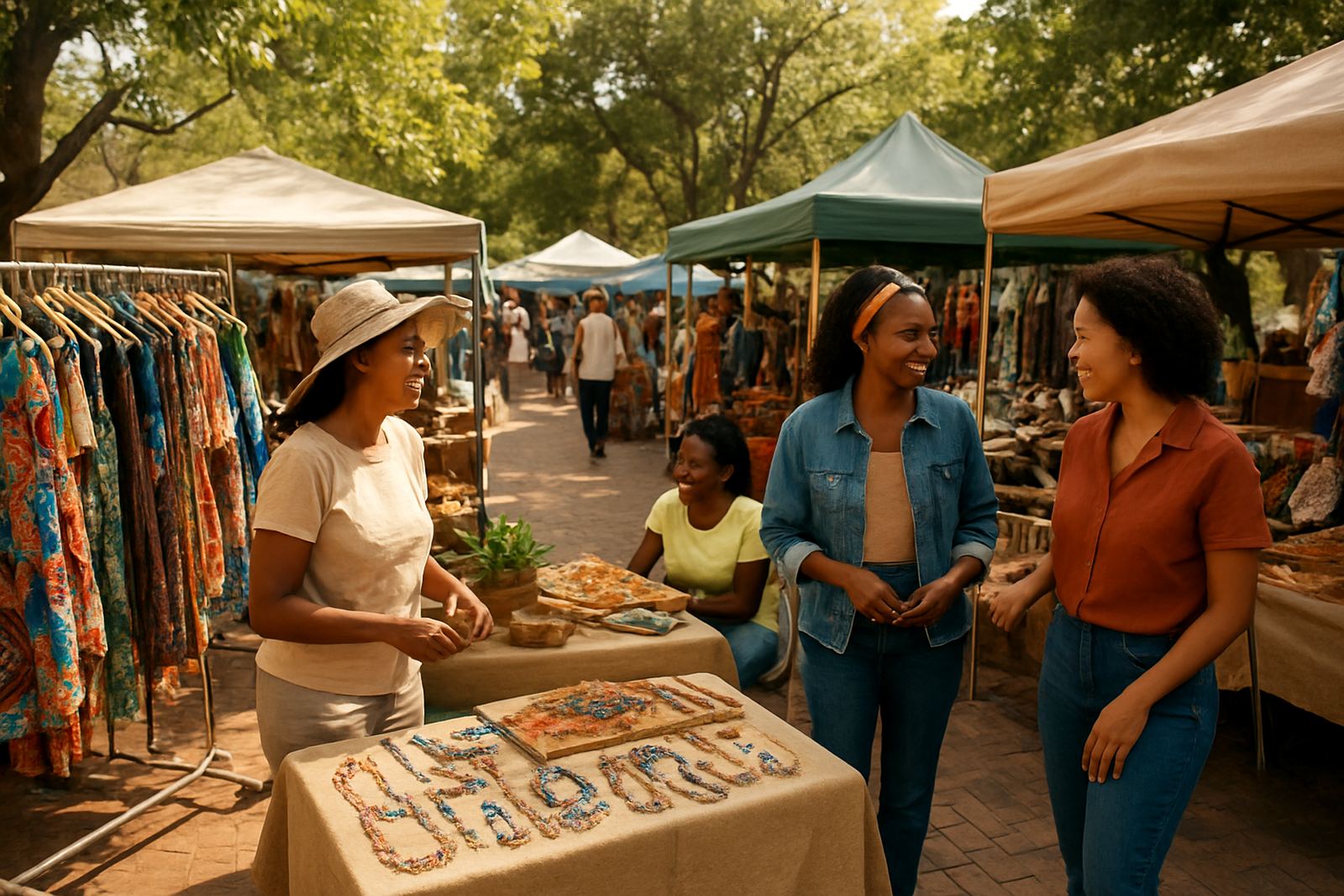
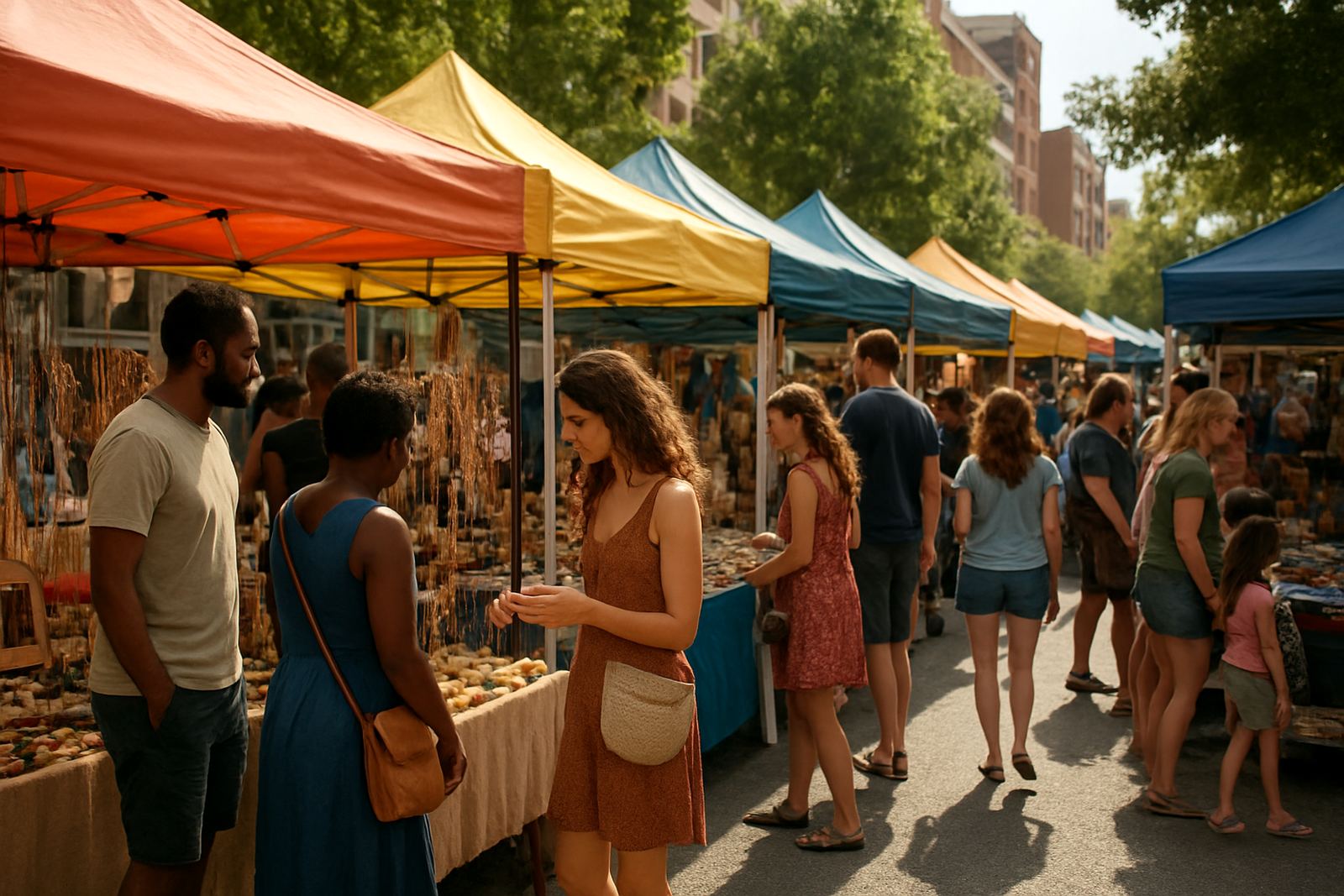
Each market day is a finished event with its own trading flow, visitor profile and maker line-up. Some are best for steady family foot traffic, while others suit later trading, casual browsing or a stronger food offering. The common thread is simple: local makers, practical stall set-ups and an audience looking for something made by hand.
In Pretoria and the surrounding areas, market days are planned with real trading conditions in mind. That means shade where needed, clear walkways, power planning for food stalls, and layouts that still work throughout the day. Makers who sell ceramics, candles, clothing, baked goods or small-batch pantry items can each find a place that fits their product and price point.
How to choose the right event
If you are trying to decide where to trade or which event to attend, start with the crowd you want to reach. Hatfield and Brooklyn usually bring a strong urban mix of students, young professionals and nearby residents. Lynnwood and Menlyn tend to draw families, gift buyers and weekend shoppers who are already out for a full day. Centurion often suits makers who want a broad midweek-to-weekend customer base across the wider Pretoria area.
- Choose a family market if you sell snacks, gifts, toys or homeware.
- Choose a later maker night if your products suit relaxed evening browsing.
- Choose a pop-up if you want a tighter crowd and a shorter trading window.
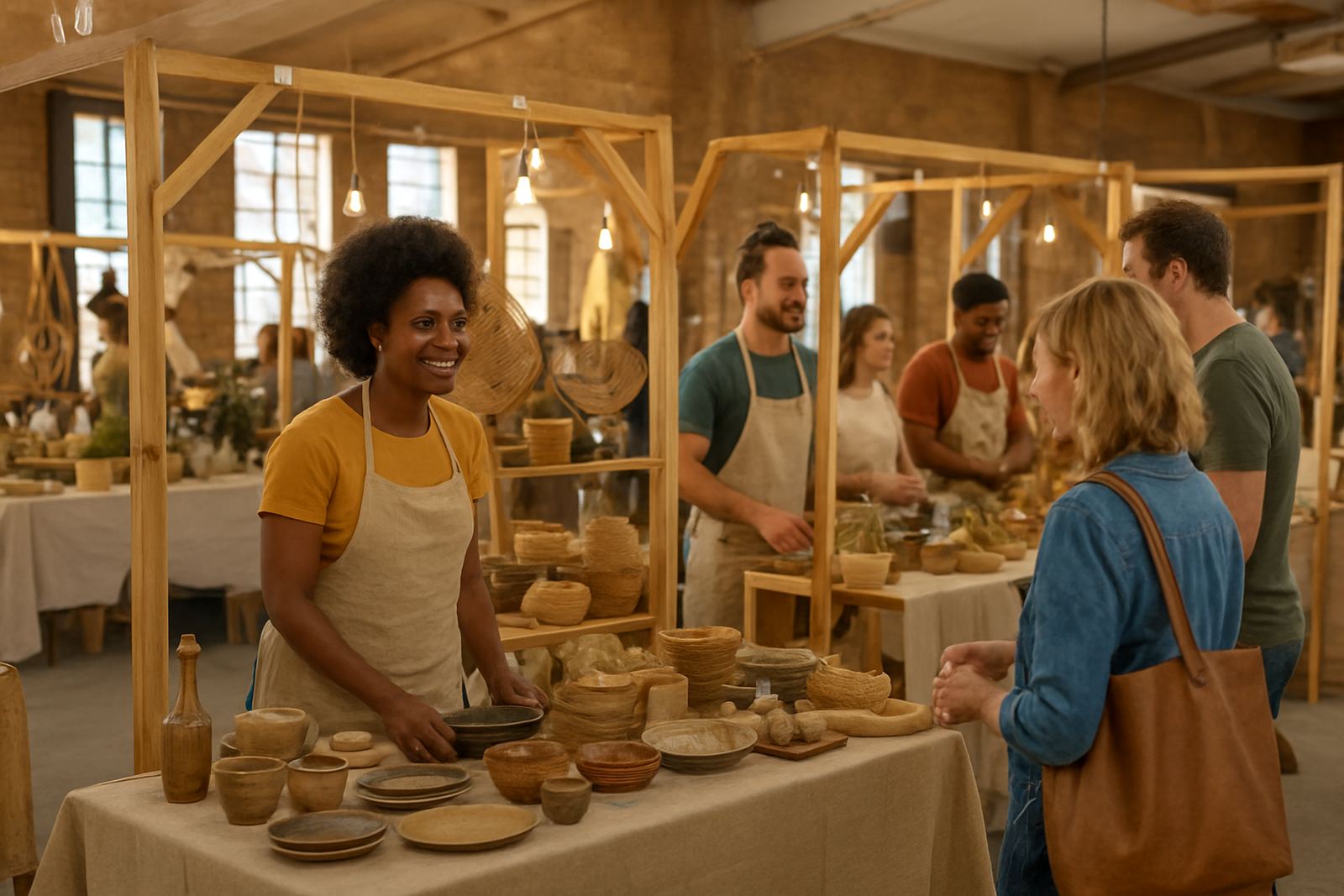
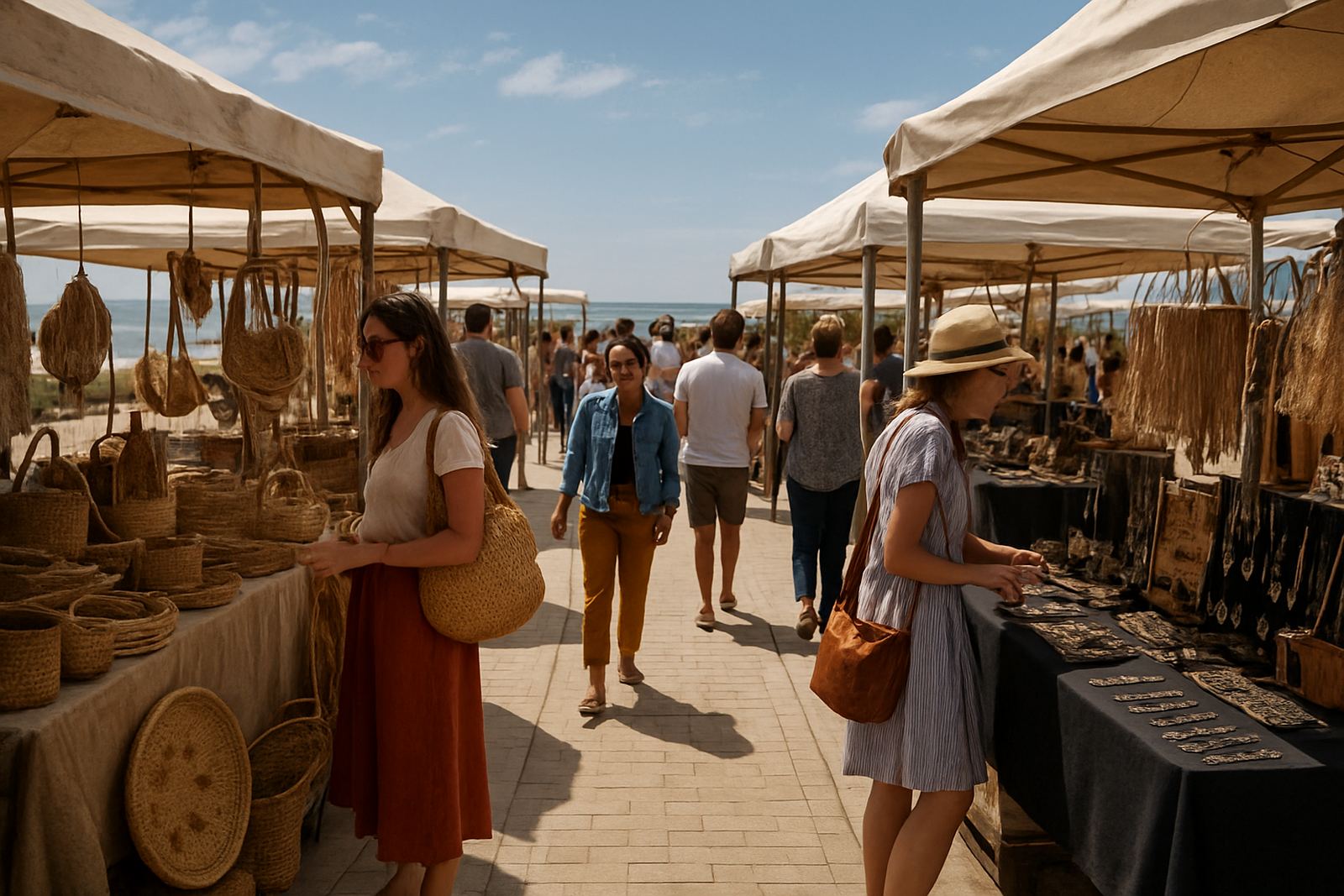
- Choose a venue with indoor cover if you need protection from summer rain or coastal humidity on travelling events.
For sellers, the best fit is often the event where your product can be explained quickly, priced clearly and packed well for carry-out. For visitors, it is the market with the right mix of food, crafts and atmosphere for the day you have in mind.
Hatfield weekend markets
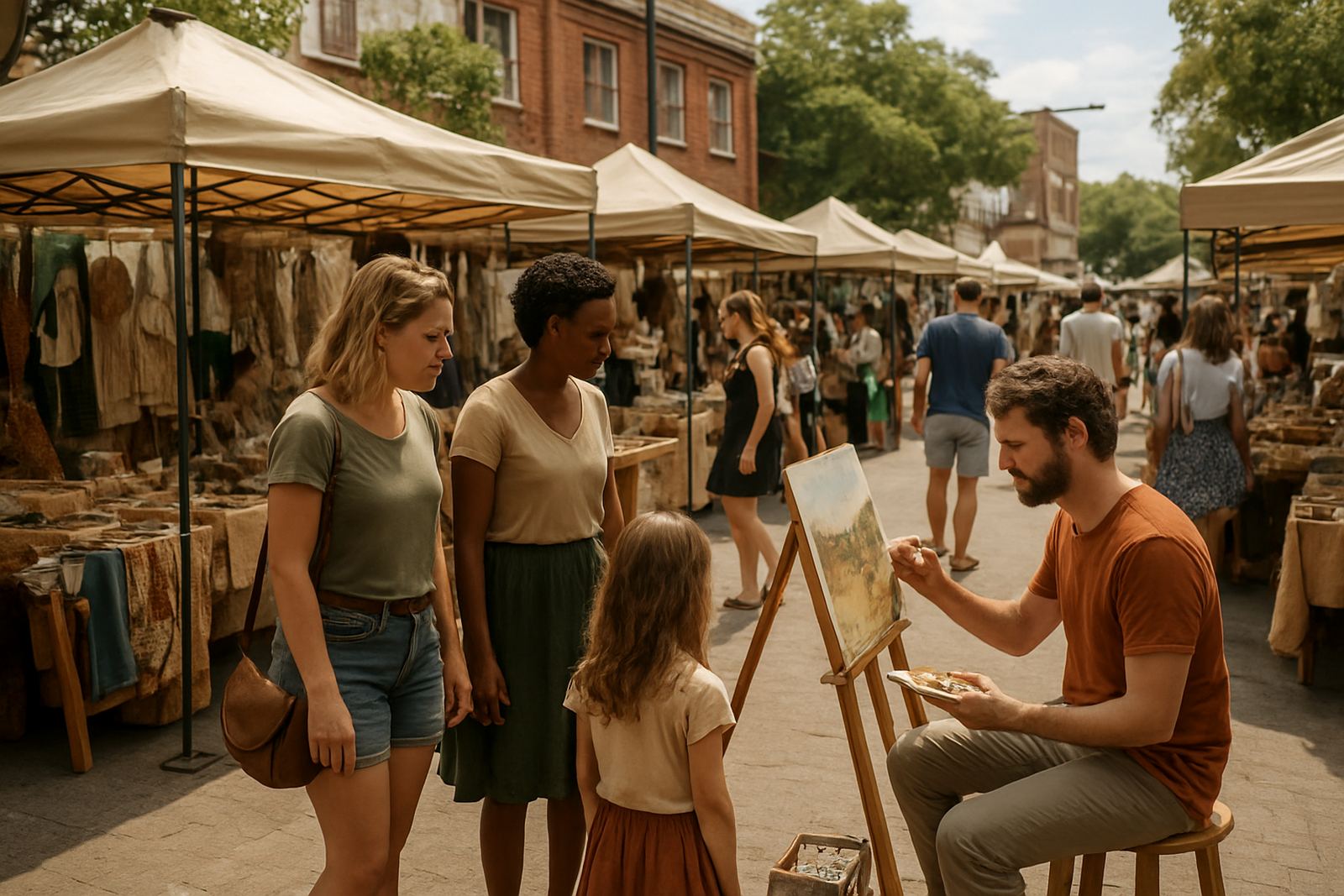
Hatfield market days are popular for their easy access, student energy and walkable trading layout. The area works well for smaller handmade goods, affordable gifts and food stalls that can serve steady short orders. Because the crowd changes through the morning, it suits makers who can hold attention with neat presentation and clear pricing.
Stalls here need to cope with sun, wind and the usual Pretoria weekend rush. A simple table cover, stock under the table and a clear front display can make a real difference. Traders who keep change ready, label items properly and plan ahead for electricity needs usually settle in faster and sell with less stress.
Maker nights and after-hours trading
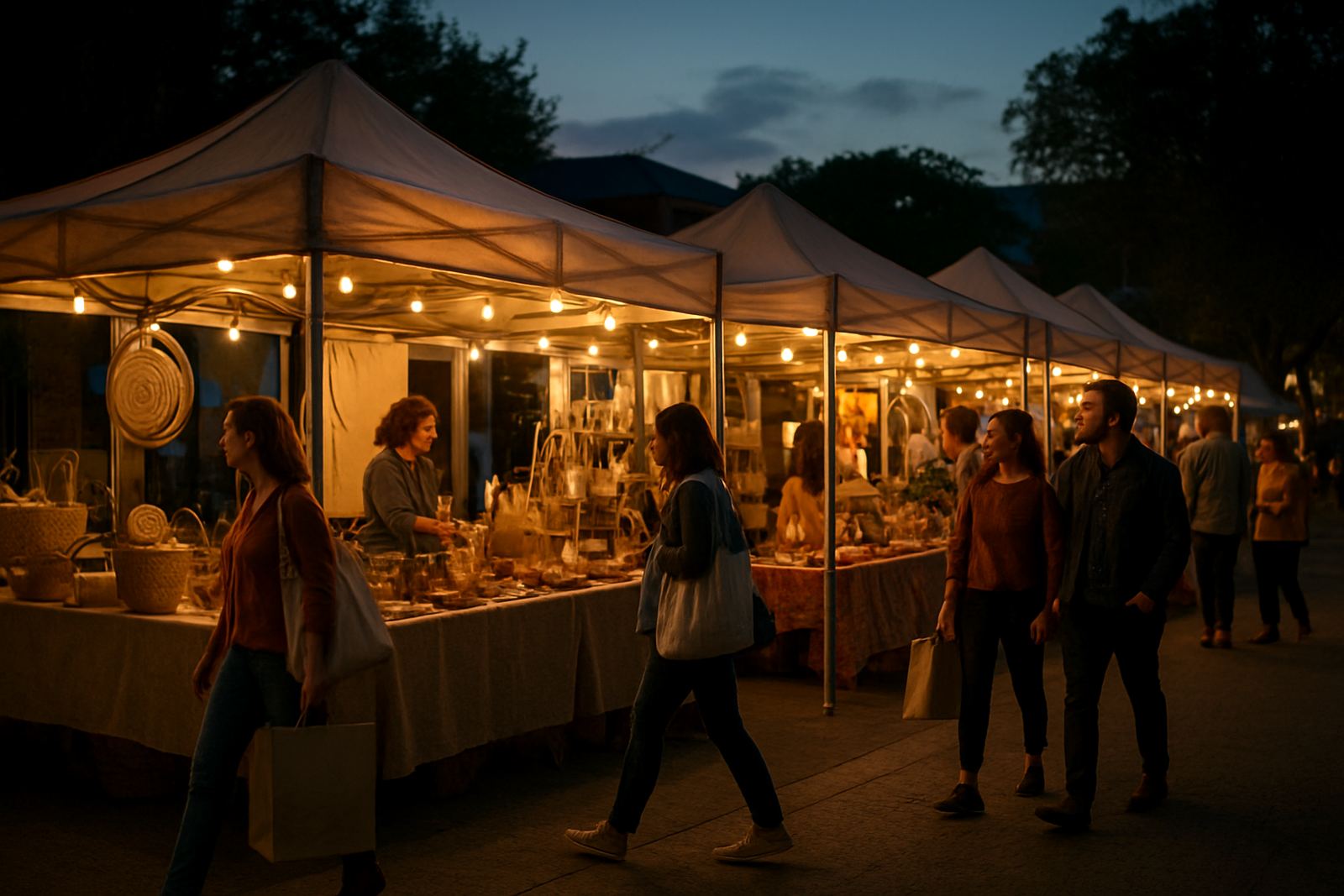
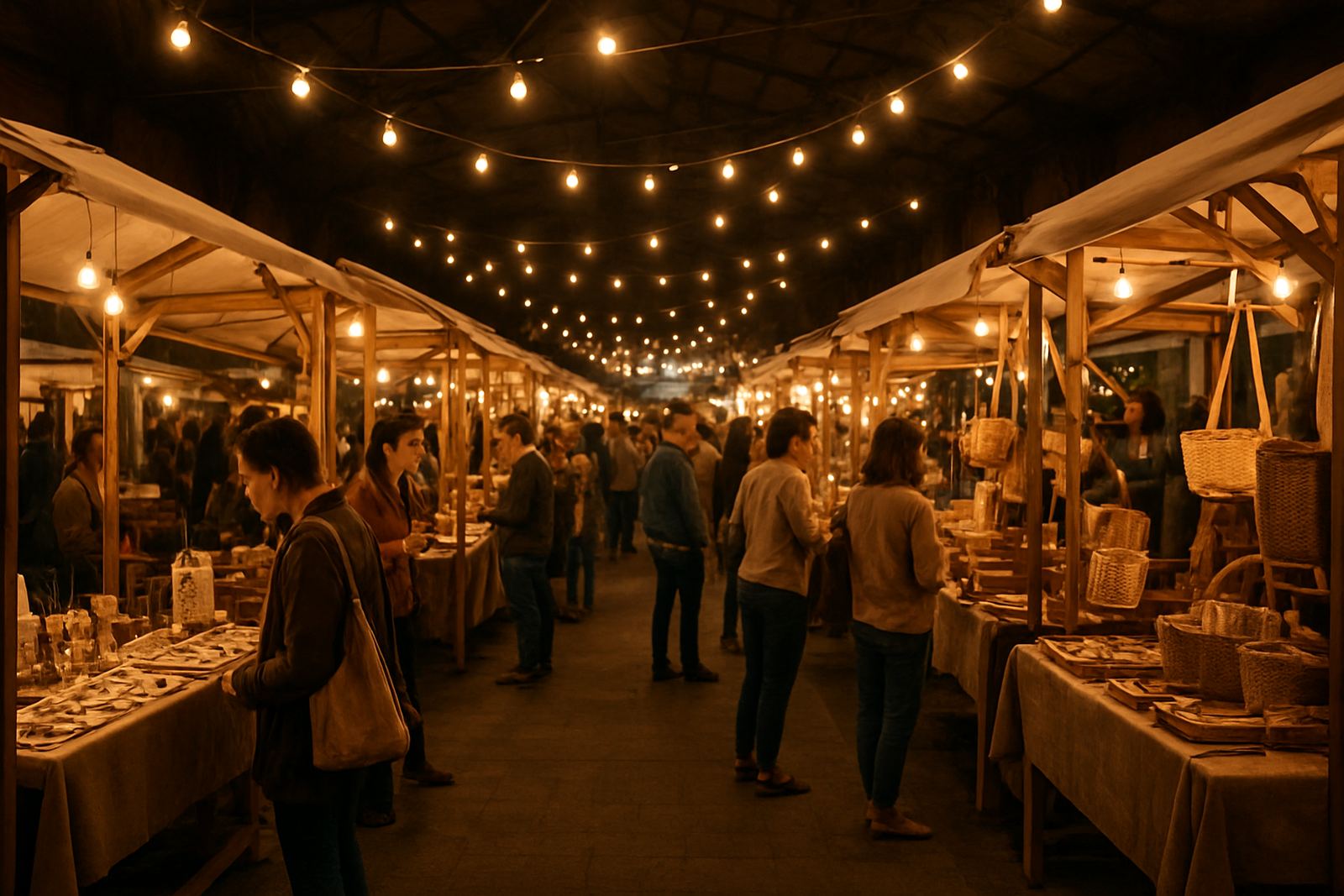
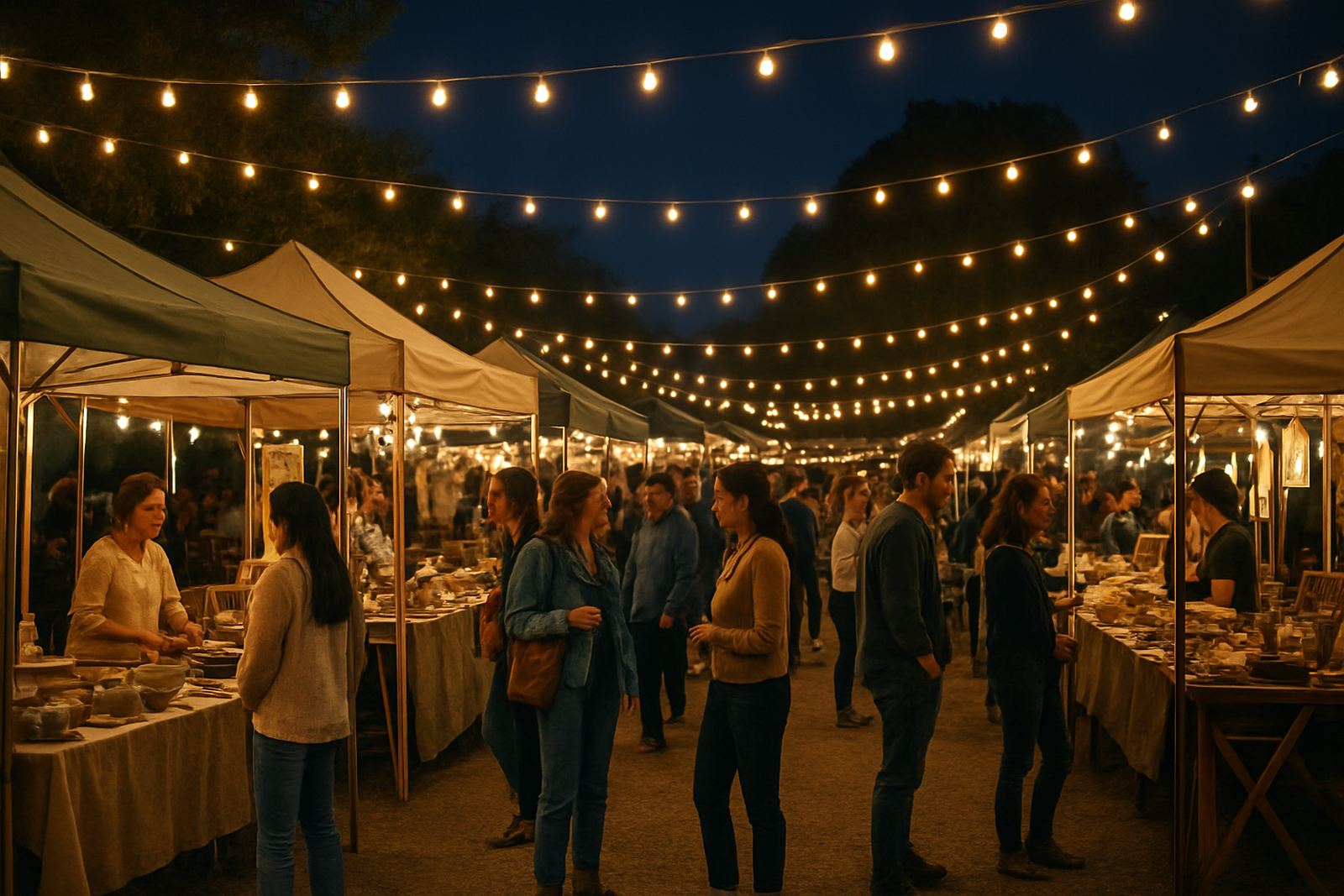
Maker nights are a different rhythm altogether. They are suited to products that benefit from a slower browse, such as gifts, decor, personal care items and small-batch food. Evening events also work well for customers who miss day markets because of work or school sport, and for makers who want a second trading option during the month.
- Use warmer lighting and tidy product labels so items read well after sunset.
- Pack for quick setup, especially where venue access is tight.
- Keep payment options simple for customers who want to pay and move on.
- Bring weather protection for outdoor courtyards and pop-up spaces.
These events often feel more social, and that helps makers start conversations, explain their process and build repeat buyers. For food and drink stalls, the evening window can be especially useful because people are happier to linger.
What families and shoppers notice first
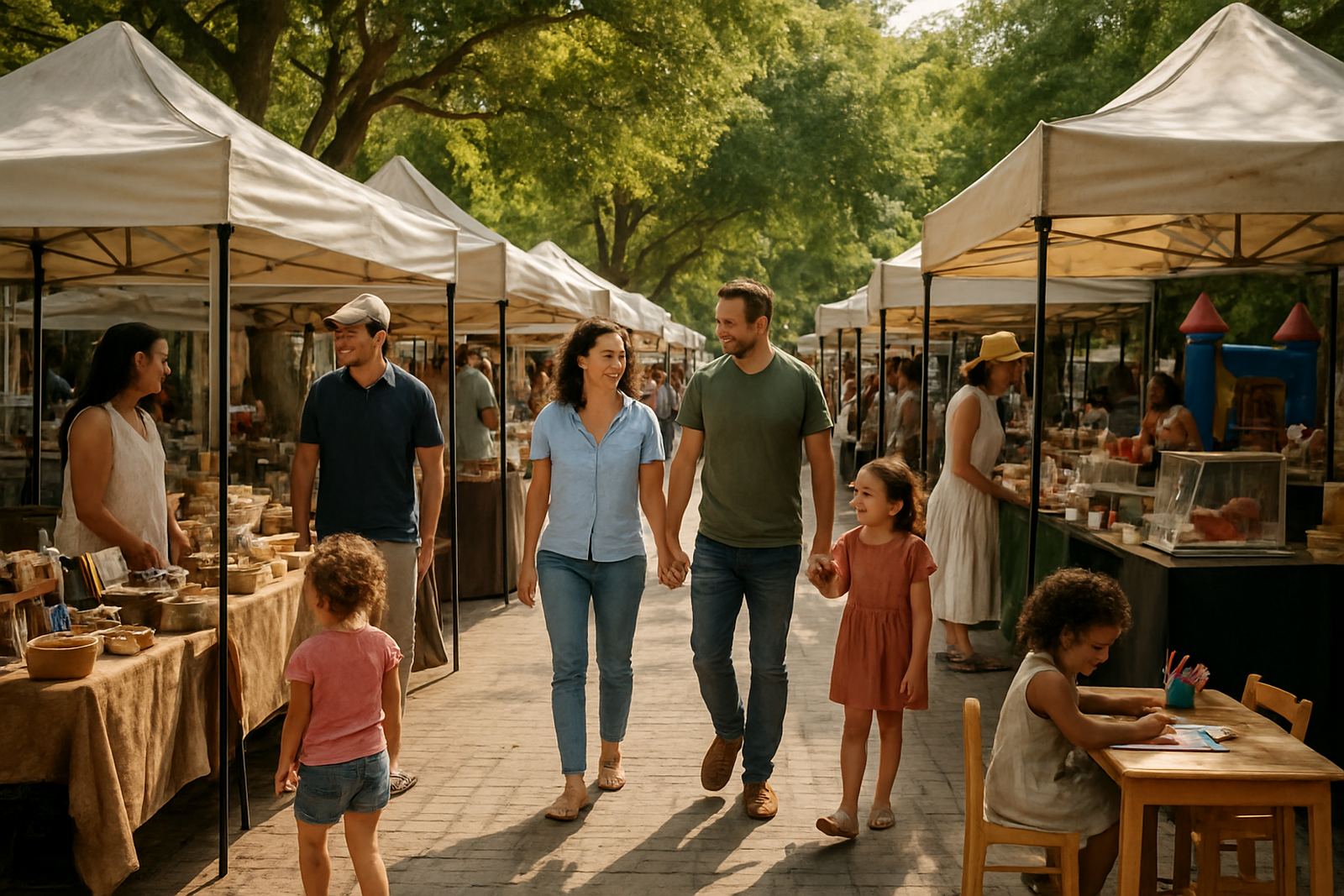
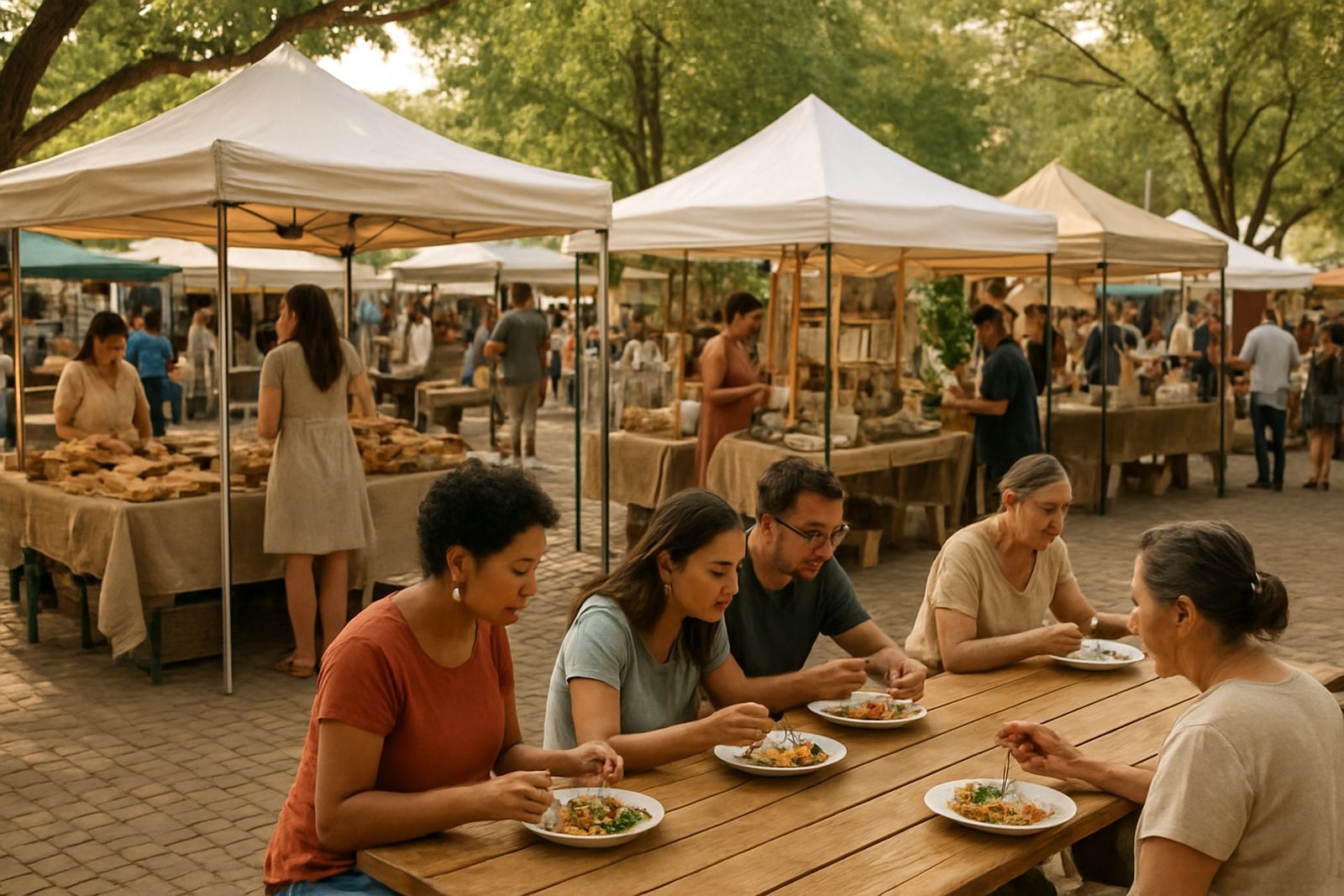
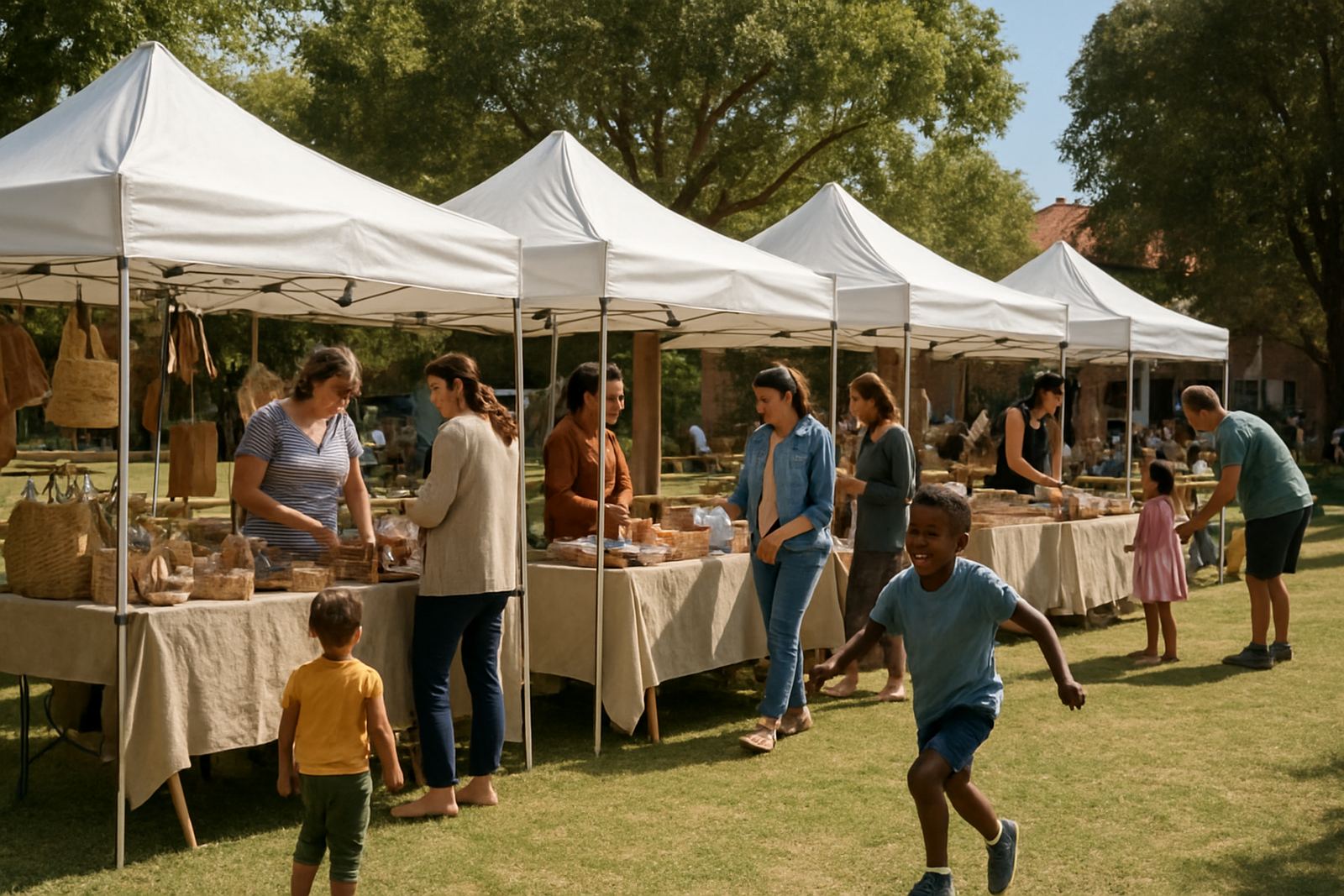
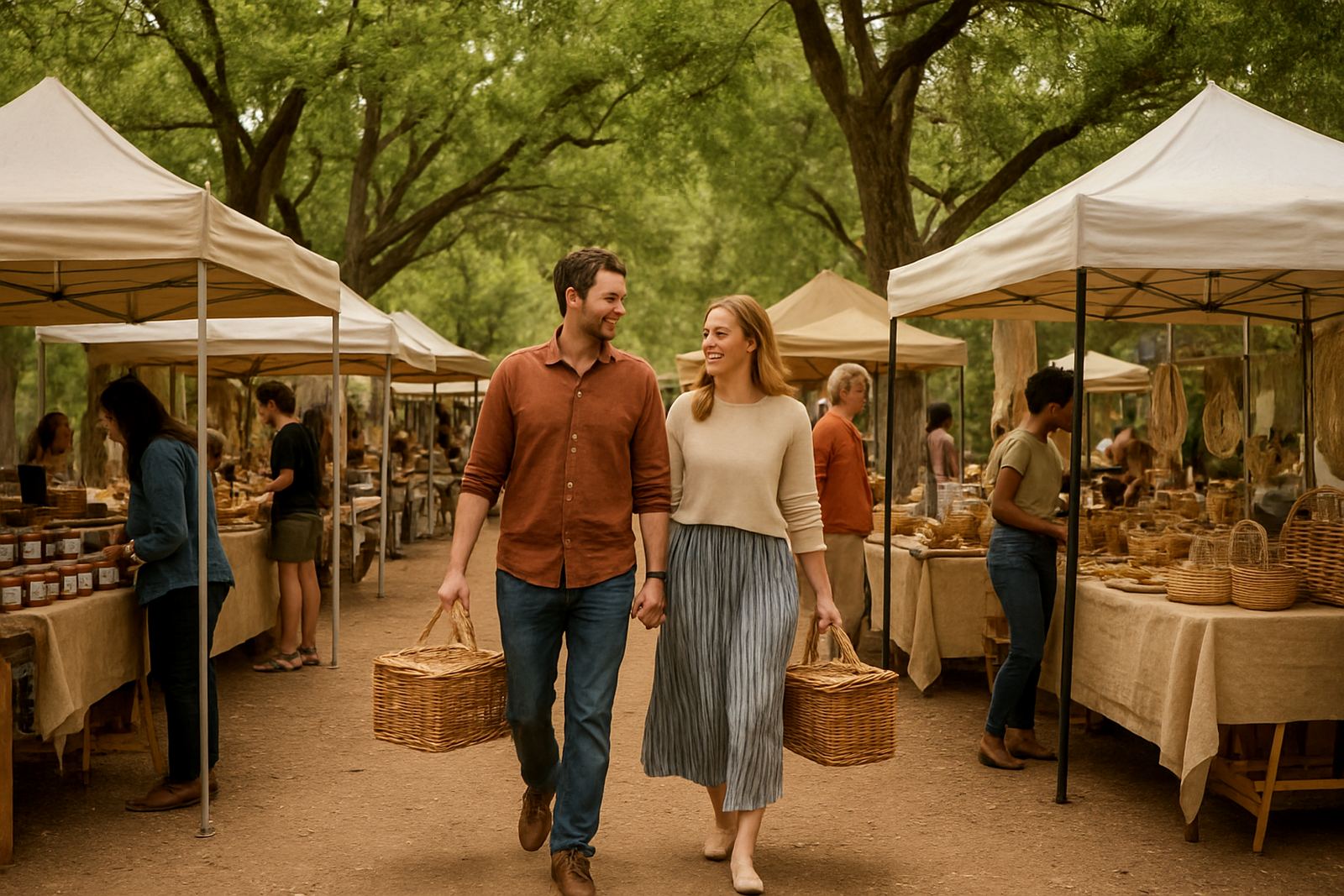
Visitors usually notice the same things first: easy parking, clear signage, good food and whether the stalls feel worth the trip. At a strong market day, families can browse at an easy pace while children snack, friends compare finds and familiar makers are easy to spot. That is why good layout and a sensible mix of stalls matter as much as the products themselves.
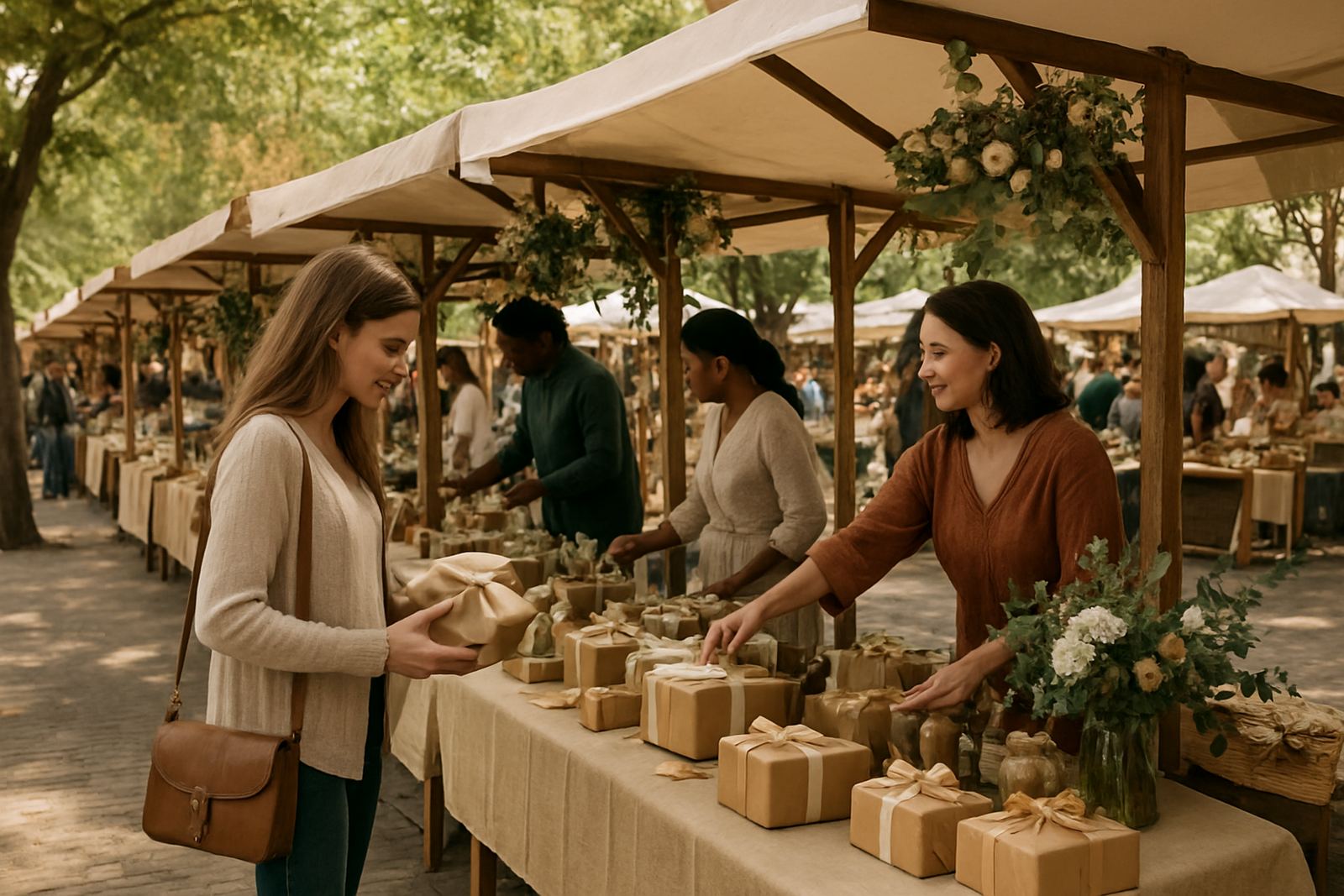
Clean presentation, decent spacing and a friendly welcome can turn a quick visit into a longer one. Shoppers also remember practical details, like whether there is enough room for prams, whether card payments are accepted, and if wrapped goods travel well in the car on the way home.
Why these completed examples matter
Completed market-day examples show how different communities and venues come together under the same banner. Each event reflects its local audience, maker mix and atmosphere, but all of them are shaped by the same practical approach to supporting small businesses. That includes market-day prep, stall styling, product pricing, packaging for sales and customer conversation.
If you are planning to trade, visit or book a future event, these examples give you a clear sense of what to expect. They also show how a market can stay local in feel while still working for different parts of Pretoria and nationwide. For enquiries, the team in Hatfield can help match makers to the right event and the right trading conditions.