School-Family Market Brief In Pretoria East
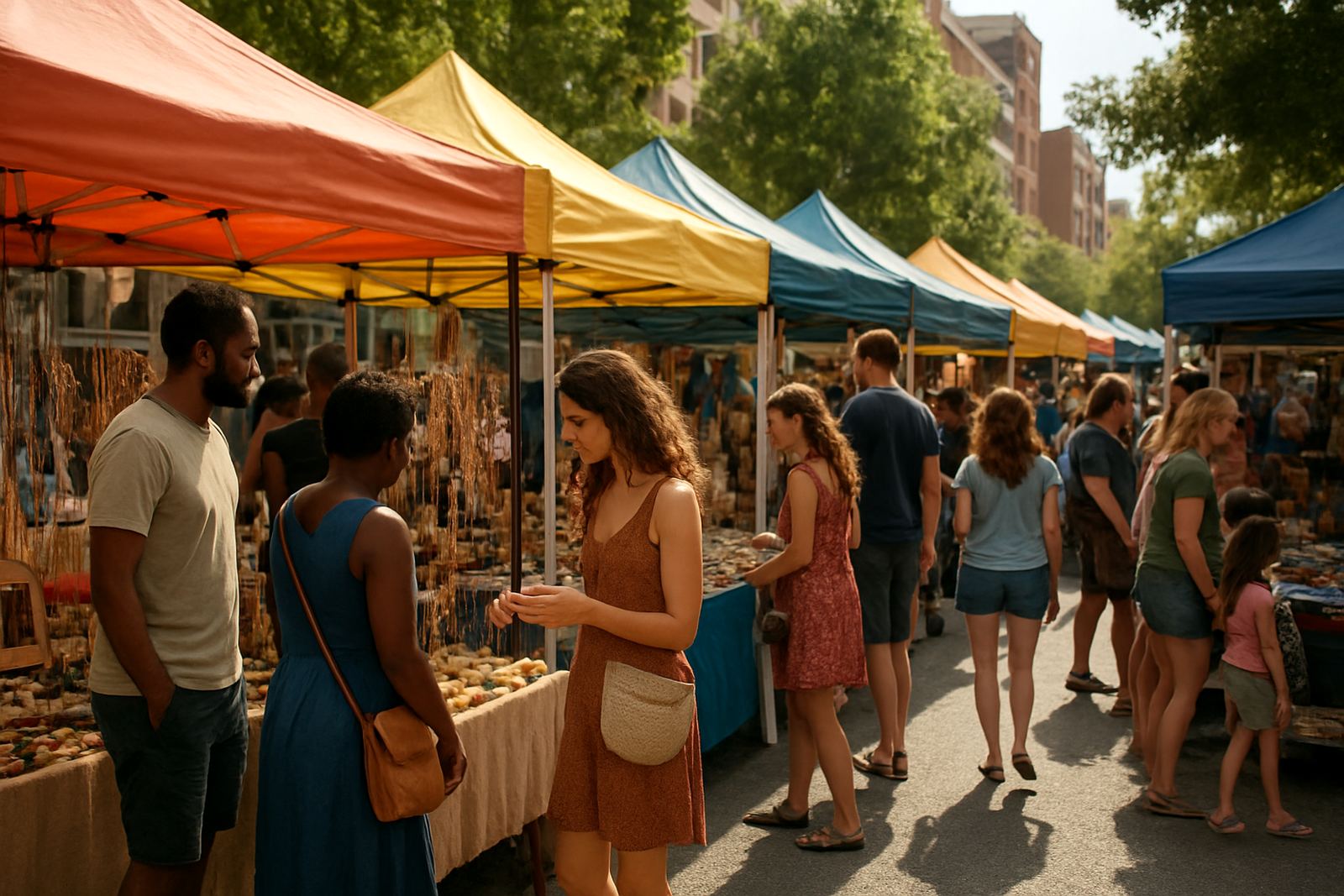
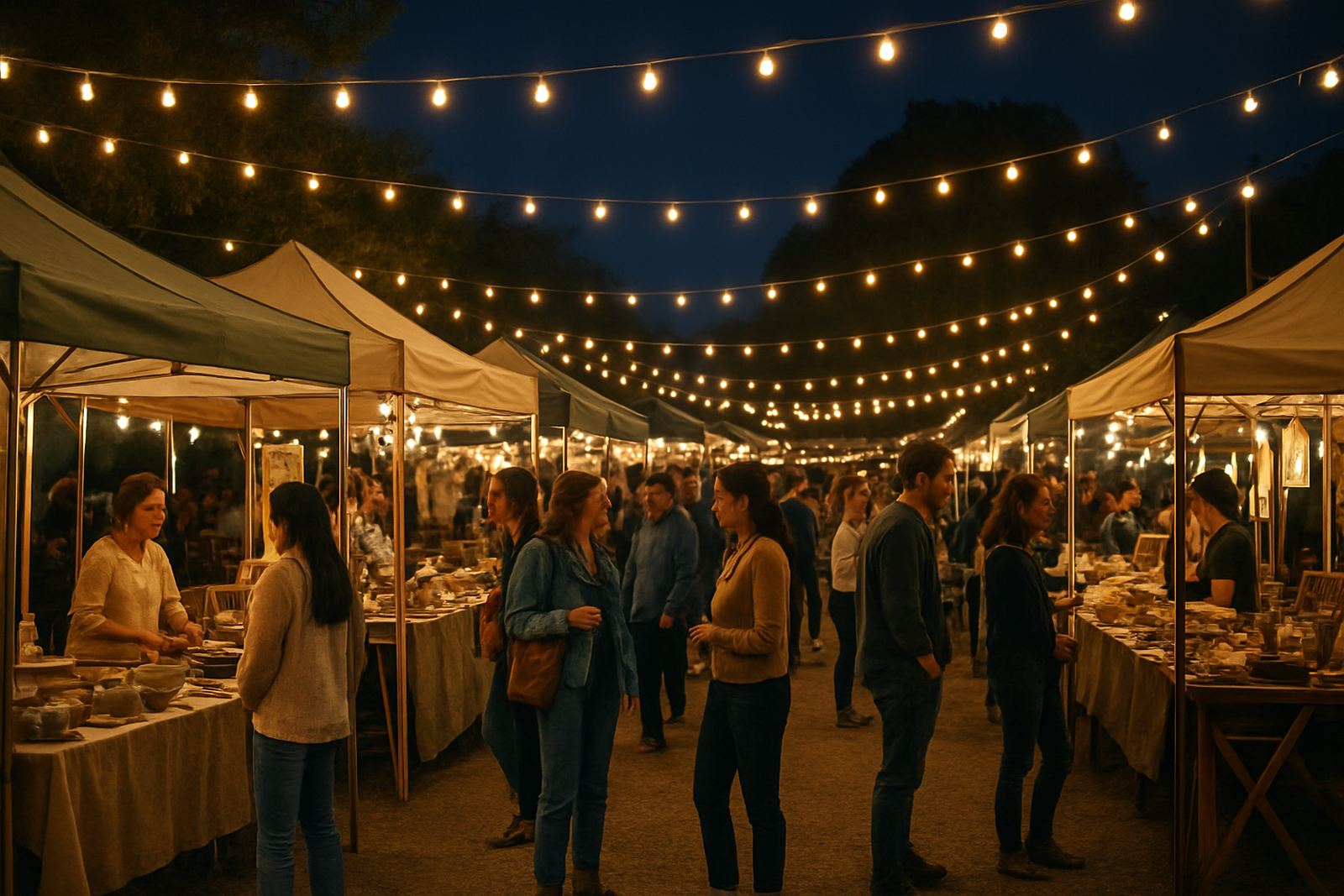
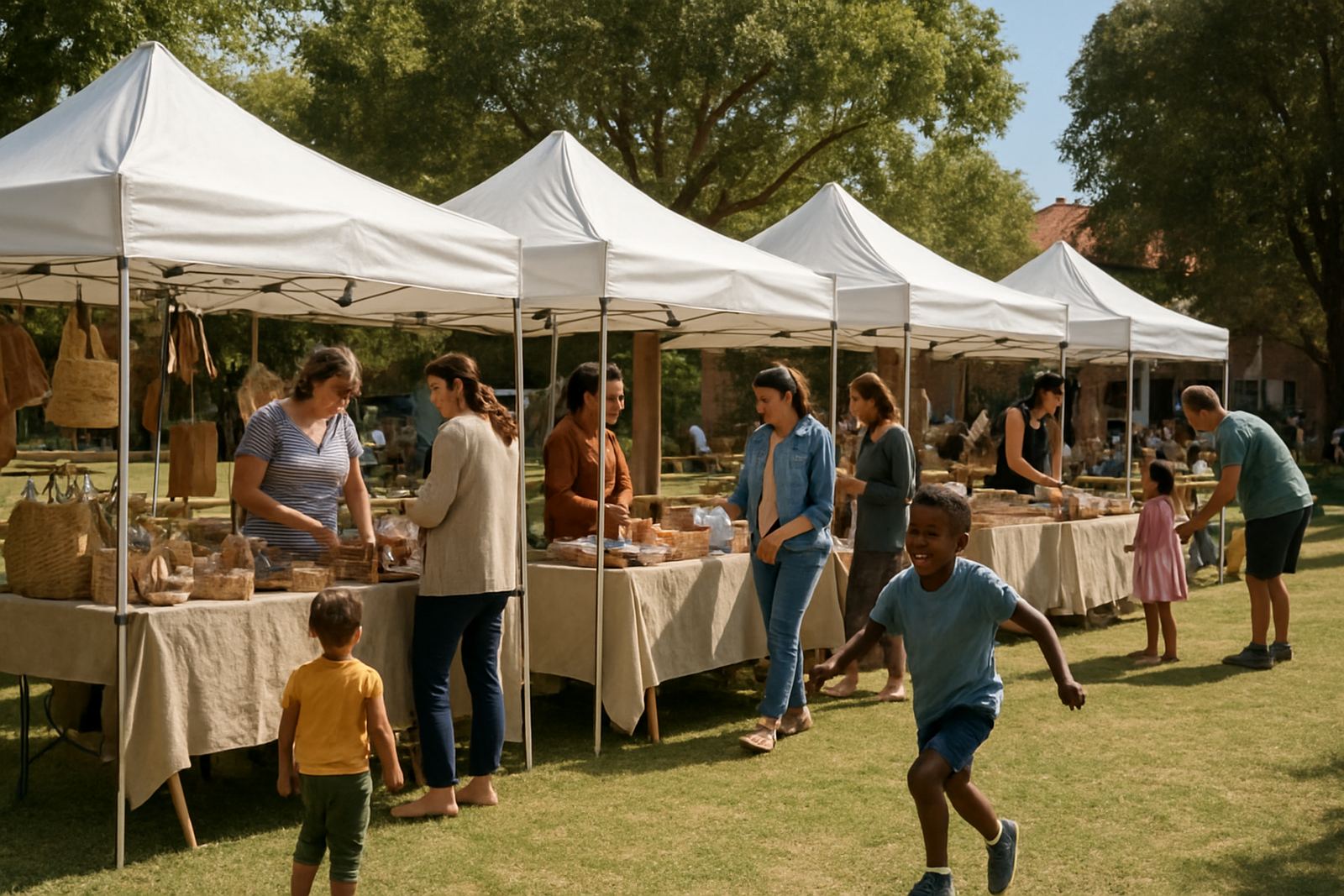
This project came from a Pretoria East school community that wanted a market people could enjoy after sport, between activities, or on the way home from a busy weekend. The aim was to create a useful market rather than a general fair, with stalls that suited families looking for small gifts, snack items and handmade goods that felt personal.
The client type was a school parent group working with a community event committee, so the focus was on easy planning, clear stall use and practical trading hours. The market needed to feel local and welcoming, but also tidy enough for a school setting where access, parking and learner safety all mattered.
- Location: Pretoria East school grounds
- Audience: school families, learners, staff and nearby residents
- Event type: weekend community market
- Product mix: handmade gifts, treats, small food stalls and useful family items
What The Event Needed To Handle
The brief was not complicated, but it did have clear limits. Stalls had to work in a school environment, which meant no clutter near walkways, no loose setup that could blow over in wind, and no food trading that would create problems with waste or hygiene. We also had to keep movement easy for prams, children and older visitors, so the layout needed proper gaps and direct sight lines.
Power use was kept low where possible and anything electrical was kept to a minimum. Where makers needed lights or warming equipment, the setup had to be simple and safe. Pretoria East can also get strong sun, so shade and water access were discussed early and not left to the last minute.
- Safe walking space between stalls
- Clear food handling and waste control
- Simple power use for a practical setup
- Shade planning for hot weekend trading
Market Layout, Stall Mix And Trading Rules
We supplied the stall plan and market flow, then matched makers to the spaces that suited their stock. The layout was arranged so browsing moved naturally from gifts to food, with a central area for families to stop, chat and decide what to buy. That helped trading because people stayed longer instead of rushing through one row and leaving.
The stall mix was kept broad but practical. Handmade home items, small-batch edible goods, cards, kids’ gifts and simple seasonal products all had a place. We also set basic trading rules for table presentation, pricing visibility and packaging, which made the whole event look more organised without turning it stiff.
- Checked stall sizes and set-up spacing
- Grouped similar products to improve customer flow
- Set simple display rules for pricing and packaging
- Balanced food stalls with non-food makers
What We Supplied And Ran On The Day
Our team handled the event coordination, maker communication and on-site market support. That included briefing sellers before the day, confirming arrival times, checking stall readiness and helping with any quick problems once trading began. We also supported the school committee with practical event notes so volunteers knew where to stand, when traffic changed and how the market should open and close.
We brought our usual maker-market experience into the project, especially around stall styling, customer conversation and packaging. For a school market, those details matter because many sellers are part-time traders and need a clear nudge on what helps sales. A neat display, visible pricing and ready-to-go packaging often make a real difference. It sounds small but it adds up fast.
- Pre-event maker briefing and coordination
- Stall readiness checks on arrival
- Support with display, pricing and packaging
- On-site problem solving during trading
Timeline And Delivery In Weeks
The project ran over 4 weeks from first brief to event close-out. Week 1 covered the school committee discussion, market format and stall count. Week 2 focused on maker recruitment and layout planning. Week 3 was used for confirmations, practical trading notes and event day preparation. Week 4 covered setup, trading and post-event feedback.
That short timeline meant decisions had to be quick, but it also kept momentum strong. Everyone knew what was happening and when, and there was enough lead time for sellers to prepare their stock without feeling pushed around at the last minute. We find school markets work best when the admin stays tight and the instructions are plain.
- Week 1: brief, site needs and market scope
- Week 2: maker selection and layout draft
- Week 3: confirmations and seller guidance
- Week 4: setup, trading and wrap-up
Results, Feedback And What We Would Repeat
The market gave the school community a useful local outing with real buying activity, not just foot traffic. Families came for gifts and snacks, then stayed for a browse and a chat, which is exactly what a school market should do. Sellers reported good interest in practical products and small treats, especially items that could be picked up quickly as thank-you gifts or weekend extras.
The strongest result was the atmosphere. It felt neighbourly, calm and organised, with enough variety to keep adults interested and enough simple treats to keep children happy. If we did the project again, we would keep the same clear stall grouping, add a slightly bigger holding area near the food section, and reserve extra space for simple seating because people always want to sit down once they have bought something.
- Good family turnout and steady buying
- Strong response to practical gifts and food items
- Positive feedback on flow and stall presentation
- Useful model for future school weekend events
Best-Fit Services For Future School Markets
For this kind of project, our most useful services are the ones that help small sellers trade well in a community setting. That includes prep for first-time makers, packaging for sales, pricing products clearly and getting food stalls ready without overcomplicating the setup. We also use market photography and customer conversation guidance when a group wants to improve repeat attendance and seller confidence.
For Pretoria East schools and similar local communities, the same formula works well: keep it practical, keep it tidy, and give makers a clear way to present stock. When the event is for families, people notice the small things such as clean tables, readable prices and easy access. Those details matter more than people think.
- First Market Prep
- Packaging For Sales
- Pricing Products Workshop
- Customer Conversation Workshop
Key facts
| Project type | Community school market |
|---|---|
| Area | Pretoria East |
| Audience | School families and local residents |
| Timeline | 4 weeks |
| Event format | Weekend market with family-friendly stalls |
| Focus | Practical gifts, treats and small-batch products |