A Soweto Market Built Around Local Trading
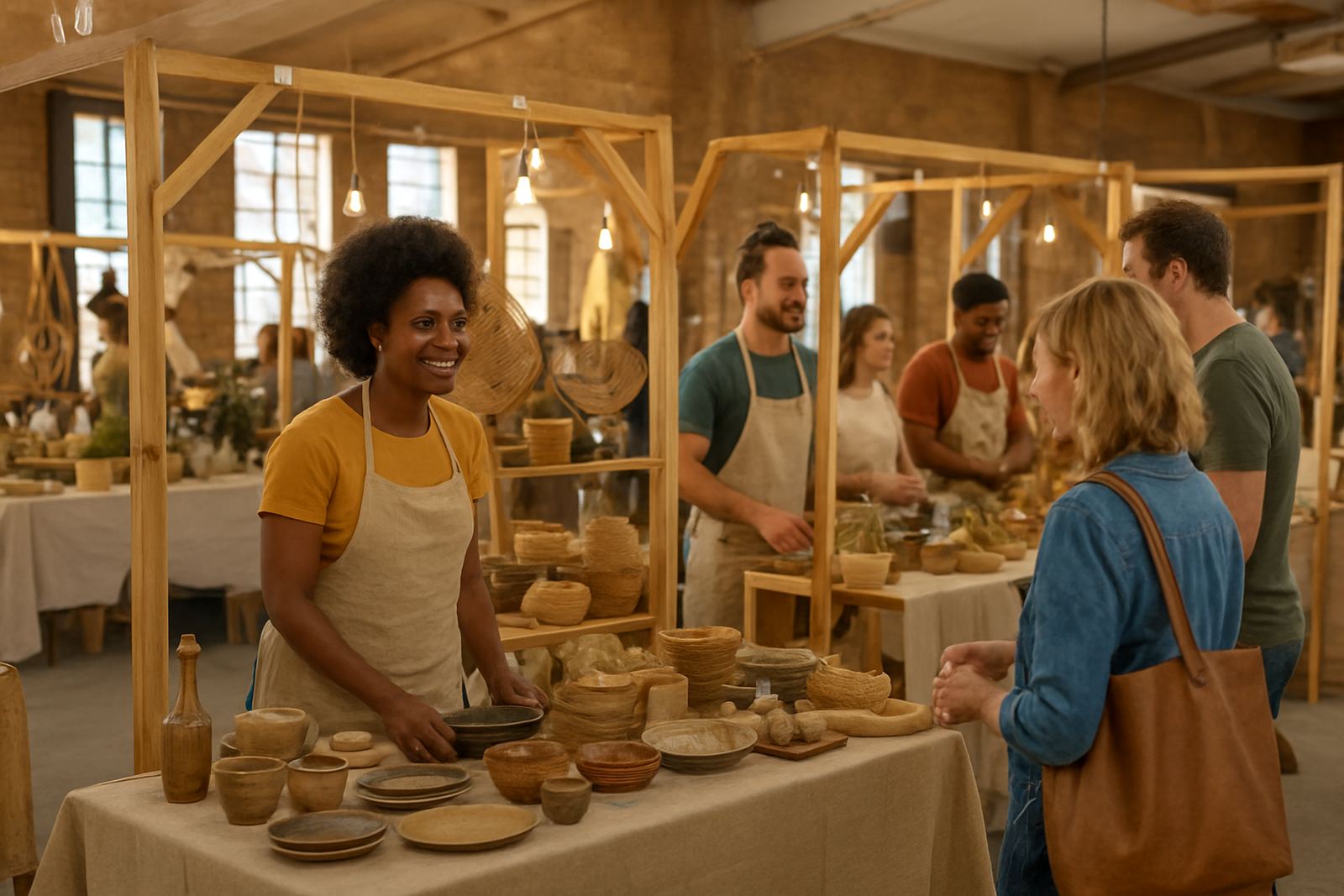
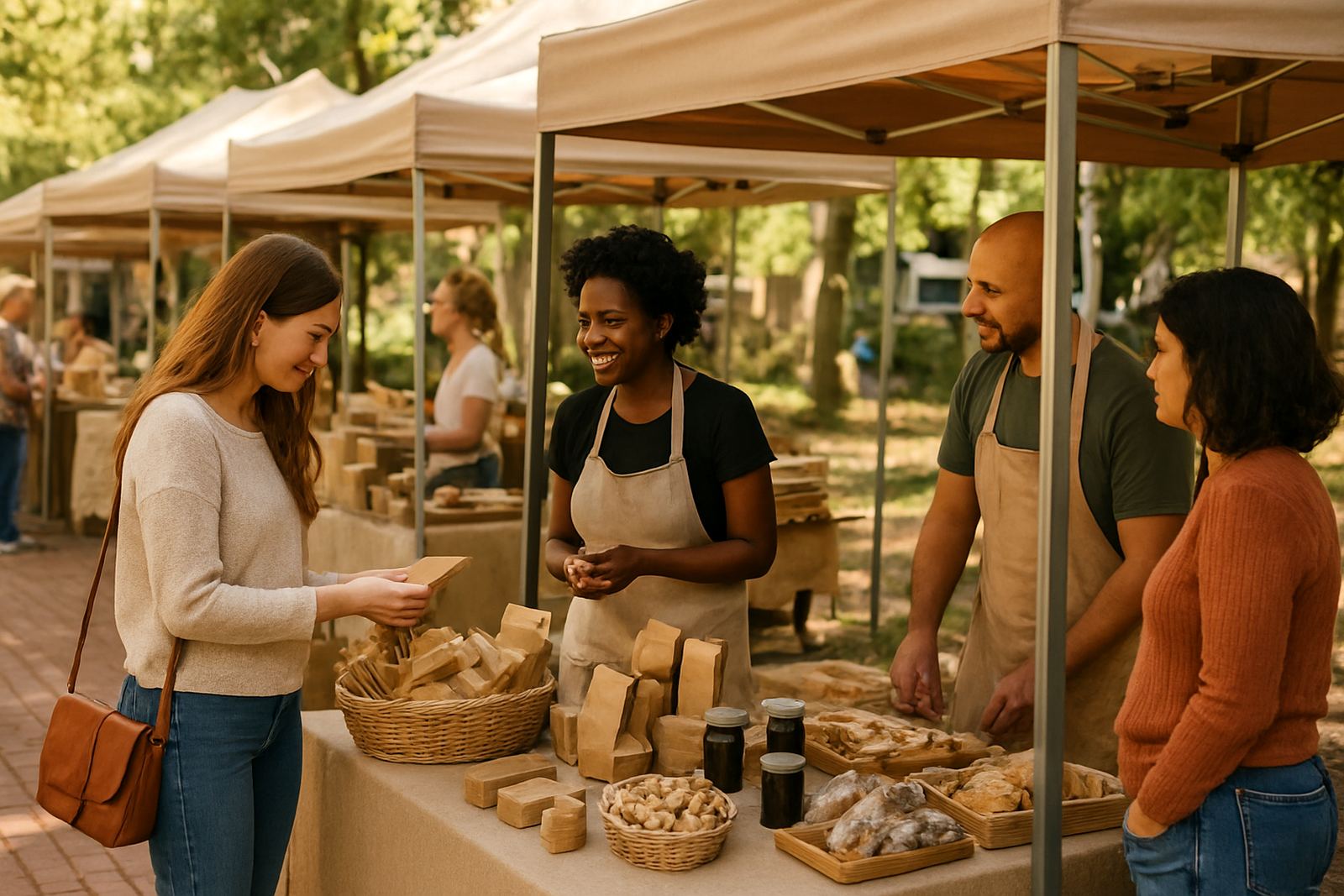
The brief was to build a market that would feel welcoming, safe and worth the trip for shoppers coming from across Johannesburg. It also needed to support vendors with very different setups, from craft tables to food stalls, while keeping the overall look neat and easy to move through.
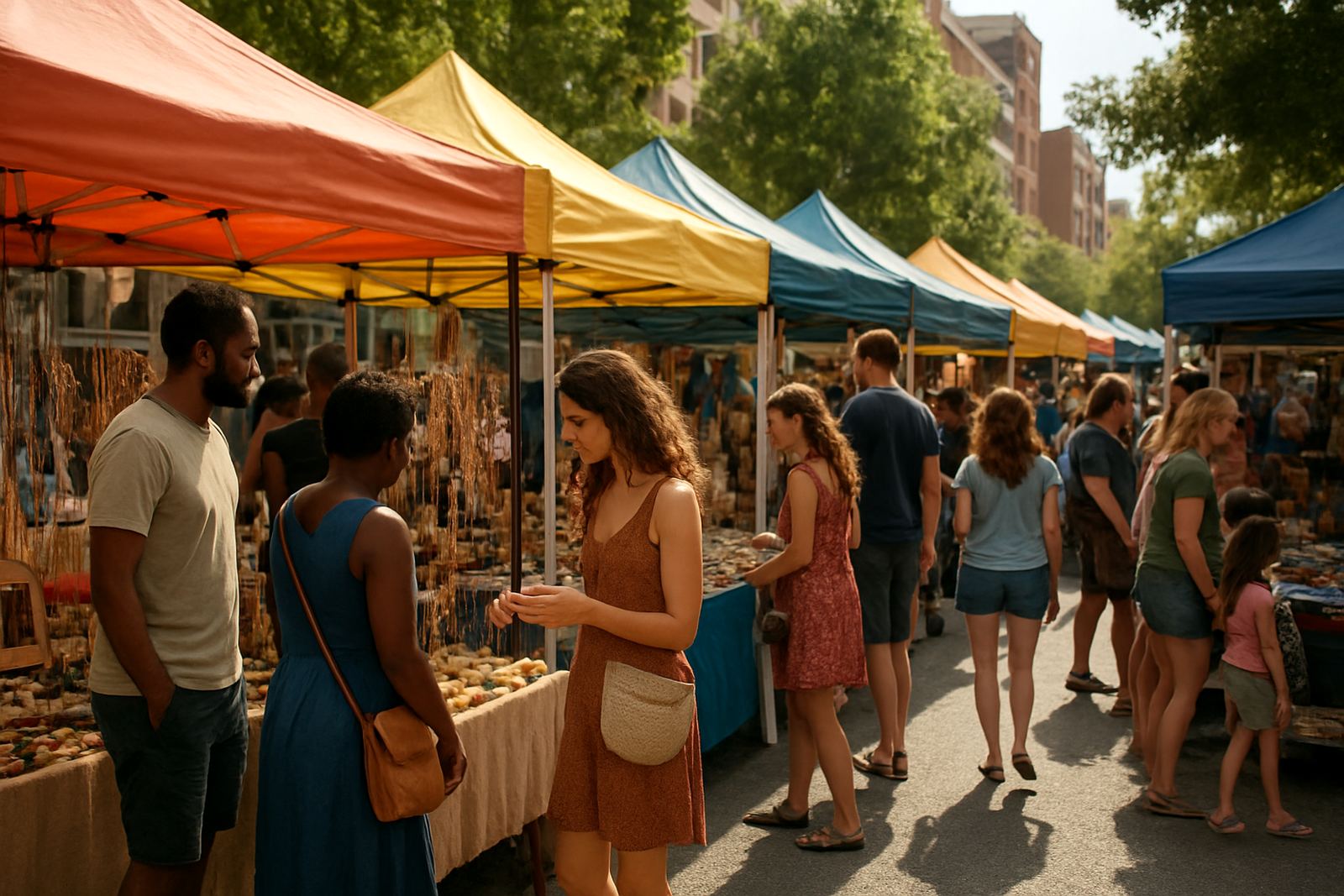
There were a few clear constraints. The site needed a layout that could manage pedestrian flow in busy periods, enough shade for vendors and stock, and reliable access to essentials for trading through the day. Because food was part of the offer, we also had to allow for hygiene, waste handling and basic separation between prep areas and walk-up sales.
- Space planning for mixed stall sizes
- Weather planning for sun and light summer rain
- Trading notes for exhibitors when power is interrupted
- Waste and food handling guidance for stallholders
What We Supplied For The Pop-Up
We supplied the planning support needed to turn the idea into an event that could actually run. That included market structure, trader guidance, workshop input for sellers and content support that helped the event feel local, practical and easy to understand before market day.
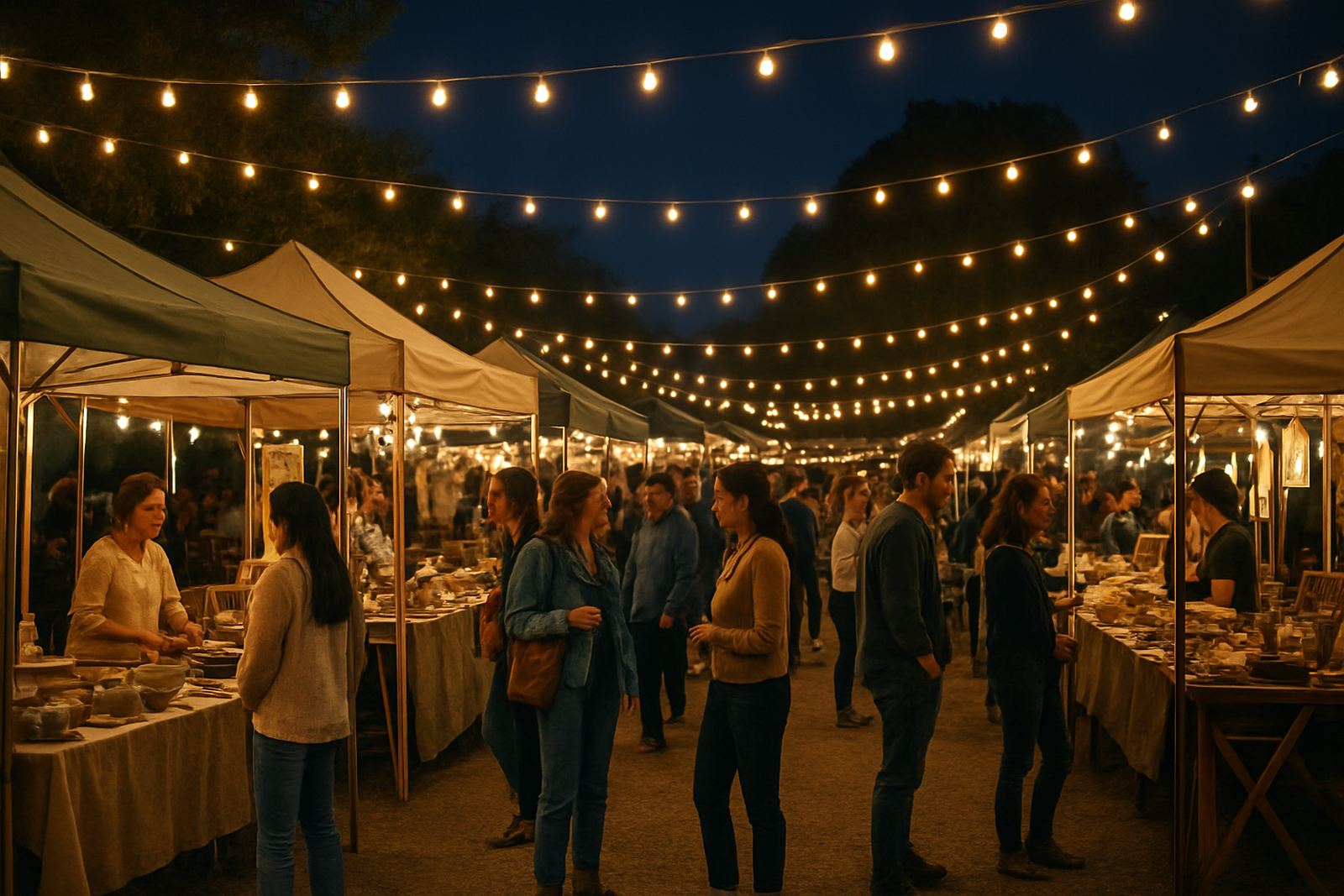
Our team worked on stall presentation advice, pricing support and packaging tips so makers could show stock properly and sell with more confidence. For food traders, we added food stall basics so they could think through serving flow, clean surfaces and fast transactions during peak times. We also helped shape the maker night side of the programme, so the event could work as both a daytime market and a community social outing.
- Stall styling guidance for handmade products and gifting
- Pricing products workshop input for new sellers
- Packaging for sales advice for fragile and food items
- Customer conversation support for higher conversion at busy stalls
- Food stall basics for traders serving hot and cold items
Five Weeks From Brief To Market Day
The project ran over five weeks from first briefing to event week. That timeline gave enough room to confirm trader needs, map the site, prepare market communications and brief vendors properly without rushing the details that matter on the day.
Week one covered the brief, audience and market goals. Week two focused on trader selection and stall mix. Week three was used for layout, seller prep and practical logistics. Week four covered content, customer-facing messaging and final checks. Week five was event week, with setup guidance and on-the-ground coordination.
- Week 1: brief and market goals
- Week 2: maker selection and stall balance
- Week 3: layout and logistics
- Week 4: trader prep and marketing support
- Week 5: setup, trading and wrap-up
Results That Helped Traders And Visitors
The result was a market that gave local makers a stronger trading platform and gave visitors a reason to stay longer. The mix of craft, food and social activity made the day feel complete, and traders reported that the audience was open to talking, browsing and buying rather than just passing through.
For the client, the biggest gain was having a market format that could be repeated and adapted for future Soweto dates. It gave them a clear way to support small businesses while building a recognisable community event around local talent. It also created a practical test bed for future pop-up markets in other areas.
- Better trader confidence through clearer prep
- Stronger shopper dwell time from mixed offerings
- Improved vendor presentation and product visibility
- Reusable structure for future community market dates
What We Would Do Again For The Next One
For a market like this, we would keep the same focus on simple planning and real trading needs. The best outcomes came from making sure the vendors were prepared, the site was easy to move through and the offer had enough variety to keep families interested for longer.
We would also keep the workshop support in place, especially for first-time sellers. In markets like Soweto, practical help with pricing, packaging and conversation makes a noticeable differnce to how stallholders perform. That support is worth repeating because it improves both the trader experience and the buying experience.
- Keep the stall mix balanced across food, craft and gifting
- Repeat maker prep workshops before event day
- Build in more shade and loading time for early setup
- Plan for simple backup trading steps
Key facts
| Project | Soweto Pop-Up Market |
|---|---|
| Location | Soweto, Gauteng |
| Client type | Local community market organiser |
| Timeline | 5 weeks |
| Event format | Weekend pop-up market and maker gathering |
| Key focus | Local creativity, gifting, food trading and social gathering |