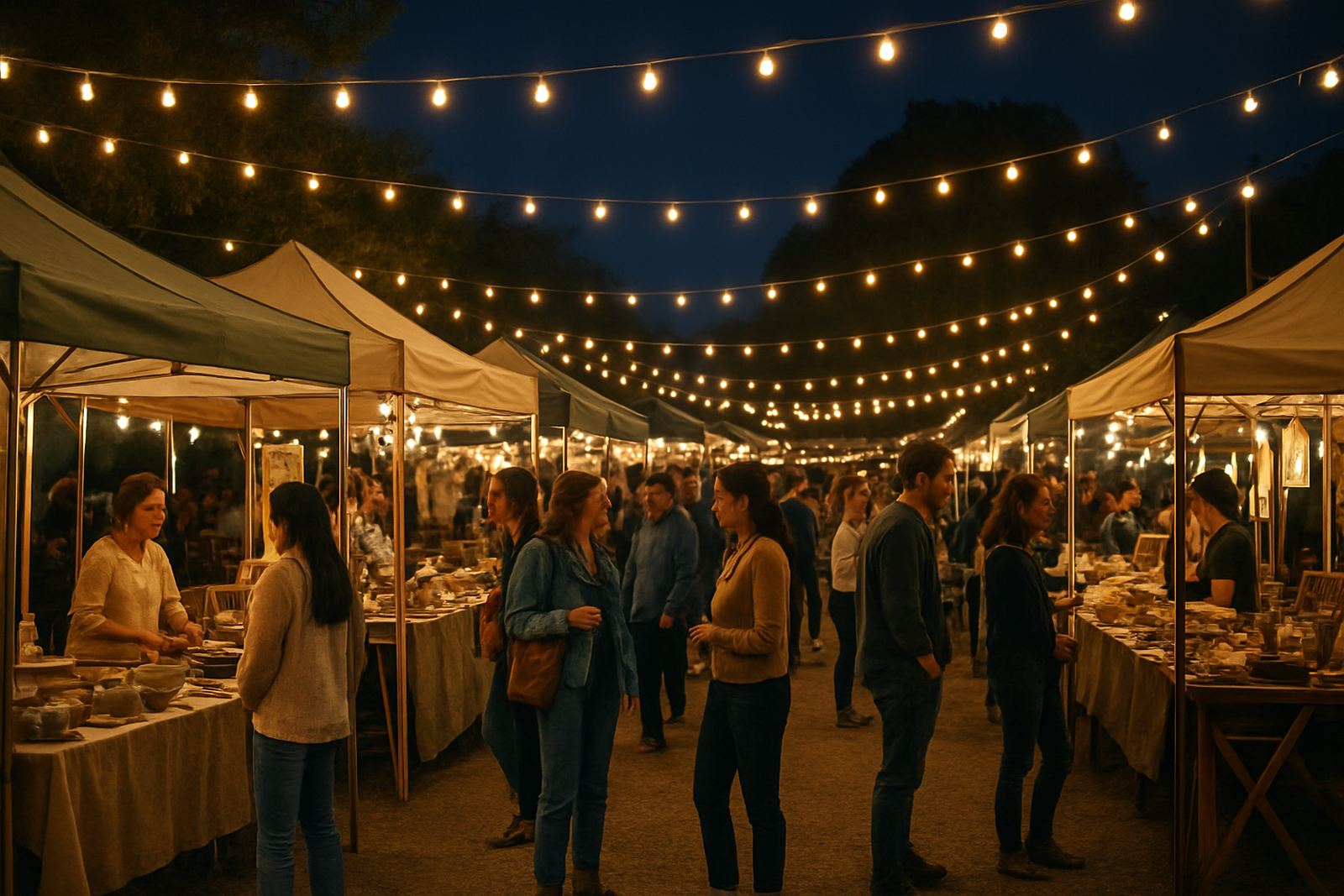
What the Silverton brief called for
The brief came from a Pretoria-based event organiser working with a mix of new vendors, side-hustle makers and a few small food businesses in Silverton. The ask was simple enough on paper: create a market that felt welcoming, kept setup costs down, and still gave every stall a proper chance to sell.
The client wanted a market that could handle first-time traders who had never packed for a public event before, as well as more experienced sellers with small batch items. The focus was on affordability, clear stall presentation and a friendly buying atmosphere for local families, friends and weekend shoppers.
- Area: Silverton, Pretoria east
- Format: one-day maker market with prep support
- Main audience: local families, curious shoppers and support-buyers
- Vendor mix: handmade homeware, gifts, baked goods and light food offerings
Practical limits on the ground
Silverton brings a few practical issues that matter on market day. Parking needs to be simple, stall access has to work for small cars and bakkies, and vendors need a setup that still looks tidy when the wind picks up in the afternoon. Food sellers and card machines also need dependable power planning so trading can keep moving if electricity drops during the day.
The market also had to suit makers who were pricing below the usual craft-market level. That meant keeping the stall design clean but low-cost, with clear signage and product groupings that helped shoppers understand value quickly. For some vendors, this was their first proper trading test so the layout had to lower the stress not add to it.
- Power planning for charging, lighting and payment devices
- Simple stall footprints that fit folding tables and gazebos
- Weather-aware layout for sun, wind and late afternoon heat
- Basic compliance guidance for food handling and display
What we supplied and how it was run
We handled the market planning support, vendor onboarding, stall advice and a focused pre-event prep process. Thembisa Tshabangu led the overall direction, with Hennie Basson managing market flow, Nompumelelo Mchunu handling maker communication and Naadirah Rhoda shaping the prep material for first-time sellers. Vuyo Bhengu coordinated the event-day schedule and Neels Schoeman handled the content capture and vendor promotion.
The support package included a First Market Prep session, Packaging For Sales advice and a short Pricing Products workshop so vendors could make quick decisions on the table, not in the morning rush. We also built a simple maker checklist covering cash float, card reader charging, shade, cooler boxes, wrapping materials and signage.
- Vendor induction and stall allocation
- Pricing guidance for affordable ranges
- Packaging advice for gifts and food items
- Market photography support for social sharing
Timeline and delivery steps
The project ran over four weeks from first planning call to market day. Week one covered the vendor list, event goals and Silverton site checks. Week two focused on maker communication and the early workshop session. Week three was for stall allocations, pricing checks and final reminders. Week four covered bump-in, trading hours and post-event follow-up.
That timeline gave enough room for first-time vendors to fix gaps without feeling rushed. A few makers changed their packaging after the workshop, and one food stall adjusted its menu to suit quicker service and less waste. It was small stuff, but it made a real difference on the day.
- Week 1: brief, site review and vendor selection
- Week 2: prep workshop and supplier readiness checks
- Week 3: stall plan, pricing review and event notices
- Week 4: setup, trade day and results review
Results that matter to small traders
The market brought in a steady local turnout, with strong interest in low-priced handmade gifts, home items and easy takeaway food. First-time vendors reported that the clear pricing and packaging guidance helped them hold firmer margins, rather than dropping prices just to make a sale. Several stalls sold through their smaller lines before the end of the trading window.
For the client, the biggest win was that the event felt organised without looking over-produced. Families stayed longer because the stalls were easy to browse, the food offering was practical and the atmosphere felt like a proper community outing. One vendor said it was the first market where people understood what she was selling before she had to explain it three times.
- Improved vendor confidence at point of sale
- Better product grouping and clearer price points
- Good foot traffic for a first-run Silverton event
- Useful content images for later promotion
What we would carry through to the next market day
We would use the same approach again: start early, keep the stall rules plain, and give first-time vendors concrete prep help instead of vague encouragement. For a market like this, the winning formula is not fancy decor. It is reliable shade, decent table presentation, sensible pricing and enough guidance for people who are still learning how to trade.
For a future Silverton or Pretoria east event, we would add one more short session on Customer Conversation and one tighter check on packaging for heat-sensitive stock. In summer, that matters. In winter, we would push the timing a bit earlier so shoppers can move through the market before the cold settles in.
- Keep the event size manageable for new vendors
- Repeat the pricing and packaging workshop bundle
- Use the same low-cost display rules and bump-in plan
- Schedule food sellers with clear service windows
Key facts
| Project type | Community maker market for first-time vendors |
|---|---|
| Town | Silverton, Pretoria east |
| Timeline | 4 weeks from brief to trade day |
| Audience | Families, local shoppers and support-buyers |
| Vendor focus | Affordable handmade goods and light food stalls |
| Support supplied | Workshops, stall planning, vendor onboarding and event coordination |