Project brief for a student-friendly Pretoria market
The client needed a weekend market concept that could pull in students, nearby residents and casual visitors without pushing stallholders into expensive stock or complicated setups. The emphasis was on handmade goods, small gifts, sweet and savoury snacks, and items people could buy on a modest budget, from around R25 to R250.
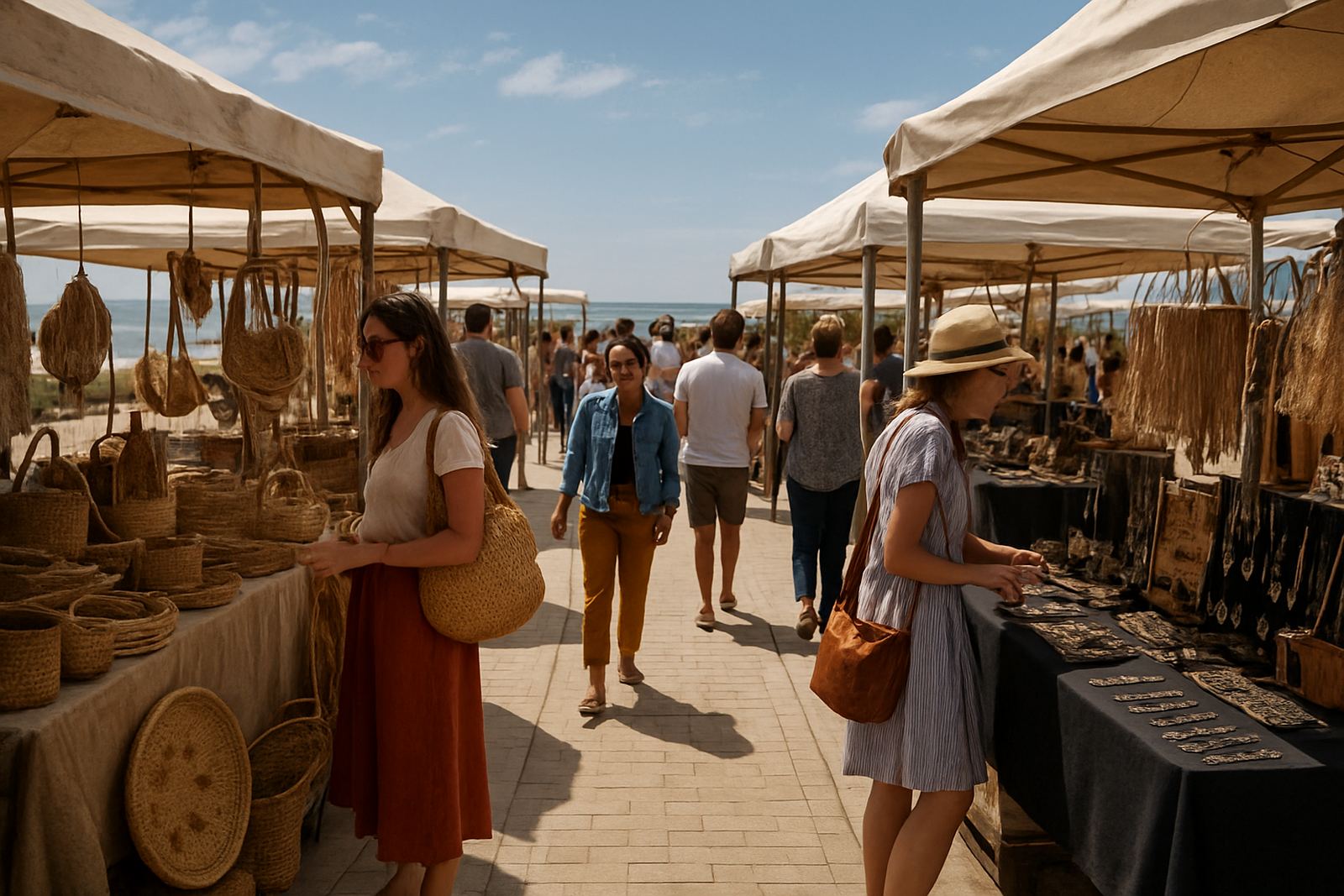
Hatfield already had strong foot traffic on market days, but Lynnwood needed its own rhythm. The brief asked for a younger mix, brighter energy and easier buying decisions, with enough variety to keep people on site for an hour or two. We planned for a market that felt open, social and easy to navigate, even when the weather turned hot or a summer storm rolled in.
Constraints that shaped the layout and stall mix
The site had to work around campus access, short setup windows and the usual Pretoria weekend parking pressure. Trading hours were kept tight so stallholders could set up early, trade through the busiest window and pack down before evening traffic built up. We also had to keep the layout friendly for people carrying bags, takeaway cups and snack boxes.
- Compact walkways for steady foot traffic
- Simple power planning for low-energy stalls and phone charging
- Shade and shelter options for heat, wind and sudden rain
- Clear separation between food prep areas and craft tables
- Space for maker nights and smaller weekday pop-ins when needed
We planned the market so makers could trade with minimal dependence on power, and any equipment that did need electricity was grouped and managed carefully. That kept the setup steady, even when a generator was not an option or a plug point was limited.
What Local Makers Market supplied
Our team handled the market prep from trader guidance through to event-day coordination. The goal was not only to fill tables, but to help each maker sell better, price smarter and present stock in a way that matched a student budget audience. Thembisa Tshabangu oversaw the project, with Hennie Basson managing site flow and setup, while Nompumelelo Mchunu worked closely with makers on product mix and trading readiness.
- Stall Styling Workshop for table layout, height and display flow
- Pricing Products Workshop for lower-ticket items and bundle offers
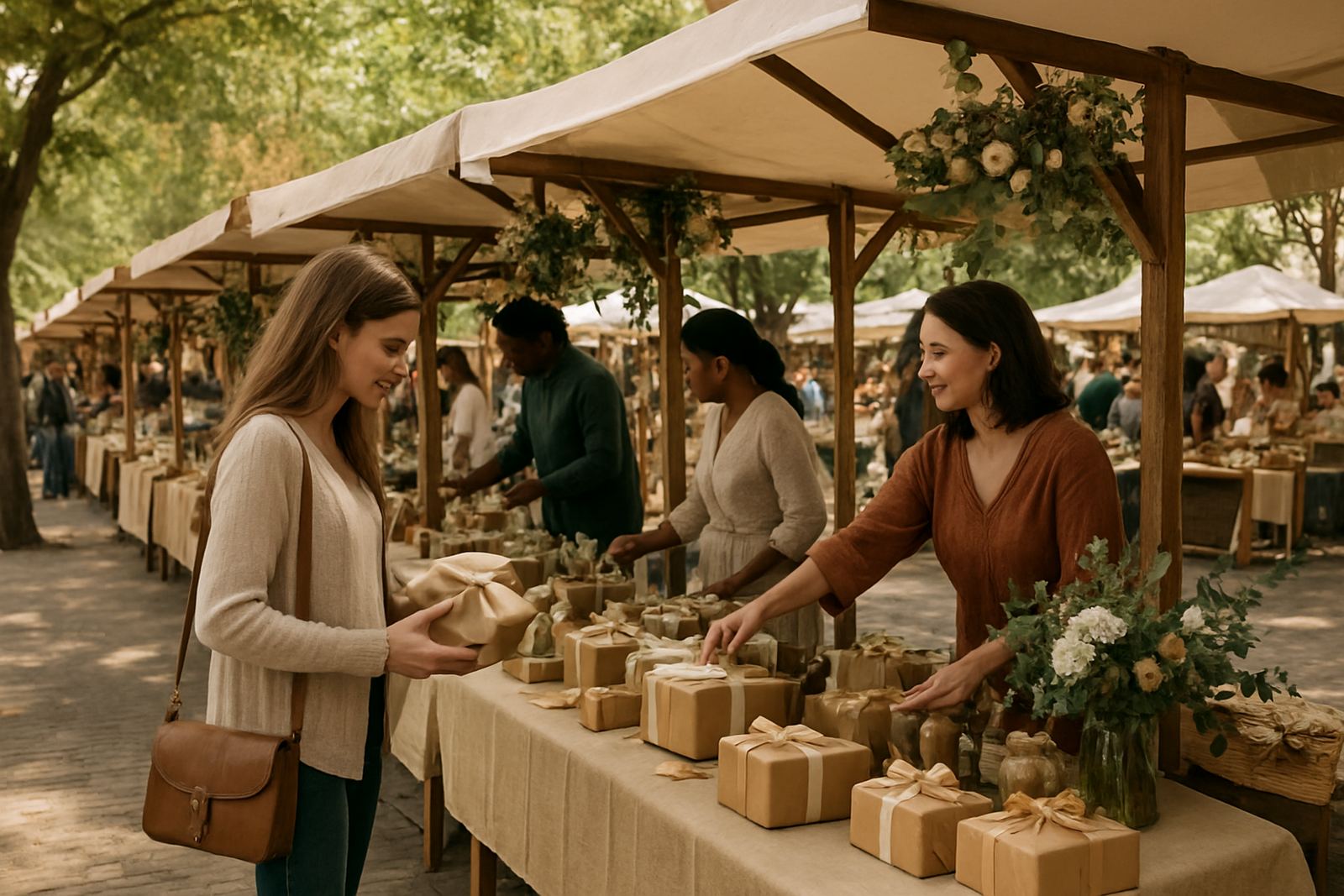
- Packaging For Sales guidance for snacks, gifts and takeaway items
- Customer Conversation Workshop for quick, friendly selling
- Food Stall Basics for hygiene, serving points and stock handling
- First Market Prep for new traders joining the Lynnwood line-up
Naadirah Rhoda also supported makers who wanted small group sessions on seasonal selling and maker night planning, especially for traders working with candles, small ceramics, baked goods and printed gifts. Neels Schoeman captured the event content and kept trader information current for visitors looking for the next market date.
How the market was rolled out over four weeks
The project ran over four weeks from planning to first trade. Week one focused on trader recruitment and product checks, week two on site layout and stall sizing, week three on workshops and final confirmations, and week four on the live market setup and first trading run. That pace gave everyone enough time to adjust stock without dragging the process out.
One of the useful decisions was to keep the maker mix practical. Rather than filling every gap with similar products, we balanced crafts, snacks and small gifts so visitors could move from one purchase to the next without feeling the stalls repeated themselves. It made the market feel fuller, not crowded.
The result was a market that suited quick visits and longer social stops. Families could browse while students picked up a gift, something sweet or a room item, and traders had a better chance of making repeat sales from people who stayed on site for a while.
Results from the Lynnwood trading days
Lynnwood Campus Market delivered the kind of trading that suits a younger audience: frequent small purchases, strong interest in affordable handmade goods and steady snack sales through the busiest hours. Traders reported that bundles and lower price points worked well, especially where items were easy to carry and simple to explain in one sentence. A few makers also found that weekend buyers returned asking for the same products at the next pop-up.
- Stronger response to items priced for student budgets
- Good demand for edible gifts, stationery-style crafts and small home items
- Better trader confidence after the pricing and conversation sessions
- Cleaner stall presentation and quicker pack-down at closing time
The market also benefited from the community feel. People came in groups, stayed longer than expected and shared stalls they liked with friends. That sort of word-of-mouth matters in Pretoria, because a market that feels easy and welcoming gets remembered. One trader said the packing flow alone saved them nearly half an hour, which is no small thing on a hot Saturday.
What we would do again for future campus markets
We would keep the same mix of compact stalls, affordable stock and simple signage, because it matched the audience well. For future campus markets, we would also push more small-batch gifting lines and ready-to-go snack packs, since those sold well and did not slow down the queue. The format works best when visitors can buy quickly, then stop and chat if they want to.
For the next round, we would add a little more shade for mid-day trading and keep the set-up guide even tighter for first-time makers. We would also continue using short, practical training before the event rather than long theory sessions. That approach suits local traders, and it keeps the focus on trading not paperwork.
Local Makers Market continues to use the Lynnwood model as a good fit for weekend campus trading in Pretoria: low-barrier entry for makers, decent foot traffic, and enough flexibility to suit seasonal changes, school calendars and public holiday weekends.
Key facts
| Project | Lynnwood Campus Market |
|---|---|
| Town | Pretoria, Lynnwood |
| Client type | Campus-adjacent weekend market audience |
| Timeline | 4 weeks from planning to first trading day |
| Market mix | Affordable crafts, snacks and student-friendly gifts |
| Core support | Workshops, stall prep, pricing guidance and event coordination |