Project brief for a Durban coastal market
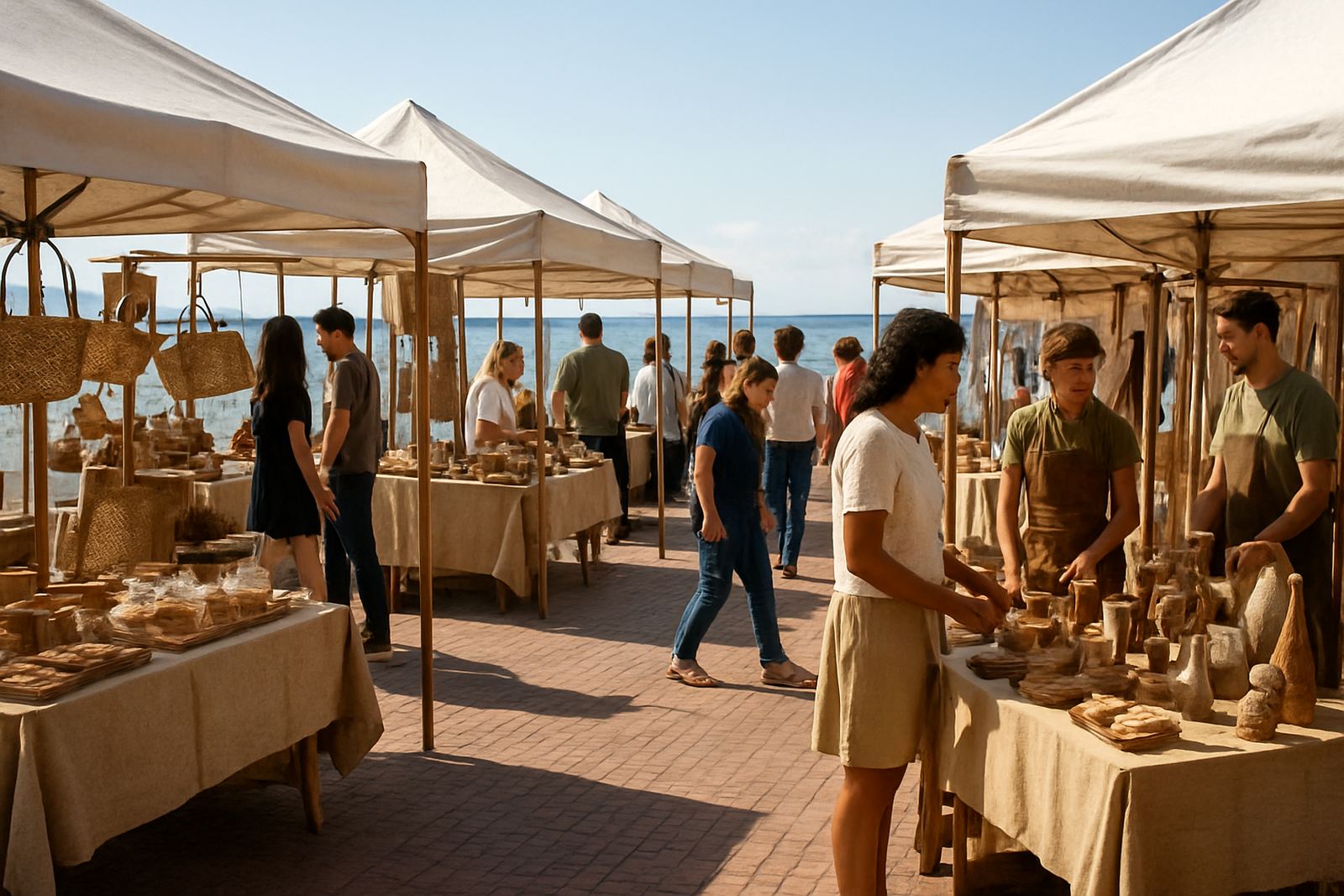
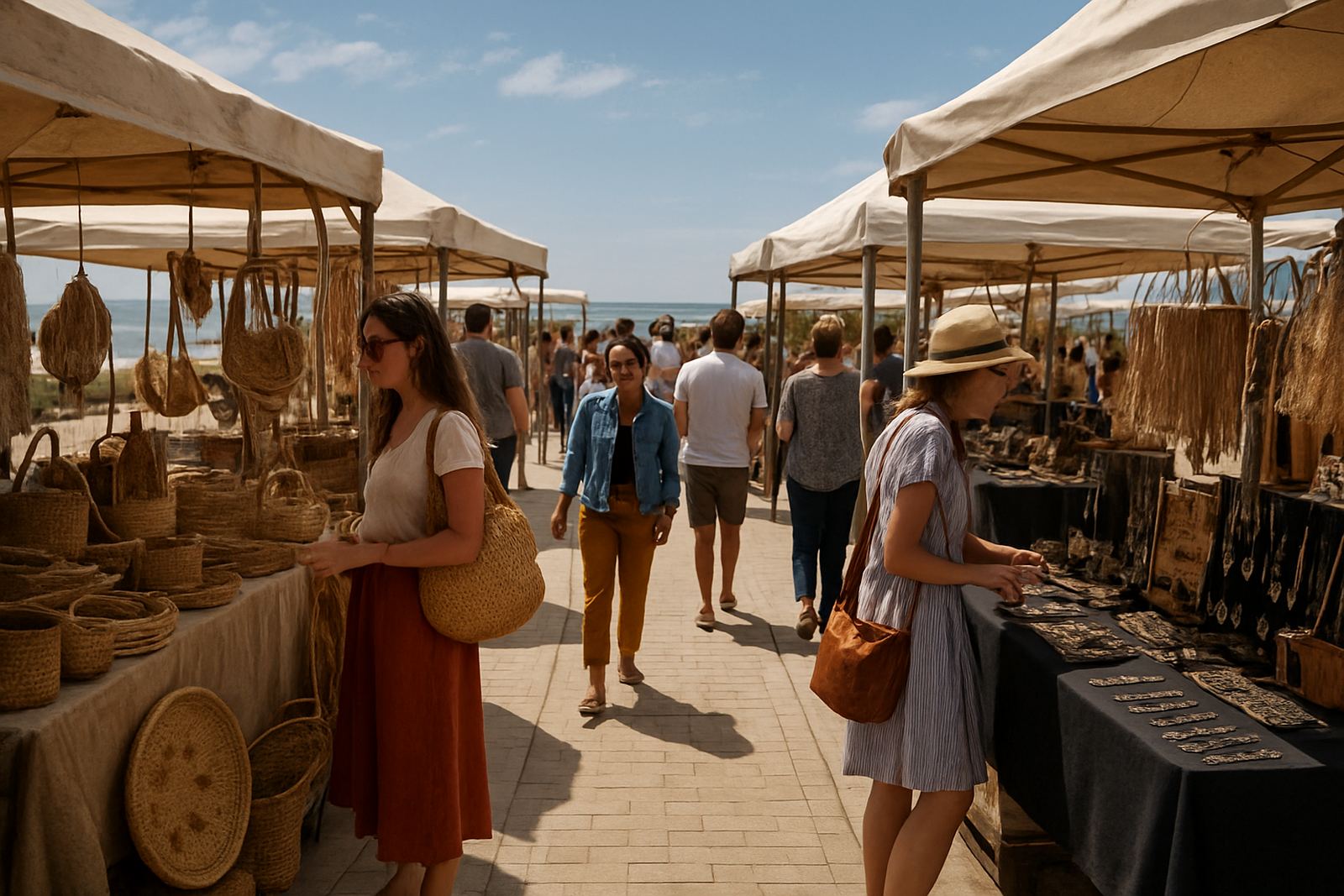
The client was a local events organiser in Durban looking for a one-weekend makers market on the beachfront, aimed at holiday-minded shoppers, families and tourists who wanted something more personal than a standard retail stop. The brief was clear: create a lively trading space for small makers, keep the stalls easy to browse, and make sure the event felt cheerful without becoming messy or hard to manage.
Because the site sat close to the sea, the setup needed to handle salt air, strong afternoon wind and bright sun. Traders also needed practical guidance for stock protection, packaging, cashless payments and display height so products stayed visible above table level and did not blow over with the first gust. The organiser wanted the event to feel polished, but still informal enough for people to stop, chat and buy on impulse.
For food traders and any stall using lighting or point-of-sale devices, the plan had to allow for backup power, battery lights and simple trading systems that did not depend on the grid. That shaped the whole layout and the advice we gave each maker before the weekend.
What we supplied and how the market was run
Local Makers Market put together the maker line-up, guided stall holders on pricing and display, and coordinated the trading flow with the event team. Hennie Basson handled market operations, while Nompumelelo Mchunu worked with makers on product mix and customer-ready presentation. Vuyo Bhengu managed the event build-up and trading day timings, and Naadirah Rhoda supported the workshop material for traders who needed help before the market opened.
The support package included pre-event preparation sessions and on-the-day market management. Makers were given practical advice on table layout, packaging, queuing space, signage and stock rotation. The aim was not just to fill a space but to make it easy for people to buy quickly, especially during peak foot traffic between 10am and 2pm when the beachfront was busiest.
- Stall styling guidance for tables, risers and hanging displays
- Pricing advice for handmade goods, gift items and food products
- Packaging support for carry-away sales and fragile stock
- Customer conversation tips for busy trading periods
- Food stall basics for heat, hygiene and product holding
The photography and digital content support helped traders and the organiser capture the event clearly for future promotion. Neels Schoeman handled content capture notes and post-event assets, keeping the focus on real trading moments, product detail and crowd flow rather than staged scenes. It was a simple approach, but it gave the organiser something useful for next time.
Constraints from the beachfront site
The beachfront location made this project more demanding than a normal indoor market. Wind direction changed through the day, sand moved into the walkways, and some stalls needed extra weight at the base of display stands. We kept awnings and hanging signs low enough to stay stable, and we avoided any display that would block sightlines across the aisle. That helped families move through comfortably with prams and shopping bags.
There were also municipal and safety matters to consider. The trading plan had to leave enough clearance for emergency access, waste collection and food service hygiene. We worked within the event team’s permit requirements and set out stall spacing so traders had room to unpack, serve and re-stock without crowding their neighbours. In a coastal setting, small details matter because one loose box or wet cable can slow the whole row.
- Weekend trading window: 2 full days
- Primary crowd period: late morning to mid-afternoon
- Weather factors: heat, wind, salt air and glare
- Trading mix: crafts, gifts, baked goods, sauces and small batch products
- Power planning: battery lighting and backup charging for key stalls
We kept the layout simple enough to read at a glance. Traders knew where to park, where to load in, where the walkways were and which stalls needed extra shade. That reduced confusion at arrival and saved time when the market opened.
Timeline and delivery in weeks
The full project ran over four weeks. Week 1 was planning, stall mapping and maker recruitment. Week 2 focused on trader briefings, display guidance and product checks. Week 3 covered final logistics, signage, site walk-throughs and power planning. Week 4 was the event itself, including setup support, live market coordination and wrap-up after trading.
That timing gave us enough space to deal with practical issues before the weekend, rather than fixing them on the day. It also gave traders time to adjust their stock mix. Several makers changed from large items to smaller gift lines once they saw the expected holiday crowd pattern, which made their tables easier to shop and improved turnover.
Because the market was near the sea and within a busy visitor area, the last site check was important. We reviewed wind exposure, crowd pinch points and stock protection again on the morning of the event. A short delay in one loading bay was sorted quickly, and the rest of the setup carried on without interrupting opening time.
Results from the first Durban weekend
The event drew a steady mix of local shoppers and holiday visitors, with strong interest in small gifts, edible treats and items that were easy to carry on a day out. Traders reported useful sales from early trading through to the afternoon rush, and the organiser got good feedback on the market’s layout and atmosphere. Families stayed longer than expected because there was enough variety to keep them moving from stall to stall.
From a trading point of view, the strongest result was not only sales but confidence. Makers left with better pricing ideas, stronger packaging habits and a clearer sense of how to trade in a high-footfall summer setting. That matters because many small businesses struggle more with presentation and process than with product quality. Once those parts are sorted, the trading day usually improves fast.
- Better stall visibility for small, handmade items
- Faster customer flow through the market aisles
- Stronger trader confidence on pricing and display
- Clearer event promotion for future beachfront dates
The organiser also got a repeatable model for future coastal weekends. It was not overcomplicated, and that made it easier to scale for another market day or a seasonal series. Simpler systems held up better when the crowd picked up.
What we would carry into the next market
If we were doing the Durban beachfront project again, we would keep the same focus on practical set-up, but add a slightly earlier trader briefing for power, signage and stock protection. A few stalls would also benefit from more shade planning, especially for items sensitive to heat such as chocolate, candles and certain food products. That kind of detail saves product loss and reduces stress on the day.
We would also keep the maker support sessions tied closely to the actual trading conditions. A workshop on customer conversation, for example, works best when traders know they will be serving tourists, parents and gift buyers all at once. The better the briefing, the smoother the sale. That was clear on this project, and we’d use the same method again.
For a beachfront market, the combination of good layout, steady operations and simple trader prep is what makes the difference. The Durban weekend showed that when those pieces are handled properly, a coastal market can feel relaxed to shoppers while still being practical for the people behind the tables.
Key facts
| Project type | Weekend makers market and pop-up event |
|---|---|
| Location | Durban beachfront, KwaZulu-Natal |
| Timeline | 4 weeks from planning to trading weekend |
| Event format | 2-day coastal market with maker stalls and food traders |
| Key conditions | Heat, wind, salt air and power planning |
| Support provided | Trader prep, stall styling, pricing, packaging, market coordination and content support |