
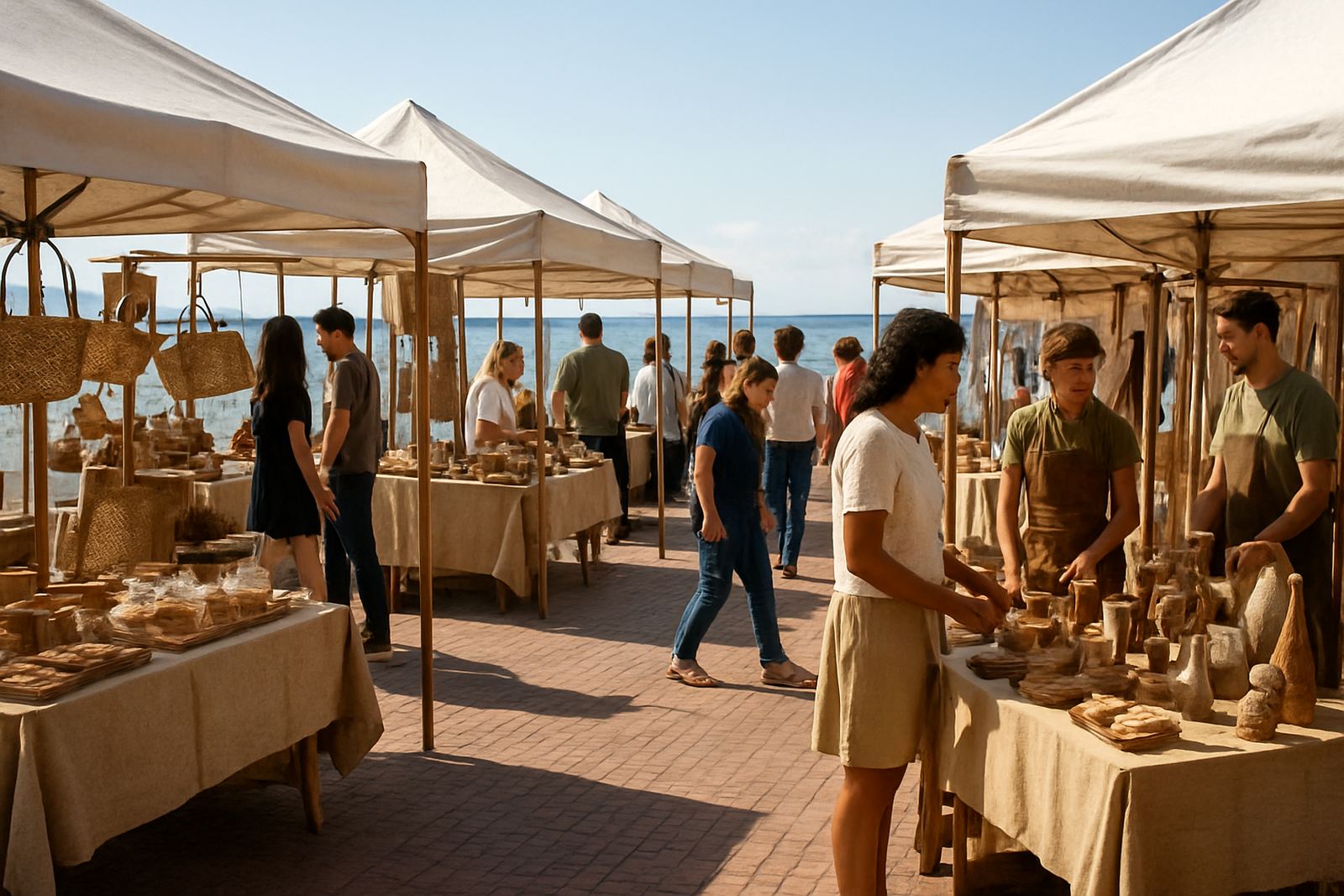
The brief for a waterfront maker day
The client wanted a market format that felt local, relaxed and worth the trip, not just for residents but for visitors spending time around the harbour. The brief was to bring together makers selling handmade goods, shelf stable food, and small batch products in a setting that could work for families, tourists and casual browsers on a weekend.
It also had to suit a harbour edge site in Gqeberha, where the weather can turn quickly and trade conditions can change from calm to windy in a short space of time. The market needed clear stall layouts, sensible queue flow, and good power planning so traders could keep going without fuss.
- Location: Gqeberha harbour area, Eastern Cape
- Format: Waterfront maker day with stall trading and walkabout browsing
- Main focus: Crafts, packaged treats, small batch goods and visitor-friendly stalls
- Audience: Local families, tourists, day-trippers and food buyers
What made this site different
Harbour markets have their own set of rules. Space is often open and exposed, foot traffic can come in waves, and you need to think carefully about shade, signage, lighting and wind protection. We planned this project around those realities instead of forcing a one-size-fits-all setup.
Because the market was aimed at destination visitors, the stall mix had to feel varied and easy to shop. Makers needed enough space to show product range, but not so much space that stalls looked empty. Packaged food sellers also needed clear display points for pricing, ingredients and takeaway options, plus a practical setup for keeping stock organised in warm weather.
- Coastal considerations: Salt air, gusts, direct sun and quick weather changes
- Trading needs: Clear price points, tidy display, and easy payment handling
- Visitor needs: Walkable layout, family-friendly flow and simple wayfinding
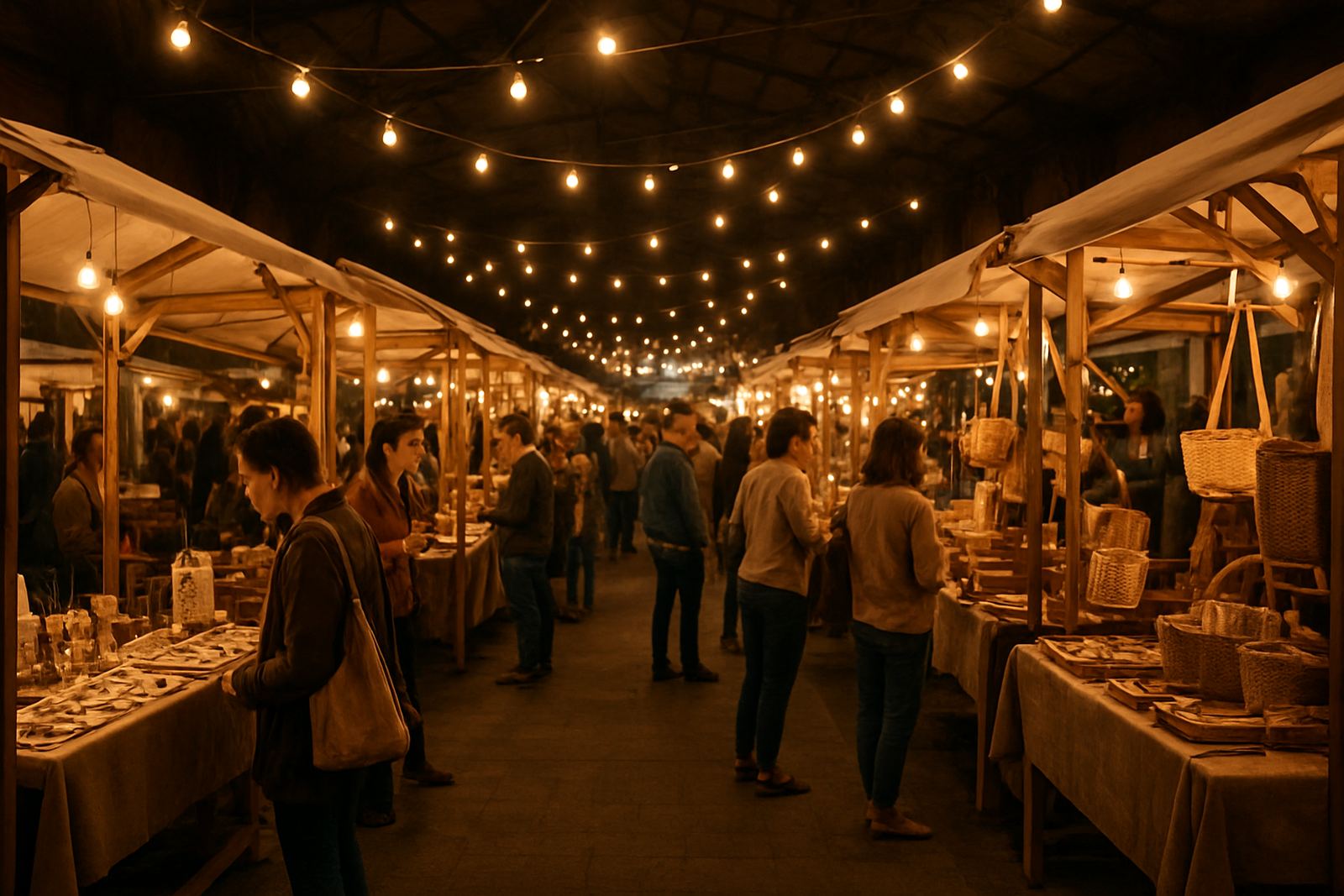
- Operations note: Backup lighting and visibility after sundown
We also kept municipal and site access issues in mind, especially around deliveries, waste removal and trader loading times. That planning saved a lot of last minute scrambling.
How we supplied the market set-up
We handled the practical market elements that make the day work on the ground. That included stall zoning, maker onboarding guidance, product display advice and the event flow for setup, trading and pack-down. The aim was to support both experienced traders and first-timers so nobody felt lost on the day.
Our team worked with the organiser on maker selection and trading categories, then set the layout so similar products were not crowding each other. We also gave guidance on small batch presentation, packaging for sales and simple branding touches that help a stall look ready for buyers without needing a big budget.
- Stall layout and zoning for craft, food and gift sellers
- Maker briefing on pricing, signage and stock planning
- Display guidance for weather exposure and quick pack-down
- On-the-day coordination for trader arrival, spacing and visitor flow
For the food sellers, we focused on sealed packaging, clean labelling and enough table space for turnover through the day. That matters at a waterfront market because visitors often buy while walking and carrying bags, or while moving between stalls. A neat presentation makes all the difference.
Timeline, from first plan to market day
The project ran over 6 weeks from brief to delivery. The early weeks were used for scoping the site, agreeing the trader mix and setting the market rules. Midway through, we confirmed stall placement, arrival times and the communication plan for all makers. The final week was used for checks on access, weather contingencies and last-minute trader support.
This kind of timing works well for a focused market day. It leaves enough room to sort out practical issues without dragging the process out. It also gives makers enough notice to prepare stock, packaging and table set-ups properly, which is often where markets go wrong if the lead time is too short.
- Week 1: Briefing, site review and trading goals
- Weeks 2 to 3: Maker selection, stall mix and layout planning
- Weeks 4 to 5: Trader communication, display guidance and logistics
- Week 6: Final checks, event run sheet and on-site set-up
The simple truth is that a clean process reduces stress for everyone. When makers know where to park, when to arrive and how the day will run, they can focus on sales instead of trying to guess what comes next.
What the day delivered
The market gave the organiser a strong waterfront event that felt active without being crowded. Visitors moved between stalls at an easy pace, and the mix of craft items, treats and small batch goods encouraged browsing as well as buying. Families stayed longer than expected because there was enough variety to keep different age groups interested.
For makers, the event worked as a good trading day and a useful exposure point. The location attracted destination visitors who were already in a spending mood, and that helped with average basket value. Several traders reported repeat questions about custom orders, seasonal products and future market dates, which is usually a sign that the mix and positioning were right.
- Better visitor dwell time due to varied stall mix
- Good fit between product range and tourist footfall
- Useful visibility for small businesses needing local reach
- Practical trade conditions despite weather swings
From our side, the main win was seeing how a clear market plan can turn an open harbour space into a proper shopping stop. It did not need overcomplication, just good spacing, careful trader support and a layout that respected how people actually move and buy.
What we would do again for a coastal maker market
We would use the same approach again for a waterfront market in Gqeberha or a similar coastal town. The strongest parts of this project were the trader mix, the simple visitor flow and the practical focus on packaging, pricing and weather readiness. Those basics hold up whether the market is one day, a seasonal event or a regular weekend fixture.
Next time we would build in even more support for shade planning and evening lighting, especially if the market stretches into later trading or a maker night format. In a coastal setting, little details like weighted signage, covered stock and clear waste points matter more than people expect.
- Keep the maker mix broad but tightly curated
- Plan for wind and sun before adding decorative extras
- Use clear trader communication with a simple run sheet
- Leave room for food sellers to package quickly and cleanly
For organisers looking at a harbour or promenade event, this project showed that the right structure can turn a good location into a proper trading day. It just needs proper planning, steady coordination and a market layout that works for both sellers and buyers.
Key facts
| Project | Gqeberha Harbour Market |
|---|---|
| Region | Gqeberha, Eastern Cape |
| Format | Waterfront maker day |
| Timeline | 6 weeks |
| Focus | Crafts, packaged treats and destination visitors |
| Conditions | Coastal wind, salt air and power planning |