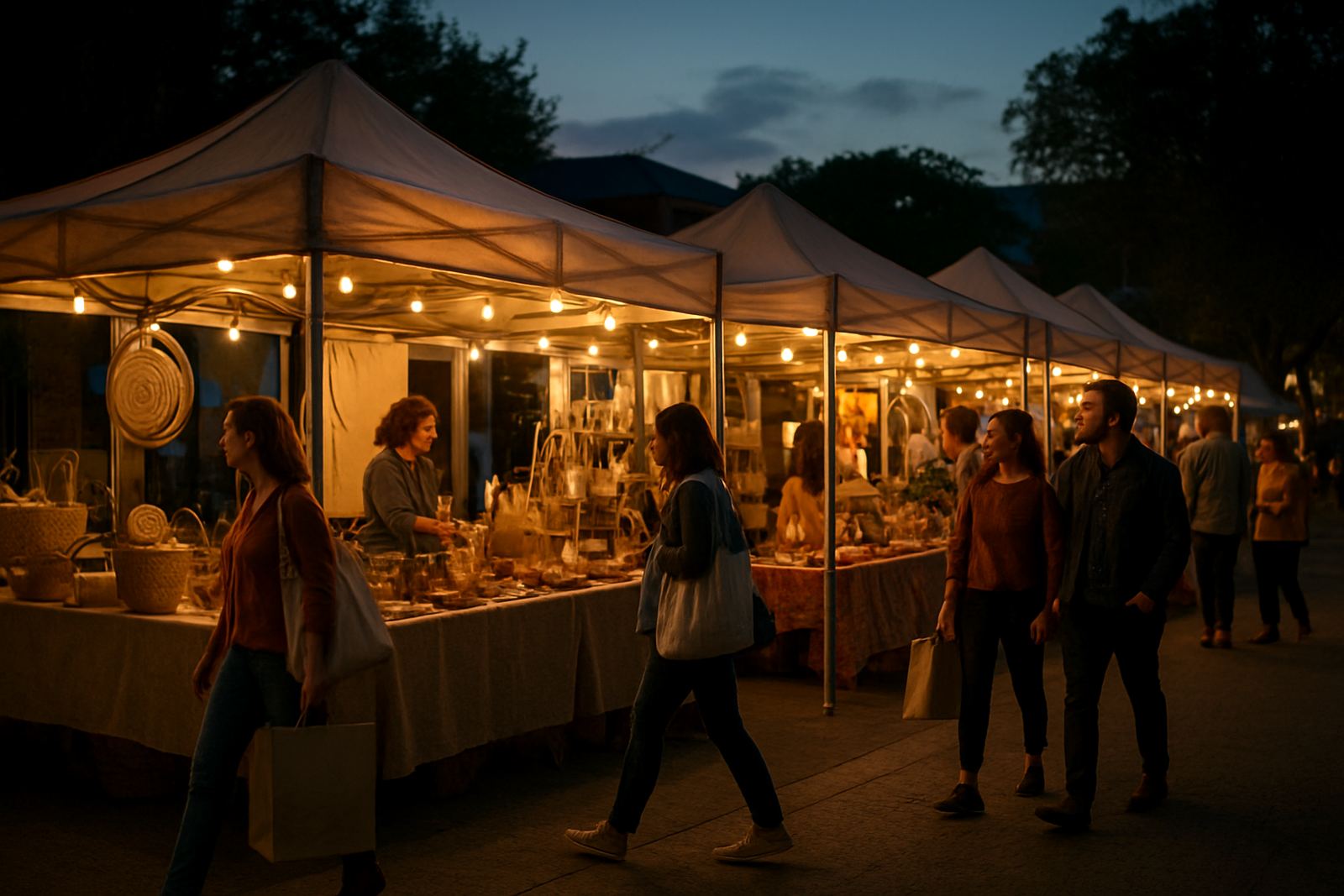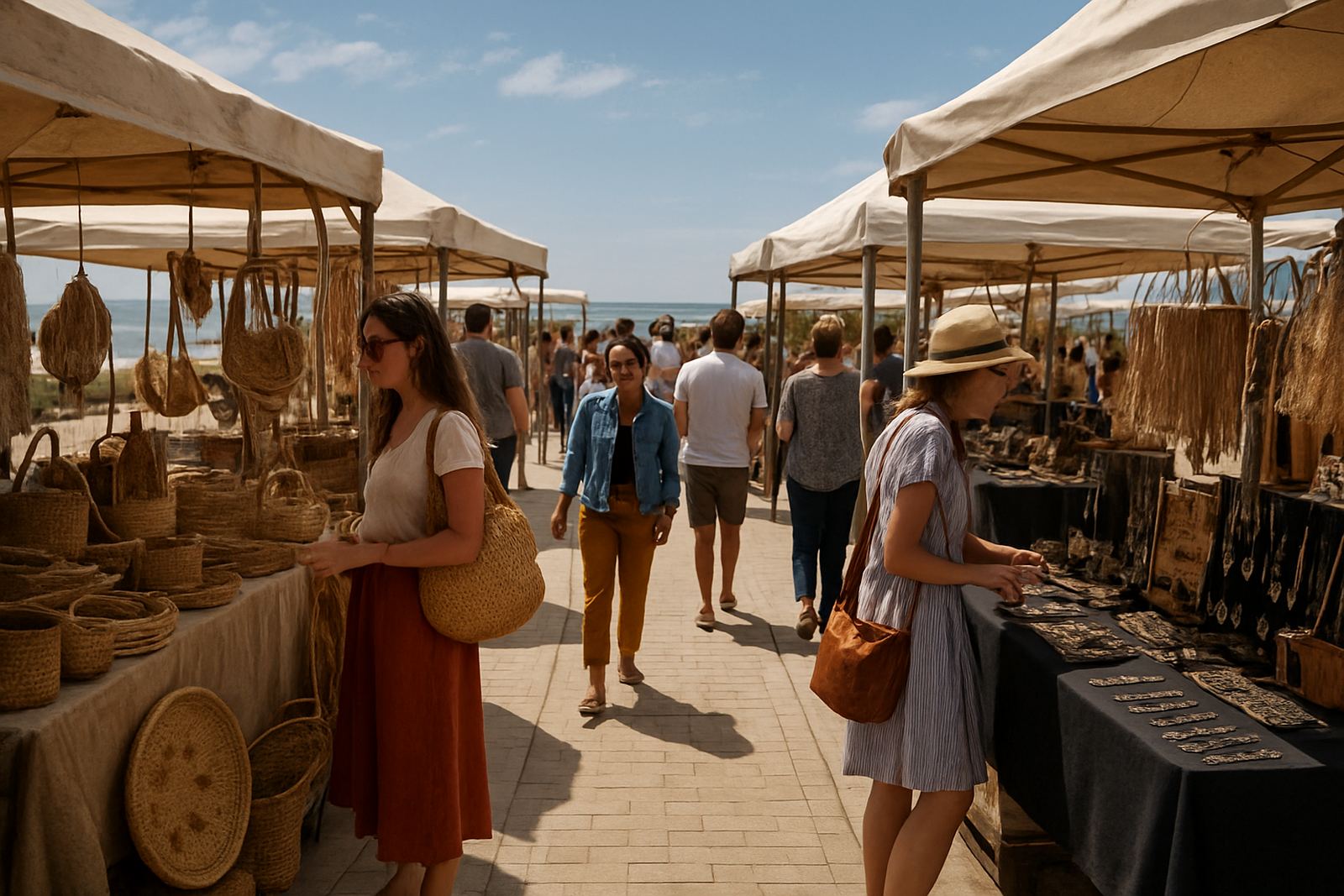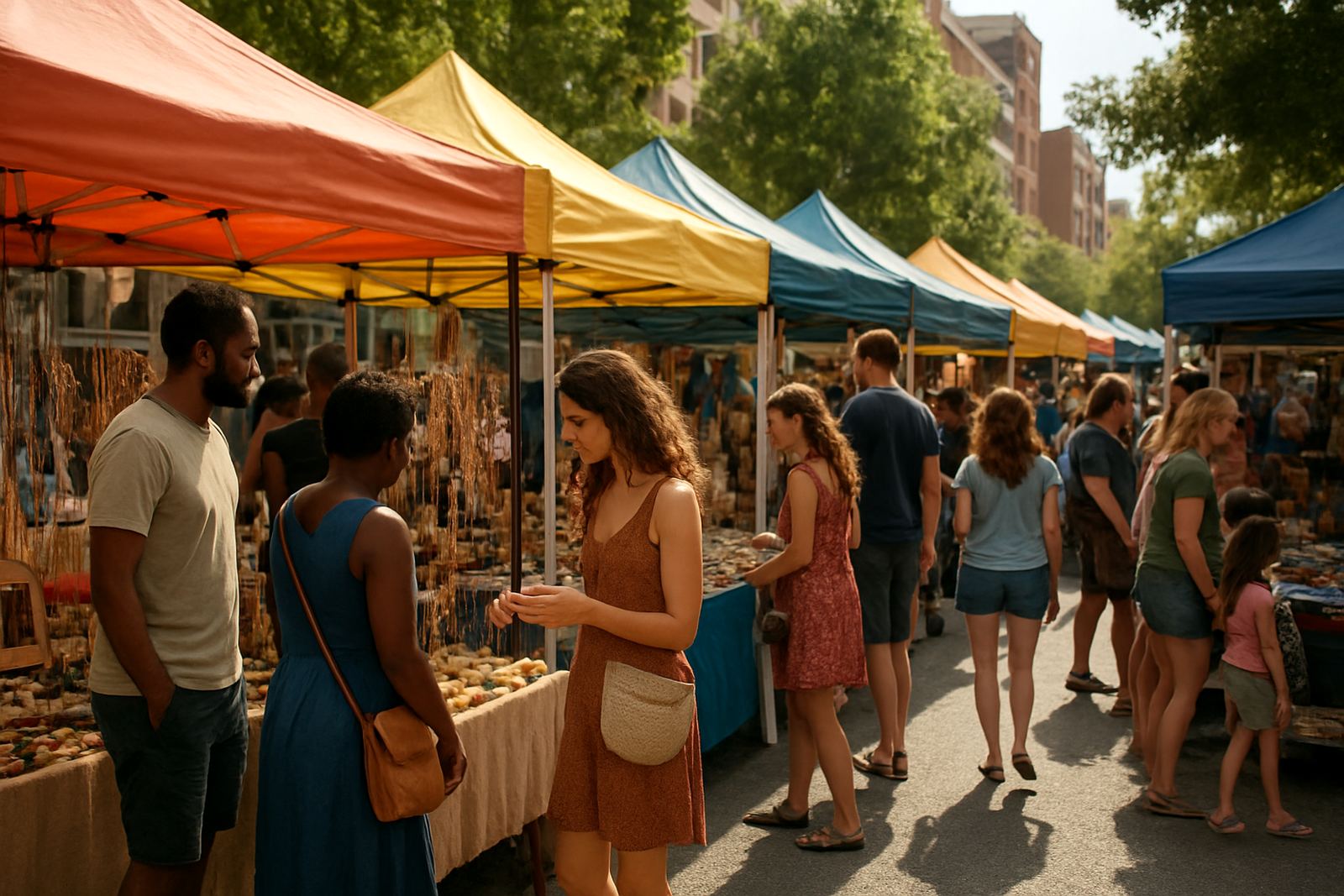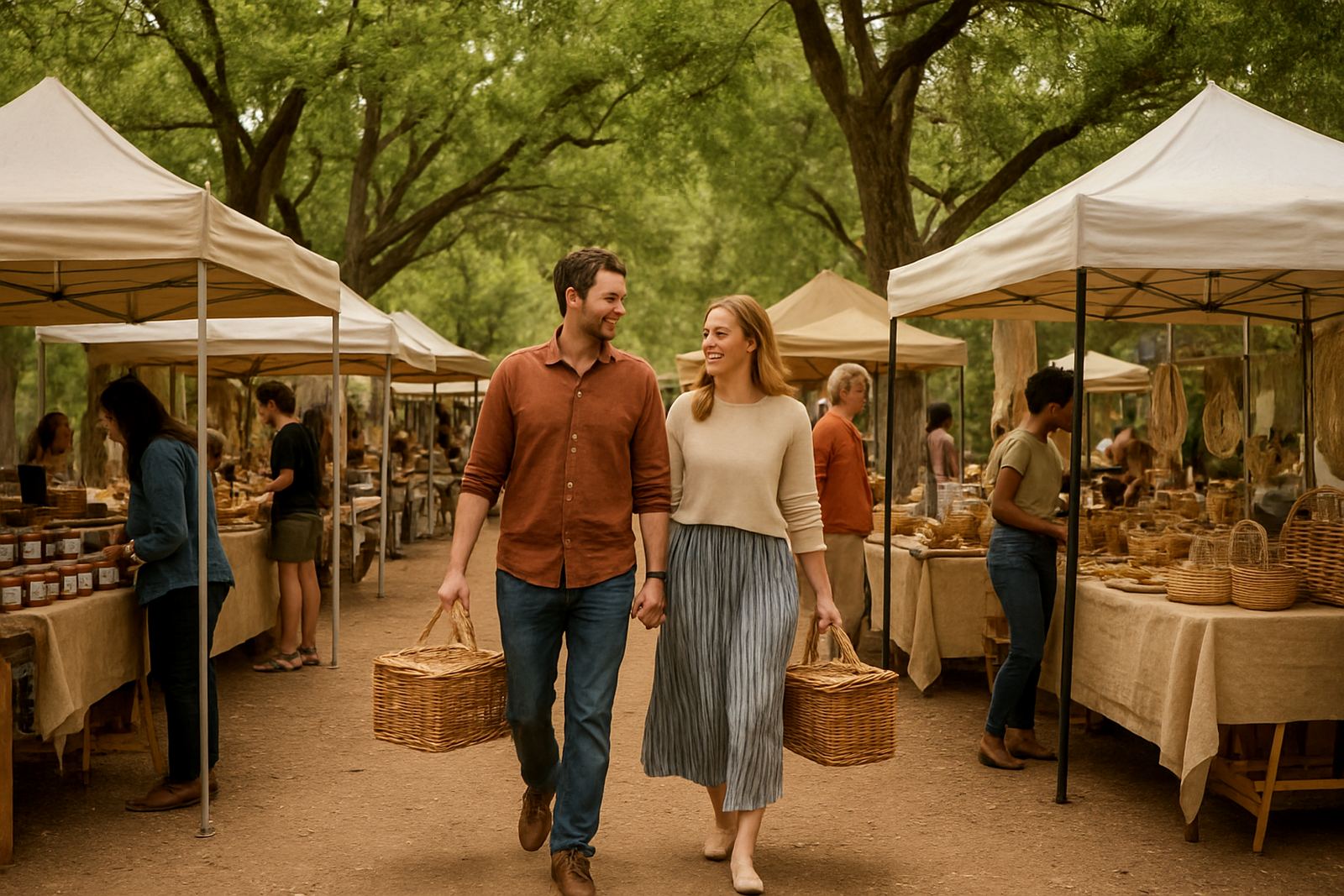
A Scenic Pop-Up With A Strong Weekend Flow
This project was for a destination venue operator in Stellenbosch, Western Cape, working on a weekend market along the wine route. The aim was to turn an open outdoor space into a market that felt relaxed but still well organised, with enough variety to keep visitors moving between food traders, craft stalls and small batch makers. The setting already had good foot traffic on Saturdays, but the client wanted a market that would hold attention for longer than a quick browse.
We shaped the concept around slow shopping, local produce and practical comfort. That meant clear stall spacing, a simple visitor flow, and enough shade and seating for people who wanted to stay for lunch or a glass of wine after browsing. It was important that the market felt like part of the area rather than a temporary add on, so the layout had to work with the slope, the tasting room access and the parking pattern on site.
The Brief, Constraints And Site Conditions
The brief came down to three things, attract quality traders, keep the atmosphere easy and social, and avoid congestion around food service areas. The client also wanted the event to work as a repeatable weekend format, not just a one off activation. That meant we had to think about waste handling, stall sizes, loading times and how the market would cope when visitor numbers peaked between late morning and mid afternoon.
- Town and setting: Stellenbosch, on a wine route property with mixed indoor and outdoor access
- Event format: Weekend market with artisanal food, handmade goods and relaxed retail browsing
- Operational constraints: uneven ground in parts, parking pressure, wind exposure and limited under cover trading space
- Trading mix: prepared food, packaged goods, crafts, gifts and small batch homeware
- Compliance notes: food handling rules, temporary trading rules and clear fire access routes
Because the site sits in a tourism zone, presentation mattered, but so did practicality. Traders needed fast set up, reliable access to power where available, and a layout that still worked if the weather changed. Coastal humidity was not the issue here, but afternoon wind and strong sun were, so shade planning and weighted signage were built into the plan from the start.
What We Supplied And How We Shaped The Market
We worked with the client team on market planning, trader selection guidance and day-of-event coordination. Our team also supported stall layout, maker communication, signage hierarchy and the customer journey from parking to purchase. Where the venue had fixed features, we worked around them, using them as natural anchor points for food stalls, demo spaces and seating pockets.
The market was structured so visitors could enter, pause, and then move through the site in a loose loop instead of backtracking. That helped with crowd flow and made it easier for families with prams and older visitors. Food stalls were grouped with enough distance for queuing, while craft and gifting traders were placed in the quieter edges of the site to encourage browsing. It all needed to feel calm but still alive, and the spacing made a differnce.
- Trader mix planning for food, craft and gift stalls
- Stall styling guidance to keep a consistent market look
- Set-up timing and load-in schedule for early morning access
- Visitor flow planning for parking, entry and seating areas
- On-site communication plan for traders and organisers
Timeline And Delivery In Weeks
The full project ran over six weeks from first briefing to first market day. Week one was site review and scope definition. Week two focused on trader profile planning and event layout. Week three covered communication with makers and food sellers, along with early operational checks. Week four and five were used for final confirmations, signage decisions and setup planning. Week six was event delivery, with live coordination on the ground.
That timeline gave enough room to solve the practical issues before the market went public. It also let the client test the flow of the site on paper, then make small changes before traders arrived. In a destination setting like Stellenbosch, those changes matter because a market has to support both planned visits and casual drop-ins from wine route traffic.
Results On Market Day
The first weekend market drew a steady stream of visitors from late morning through to closing, with strong interest in packaged foods, baked goods and handcrafted items. Traders reported good conversation with customers, and the food area stayed busy without creating bottlenecks. Families used the seating areas for longer stays, which helped support repeat purchases and kept the atmosphere relaxed.
The client was pleased that the market felt polished without losing its local character. It also performed well as a destination outing, because visitors could browse, eat and linger without feeling rushed. For a first run, the event held together well, with only minor adjustments needed around queue marking and shade placement for the next cycle.
- Good visitor dwell time across the main trading hours
- Strong fit between venue setting and trader offer
- Food service queues stayed manageable
- Traders had clear load in and pack down windows
- Positive feedback from both makers and venue staff
What We Would Do Again
We would use the same broad structure again for a Stellenbosch market, because it matched the site and the audience well. The looped visitor flow, grouped food stalls and relaxed seating zones gave the event a solid rhythm. For a repeat run, we would tighten the shade plan even further, add a little more signage at the parking entry and keep one central information point for traders and visitors.
We would also keep the maker selection focused on small batch, high quality goods that suit a wine route crowd. In a place like Stellenbosch, people come expecting something local and well made, not a generic market spread. That focus helped the event feel right for the setting, and it is the main reason we would use the same approach again.
Key Facts For The Stellenbosch Wine Route Market
This project showed how a weekend market can work as part of a broader destination experience, not just a stand alone trade day. The final result was practical, social and well matched to the town’s visitor pattern. It was also a useful example of how Local Makers Market handles maker led events outside Pretoria while still keeping the same hands on operational standard.
- Project type: Scenic pop-up market
- Location: Stellenbosch, Western Cape
- Project duration: 6 weeks
- Event format: Weekend market and destination shopping stop
- Primary offer: Artisanal food, crafts and handmade products
- Outcome: Strong visitor dwell time and repeatable event structure
Key facts
| Project | Stellenbosch Wine Route Market |
|---|---|
| Client type | Hospitality venue operator in Stellenbosch |
| Region | Western Cape, wine route setting |
| Timeline | 6 weeks from briefing to first market day |
| Event mix | Artisanal food, crafts, gifts and small batch goods |
| Company base | Hatfield, Pretoria |