What the client needed in Arcadia
The brief came from a Pretoria-based events team running a Sunday activation near Arcadia, with the aim of turning a regular city outing into a proper maker-led trading day. They wanted more than tables and tents, they needed an event layout that made sense for shoppers arriving in bursts after church, sport fixtures and late breakfast traffic.
The client wanted a setting that felt local and easy to walk through, with enough variety to keep people browsing for longer. At the same time, the market needed to stay manageable for small traders, many of whom were working their first or second public event and needed clear guidance on what to bring, how to present stock, and how to handle sales under pressure.
- City Sunday trading with strong pedestrian movement
- Makers, food traders and live demonstrations
- Space for families, friends and casual shoppers
- A format that could be repeated monthly if the numbers held up
The constraints that shaped the plan
Arcadia has its own rhythm. Parking is limited at busy times, traffic can build quickly on nearby routes, and a Sunday event has to be easy to find without depending on a long setup window. We also had to account for Pretoria weather, which can shift from bright sun to wind in a short time. That meant shade, stable displays and enough weight in the setup to keep signage and table stock in place.
Makers who sell food, printed goods or small decor items often rely on phones, card machines and light equipment, so the market needed a plan for charging points, low-power usage and a clean flow around any backup power. The event had to work with municipal safety expectations too, especially for food handling, walkways and clear access for emergency movement.
- Limited parking and short arrival windows
- Wind exposure for signage and lightweight displays
- Power planning for card payments and demo equipment
- Clear food stall spacing and walkway widths
What we supplied and handled
We managed the market-side planning around stall layout, maker sign-in, trader communication and on-the-day flow. The team also supported the client with vendor prep notes so each maker arrived with the right folding tables, display risers, price labels and packaging. Where traders needed help, we leaned on our workshop methods, especially for pricing products, customer conversation and packaging for sales.
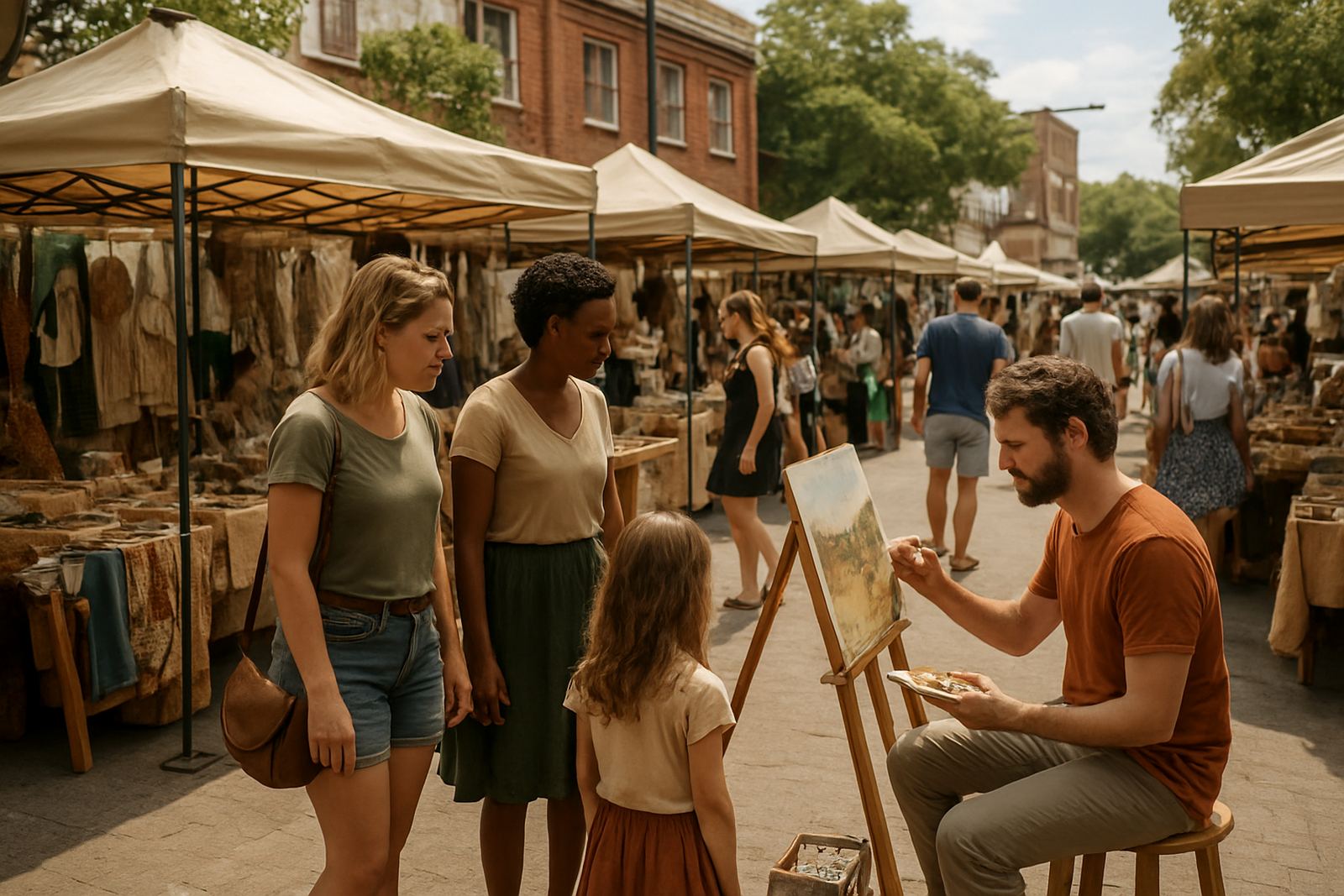
On the event side, we helped shape the experience so there was always something happening. Live demos were placed where passers-by could stop without blocking aisles, while food stalls were grouped to keep smells, queues and waste control manageable. We also advised on simple branding touches that fit the setting and did not look overdone.
- Stall layout and trader placement
- Pre-event maker briefing and setup notes
- Demo areas positioned for easy viewing
- Food stall basics and queue management
- On-site content capture guidance for social posts
Project timeline and delivery
The project ran over five weeks from first briefing to event day. Week one covered scoping and site walk planning, week two focused on trader selection and category balance, week three dealt with layout and event operations, week four was all about maker readiness, and week five handled final confirmations and the Sunday build. That timeline gave enough room to fix small issues before they became expensive ones.
The work moved in practical stages rather than big dramatic handovers. Traders needed clear instructions, the client wanted answers, and the event itself had to be ready before the first visitor arrived. We kept communication tight and sorted the small things early, from signage sizes to power points and rubbish removal. It made the last 48 hours much calmer, which is usually when Sunday markets either come together or start to slip.
- Week 1: brief and site planning
- Week 2: maker selection and product mix
- Week 3: layout, trading flow and operations
- Week 4: trader prep and workshop support
- Week 5: final checks and event delivery
Results from the Sunday market
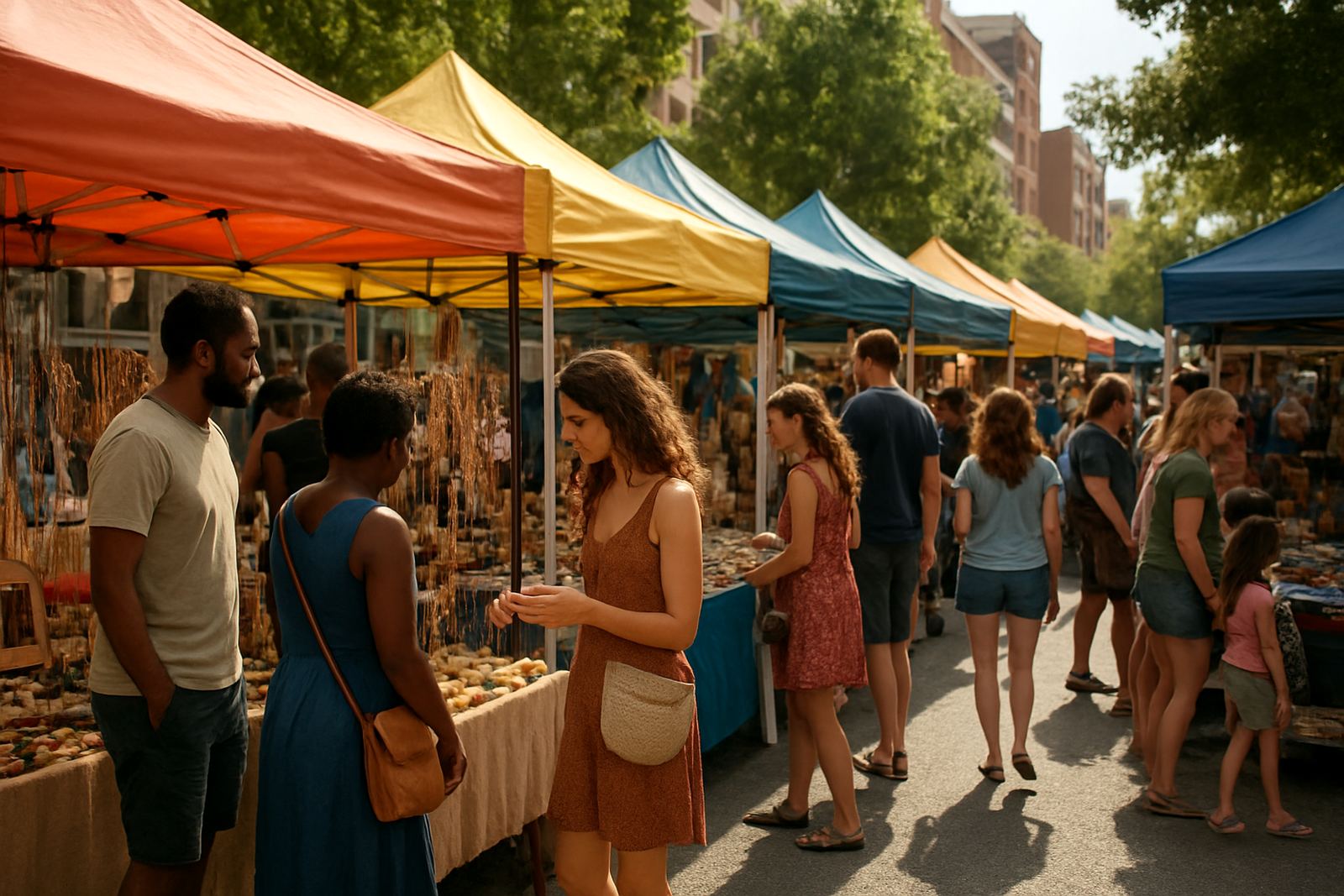
The event drew a steady mix of local families, office workers, students and casual Sunday visitors, with the strongest movement coming through late morning into early afternoon. Makers reported better than expected engagement because shoppers were willing to stop, ask questions and watch live demonstrations before buying. That kind of traffic is valuable because it creates trust, and trust usually turns into more than one sale.
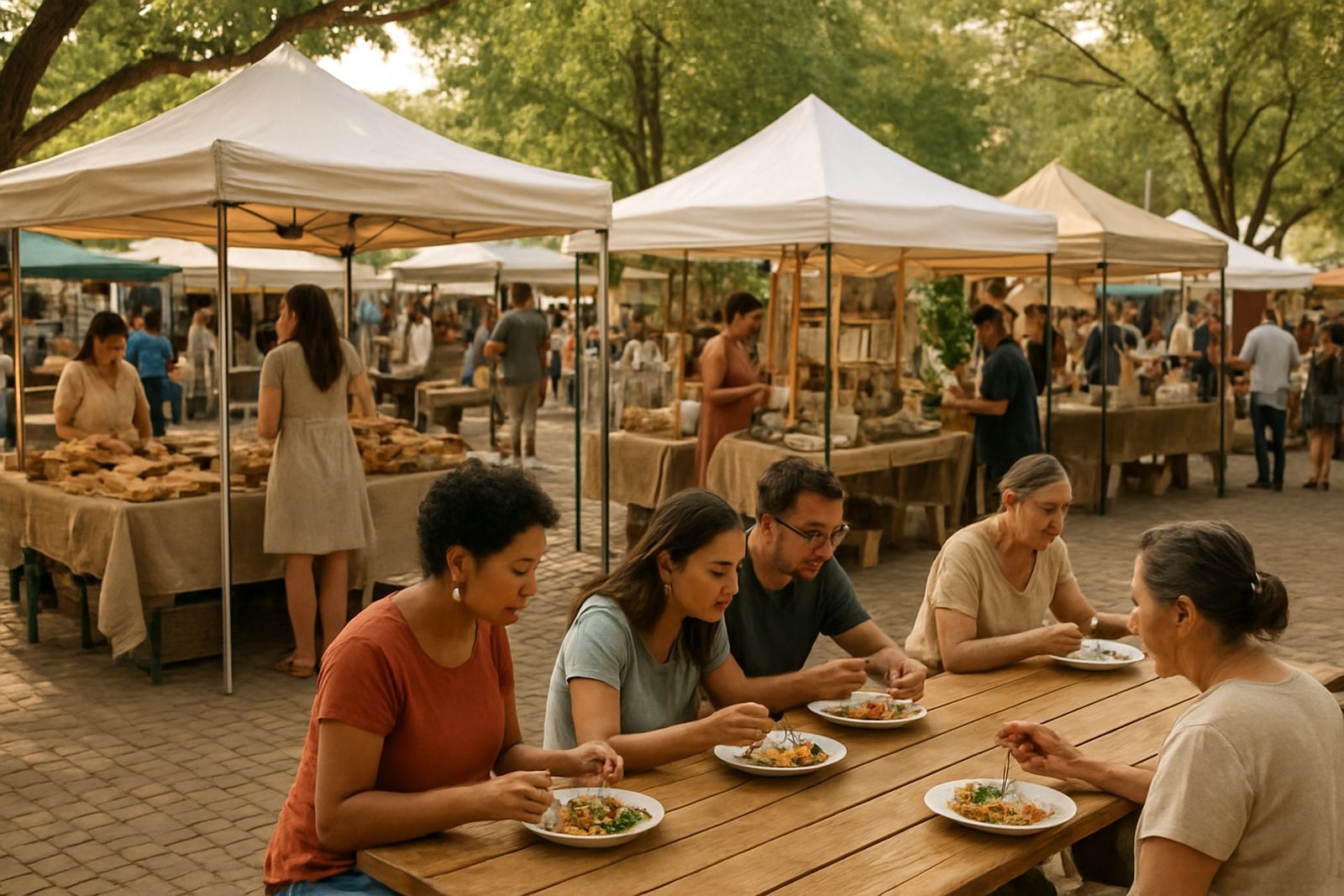
Food traders had consistent trade through the main rush periods, while handmade product sellers benefited from the slower browse time around the demo area. The client also got useful evidence for future planning, including which categories held attention longest, where bottlenecks formed, and which stall positions performed best. In short, it was a good test of a city Sunday format that could be repeated with only minor adjustments.
- Strong late-morning and early-afternoon foot traffic
- Better engagement around live demos
- Useful trading data for future repeat events
- Positive maker feedback on layout and support
What we would do again next time
We would use the same broad format again, because it matched the way Pretoria people move on a Sunday and it gave the makers enough space to sell properly. The mix of demos, product stalls and food worked well, but we would tighten the entry signage even more and allow a little extra room near the busiest food point. Small changes like that can make a big difference once a market starts drawing a crowd.
We would also repeat the trader prep approach. Makers who know how to price cleanly, pack for weather, and speak to customers without pressure usually leave with better sales and better confidence. For future runs, we would keep building on the same workshop model, especially first market prep, packaging for sales and seasonal selling. That combination gives small businesses a better shot at turning a Sunday table into repeat income.
- Keep the demo-led layout
- Increase entry signage and wayfinding
- Allow more room at peak food stalls
- Use the same maker prep workshops again
Key facts
| Project | Arcadia Creative Sunday |
|---|---|
| Town | Pretoria, Arcadia |
| Event type | City-based Sunday makers market |
| Timeline | 5 weeks from brief to delivery |
| Core support | Stall layout, trader prep, live demo flow |
| Audience | Families, local shoppers, city foot traffic |