A Centurion Event Built For Food And Handmade Goods
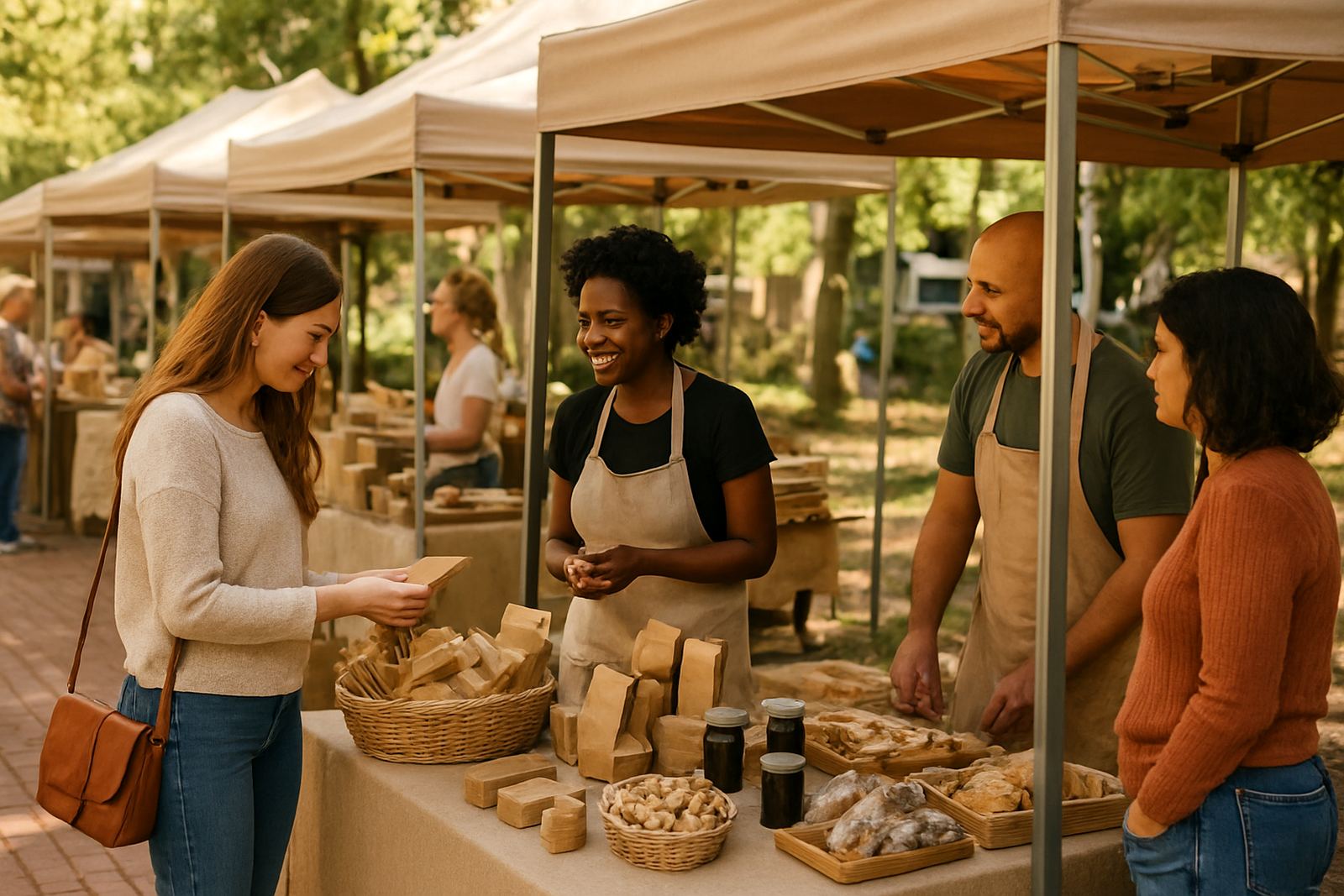
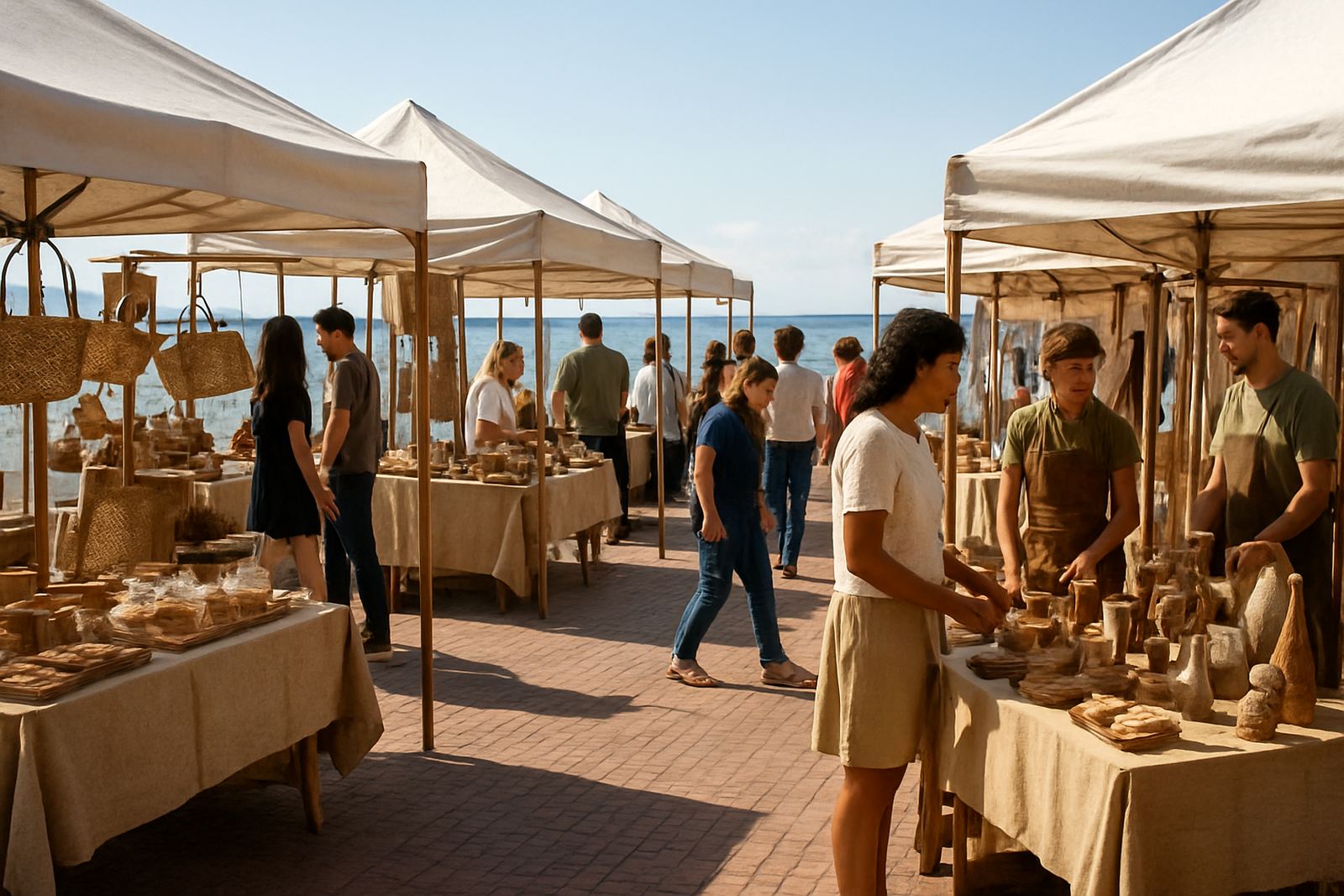
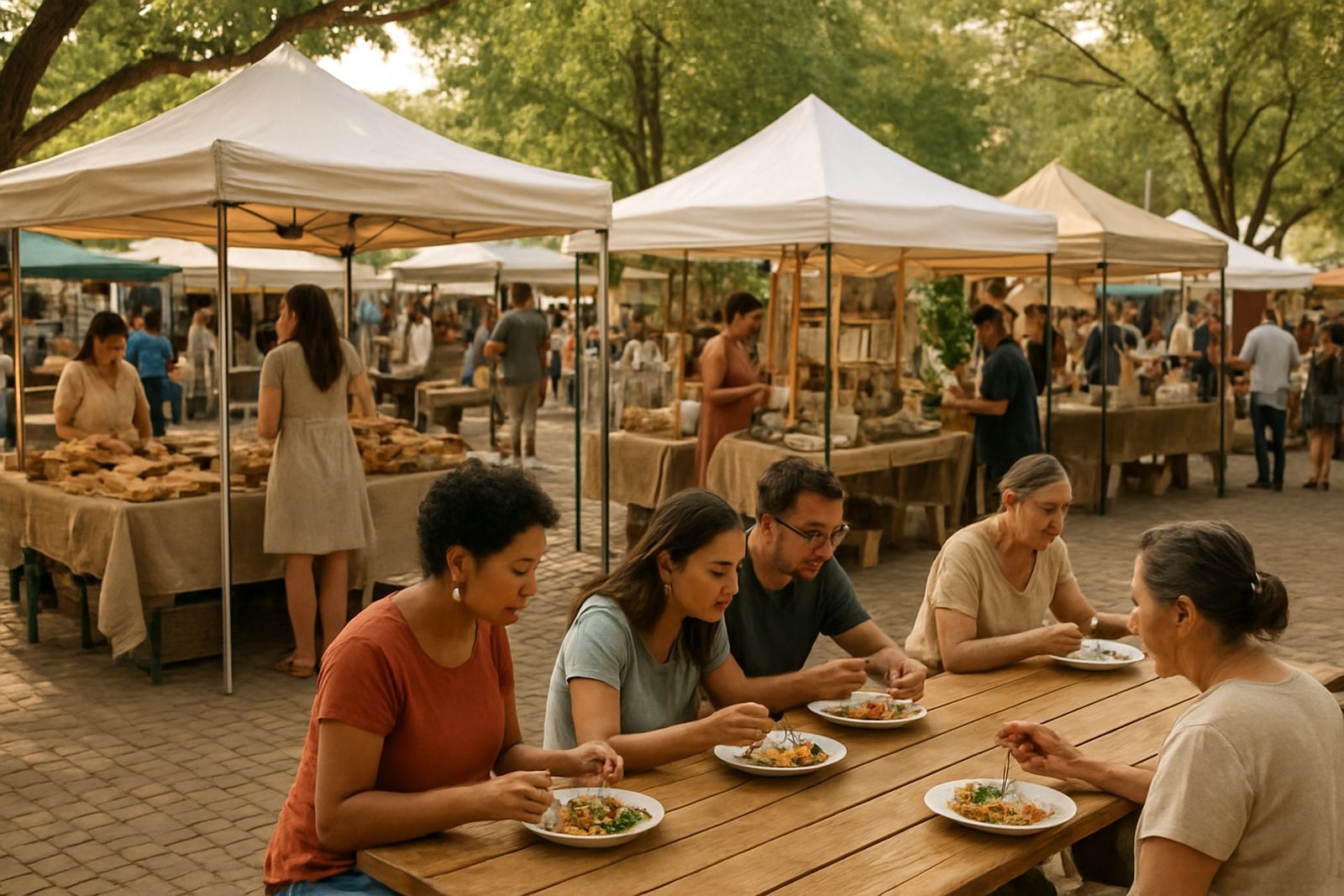
This project was for a local events team in Centurion that wanted a market day with a clear focus on local flavour, handmade homewares and family foot traffic. The ask was simple but specific: create a fair that felt warm and busy, without turning into a jumble of tables and queues.
We worked with a mixed group of vendors selling baked goods, savoury foods, preserves, candles, ceramics, fabric items and small homeware pieces. The event needed to suit both experienced traders and first time makers, with enough structure for food handling and enough breathing room for shoppers to browse without feeling rushed.
- Town: Centurion
- Event type: Combined food and craft fair
- Main focus: Local flavours, handmade homewares and small batch products
- Audience: Families, weekend shoppers and community visitors
The Brief, Constraints And Site Conditions
The event had a few practical limits we had to plan around. The venue had set access times, a fixed load in window and limited space for storage behind the stalls. Because it was a food and craft mix, we also had to plan for hygiene, waste removal, hand washing access and separate prep areas where needed.
Centurion weather can swing from hot afternoons to cooler evenings, so stall cover and shade were important. Some traders needed lights, fridges or small warming equipment, so power planning had to be built in from the start. For the craft side, we had to keep the aisles wide enough for prams and wheelchairs, while still fitting a strong vendor line-up. It was one of those jobs where small details mattered and there was no room for guesswork.
- Access window: 1 day load in with staggered arrival slots
- Power: Limited site supply with backup planning for essential traders
- Compliance: Food stall hygiene, waste points and clear customer paths
- Weather plan: Shade cover, tie-downs and weight bags for windy conditions
What We Supplied And How The Fair Was Shaped
We managed the event structure from the first trader briefing through to the final bump out. That included maker recruitment, stall allocation, layout guidance, workshop planning and on the day operations. The goal was to keep the fair steady and easy to work in, so traders could focus on serving customers instead of dealing with avoidable issues.
Our team also prepared a simple market pack for vendors. It covered setup times, table sizes, food handling notes, signage rules and selling tips for a mixed crowd. Food sellers were guided on display height, serving flow and queue control. Craft sellers were advised on product grouping, pricing clarity and packaging for takeaway purchases. The whole thing had to feel organised, but still local and human.
- Vendor support: Stall setup guidance and trader communication
- Market layout: Clear food and craft zones with central walkways
- Sales support: Pricing and packaging advice for small batch sellers
- Promotion: Event content, maker profiles and reminder posts
Workshop Support For Traders Who Needed A Hand
A lot of the value in this project came from pre event support. Several of the makers were still building confidence in how they presented and priced their goods, especially those who had only traded at small community markets before. We ran short, practical sessions to get them ready without overloading them with theory.
The workshops covered food stall basics, first market prep, pricing products, packaging for sales and customer conversation. For the food traders, we included simple display tips and advice on keeping service neat during peak times. For the makers, we focused on clear signage, product stories and how to handle repeat questions from shoppers. It sounds small, but those basics can change the day completely.
- Workshop themes: First Market Prep, Pricing Products, Packaging For Sales
- Food focus: Hygiene, serving flow and display readiness
- Maker focus: Customer conversation and product presentation
- Support style: Short sessions, practical notes and easy follow up
Timeline And Delivery In Four Weeks
The project ran over four weeks from initial planning to event day. Week one covered the brief, trader mix and venue checks. Week two was used for vendor confirmations, layout planning and the first round of content. Week three focused on workshop delivery, signage guidance and final stall allocations. Week four was the full build, event support and pack down. It was a tight turn around, but manageable because each piece was planned in order.
On the day, our operations lead handled trader arrivals and stall placement, while the events coordinator kept the schedule moving. The maker relations lead checked in with newer sellers and solved small issues early. We also kept an eye on trading conditions for food vendors, especially where sun, wind or power use could affect service. The team worked well together and the fair held its pace from opening to close.
- Week 1: Briefing, site review and vendor planning
- Week 2: Confirmations, layout and event content
- Week 3: Workshops and final trader support
- Week 4: Build, event day operations and pack down
Results From The Weekend Trading Day
The event drew a steady family crowd from Centurion and nearby areas, with strong interest in both food stalls and handmade homewares. Traders reported good browsing time, which matters at a mixed fair because shoppers often start with food and then come back for gifts or home items later in the visit.
We also saw better confidence from the newer makers who had attended the prep sessions. Their stalls were tidier, pricing was clearer and conversations with customers felt more natural. Food vendors moved stock at a healthy pace, especially from late morning through the afternoon. The event had a friendly feel without losing structure, which is exactly what the brief asked for. A few traders told us it was the first market where they felt properly set up rather than just dropped in.
- Foot traffic: Steady through the main trading window
- Trader feedback: Better stall presentation and easier sales conversations
- Buyer behaviour: Strong interest in gifts, snacks and takeaway food
- Event feel: Family friendly, local and well paced
What We Would Repeat For The Next Food Craft Fair
We would use the same mix of clear zoning, short trader training and practical on site support again. For an event like this, the layout does a lot of the heavy lifting. Food traders need fast service access, craft makers need visibility and shoppers need enough room to move without squeezing past tables. When those three things line up, the whole day works better.
We would also keep the pre event workshop format because it helped first time sellers more than a long written pack ever could. A quick, hands on session on pricing, packaging and customer conversation gives makers confidence and saves time on the day. For future Centurion events, we would add one extra waste point and a stronger backup plan for power sensitive food stalls. Small improvements like that make a real difference when the crowd picks up.
- Best repeat actions: Clear stall zoning and short practical workshops
- Future improvement: Additional waste and power contingency planning
- Long term value: Stronger trader confidence and smoother customer flow
- Ideal use case: Weekend fairs with mixed food and craft offers
Key facts
| Project | Centurion Food Craft Fair |
|---|---|
| Client type | Local event team in Centurion |
| Location | Centurion, Pretoria region |
| Timeline | 4 weeks from brief to event day |
| Event format | Combined food and craft market |
| Support supplied | Planning, trader prep, workshops, layout and on site operations |