Start With A Greeting That Feels Natural
At a busy weekend market, people are usually deciding fast. A friendly greeting gives them space to stop, look and ask questions, without feeling watched. Keep it short, open and calm. If someone makes eye contact, a simple “Hi, let me know if you need anything” is often enough. In Hatfield, Brooklyn or Menlyn, shoppers often come in pairs or with children, so a relaxed first line works better than a hard sell.
What matters is tone. Smile, keep your hands visible, and stand where you can speak easily but not block the table. If the weather is hot or it is windy near an open courtyard, people will already feel rushed. Your job is to make the stop feel easy. That kind of welcome is often what turns a quick browse into a proper chat.
- Make eye contact, then greet once.
- Offer help, do not follow the shopper.
- Give them space to look for a few seconds.
- Keep your first line under 10 words if possible.
Conversation Starters That Do Not Sound Pushy
Good conversation starters are usually about the product, the moment, or the customer’s need. Instead of asking, “Can I help you?” try a question that gives them a way in. For food stalls, ask if they are looking for something for home, a gift or a treat for the market. For crafts and home items, ask which colours, sizes or uses they prefer. The aim is to learn something useful before you start explaining everything.
Useful starters can sound like this: “Is this for you or a gift?”, “Are you after something small or something for everyday use?”, or “Would you like to see the range in natural tones or brighter colours?” These questions are easy to answer and help you match your stock to the person in front of you. A conversation should feel like a favour, not a pitch.
- Ask one question at a time.
- Use words the customer can answer easily.
- Listen for clues about budget, occasion and style.
- If they are in a hurry, keep it short and useful.
Read The Customer Before You Explain Too Much
Some shoppers want detail, others want to browse quietly. You can usually tell by how they move, whether they ask questions, and how close they stand to the table. If they are reading labels, touching items or comparing colours, they are engaged. If they keep looking over their shoulder or stepping back, reduce the pressure and let them browse.
Do not give a full sales speech unless the shopper wants it. A simple product explanation works better: what it is, what it is made from, how long it lasts, and why it suits local conditions. At a coastal market, people may ask about humidity and storage. At an outdoor Pretoria market, they may ask about heat, dust or how the item handles outdoor conditions if it is electronic or lighted. Answer plainly and keep it real.
- Watch for interest: hands, eye contact, questions and repeat looking.
- Watch for discomfort: short answers, stepping back, scanning the crowd.
- Match your pace to theirs.
- Let silence do some work, it is not awkward when used well.
How To Talk About Price Without Apology
Price conversations go easier when you know your numbers. Be clear about what the item costs, what makes it worth that amount, and whether you can offer a bundle or a smaller option. Do not apologise for your price. If your costs include materials, packaging, market fees and time, say so plainly. Customers often respect direct answers more than long explanations.
When someone says it is expensive, do not rush to defend yourself. Try, “I understand. This one uses hand-finished work and takes a few hours to make,” or “I have a smaller version if you want to stay within budget.” If you sell food, mention portion size, shelf life and whether it is made fresh on the day. If you are in Centurion or on a maker night in another city, people often buy with a gift budget in mind, so helpful options matter more than pressure.
- Know your lowest acceptable price before the event starts.
- Have a smaller item or bundle ready if possible.
- Explain value in one or two sentences.
- Use calm language when the customer hesitates.
Use Stories That Help People Remember The Product
Customers often remember a product because of the story behind it. A short, honest story can make the item easier to buy and easier to share with friends. Keep it practical. Say where the material comes from, how the item was made, how long the process takes, or what problem it solves. If a product is designed for gifting, travel, storage, or everyday use, say that directly.
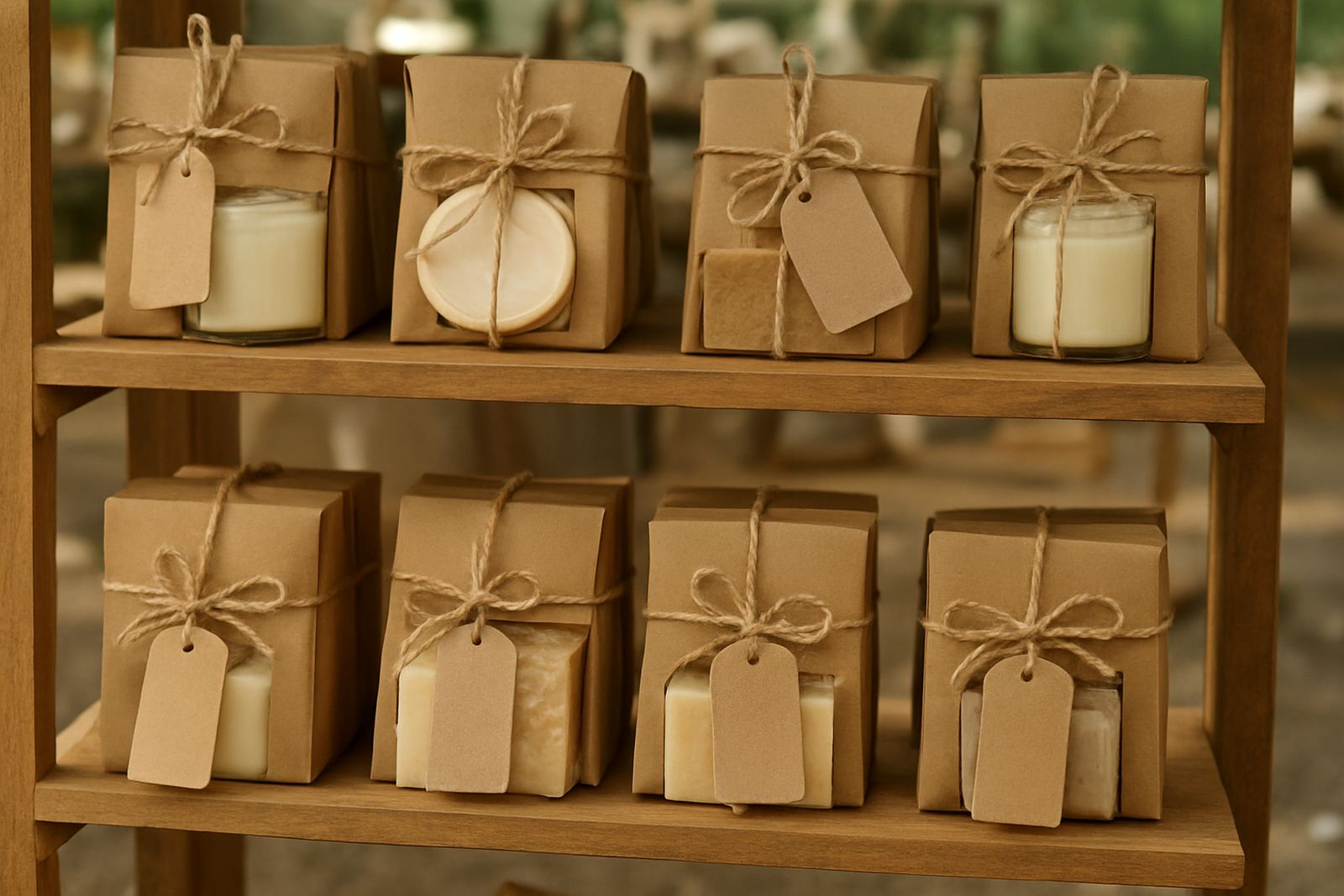
For example, a maker of spice blends can talk about how the mix was tested at family meals. A candle maker can mention burn time and safe placement. A ceramic seller can explain that each piece has small differences because it is finished by hand. These details help the customer feel they are buying something made with care, not mass produced stock. It is a small thing but it builds trust quickly.
- Keep the story to 20 to 30 seconds.
- Focus on process, use, or origin.
- Do not over-explain every item on the table.
- Use the same story again and again until it feels natural.
Close The Sale Gracefully And Leave The Door Open
Some sellers miss sales because they never ask for the close. Once a customer has asked questions and shown interest, make it easy to buy. A simple, “Would you like me to put one aside for you?” or “Shall I pack the blue one for you?” can be enough. The point is not pressure, it is clarity. People at markets often appreciate directness when it is warm and respectful.
If they are still thinking, offer a useful next step rather than pushing. You can say, “Take a card, and if you come back after the market I’ll still remember which one you liked,” or “If you want a different size, I have more stock in the back.” Keep your payment area tidy so the finish is smooth. A clean handover, correct change and neat packing leave a better memory than a long goodbye.
- Ask for the sale once the customer has enough information.
- Offer a simple next step if they need time.
- Pack carefully and thank them by name if you know it.
- Invite them back without sounding desperate.
Quick Check Before Market Opening
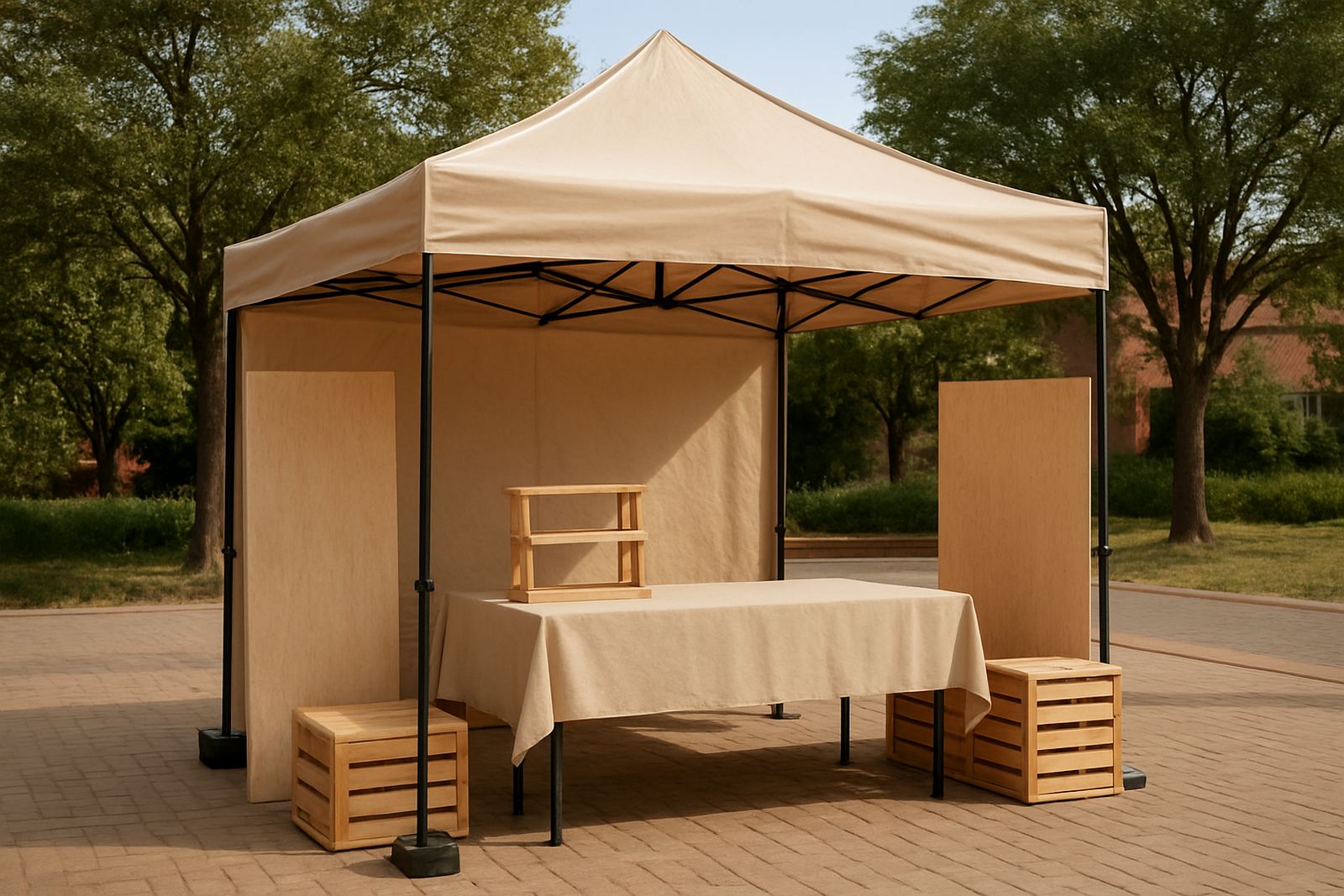
A strong conversation is easier when your stall is ready. Before opening, check that prices are visible, sample items are easy to reach, and the most common questions are answered on a small sign. If you sell food, keep ingredients, allergens and storage notes where people can see them. If you sell fragile goods, make sure customers can handle them safely without knocking other items over.
It also helps to rehearse a few lines with your team. One person can greet, one can explain, and one can handle payments or packing during busy periods. At local markets, especially on Saturdays when families arrive early, teamwork keeps the stall calm. If your voice is tired, sip water, slow down and keep smiling. Friendly selling is easier when everyone knows their role and nobody is guessing.
- Prices visible and readable.
- Samples or display stock clean and within reach.
- Questions about ingredients, materials and care answered clearly.
- Team roles agreed before the first customer arrives.