Start With Occasions Shoppers Already Buy For
The easiest bundle ideas come from real buying moments. At weekend markets in Hatfield, Brooklyn or Menlyn, people are often shopping for a housewarming, teacher gift, baby shower, office thank-you or a small family spoil. If your bundle matches one of those moments, the customer does not need to think too hard.
Begin by listing the most common occasions you see at your stall, then match products that fit that moment. A candle, soap and small card can work for a thank-you bundle. A jar of preserve, biscuits and tea makes sense for a hostess gift. Keep the purpose clear, because clarity helps customers decide faster and it reduces the number of questions at the table.
- Choose 3 to 5 common gifting occasions.
- Match each occasion with 2 or 3 products that solve it.
- Write the bundle purpose on a simple sign.
- Keep pricing easy to understand at a glance.
Build Bundles Around One Clear Benefit
Each bundle should do one job well. Some bundles are about convenience, some about beauty, and some about value. If you try to do everything in one pack, the offer becomes muddy. A clear bundle helps shoppers understand why it exists and why it is worth buying now.
For example, a pantry bundle can save time for a busy parent. A self-care bundle can help someone buy a small gift without having to choose each item separately. A starter bundle can introduce a new maker to first time customers who want a smaller spend. Keep the number of items manageable, usually 2 to 4 pieces, so the pack stays neat and easy to carry.
When you build around benefit, you can also explain the bundle in one sentence. That makes selling easier at maker nights and pop-ups where people are moving quickly and may not stop for long.
Price the Pack So It Feels Like Value, Not a Gamble
Pricing needs to be straightforward. A bundle should feel like better value than buying everything separately, but it still needs to protect your margin. Start by totalling the individual item prices, then decide on a small bundle saving or a bonus item. Even a modest saving can make the offer more attractive if the items are presented well.
If your products have different price points, avoid forcing them into a bundle that feels too expensive for the occasion. At a market in Centurion or Lynnwood, a customer buying a small gift may prefer a R120 or R180 option rather than one big pack. Give people a choice of entry price, mid-range and premium. That way, no one feels pushed into overspending.
- Work out your item-by-item total first.
- Set a bundle price that leaves enough margin.
- Offer at least 2 price levels.
- Make sure the bundle is still worth packing, carrying and restocking.
Choose Products That Travel Well In Pretoria Heat
Not every item suits a bundle. In warm weather, products that melt, leak or crush can create problems before the shopper gets home. For Pretoria and other inland markets, think about heat, dust and time spent in the car. Near the coast, think about humidity and packaging that keeps out moisture. Your bundle must look good on the table and still arrive in one piece.
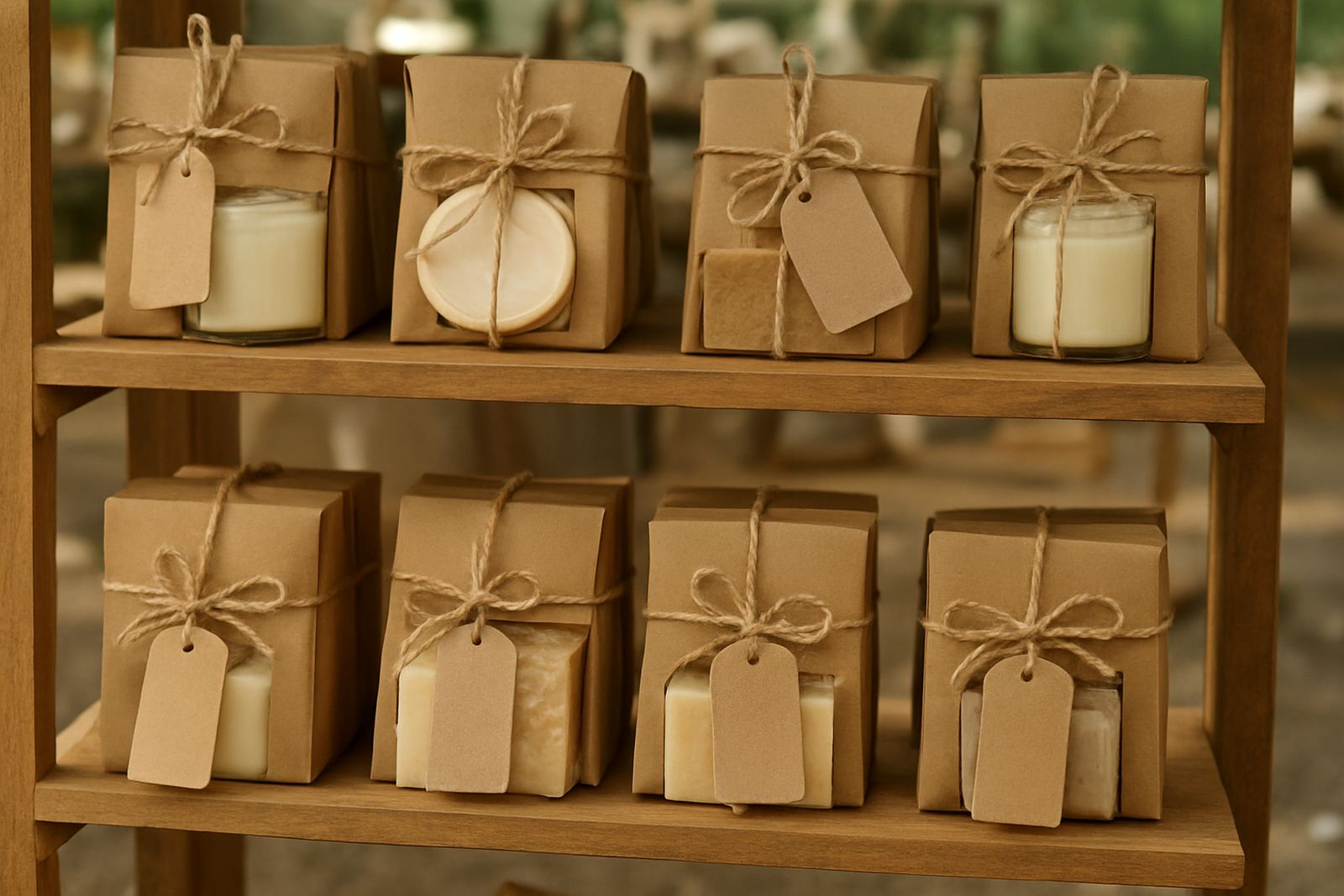
Good bundle candidates are sealed food items, wrapped soap, candles in sturdy holders, small textile goods, stationery sets and dry goods packed in proper containers. If you sell edible items, check labels, storage advice and any municipal market rules that apply to food handling. For food stalls, keep ingredients clear and pack items so they do not shift during handling.
Use strong bags, boxes or wrap that holds the items together properly. A neat bundle can sell itself if it looks like a finished gift, not a loose collection of stock. Small detail matters here, because customers often decide within seconds.
Use Simple Signage To Cut Decision Time
Shoppers at busy events do not want to decode a long explanation. Your bundle sign should say what it is for, what is inside and what the price is. Keep the message short and use the same wording every time so staff can answer clearly. At a maker night, a customer should be able to read the sign from a short distance and know whether the pack suits them.
Try naming bundles by occasion instead of by product type only. A “Thank You Gift Pack” tells the shopper more than “Soap Set A”. You can also use small cards that explain who the bundle is for, such as teachers, hosts, fathers, new neighbours or corporate clients. If your team is busy, a clear sign saves time and cuts repeated questions.
- State the occasion first.
- List the main items inside the bundle.
- Show the price clearly.
- Add a short note on size, shelf life or care where needed.
Prepare A Packing Routine Before Market Day
If bundles are going to work well, they need a repeatable packing routine. Pack the same items in the same order every time so your stall setup is quicker and stock counts stay accurate. This also helps if you are doing weekend markets in Hatfield one week and a pop-up in another province the next. Consistency saves time and reduces mistakes.
Make a small checklist for each bundle type. Include the number of units, the outer pack, labels, price tag and any insert card. If you offer ready-made gifts, keep some extra stock unassembled in case sales are faster than expected. That makes restocking easier during a busy Saturday morning when customers are still coming through after 10am.
- Pre-count all items before leaving for the market.
- Keep bundle components in one labelled crate.
- Carry spare bags, tags and tape.
- Check stock after every peak trading hour.
Test Bundle Ideas With Real Customers
The best bundle ideas come from watching what shoppers actually pick up. If people keep asking for smaller packs, make a lighter version. If they ask whether a bundle can be customised, prepare a few mix and match options. You do not need to guess what works when the stall itself gives you the answer.
Start with three bundle types and test them across a few weekends. Track what sells first, what gets left behind and what customers ask about but do not buy. That gives you useful buying clues without a formal survey. Small businesses grow faster when they test, adjust and keep the offer practical.
At Local Makers Market events, bundle ideas can also support community buying. One family may buy one gift pack, while another picks up two smaller packs for different people. When the choice is simple, the sale becomes easier and the customer leaves with less stress.