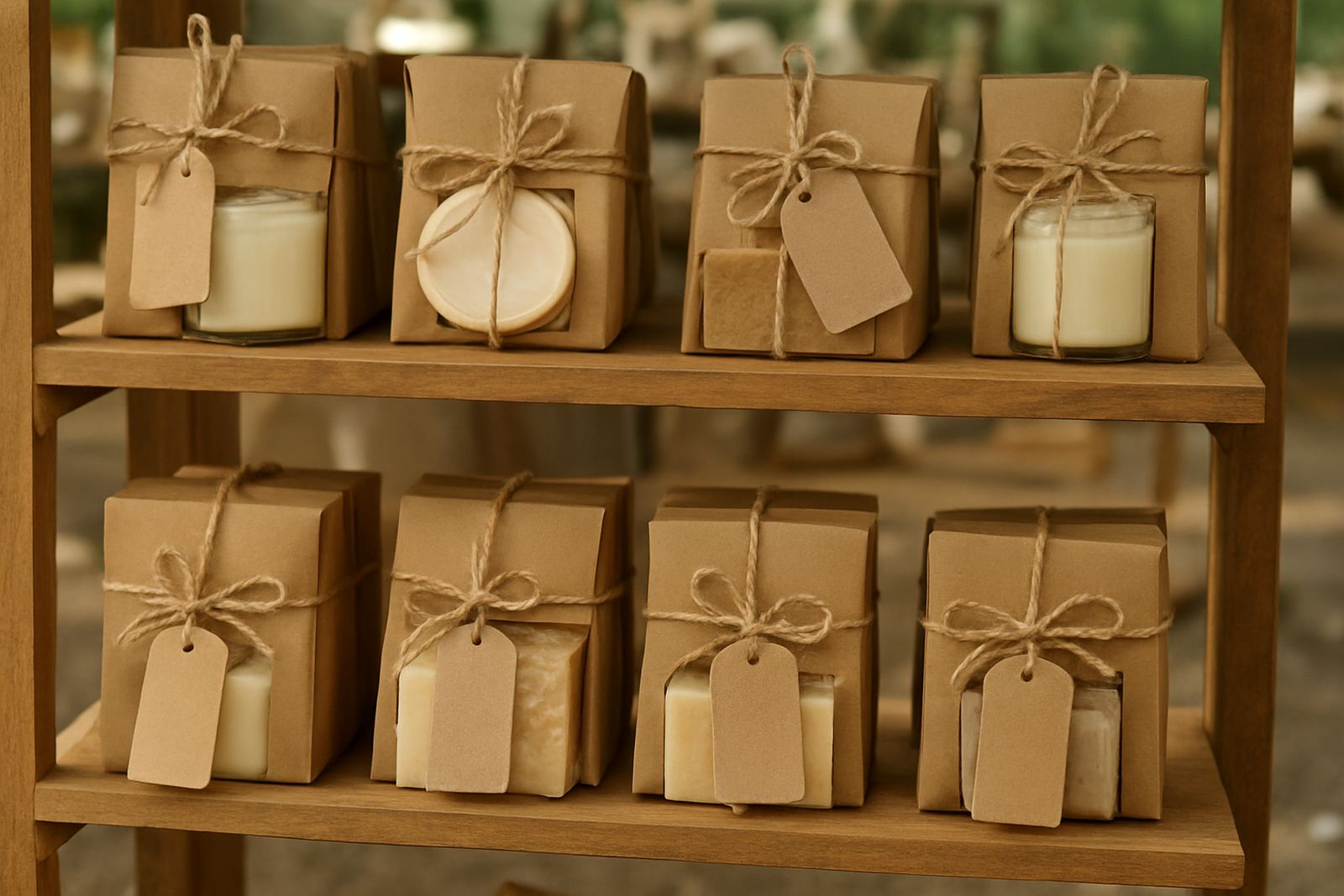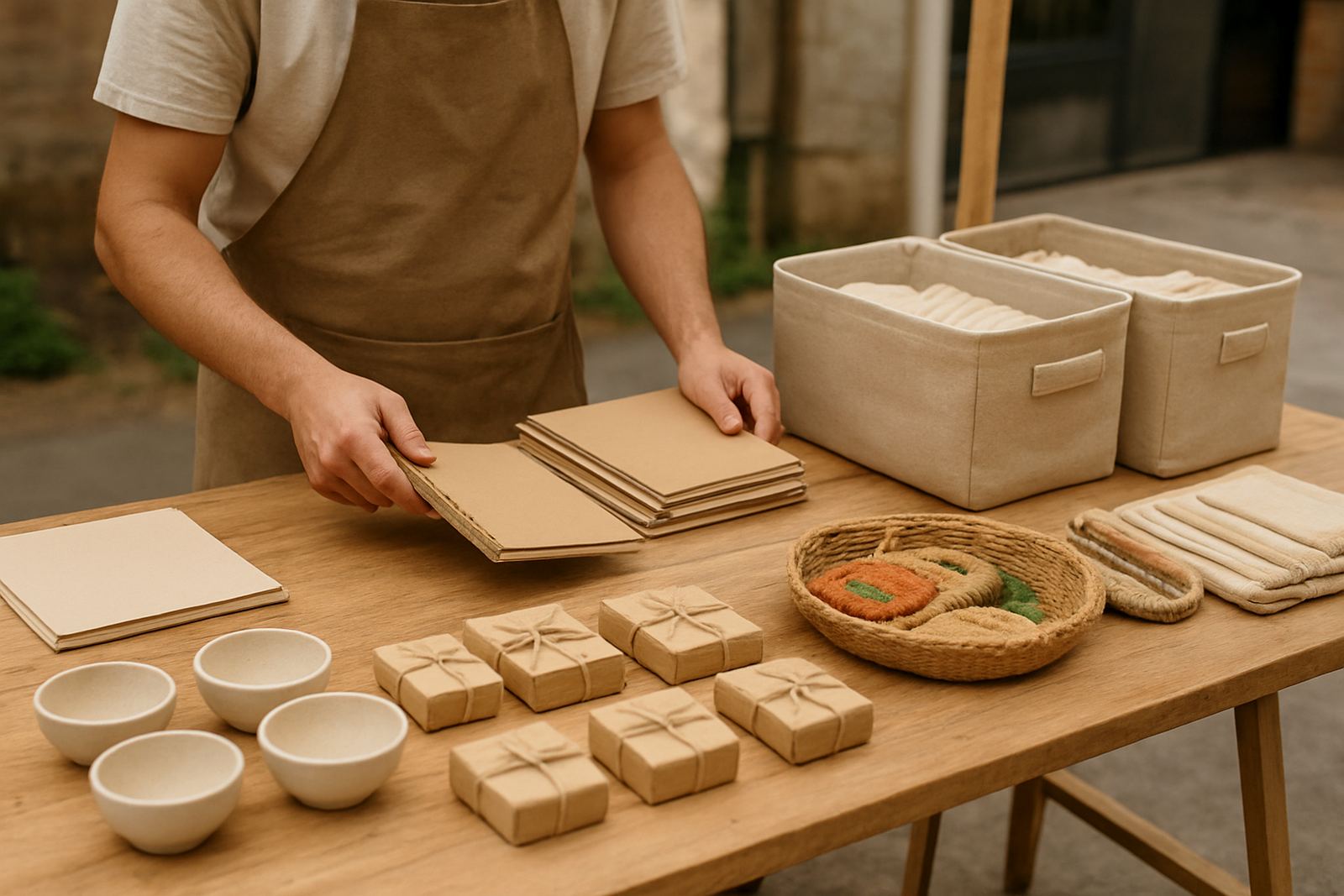
Start With Your True Cost Per Item
The first step is to calculate what one item actually costs you to make. Do not guess from memory. Write down every input, even the small ones, because thread, labels, boxes, gas, tape and bank charges all add up over a month.
For each product, work out the cost of materials, packaging, labour, and overheads. Labour is your time, even if you are working from home in Hatfield after hours. If a candle takes 40 minutes to make and 20 minutes to label, that time has value. If you ignore it, your price will look good on paper but leave you short at month end.
- Materials: fabric, clay, ingredients, glue, boards, jars, and fittings
- Packaging: bags, boxes, stickers, care cards, tissue, and protective wrap
- Labour: making, finishing, packing, admin, and stall setup
- Overheads: electricity, transport, storage, printing, airtime, and card machine fees
If your business uses power tools or fridges, add a fair share of electricity, especially when backup power or extra fuel may be needed. Coastal humidity can also mean more spoilage or extra sealing for some goods, so your real cost may change by region.
Choose a Pricing Method You Can Repeat
Once you know your base cost, choose a method that works across your product range. Many makers use a cost plus markup model, then adjust for detail, size, and demand. That gives you a repeatable process instead of a different number every time someone asks, how much?
A simple approach is to multiply your total cost by a markup factor. For example, if an item costs R80 to make and you apply a 2.5 times markup, the selling price is R200. That may be suitable for a handmade item with a good finish, strong presentation, and steady demand at weekend markets.
Another option is to use labour based pricing. Set an hourly rate for your making time, then add materials and overheads. This works well for products that take careful hand-finishing, custom work, or small batch production where each item is a bit different.
- Use cost plus for consistent items made in batches
- Use labour based pricing for custom or time-heavy products
- Use market comparison as a check, not your only method
- Round to clean numbers that are easy to say at a stall
Check the Market Without Undercutting Yourself
Visit markets in Hatfield, Brooklyn, Lynnwood, Menlyn, Centurion and other local events to see how similar items are priced. You are not copying other makers. You are checking whether your price sits in the right band for the quality, size and type of item you sell.
Look at what buyers are already paying for items with similar finish, ingredients or build time. A hand-poured soap priced at R45 may be reasonable in one context, while a carefully packaged gift set at R180 may be expected at a higher end market. The point is to understand the space you are selling into.
Be careful not to race to the bottom. If your product is cheaper only because you left out labour or packaging, that is not a strategy. It becomes difficult to keep going, and it can make your brand look uncertain too. Price for sustainability, not panic.
- Compare size, finish, ingredients, and packaging quality
- Notice whether the product is custom, seasonal, or ready to gift
- Ask what customers at that venue seem comfortable spending
- Keep a record of competitor prices by category, not by maker name
Build In Market Day Costs and Payment Fees
Market selling brings extra costs that many new makers forget. Stall fees, transport, parking, fuel, generator use, staff help, card machine fees, and table hire all need to be covered. If you only price for the product itself, the actual profit can disappear after one busy Saturday.
Think through a full market day from loading the vehicle to unpacking at home. If you travel from Pretoria to a pop-up elsewhere, the fuel and tolls are part of the price of doing business. If your items need cold storage, ice packs or extra packaging, include that as well.
A useful check is to work out how many items you usually sell at a market and then spread the day costs across those sales. If your stall fee is R650 and you expect to sell 25 items, that is R26 before you have added fuel, packaging or card fees. Small amounts matter when you are selling handmade goods one by one.
- Stall or event fee
- Transport, fuel, parking and tolls
- Card payment charges and mobile data
- Tablecloths, signage, sampling, ice and cleaning supplies
Set Prices for Wholesale, Retail, and Custom Orders
Not every sale should carry the same price. A retail customer at a market may pay full price, while a boutique stockist or corporate client may need a wholesale rate. The key is to know your minimum price before you say yes.
For wholesale, your selling price must still leave room for profit after discounting. If your retail price is R220 and a reseller wants 40% off, make sure the reduced amount still covers costs and gives you something worthwhile. If it does not, adjust the order size, reduce packaging, or decline the deal.
Custom orders need their own rules. Add a design fee or quote separately for revisions, special colours, rush work, or personalisation. Clear pricing prevents confusion and protects your time.
- Retail price for direct market sales
- Wholesale price for resellers, with a written minimum order
- Custom quote for made-to-order work, with a clear lead time
- Rush fee for urgent orders or weekend turnaround
Test, Review, and Adjust Your Numbers
Pricing is not fixed forever. Review your numbers every few months, especially if suppliers raise prices, your product changes, or transport costs shift. A small increase of R5 or R10 can protect your margin without scaring buyers away.
Watch what sells quickly, what sits on the table, and what customers ask about but do not buy. If people love the item but hesitate at the price, your packaging, size, or presentation may need a change. If an item sells too fast and leaves you underpaid, that is a sign the price may be too low.
Keep a simple pricing sheet for each product and update it after every market season. That makes stock planning easier for weekend markets, maker nights and pop-ups across South Africa. It also helps when you teach someone else to help on the stall, because everyone quotes the same figure.
- Review costs quarterly
- Track best sellers and slow movers
- Adjust for supplier increases and fuel changes
- Keep a written price list for every product
A Quick Pricing Checklist Before Your Next Market
Before you pack the van for Hatfield or a nationwide maker night, run through this short checklist. It helps you stay consistent and stops prices from changing halfway through the day.
- Have I listed every material and packaging item?
- Did I pay myself for making time, admin and setup?
- Have I included stall fees, transport, and payment charges?
- Does my price fit the market and the quality of the item?
- Is there a separate price for wholesale or custom work?
- Can I explain the price clearly if a customer asks?
If you can answer yes to most of these, your pricing is probably on the right track. If not, go back to your numbers and tighten them up before the next trading day.