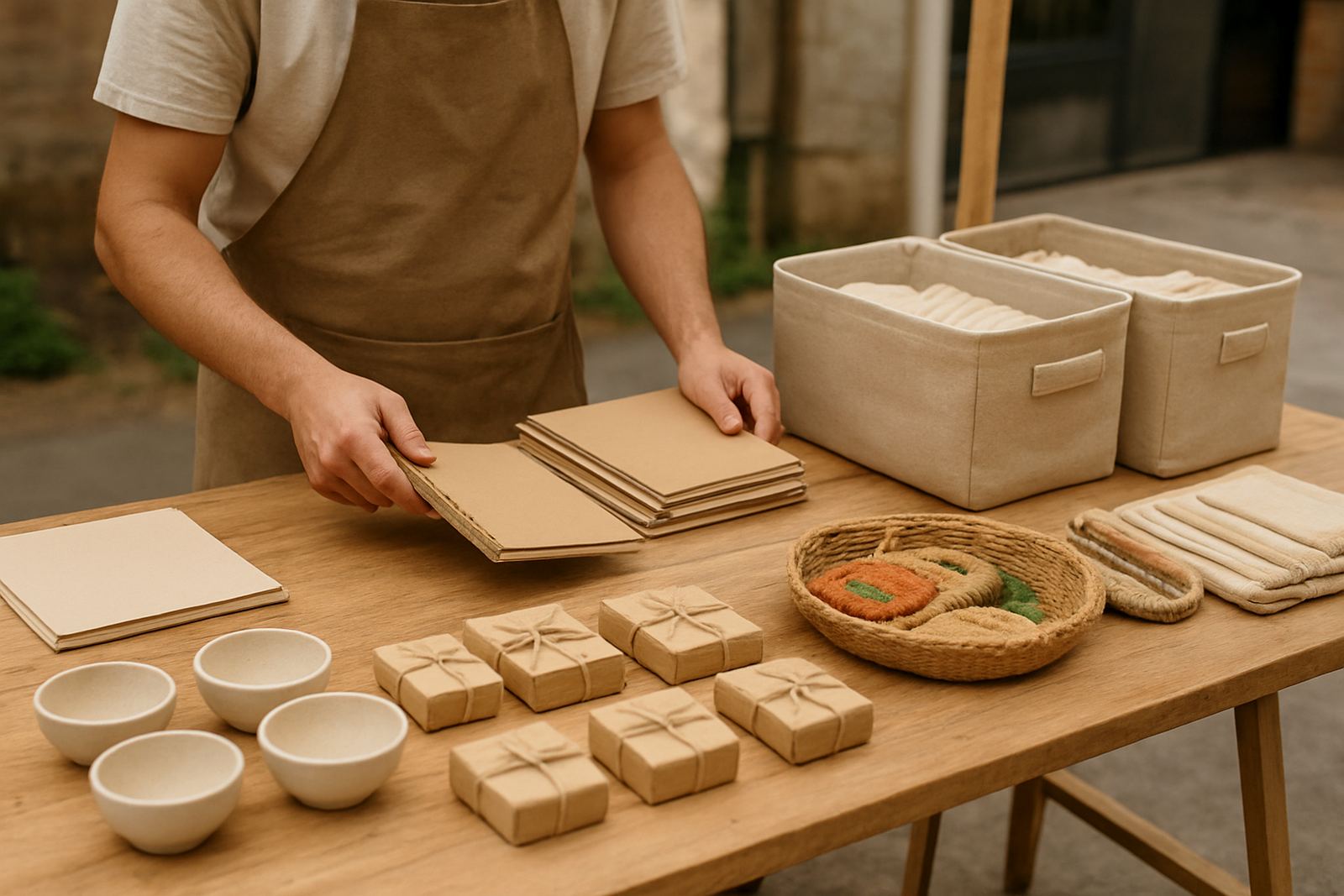
Start With Three Trading Scenarios
At a market, stock planning is easier when you think in three blocks: quiet mornings, peak hours and seasonal events. A stall that sells 20 items before 10am may need a very different mix from one that gets busy after midday or during school holidays, pay weekend, or a public holiday market.
Start by looking at your last three to five events. Note what sold first, what stayed on the table and which items were asked for but not available. If you are new to trading, use your first event as a test run and keep notes on every sale, even small ones. A simple count by hour gives you far better planning than guessing from memory.
- Quiet morning stock: enough for browsing traffic and early buyers
- Peak hour stock: extra items for lunch time or late morning rushes
- Seasonal stock: higher volume for school holidays, year end and gift buying periods
Work Out Your Base Quantity Per Product
Pick a base number for each product line before you add extras. For example, if you usually sell 12 jars of preserve in a good morning, your base may be 15 jars for a regular Saturday and 20 to 24 jars for a busier market. Small batch makers should protect cash flow by keeping base stock tight, then topping up only where demand is proven.
Separate fast movers from slow movers. Fast movers need depth, slow movers need a smaller range so you do not overpack your table or your car. If a product has many colour or flavour choices, carry enough variety to look full but not so much that one item sits for three weekends.
- Fast movers: 1.5 to 2 times your normal sale volume
- Medium movers: around your normal sale volume plus 20 percent
- Slow movers: 6 to 10 pieces per line, depending on price and size
Keep in mind that weather changes buying patterns. Hot days lift drinks, ice cream treats and light food items, while cold or rainy mornings can reduce casual walk-ins. Coastal humidity can affect packaging and food presentation, so choose containers that hold shape and seal well.
Use A Simple Packing Checklist Before Load In
Packing the wrong quantity is costly, but leaving key items behind is worse. A clear packing checklist keeps your stock levels linked to what actually fits on your stall and what you can restock from your vehicle during the day. Count every item before you leave home and again before first trade.
For bigger events, pack by category rather than by product alone. This helps when one line sells out and another needs a top-up. Keep your crate labels clear so you know what is on the table, what is in reserve and what stays in the vehicle.
- Table stock: items needed for display and first hour trading
- Reserve stock: 25 to 40 percent of your table stock, kept nearby
- Emergency stock: top sellers only, packed for a quick refill
- Packaging: bags, boxes, labels, tissue, tape and change float
If you trade food, check municipal rules and market rules on labelling, storage temperature and hand washing stations. Food stalls often need more backup stock than craft stalls because once a product is gone, it cannot be replaced on the spot.
Adjust For Quiet Mornings And Peak Hours
Quiet mornings are ideal for testing new stock levels. Set your table to look full without overcommitting. Buyers at a quieter market often spend more time comparing and asking questions, so having enough range matters as much as having large volume.
During peak hours, plan for quick replenishment. If your busiest period is between 11am and 2pm, move a second wave of stock close to the stall before trading starts. That way you are not unpacking from boxes while customers wait. A tidy refill system also helps when the wind picks up or when you are working under a gazebo with limited space.
- Morning display: 60 to 70 percent of your available stock
- Reserve stock: 20 to 30 percent for refills
- Back stock: 10 percent held aside for late afternoon trade
For maker nights, smaller quantities often work better because the crowd is more social and purchase decisions can be quicker. Keep bestseller items visible and limit duplicate lines unless demand justifies it.
Plan For Seasonal Events Without Overbuying
Seasonal events can lift sales sharply, but only if your quantities match the type of crowd. Gift-buying seasons need more variety and more small to mid priced items. School holiday markets may favour family treats, activity kits and impulse buys. Large year end events can move stock faster, but they can also leave you with leftovers if your range is too broad.
Use a scaling rule. If a normal market sells 30 items across your range, plan for 45 to 60 items for a proven seasonal event, not 100 unless your numbers support it. Track sell through rate after each event, then adjust the next batch. Makers who review figures regularly usually stop overstocking within two or three markets.
- Test event: increase stock by 10 to 15 percent only
- Known busy season: increase by 25 to 50 percent
- High confidence event: increase by 60 percent or more on top sellers only
Review Sell Through And Reorder Fast
After every market, count what sold, what returned and what was damaged. The goal is not only to know how much you sold, but why certain lines moved. A neat tally sheet can show that one product sold out by noon while another hardly moved. That tells you where to put your next Rand.
Set a reorder point for each core product. When stock drops to that level, begin making or buying more. For handmade goods, allow time for production, drying, curing, labelling or packing. Food makers should also factor in expiry dates and safe storage. If a line has not sold for three events in a row, cut the quantity before you cut your margin.
Keep one master list with your best sellers, average sell through and next order date. It saves time before Hatfield, Brooklyn, Lynnwood, Menlyn, Centurion and nationwide pop-up events, and it helps you walk into each event with a clearer plan.