Start with products that suit a market table
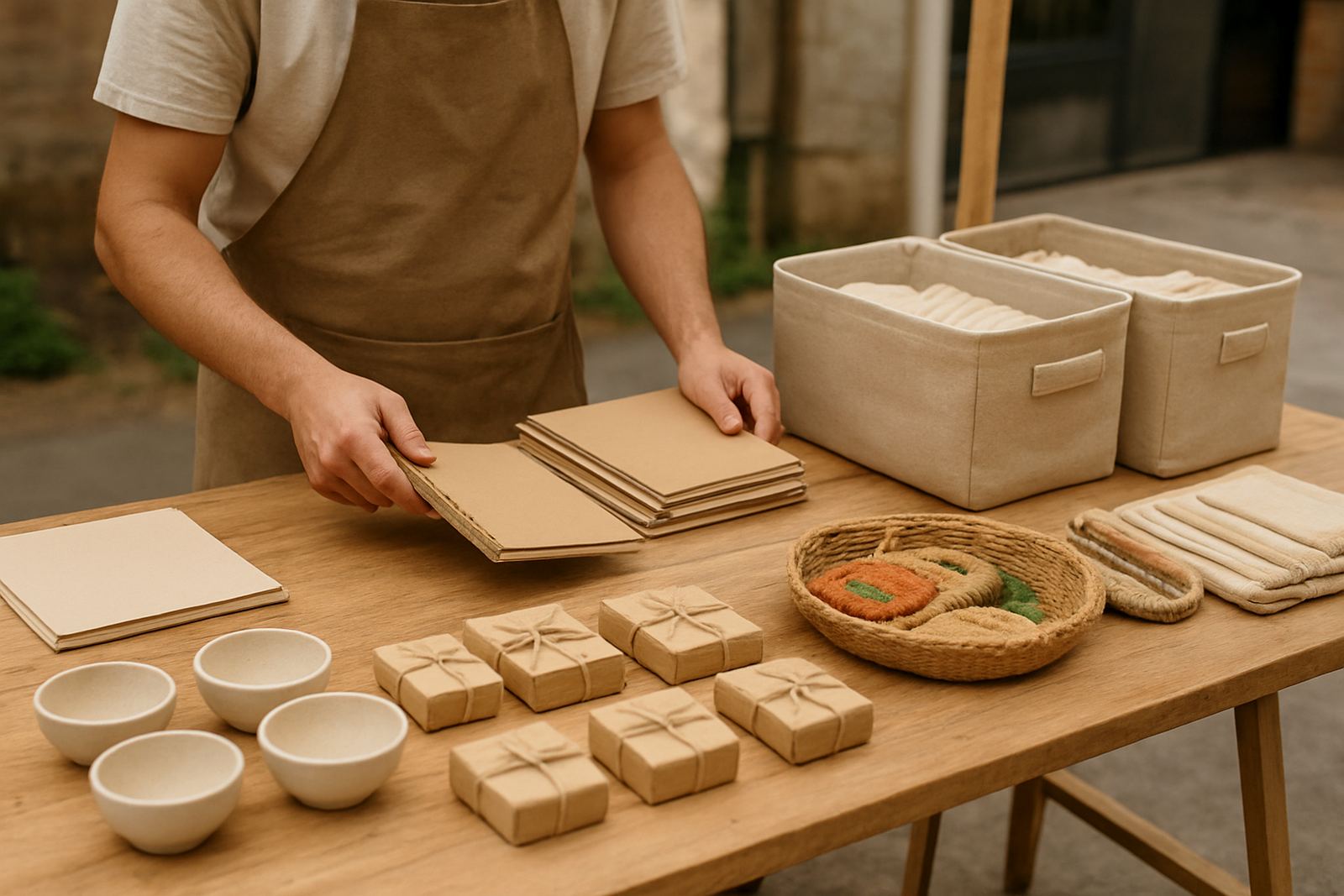
Begin with items that can handle a few hours on display without losing shape, changing colour, or creating a mess. Packaged foods, sealed jars, dry snacks, bakes and portioned tasting samples all work well because they are easy to serve and simple for shoppers to carry home.
Think about heat, dust and transport first. In summer Pretoria can be hot by mid morning, while coastal humidity can soften biscuits, labels and paper wraps. Choose products that travel well in a cooler box or crate, and make arrangements for refrigeration or stall lighting if your stock needs it.
- Pick 4 to 8 core items, not 20 different products.
- Keep one hero product as the main draw.
- Offer smaller packs for first-time buyers.
- Test whether your packaging stays neat after 2 hours in the sun.
Plan a layout that buyers can read in seconds
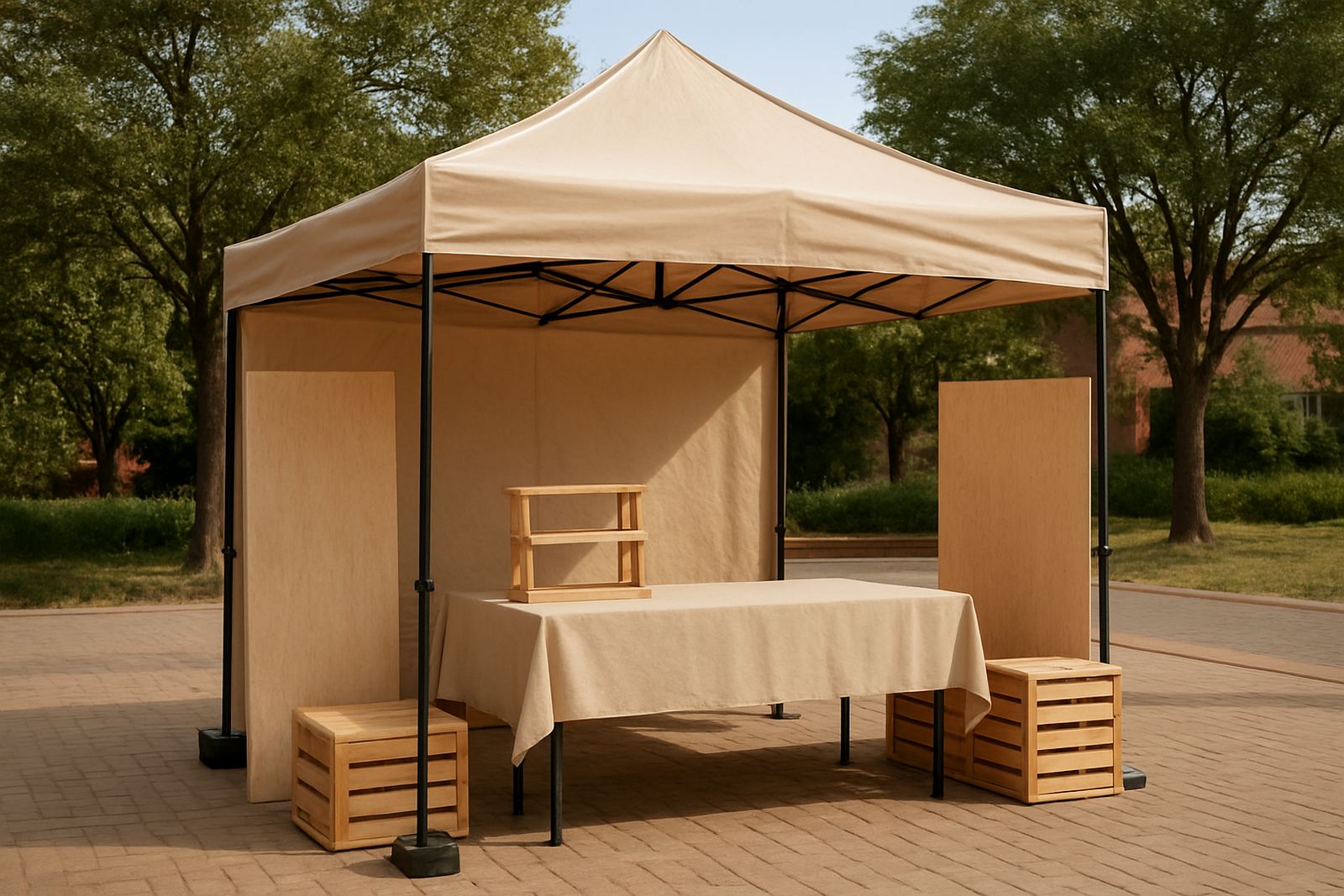
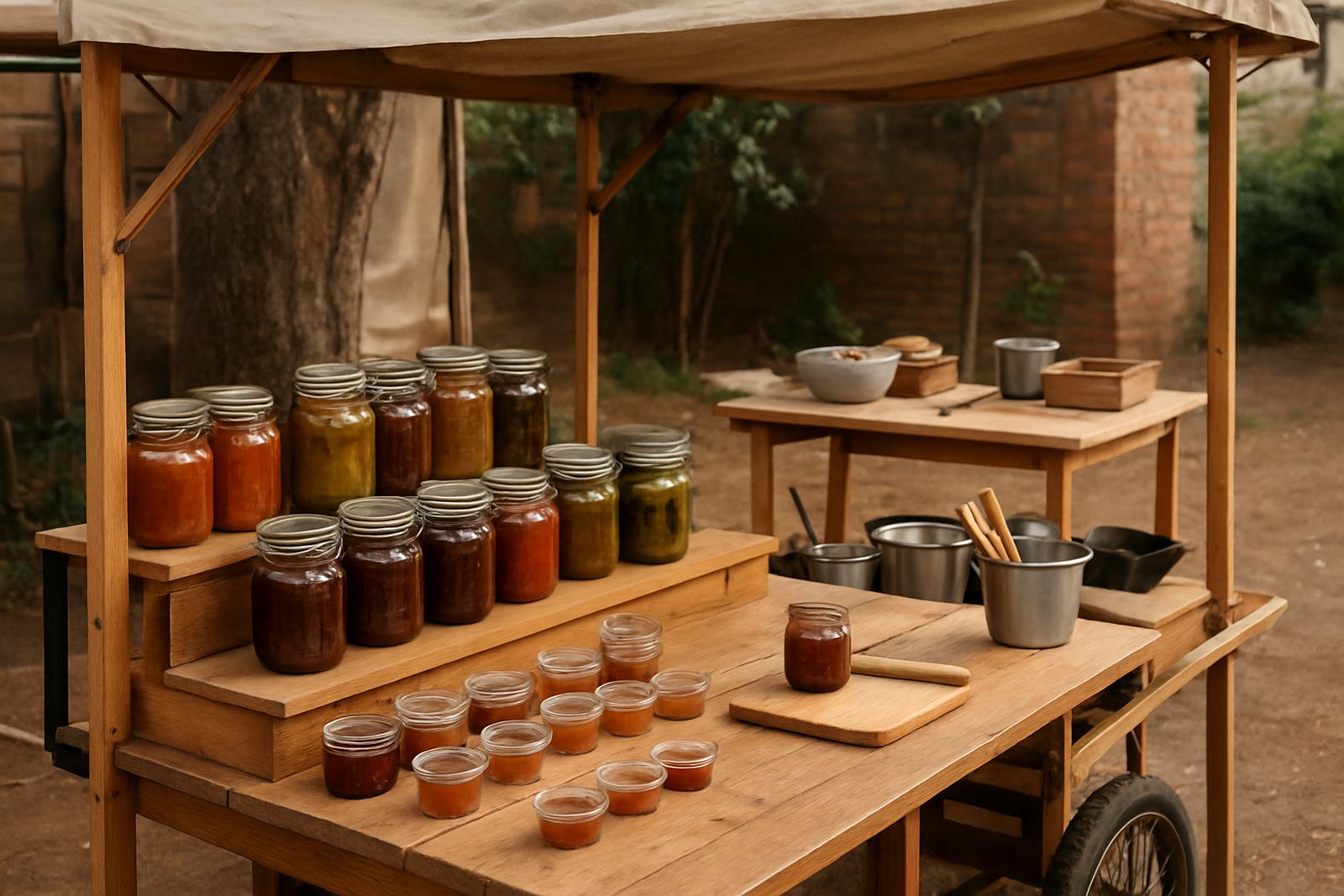
Your table should tell customers what you sell before they ask. Place the clearest products at eye level, keep prices visible, and leave enough space for hands, bags and payment devices. A cramped table makes food look cheaper than it is, even when the product is good.
Use height where you can. A crate, tiered stand or clean riser helps create a stronger display without taking up much room. Keep tasting portions at the front, sealed stock behind them, and a small tray or bin for napkins and sampling waste. If your market has wind or light rain, clip down tablecloths and use weights so nothing lifts or slips.
- Front row: samples, best sellers, price card.
- Middle row: pack sizes and mixed bundles.
- Back row: reserve stock, cooler box, bags.
- Side zone: payment point and hand sanitiser.
Set your packaging and labels before market day
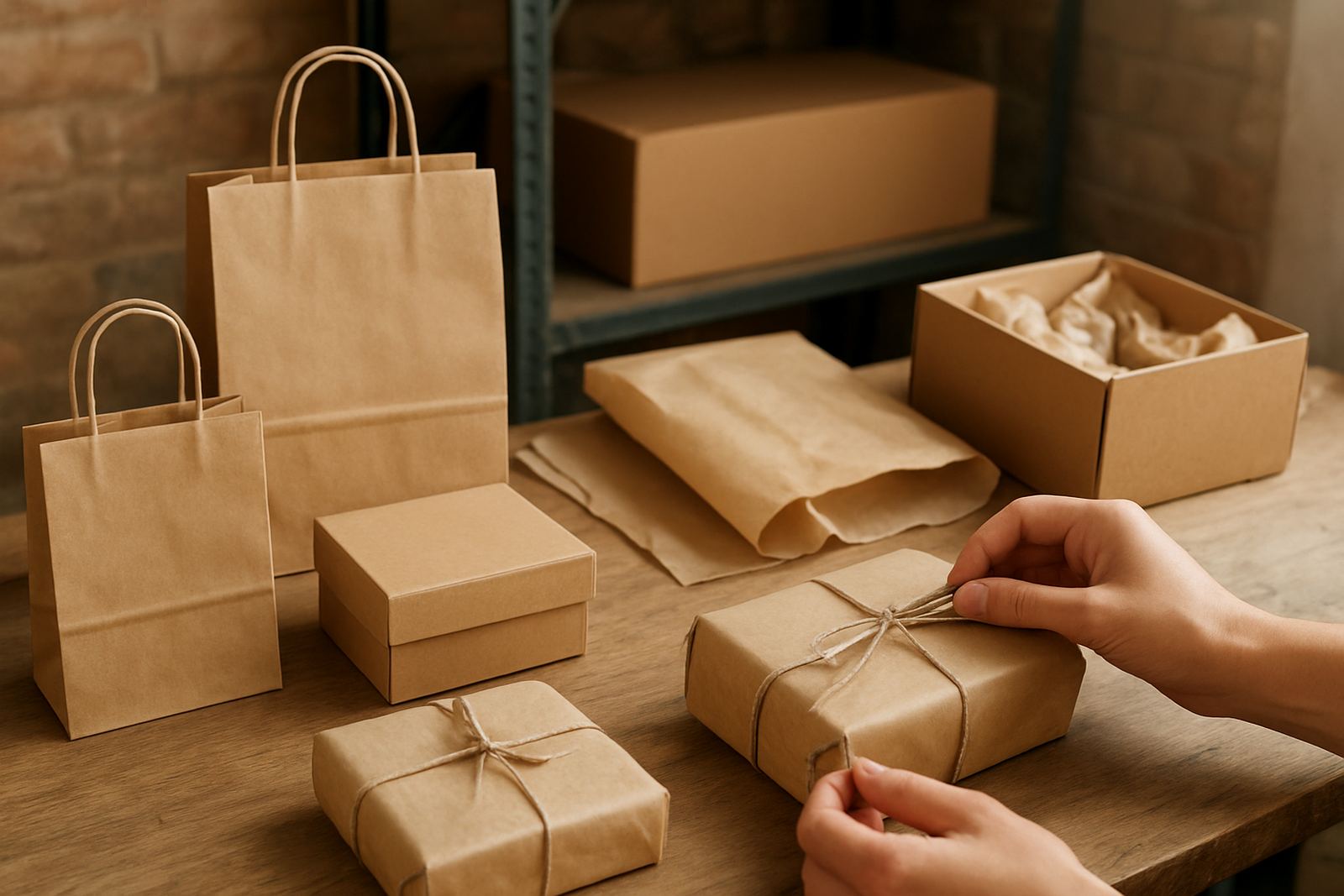
Packaging is part of the product, especially for food. It must protect the contents, carry your label, and still look good in a shopper’s hand. Clear bags, lidded tubs, jars and wrapped portions all work if they seal properly and do not leak oil, crumbs or syrup.
Your labels should be easy to read from arm’s length. Include the product name, ingredients, allergens, weight or quantity, your contact details, and a use-by or best-before note where needed. If you sell baked goods or prepared food, check local health and municipal rules for what must be displayed or kept covered. Keep a few spare labels and a marker in case a pack gets damaged or a price changes.
Build tasting portions that are neat and safe
Tastings help people buy, but only if they are quick and tidy. Cut samples into small, uniform pieces and use tools that let you serve without touching the food. Keep wet and dry samples separate, and never let tasting trays sit uncovered in the sun for long periods.
If your product contains dairy, meat, or anything that spoils quickly, use a cooler with ice packs and small refill trays rather than one large open platter. Replace spoons and forks often, and use napkins to keep hands clean. A tasting table that looks orderly gives shoppers confidence and keeps queues moving.
- Pre-cut samples at home in clean containers.
- Use tongs, toothpicks or small spoons.
- Have a waste cup close by.
- Replace samples every 20 to 30 minutes in warm weather.
Price for retail, not guesswork
Many small food sellers underprice because the market feels casual. It is still retail. Your price should cover ingredients, packaging, labels, transport, stall fees, market prep, and your time. If you only price for ingredients, you will struggle to grow or repeat the stall.
Use clear price points that make decision-making easy. R49, R85 and R120 are often easier to work with than odd figures because buyers can compare quickly. Consider bundle pricing for mixed packs, and keep a small note of your margins so you know what sells well and what only looks busy. If you are trading at several markets a month, review prices every season, not once a year.
Check your market-day pack before you leave home
A reliable checklist saves time and stress. Pack everything in the same order every week so you can see what is missing before you drive out. Keep one crate for stock, one for tools, and one for paperwork and cashless payments.
- Table, cloth and display risers
- Packaging, labels and spare bags
- Tongs, knives, boards and gloves
- Sanitiser, cloths, bin bags and paper towel
- Cooler box, ice packs and backup stock
- Price list, card machine or payment QR details
- Water, snacks and change for the day
When you arrive, set up early enough to test the layout, wipe surfaces, and check that your signs can be read from a few steps away. If you are selling in Hatfield, Brooklyn, Lynnwood, Menlyn or Centurion, this small routine will make each market feel steadier and more professional.