Start with the product, not the pretty box
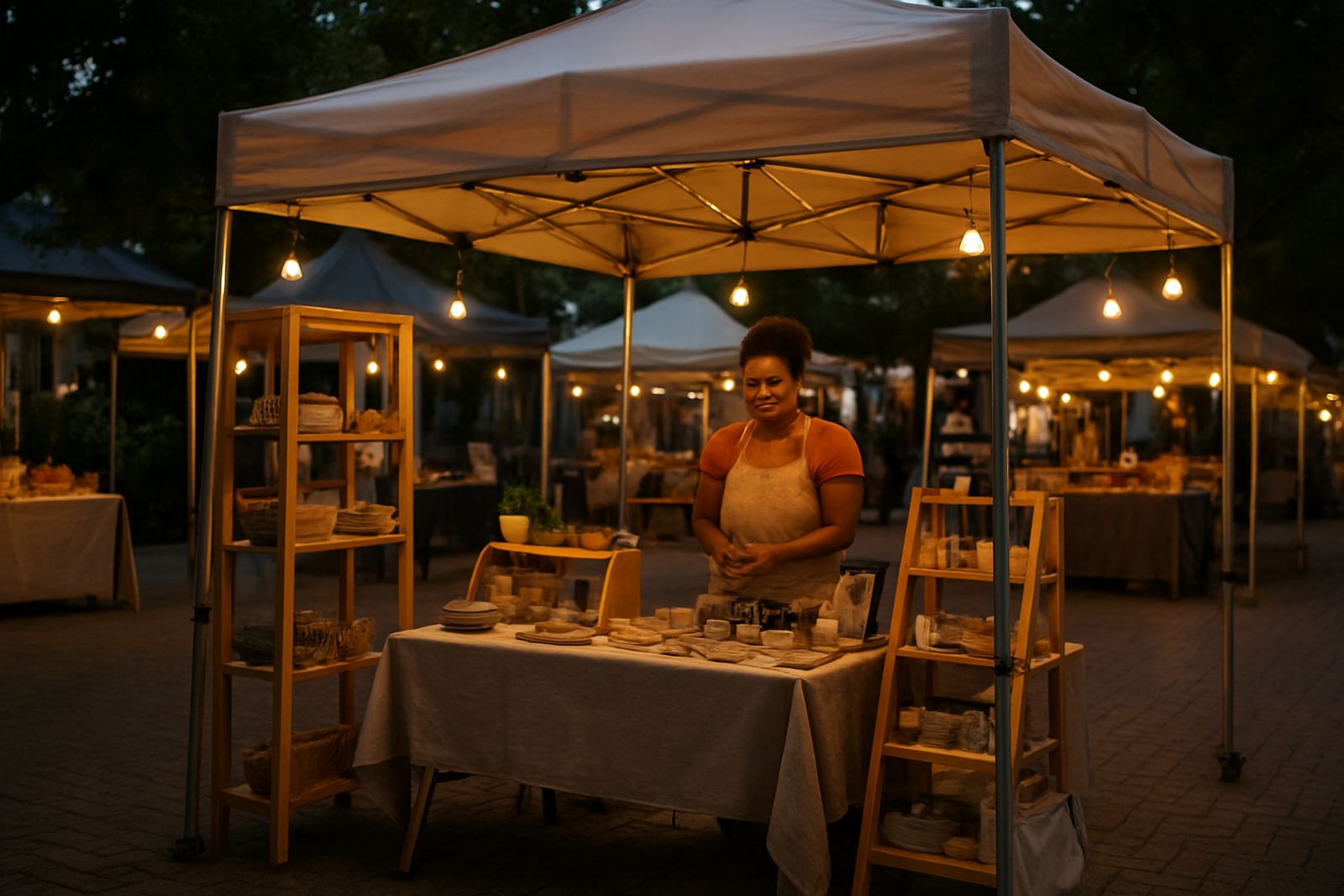
Before you choose anything, look at what the product needs in transit and on the table. A jar of chutney, a ceramic mug, a cotton tote and a soap bar all need different protection. If you are trading in Hatfield, Menlyn or at a pop-up in Durban or Gqeberha, your packaging has to handle bumps, heat, dust and customer handling without falling apart.
For fragile items, build protection in layers. Use inner wraps, a firm outer sleeve or box, then a bag or label that makes it presentable. For food items, check that every material touching the product is food-safe. If your goods are oily, moist or aromatic, test how the packaging holds up after 6 to 8 hours on a table. You do not want a nice-looking pack that leaks by lunchtime.
- Match the pack to the product weight, shape and breakability.
- Check if the item needs ventilation, moisture control or extra insulation.
- Make sure every pack can be opened and closed quickly during a busy market day.
- Choose sizes that fit neatly into crates, tubs or carry boxes.
Use materials that suit South African trading conditions
Markets in Pretoria can be hot and dusty, while coastal spots often bring humidity and salt air. Thin paper bags, unsealed labels and weak tape often fail in those conditions. If you trade outdoors, choose materials that stay neat through morning dew and a few hours of customer browsing. It is worth spending a little more rand on better stock if it saves breakages and returns.
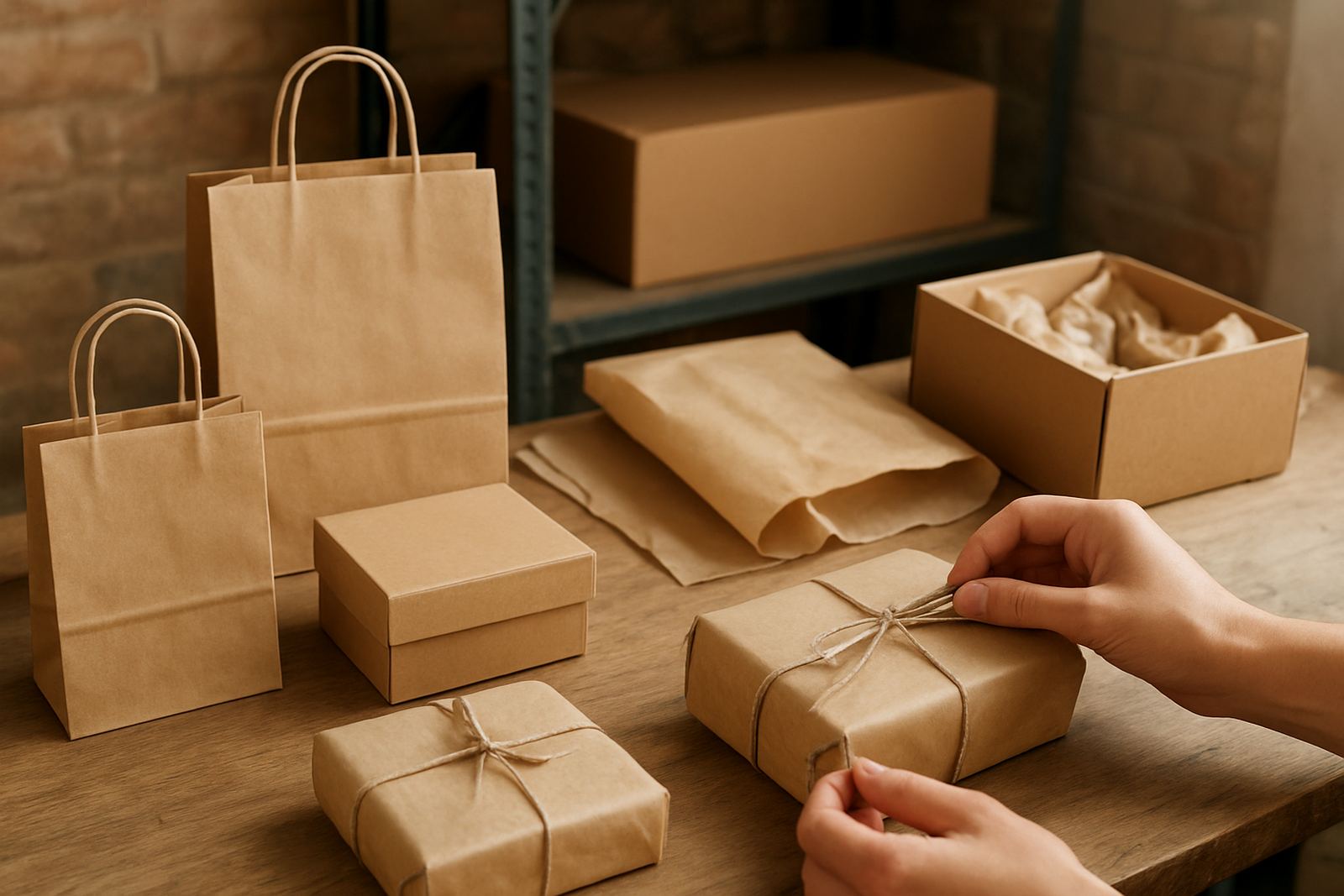
Recycled kraft paper, rigid cardboard, clear sleeves, glassine, food-grade tubs and woven carry bags all have a place. Avoid packaging that warps in heat or becomes limp when damp. If your product sits near tasting samples or ice buckets, keep the outer presentation separated from the moisture source. A small typo on a label is less serious than a bag that tears when someone carries it home from the car park.
- Keep a few packaging options for summer, winter and rainy days.
- Use moisture-resistant labels and strong adhesive for jars and bottles.
- Store spare stock in sealed tubs off the ground.
- Test one full pack in the sun and one in the shade before market day.
Make it gift-ready without slowing down your stall
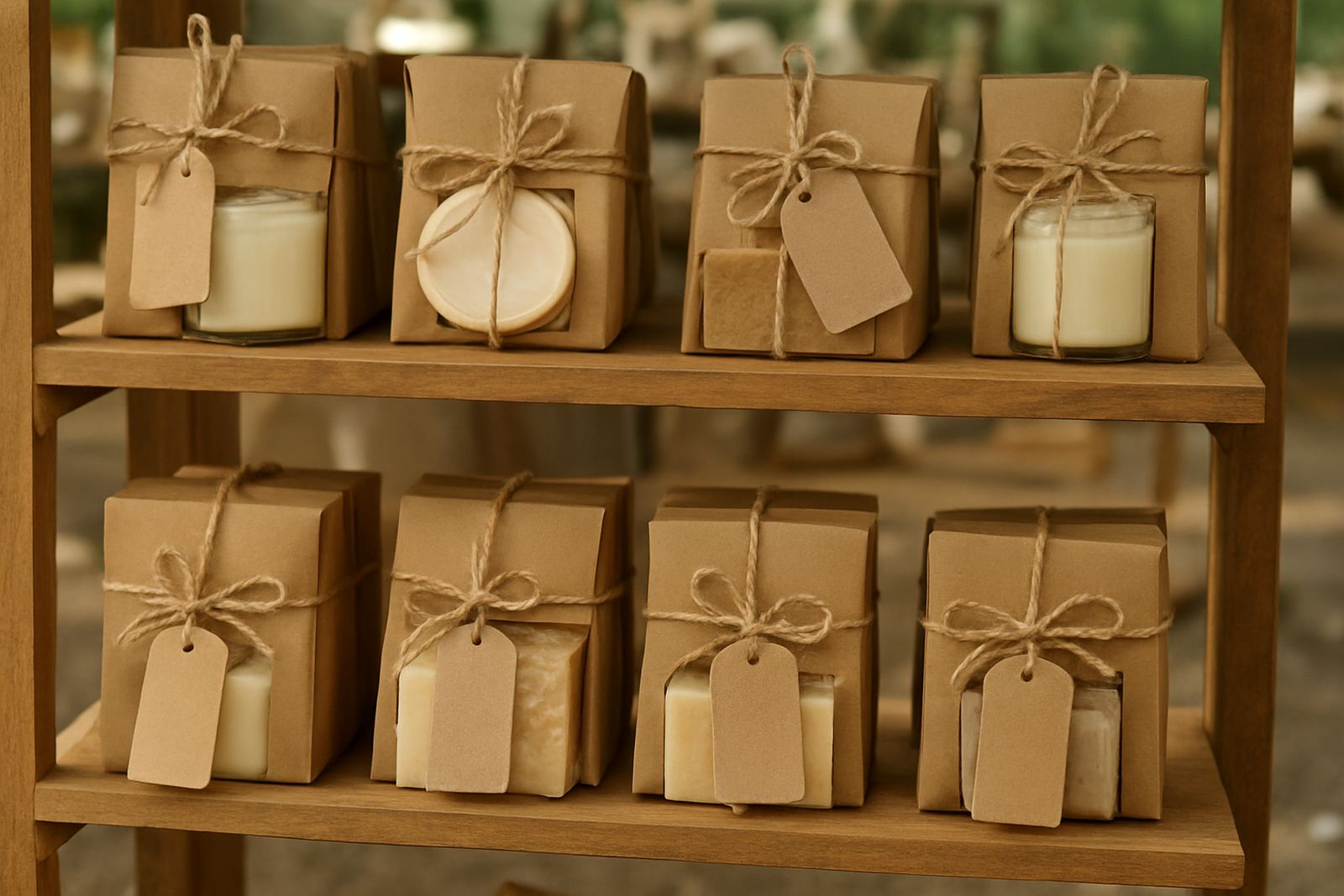
Customers at weekend markets often buy with gifting in mind, even when they say they are shopping for themselves. That means your packaging should feel special, but still be easy to assemble when 20 people are waiting at your table. A good rule is to keep the base pack simple and add one finishing touch, such as a sticker, tag, ribbon or printed insert.
For handmade goods, a clean label and one consistent colour palette go a long way. You do not need elaborate wrapping. You need something that looks cared for, stacks well and lets the customer see what they are buying. If your packaging takes longer than two minutes per item, it may slow sales during peak periods and make setup harder for a maker night or busy Saturday morning.
- Pre-fold boxes and pre-cut tissue before you leave for the market.
- Keep a separate crate for gift wrap, tags and tape.
- Use one or two brand colours only, so your table stays tidy.
- Have a quick version for repeat customers and a fuller version for gifts.
Pack for safety, stock control and easy transport
Good market packaging is also about moving stock safely from home to stall and back again. If you are driving from Centurion to Hatfield, or setting up a nationwide pop-up, your packaging must be stable in the car and easy to count at the end of the day. Flat packs, stackable boxes and labelled crates help you see what sold and what is left without unpacking everything.
Use a simple packing order: heavy items at the bottom, fragile pieces on top, food separate from non-food, and loose items kept in small bags or boxes. If you use reusable tubs, number them so packing up is faster after a long day. This is especially useful when rain starts or when you are closing in low light after a maker night.
- Separate display packaging from transport packaging.
- Label each crate by product type and quantity.
- Carry extra tape, scissors, cable ties and marker pens.
- Keep a small repair kit for torn bags, broken seals or loose tags.
Set clear pricing and information on the pack
Packaging should help customers understand the product quickly. At a market, people often decide in seconds. They want to know what it is, how much it costs and whether it suits their needs. A clear label can reduce questions, speed up sales and cut down on confusion at the payment table.
Include the product name, size, ingredients or materials where needed, care instructions and price. For food, make sure your labels are neat and legible. For handmade homewares, include care notes such as hand wash only, cool iron or keep dry. If your pack is too busy, the important details get lost and the customer may walk away unsure. Keep it plain and practical.
- Use large, readable type from at least arm’s length.
- Place the price where it can be seen without picking up the item.
- Add batch details or best-before dates where needed.
- Keep wording short so the label stays uncluttered.
Build a packing checklist for every market day
A written checklist saves time, especially when you are loading before sunrise or setting up after a change in routine. Packaging items are easy to forget because they are small, but if you leave them behind you may have stock and no way to sell it properly. A simple, repeatable list keeps the whole team aligned and cuts stress on site.
Review your packing list after each market and note what was wasted, damaged or used too fast. If one size of bag always runs out first, adjust your quantities. If a certain box crushes in transit, replace it. Small changes add up over a season, and they can improve both presentation and margin.
- Outer boxes or crates
- Inner wraps, tissue or protective sleeves
- Labels, price tags and product cards
- Tape, scissors and marker pens
- Gift bags, ribbons or stickers
- Cleaning cloths and spare table covers
- Back-up packaging for breakages and last-minute sales
When your packaging is planned properly, it supports the sale instead of getting in the way. That means less damage, fewer awkward questions and a better customer experience from the first look to the moment they leave the market.