1. Confirm the market details before you pack
Before you load the vehicle, make sure you know the venue, set-up time, trading hours and bump-in rules. A first market in Hatfield is not the same as a maker night in another province, and parking, load-in access and table sizes can change from one event to the next. Check whether the site has power, whether you need extension leads and if there are any municipal or venue limits on gas, open flames or food prep.
- Arrival time and bump-out time
- Stall size and table or chair supply
- Power access and cable length needed
- Parking for offloading and trader vehicles
- Payment rules, cashless options and Wi-Fi availability
- Food handling rules if you are selling edible goods
If you are trading outdoors, ask about shade, wind exposure and what happens if it rains. Pretoria sun can be hard by midday, and coastal humidity in other areas can affect packaging and stock, so it helps to know the conditions before you plan your display.
2. Pack stock that is counted and ready to sell
Take only what you can display neatly and replenish during the day. Count stock before you leave home, then pack it by item type and price point so you are not searching through boxes while customers wait. Small batch products should be organised by colour, size or flavour, with clear labels on every tub and crate.
- Enough stock for the full trading day, plus a small back-up box
- Price labels for every product and variation
- Wrapped or sealed items for dust and handling
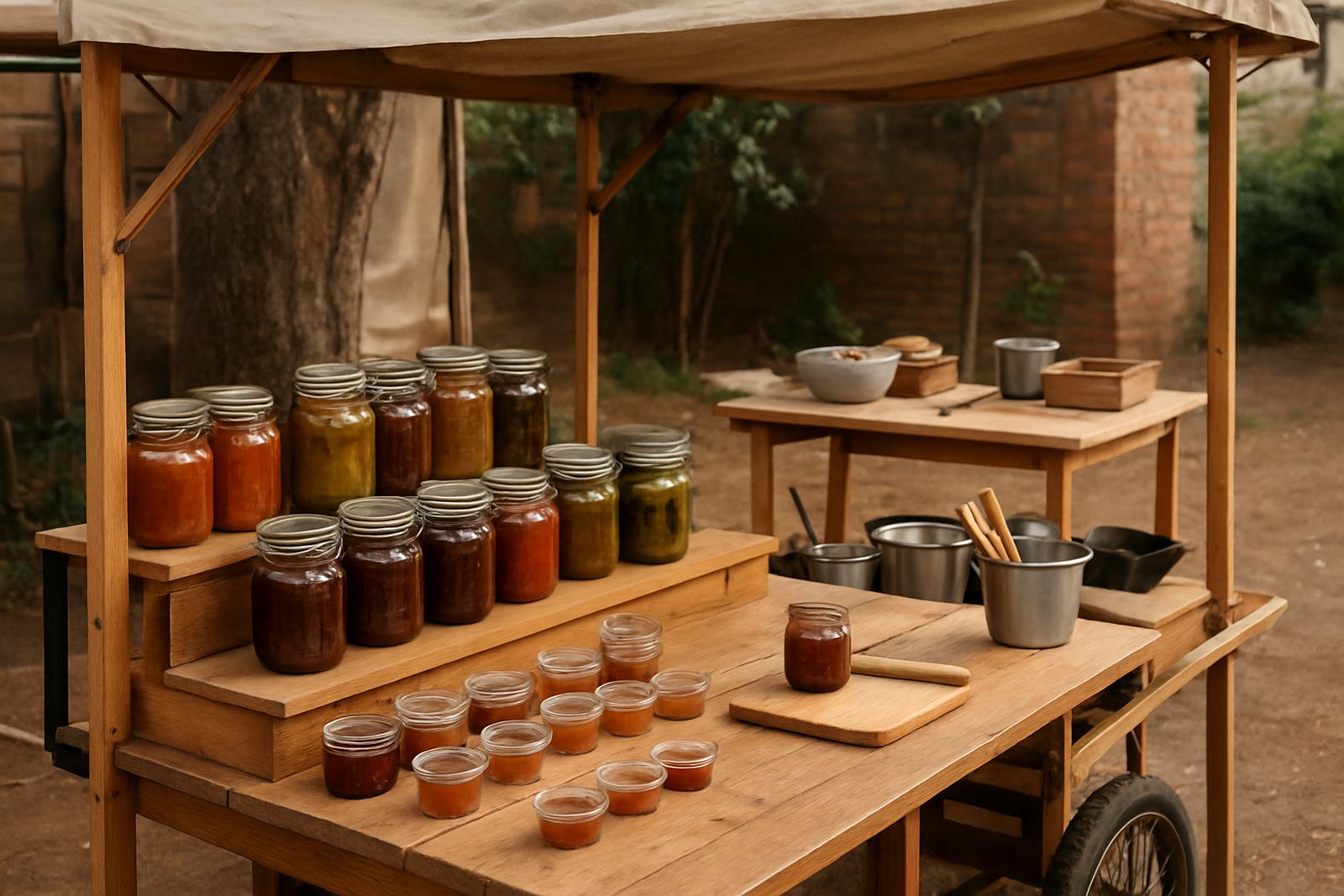
- Samples where appropriate, especially for food stalls
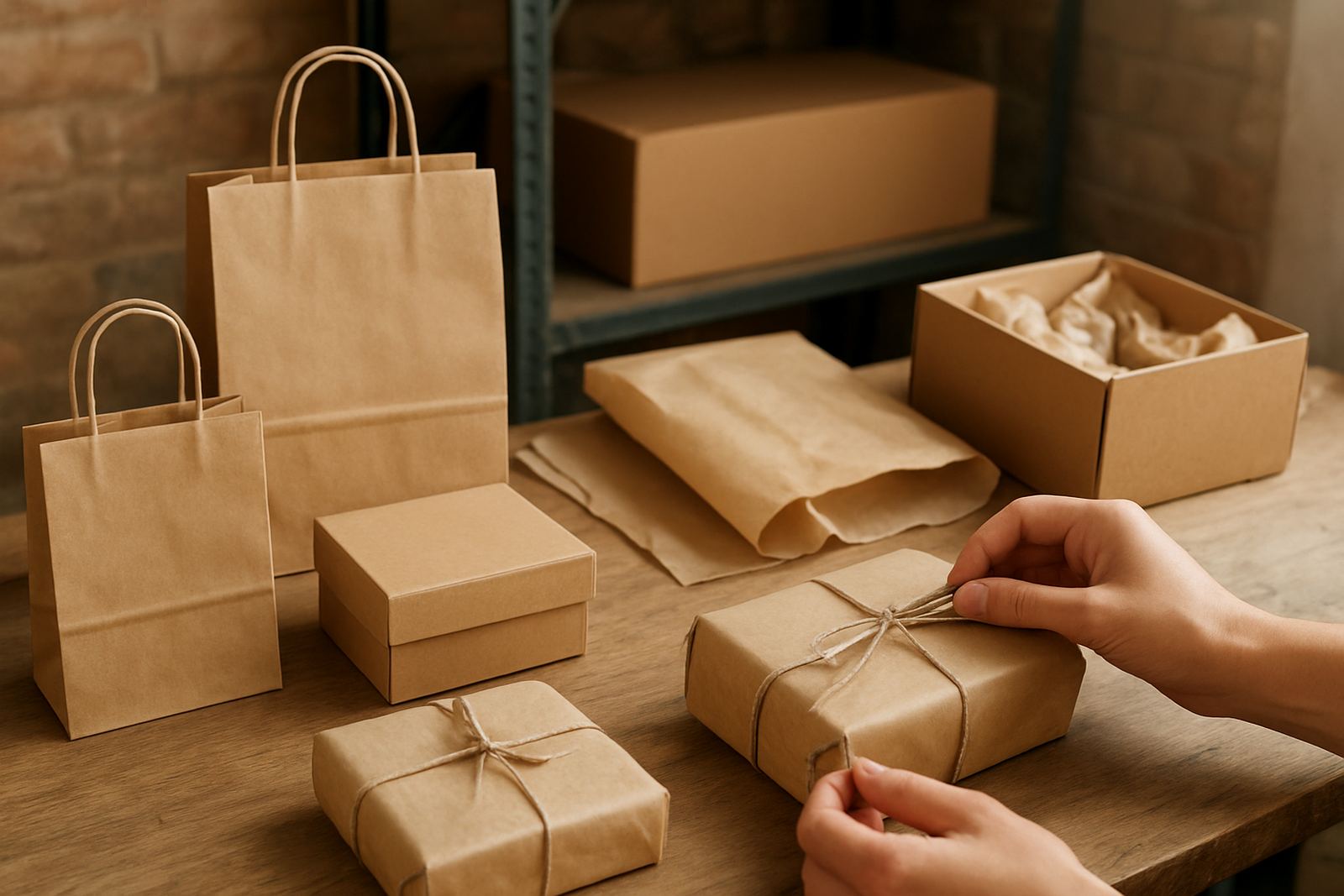
- Backup packaging for breakages, returns or extra sales
For food sellers, keep ingredients, dates and allergen information close at hand. For crafts, make sure delicate items are protected with tissue, cardboard or bubble wrap so they do not chip on the way in. If you sell jewellery, ceramics or printed goods, a few spare pieces can save the day if one item gets damaged.
3. Bring a stall kit you can run from start to finish
Your stall kit should help you set up quickly, work comfortably and pack down without stress. Think of it as the equipment that keeps the day moving when you are busy serving customers. A folding table, cash box, price signs and a few practical tools are usually more useful than extra decor.
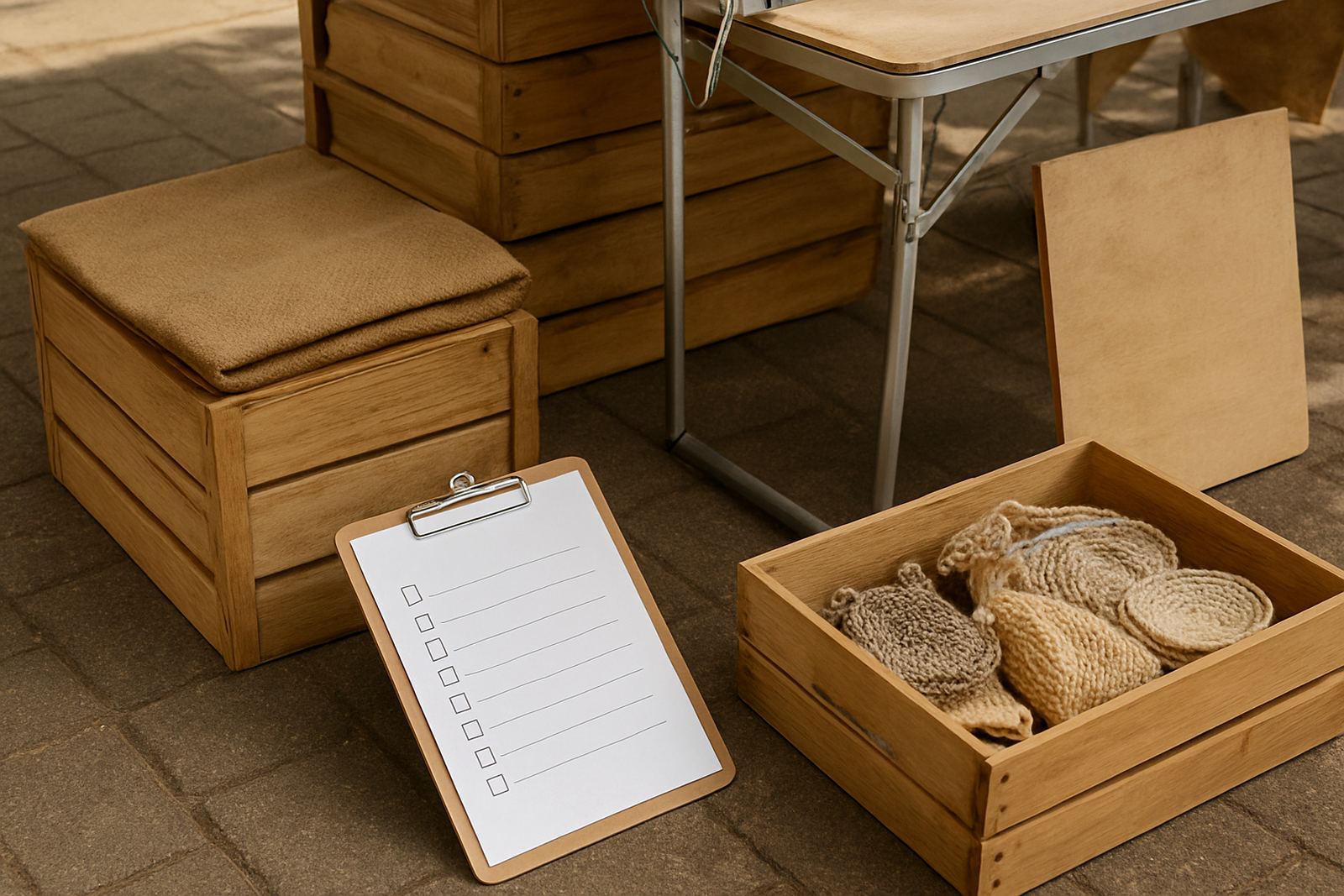
- Tablecloths or throws in clean, neutral colours
- Table risers, crates or stands for height
- Scissors, tape, string, cable ties and a marker pen
- Cash box, card payment device if you use one, and change
- Hand sanitiser, wipes, paper towel and rubbish bags
- Extension leads and fully charged power banks
Charge all devices the night before and carry a power bank for your phone and payment tools. If you rely on plugs for lighting or a fridge, test everything at home first. One loose cable or flat battery can turn a busy morning into a scramble.
4. Set your display so customers can buy without asking twice
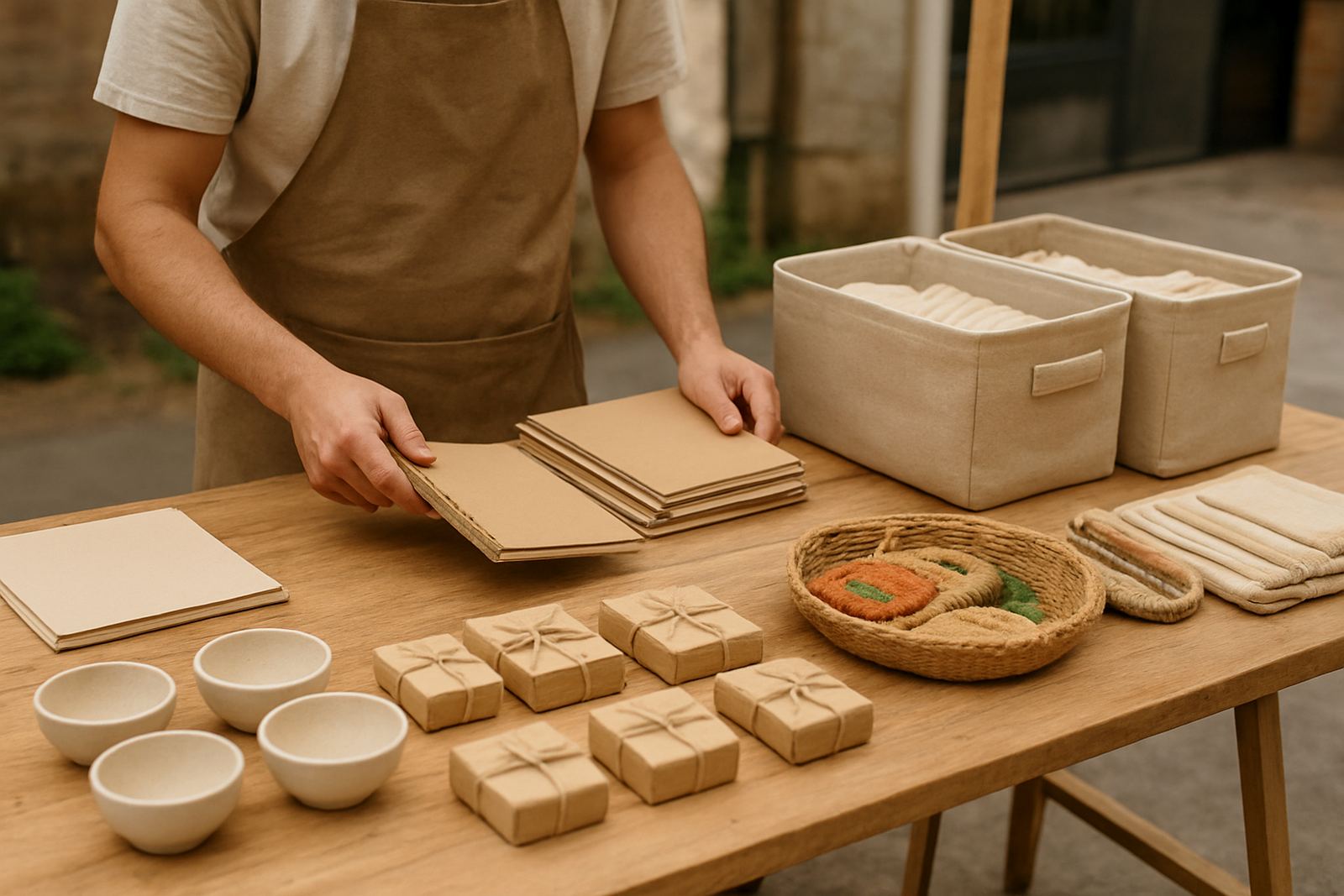
A simple display often sells better than an overcrowded one. Customers should be able to see what you make, understand the price and pick up what they want without moving half the table. Group products clearly, keep popular items at eye level and leave enough space for people to browse without knocking things over.
Use height where you can. Crates, shelves or boxes under cloth can lift stock off the table and make small products easier to see. For food stalls, keep samples clean and covered when not in use. For makers with many colours or sizes, a short handwritten sign can do more work than a long explanation.
- One clear focal point for best sellers
- Visible prices on each product or group
- Neat packaging within reach of the customer
- Space for payments and bagging stock
- A small mirror, if you sell wearable items
Good display also helps when the market gets busy. Customers move faster, you answer fewer repeated questions and your stall looks ready from the first minute.
5. Prepare for the money, admin and trading rules
Even a small stall needs proper admin. Keep your records tidy, know your pricing and bring the documents requested by the organisers. If you trade often, a simple sales sheet helps you track what sold, what did not and what to bring next time. That matters when you are planning your next weekend market in Pretoria or a pop-up further afield.
- Proof of booking or trader confirmation
- Price list and stock sheet
- Float in small notes and coins
- Card payment setup if you accept electronic payments
- Any permits, food certificates or trader forms requested
- Notebook for customer orders and custom requests
If you sell food, confirm how the venue handles waste, handwashing and temperature control. Municipal rules and event rules can differ, so do not assume one setup will work everywhere. It is better to ask now than fix a problem on trading morning.
6. Plan your first trading day from arrival to pack-down
Your first market is easier when you know the sequence before you arrive. Set-up should start with unloading, then table placement, stock layout, price signs and a final check of payment tools. Leave enough time for a quick tidy before doors open. If you are trading with a helper, assign roles early so one person is not trying to do everything.
Use this simple final check before you open:
- Stock counted and displayed
- Prices visible and correct
- Payment tools charged and tested
- Water, snacks and a warm layer packed for long days
- Trash removed from the stall area
- Phone charged for customer enquiries and photos
At the end of the day, pack stock by category, count cash, and note what sold quickest. That record helps you improve your next market, adjust pricing and avoid overpacking items that move slowly. By the time you reach your second or third event, you will know exactly what belongs in the vehicle and what can stay at home.