Start with the products that move fastest in December
Stock planning is not only about quantity, it is about timing. Many makers run out too early because they underestimate how fast festive shoppers buy during a 4 hour market window. Others overproduce slow movers and sit with stock well into January. A better approach is to split your stock into core items, limited seasonal items and quick top-up pieces that can be made again if demand rises.
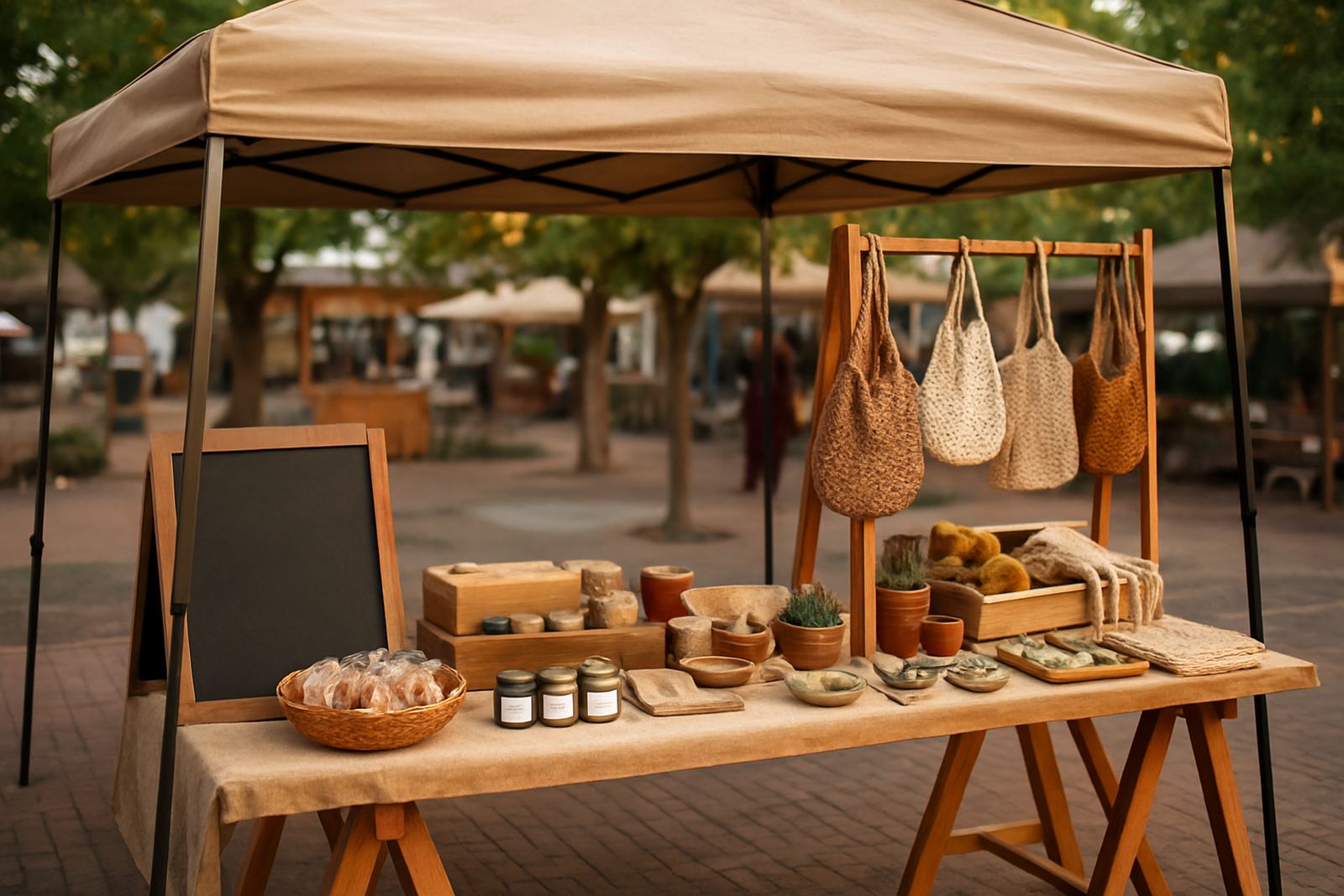
For Pretoria conditions, think about heat, dust and transport. If you are trading outdoors in summer, packaging should protect items from sun and handling. Bakers and food stall owners should plan for shorter shelf-life products and keep cold storage in mind. Makers selling candles, chocolates or skincare also need to watch the heat, because a table in full sun can spoil an entire batch by lunchtime.
- Set a minimum stock level for your top 5 products
- Keep raw materials sorted into batches so you can restock faster
- Test how long each item lasts in warm weather before the market
- Use boxes, crates or tubs that fit neatly in your car boot or trailer
Price for festive buying, not just for your usual customer
Festive trading is busy enough without a communication breakdown at the till. Customers often ask the same questions about ingredients, sizing, storage, delivery and custom orders. If you prepare answers in advance, you save time and come across as organised. This is especially useful when a parent is browsing with children or a last-minute shopper wants advice in a hurry.
Good communication also helps when you are dealing with repeat buyers and maker nights. You do not need a long sales pitch. You need a calm, helpful way of explaining why your product costs what it does, how long it lasts and whether it can be collected later. For food sellers, be ready to answer simple safety questions. For craft makers, be ready to explain care instructions and turnaround times.
- Prepare short answers for your top 10 customer questions
- Keep care cards or product notes in a folder behind the stall
- Use one person to handle sales if the stall gets busy
- Agree on how you will take deposits for custom festive orders
Build in backup plans for weather
The makers who do well in the holiday rush treat December as a working system, not a guessing game. They know what they are making, how much they are bringing, how they are pricing it and how they will pack up when the crowd thins out. That level of preparation leaves more room for good sales and less room for panic.
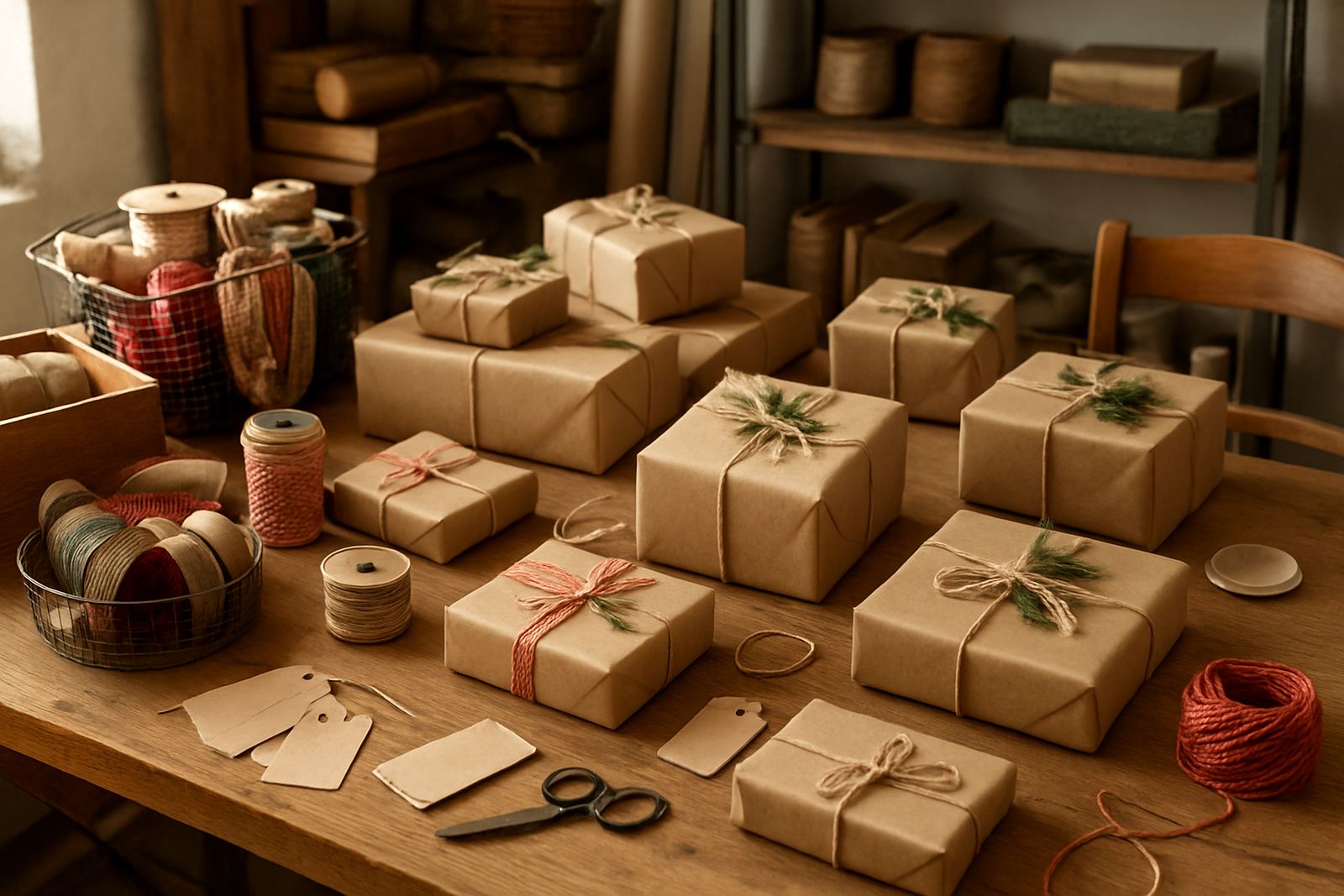
At a Hatfield weekend market, a maker selling small-batch jams, printed gift cards and ceramic teaspoons might decide to pre-wrap half the stock, keep the rest ready for custom bundles, and bring extra bags for last-minute buyers. That kind of preparation is simple, but it is often the difference between an average day and a strong festive weekend. The same thinking works for Centurion, Lynnwood, Brooklyn, Menlyn and maker nights in other cities too. Once you understand your busiest patterns, you can plan for them again next year.