
Why the night before matters at a busy market
At weekend markets, the first hour can decide how the rest of the day feels. If the tablecloth is missing, the cash box is still on the kitchen counter, or the food tubs are not sealed properly, you begin the day behind and you stay behind. Packing the night before gives you a clear head and a car that is ready to move when you are.
For makers selling in Pretoria, the evening routine is also practical because early starts are common and traffic can build quickly around the N1, Lynnwood Road and the Hatfield area. If you are heading to a market in Brooklyn or Menlyn, a clean load plan means less lifting, fewer forgotten items and less time standing around while your neighbour has already opened.
The aim is not perfection. It is to make tomorrow easier by solving today’s small tasks while there is still time to fix them.
Set up one packing zone at home
Choose one place in the house or garage where all market items live together. Keep it dry, tidy and easy to reach. In Pretoria summer heat, product labels can curl and cardboard can weaken, while in coastal towns the bigger issue is humidity, so sealed tubs and zip bags help keep stock clean. If you pack in the same place every week, you will notice missing items faster.
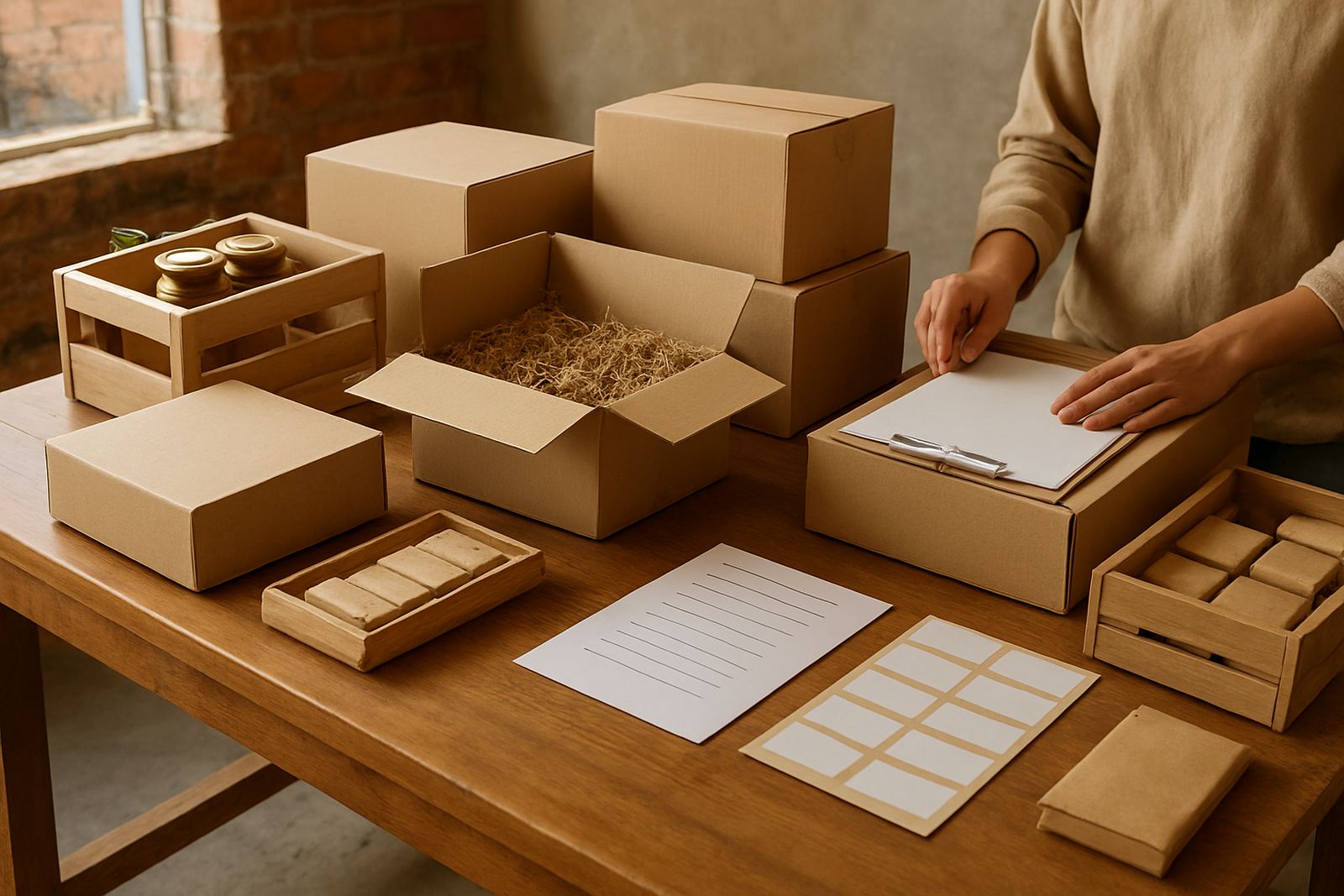
Use separate containers for display, stock, cash and cleaning. Keep fragile items like ceramics or glass in one box with padding, and keep food items away from detergents or cloths. Makers who sell baked goods or chilled items should also check cold packs, insulated bags and power for portable cooling if needed.
- One crate for display items and signage
- One crate for backup stock and top-up items
- One tub for money, float and card reader
- One bag for cloths, tape, scissors and pens
- One insulated box for food, ice packs or temperature-sensitive items
Count stock the way you actually sell it
Do not pack by guessing. Pack by numbers. If you sold 14 jars of chilli jam last Saturday and had only 3 left on the table by noon, then 20 may be too few for this week’s market and 30 may be enough if demand stays steady. A simple stock sheet stops panic buying and helps you see what moves quickly.
This is especially useful for makers who attend Hatfield Markets one weekend and a pop-up in Centurion the next. The crowd, weather and foot traffic will not be identical, so your stock list should tell you what is practical, not just what looks nice on a shelf. Keep a running note on your phone or a printed sheet in your packing box.
- Count finished products first
- Check seconds, samples and backup pieces separately
- Mark what must be replaced after the market
- Note expiry dates for food items and ingredients
- Pack a little more of your fastest seller than of slow stock
Protect products from heat, dust and bumps
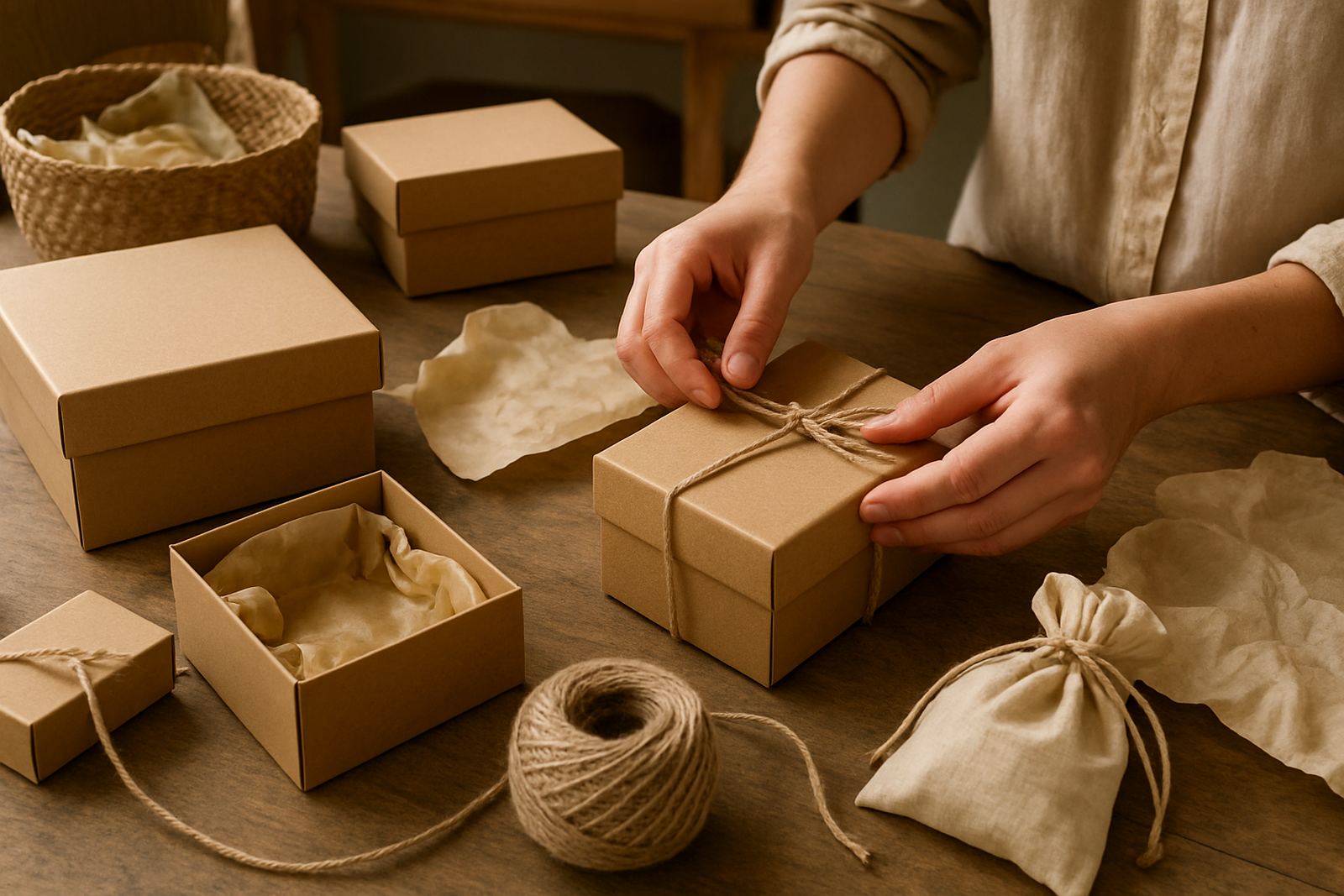
South African market days can be hot, windy and dusty all in one morning. That means your packing choices need to protect the goods, not only move them. Bottles should stand upright with enough padding. Cards and printed labels should be kept in sleeves. Handmade soap, candles and baked items should be boxed so they do not rub against one another in the boot.
If you are selling food, check municipal and market rules before packing. Some venues need covered food displays, hand sanitiser, serving tongs or a separate hand-washing setup. A clean cooler box and sealed containers matter more than fancy packaging. It is better to arrive with plain but tidy stock than with pretty packaging that has crushed in transit.
For craft sellers, bubble wrap and recycled paper can work well, but keep the final display neat. For jewellery or small items, use trays or small boxes so you do not waste the first hour untangling chains or looking for missing pieces.
Make a checklist you can trust every week
A good checklist is short enough to use and detailed enough to prevent mistakes. The best ones are written from real market problems. If you once forgot the price board, add it. If your pens ran out during a busy Sunday, add spare pens. If the EFT machine battery died just after 10 am, add a charged power bank and cable.
Here is a simple order that helps many stallholders pack faster:
- Stock counted and boxed
- Table, chair and tablecloth loaded
- Signage, price tags and category boards packed
- Cash float counted and change sorted
- Card reader charged and tested
- Scissors, tape, pens and wipes packed
- Water, snacks and sunscreen included
- Weather cover, tent weights and pegs loaded if needed
If you sell at outdoor markets in Hatfield, Brooklyn or Lynnwood, also check whether rain protection and tent weights are in the car. Wind changes fast in open spaces and a loose gazebo can turn a morning into a recovery mission.
The calmer morning starts with a cleaner load-out
Packing the night before is not only about the market morning. It also makes the return home easier. If your crates are labelled and your stock is counted before you leave, unpacking after a long day is much quicker. You can see what sold, what came back and what needs attention before the next event.
Many small businesses grow because they treat market prep like a habit, not a scramble. That habit also makes it easier to plan for seasonal selling, maker nights and workshop stock. A maker who knows exactly how many items fit in one crate, how long prep takes and what sells best in a 5 metre stall can take on more events with less stress.
At Local Makers Market, we see the same pattern across Pretoria and nationwide: the traders who arrive prepared usually have smoother sales. They greet customers better, restock faster and spend less time fixing avoidable problems. A solid packing night is not glamorous, but it is one of the simplest ways to protect your energy and your takings.
A Hatfield example that keeps the Saturday simple
Picture a maker getting ready for a Saturday in Hatfield. The stall has handmade body products, small gift boxes and a few items that need shade. On Friday night, the stock is counted, the display boxes are wiped clean, the float is sorted into small notes and coins, and the gazebo bag is placed by the door. The car is loaded in the order it will be needed first.
By 6 am, there is no rushing back for tape or trying to remember where the price tags went. The stallholder arrives with time to set up, has a quick coffee and starts trading without that heavy feeling that comes from a messy start. That is what a proper night-before routine gives you: not just saved minutes, but a better morning.
If you want your own checklist to work harder, keep it simple, repeat it every week and update it after every market. Over time, packing becomes less of a chore and more of a useful part of the business.