
Why gift buyers behave differently at weekend markets
People shopping for gifts do not browse in the same way as someone buying for themselves. They are comparing price, quality, packaging, and whether the item will feel special when it is handed over. In Pretoria and other busy weekend spots, many gift buyers arrive after sports, church, or a morning errand, so they want quick choices that still feel considered.
That means your table needs to answer a few questions at a glance, who is it for, what is it made from, how much is it, and can I give it straight away. If a buyer has to ask too much just to understand the product, you may lose the sale before the conversation even starts. For seasonal shopping, the stall that is easy to read often sells faster than the stall with the most stock.
What seasonal gift shoppers usually look for
Seasonal buyers are often driven by occasions, school holidays, year end gifting, birthdays, thank you gifts, and small corporate presents. They like items that look local, feel useful, and fit into a sensible budget. At a Hatfield weekend market, for example, a shopper may stop for a handmade candle, a small batch preserve, or a printed kitchen towel because it solves the gifting problem without feeling generic.
Shoppers also want something that is easy to carry, especially if they are walking between stalls or using rideshare transport. That is why lightweight items, wrapped sets, and compact bundles work well. The more you can help them picture who the gift is for, the faster they decide.
- Small items under a clear price point move well, especially when displayed as ready gifts.
- Bundles make it easier to increase basket value without pressuring the customer.
- Products that suit different ages and tastes reduce hesitation at the table.
- Items that travel well are stronger sellers at busy pop-ups and maker nights.
How to price for gift buying without sounding defensive
Gift buyers usually accept fair pricing if they understand what they are paying for. They want to know why a product costs what it does, whether that is hand finishing, small batch ingredients, packaging, or the time it took to make. You do not need to over explain, but you do need to be ready with a simple, calm answer.
Good pricing for gift sales also means having options at different levels. If every item sits at the same price point, you make it harder for a couple, family, or office buyer to buy more than one thing. A practical spread helps, such as low entry items, mid range gifts, and a few higher value pieces for customers who want to spend more.
- Show prices clearly so buyers do not have to ask first.
- Keep one or two add on items near the till point.
- Group products by price, not only by colour or type.
- Use clean signage with round figures, for example R50, R120, R250.
Packaging that helps a gift sell itself
Packaging matters more for gift buyers than for many other shoppers because the item must often look ready to hand over the same day. A neat tag, tissue wrap, gift bag, or simple ribbon can change how a customer values the product. In summer, choose packaging that holds up in heat and humidity. In coastal areas, flimsy paper and weak adhesive can fail quickly, so a sturdier option is worth the extra cent or two.
For food gifts, label the contents, ingredients, date made, and any storage notes clearly. This is not just good practice, it helps customers buy with confidence. If you are trading at maker nights or indoor pop-ups, keep packaging easy to stack and transport, because buyers often carry more than one present home.
How to talk to customers who are buying for someone else
When someone is buying a gift, your job is to help them narrow the choice, not flood them with every detail you know. Start with a question that moves things along, who is it for, what is your budget, and do you want something practical or decorative. That gives you a way to guide the conversation without turning it into a hard sell.
A good gifting conversation feels quick and useful. If the customer says the gift is for a teacher, neighbour, or host, you can point them to items that suit that setting. If they are buying for a client or a team, offer something neat and neutral with clean presentation. For many makers, this is where workshop practice helps, especially customer conversation and first market prep.
- Ask one short question, then show two or three relevant options.
- Use plain language about materials, use, and care.
- Have a ready answer for last minute buyers who need something today.
- Offer to package the item while they choose a card or add on.
A Pretoria example from Hatfield weekend trading
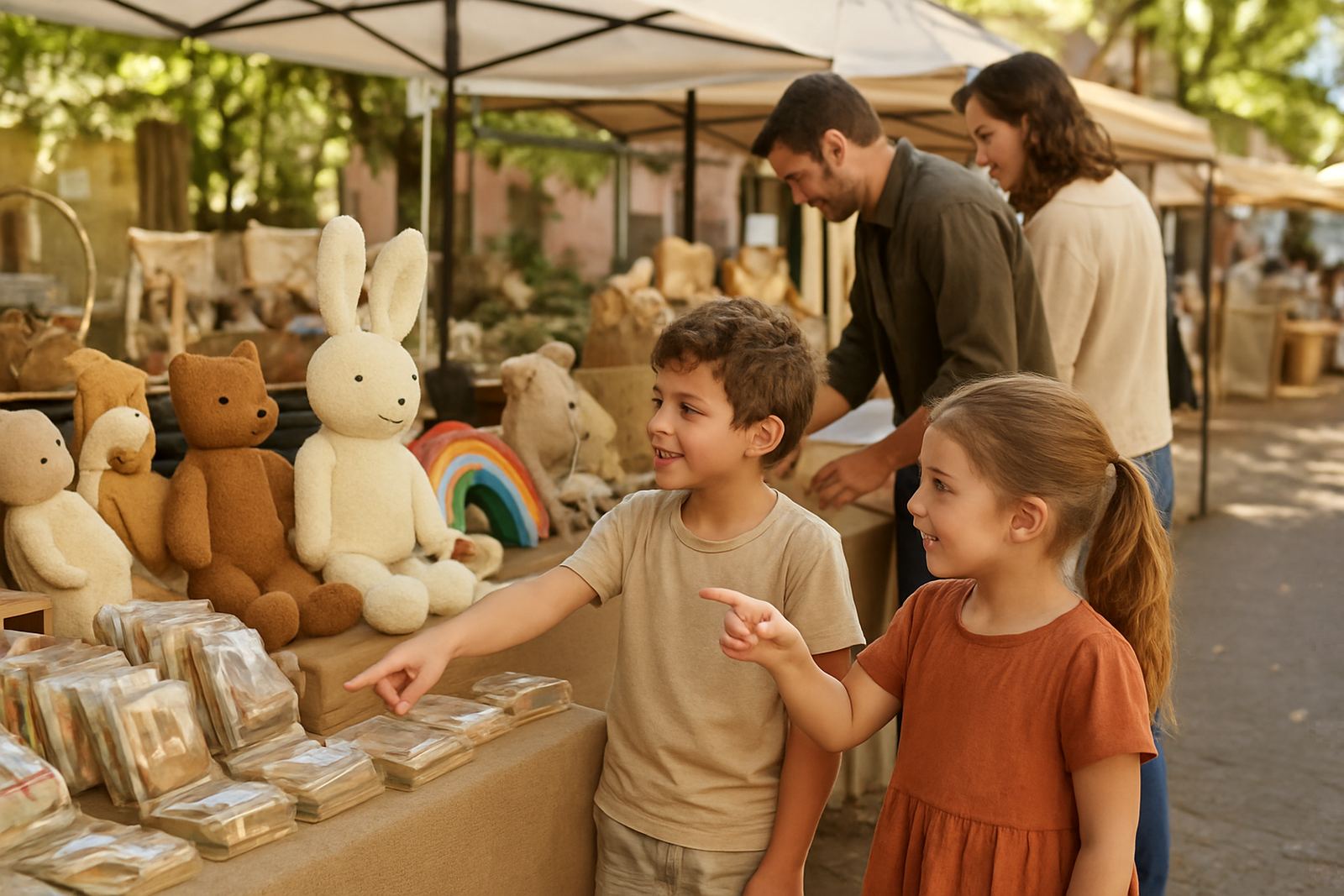
At a Hatfield weekend market, gift buyers often arrive in mixed groups, students looking for affordable surprises, young professionals shopping for housewarming gifts, and parents looking for something special for a birthday table. The market works well because it feels local and varied, so a customer can compare handmade soaps, baked goods, printed stationery, and small home items in one visit.
If your stall is set up for gift buyers, you should notice how quickly people decide when the display is simple and the product range is clear. A maker selling small bath products might keep three price points on the front table, while a food maker may create ready to go hampers for seasonal weekends. That kind of planning can make a real difference when foot traffic is high and people want to finish their shopping in one stop.
In Pretoria, and across markets in Brooklyn, Lynnwood, Menlyn, and Centurion, the sellers who do well with gift buyers are usually the ones who think about convenience, presentation, and timing together. They know that a thoughtful present is not only about the item itself, it is about how easy you make it to choose and carry home.