Food And Craft Stalls Turn Browsers Into Lingering Families
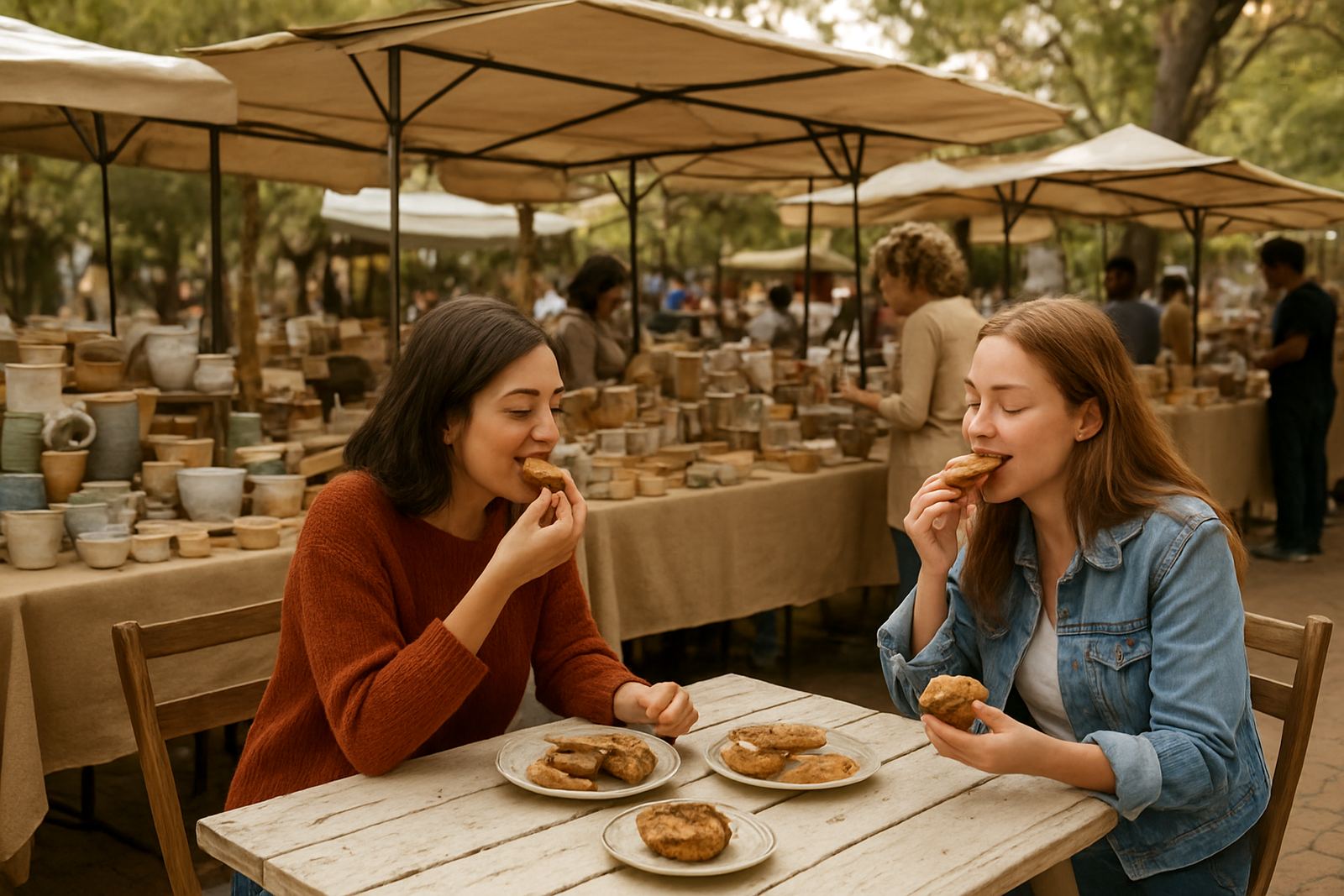
At a family market, the best traffic pattern is not complicated. People arrive hungry, children want to look around, and parents need time to decide what to buy. When a savoury bite or a sweet treat is close to a handmade candle, a printed tea towel or a small ceramic bowl, visitors naturally slow down and spend more time at the event.
That extra time matters. A market that keeps people comfortable for 90 minutes instead of 30 gives makers more chances to talk, demonstrate and sell. It also gives families a better outing because nobody feels pushed through the space. In Pretoria, where Saturday mornings can be busy and the sun gets warm fast, a food stop gives people a reason to sit down and regroup.
The mix also helps with different budgets. A family may not buy a larger item right away, but a snack, a small gift and a handmade product often fit together in one visit. That is good for stallholders and it makes the day feel less like a quick shop and more like a proper outing.
The best food and craft pairings for a market crowd
Food stalls and handmade stalls work best when they complement each other rather than compete. The most successful pairings are usually easy to carry, easy to enjoy and simple to explain. A visitor who has just bought fresh biltong, brownies or artisan bread is already in a buying mood, and that mood carries across to small batch gifts and crafted homeware.
- Hot drinks near scented candles or soap stalls keep people browsing longer.
- Baked goods near kitchenware or linen stalls create natural buying links.
- Children's snacks near toy makers or simple craft tables help parents stay relaxed.
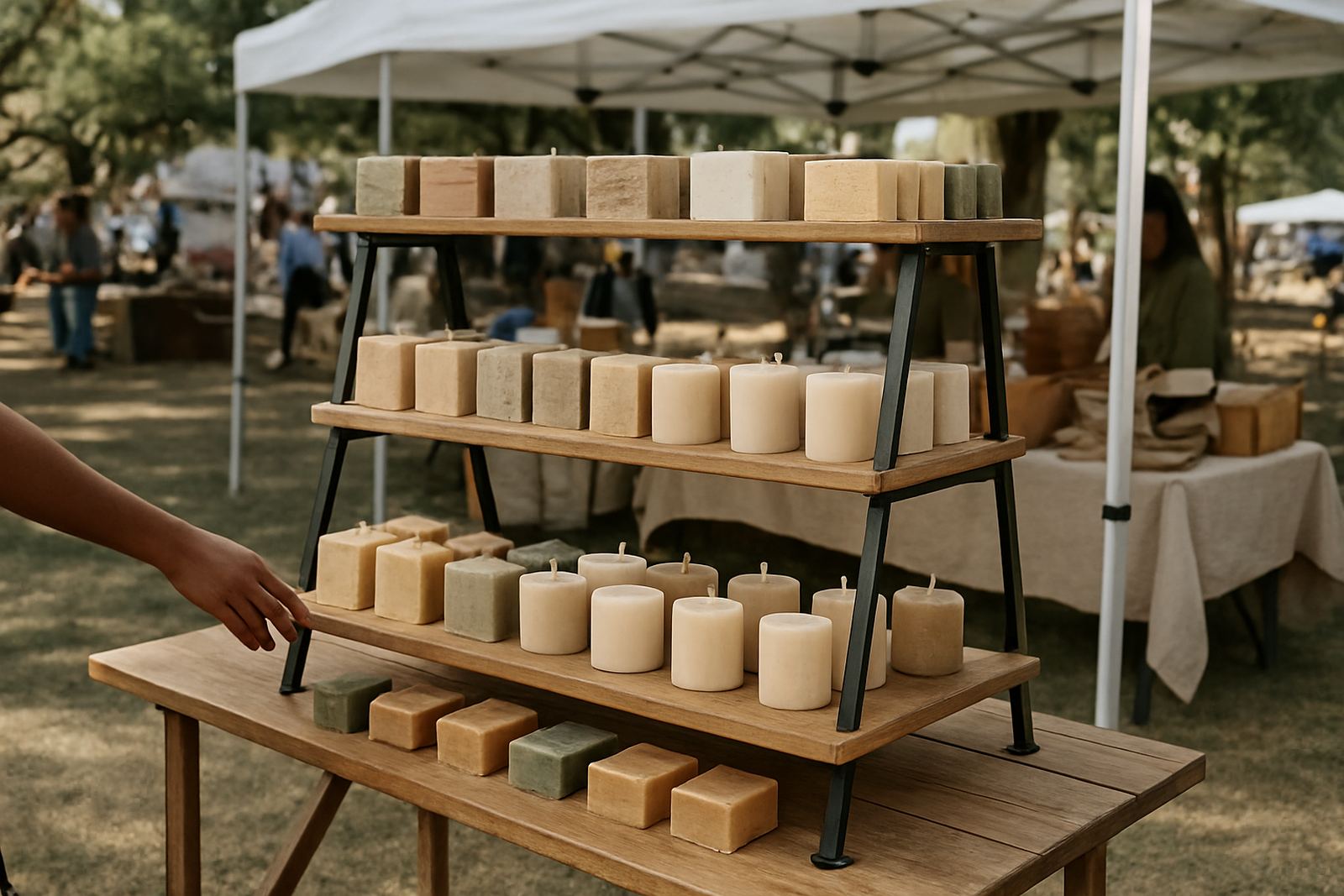
- Jam, preserves and spice blends sit well beside hand made serving boards and baskets.
- Ready to eat meals near packaging and take-home products work well for family groups heading to sport or church after the market.
For makers, the goal is not to shout louder than the stall next door. It is to make the next purchase feel obvious. If someone bought a gift tin of rusks, they may also want a mug, a cloth napkin or a small tray. That is where thoughtful layout and clear pricing can lift sales without adding pressure.
What a good family market layout looks like in Pretoria
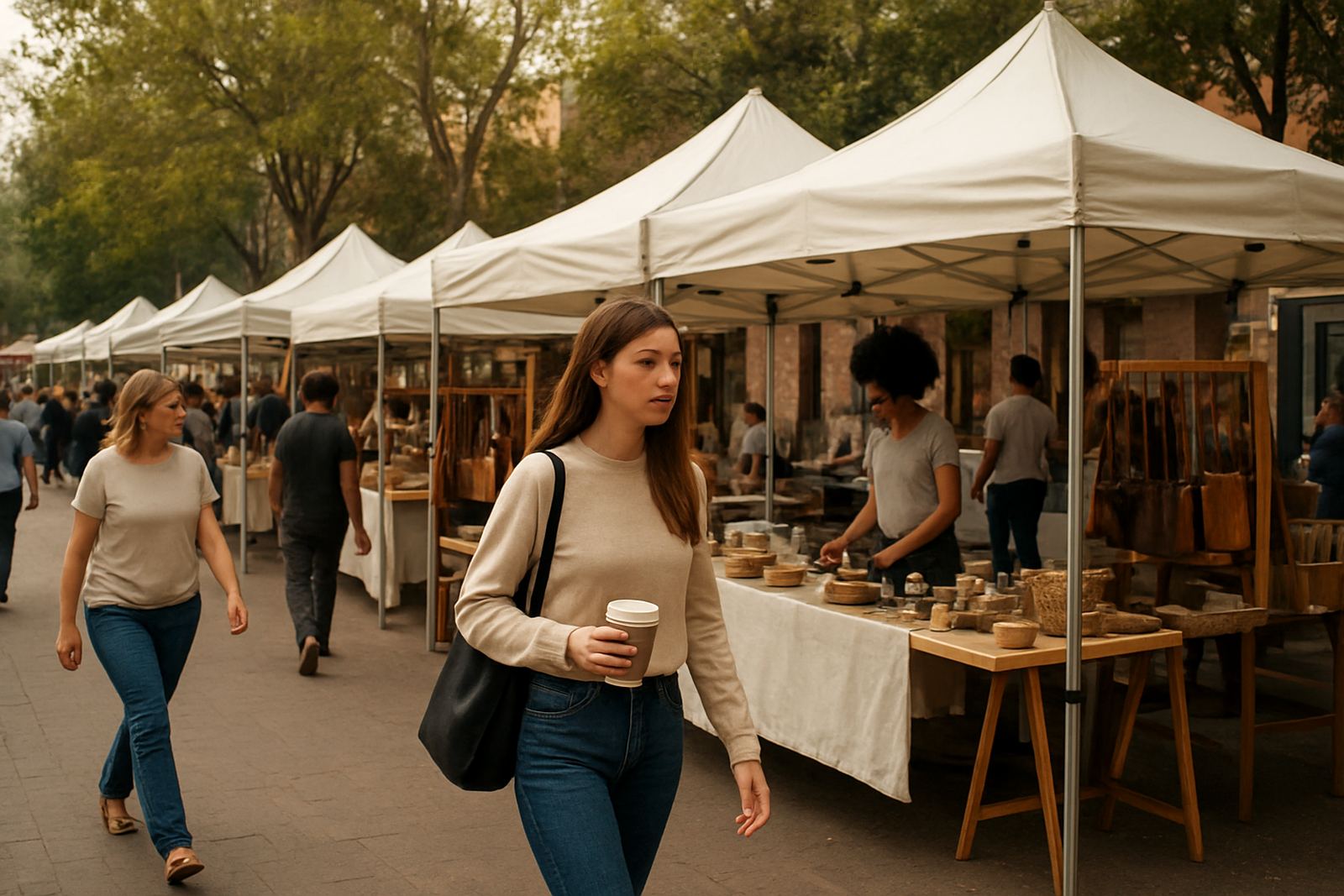
In Hatfield and nearby Pretoria suburbs, space planning matters because many visitors come with prams, grandparents or a full family group. Wide walkways, shaded seating and clear stall spacing make it easier for people to move between food and craft areas. If the layout is cramped, families leave sooner and the chance to buy drops quickly.
A practical setup separates strong smells, heavy foot traffic and noisy activity. Coffee, braai-style snacks and fresh baking should have room to queue without blocking makers who need calmer browsing space. It also helps to place the food seating where parents can keep an eye on children while they shop. That simple choice can mean a longer stay and better sales across the market.
Food stalls need safe serving options, while craft stalls need enough light to show colour and detail clearly. At an outdoor market, a well placed generator or battery setup can save the day, but only if cables are secured and walkways stay clear.
- Keep queues off the main browsing path.
- Use shade where food is served and where shoppers wait.
- Leave enough room for prams and small trolleys.
- Place bins and hand-wash points where families can find them quickly.
- Check municipal requirements for water, waste and food handling before market day.
What makers should prepare before a food friendly market day
Makers who sell alongside food stalls need to think about more than stock. Presentation, packaging and pricing all matter when visitors are carrying a drink or a snack in one hand and a child in the other. Simple displays work well because they are easy to read at a glance and do not need constant fixing.
Packaging should protect products from crumbs, heat and dust. In Gauteng, dry winter air can be helpful, but summer humidity and a bit of afternoon wind can still affect labels, paper bags and food-safe wrapping. If your goods are delicate, keep backup stock in sealed tubs and bring extra labels, tape and change. A small mistake at the table can slow down sales for the rest of the morning.
- Price items clearly in Rand and keep the numbers large enough to read from a distance.
- Use a tablecloth or riser to separate stock from snacks and drinks.
- Keep card and cash payment options ready in case signal is poor.
- Have wet wipes, sanitiser and spare serviettes on hand.
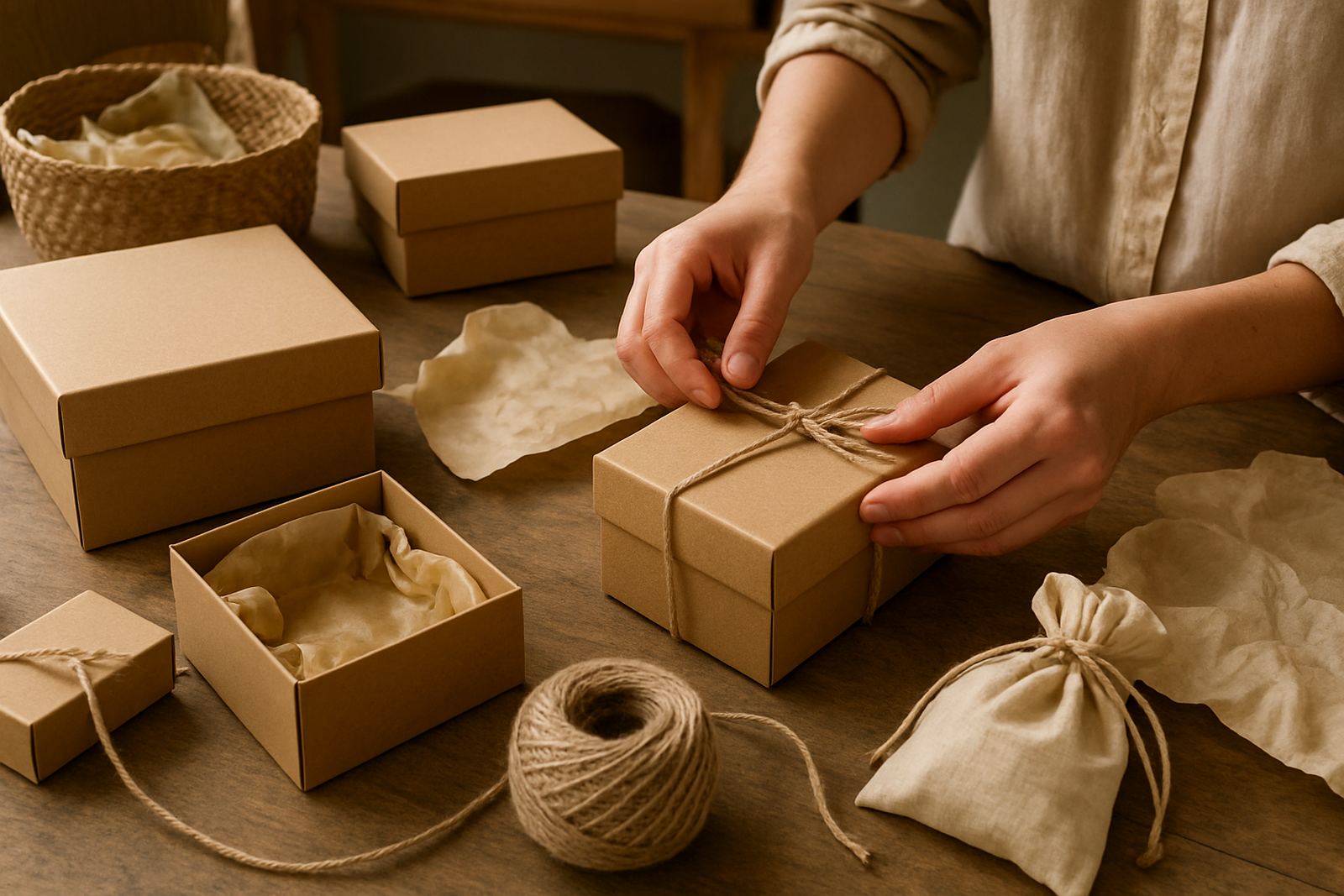
- Bring extra packaging for buyers who want gifts wrapped or items kept separate.
For first time sellers, the safest approach is to keep the stall tidy and simple. A busy family market is not the place for clutter. It is the place for clear choices and quick service.
Why conversations sell better when people are already relaxed
Food changes the pace of a market. Once people have eaten or had a drink, they are less hurried and more open to conversation. That gives makers a real advantage because handmade products often need a short story. A buyer wants to know who made the item, what it is made from and how it should be used or cared for.
This is where customer conversation skills matter. A friendly greeting, one useful detail and a simple question can do more than a long sales pitch. If someone is enjoying a snack with family and has time to browse, they are more likely to ask about size, custom colours or gift packing. That is the moment to keep it practical and helpful, not pushy.
It also helps to have a few talking points ready for repeat questions. How long will the product last? Is it suitable for children? Can it go in the dishwasher or should it be hand washed? In a market setting, clear answers build trust fast, and trust turns into sales.
A Pretoria example that shows the idea in action
Picture a Saturday morning at a Hatfield market. One side of the venue has coffee, muffins and savoury pies. A few steps away, a stall sells hand poured soaps and linen napkins, while another offers spice blends and jarred preserves. A family arrives early, buys breakfast and then walks the aisles at an easy pace. The children get a snack, the adults browse gifts, and nobody feels rushed. By the time they leave, they have spent money at three or four stalls instead of only one.
That is the real value of mixing food and handmade shopping. It creates time. It gives people a reason to stay, to talk and to buy across categories. For event organisers, it also makes the market feel fuller and more welcoming without needing a huge footprint. For stallholders, it means more chances to be seen by people who came for one thing and found another.
Local Makers Market has seen this pattern at weekend markets and maker nights across Pretoria and beyond. When the food is well planned and the handmade stalls are easy to browse, the whole event feels more inviting. That is good for families, good for small businesses and good for the atmosphere on the day.