Why city crowds buy with their eyes first
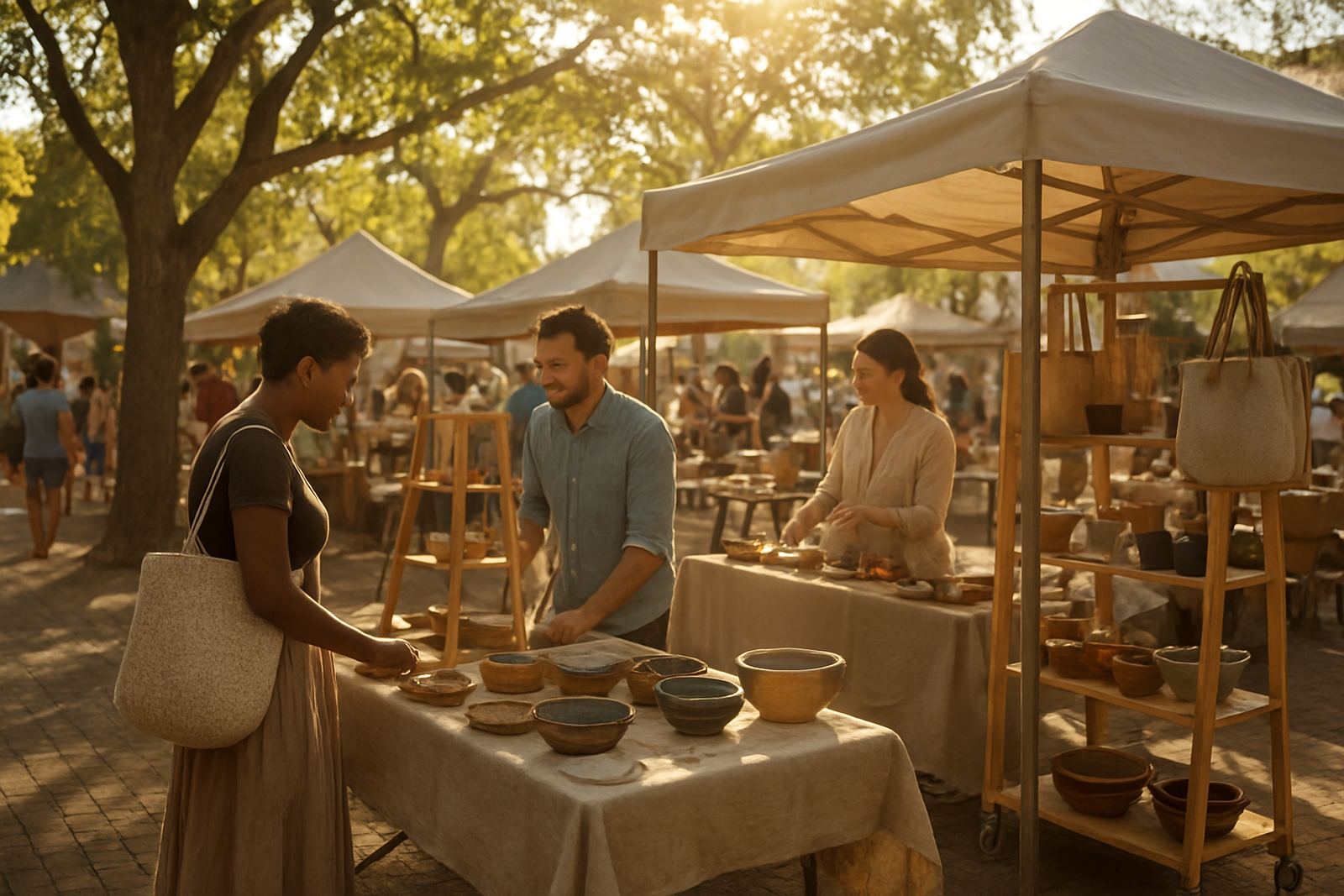
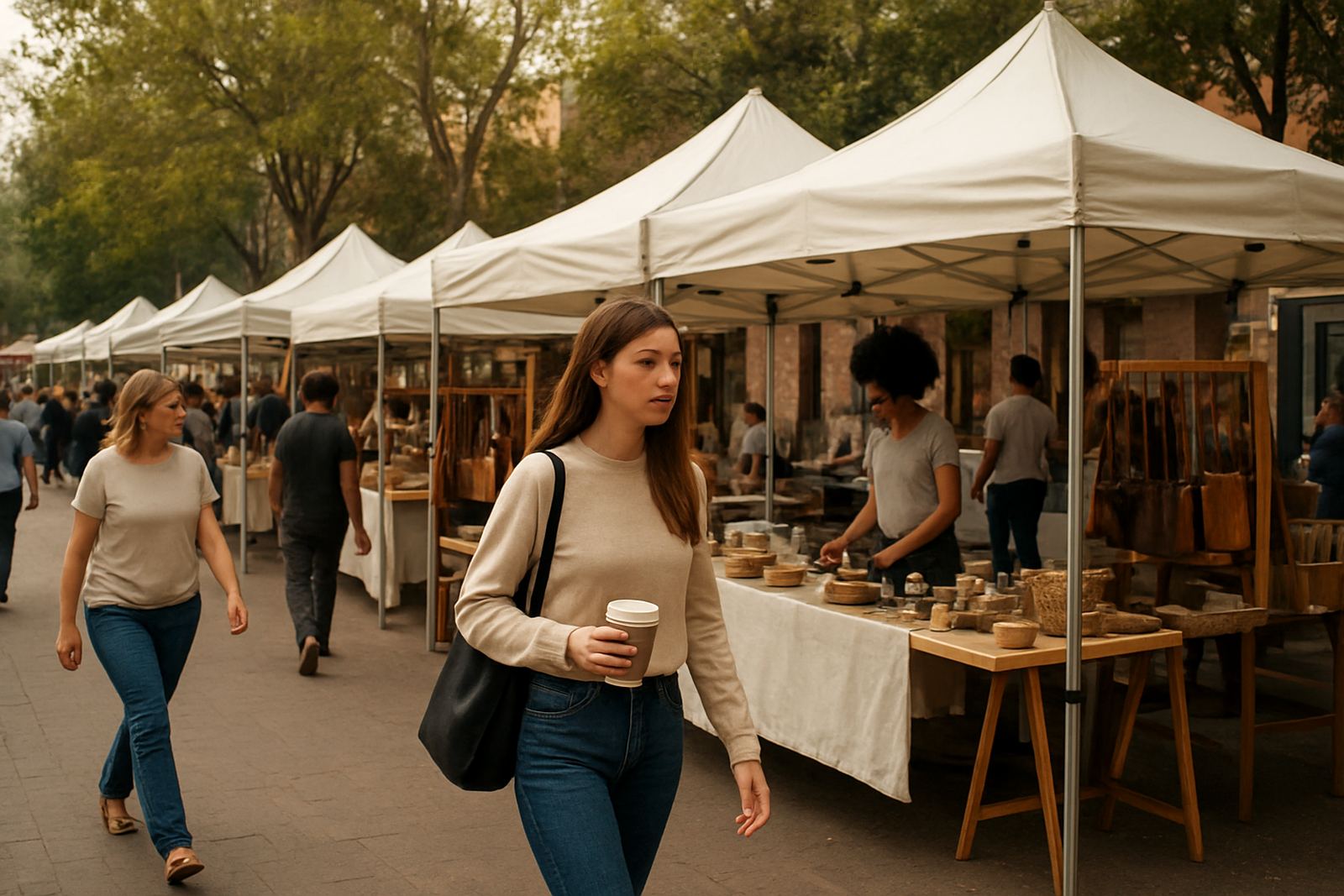
At a weekend market or maker night, you often have only a few seconds to catch someone walking past with coffee in one hand and a phone in the other. That means your stall has to do three jobs at once: stop the foot traffic, explain what you sell, and make the first purchase feel easy.
In Pretoria city areas and similar urban spots, shoppers are not looking for a long browse before they decide whether to step in. They want a quick read on price, style, quality and whether the product suits a gift, a home, or a treat for themselves. A neat, high-impact setup helps them make that choice fast.
- Keep the front table uncluttered so passers-by can see your best items immediately.
- Use height with crates, risers or shelving so the stall reads from a distance.
- Group products by use or price, not by every single variation.
- Show one clear hero item or bundle near the front.
Build a stall that works in tight spaces
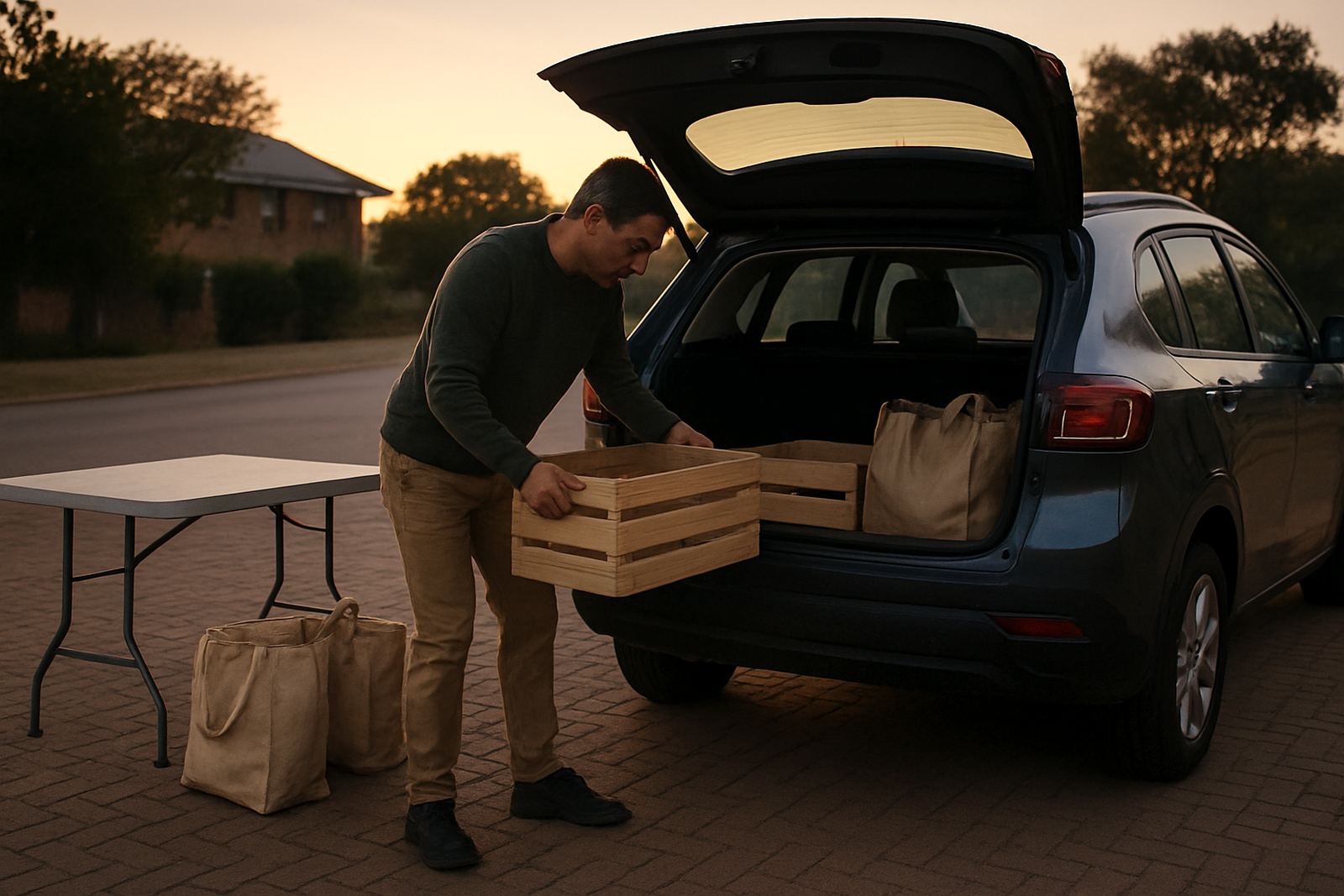
Many urban pop-ups give you limited metres, shared walkways and strict bump-in times. A good setup needs to be flexible, quick to assemble and easy to manage when the crowd thickens. If your space is compact, every surface has to earn its place.
Think of the stall as a small retail story. Start with the strongest products at eye level, then place supporting items lower down or to the side. If you sell food, crafts or small home goods, keep the browsing area clear so two people can stop without blocking the aisle.
- Measure your table, display stands and stock boxes before market day.
- Pack items in order of use so setup takes less time.
- Bring clips, reusable labels and weight bags for outdoor wind.
- Choose containers that stack neatly for loading in one vehicle trip.
In summer, Pretoria heat and afternoon storms can test any display. Shade, cover and fast pack-down matter. In winter, city evenings can turn cold quickly, so lighting and warm serving touches help keep the stall inviting without taking up extra floor space.
Price simply so people can decide quickly
In fast-moving markets, shoppers do not want to guess what an item costs. If the price is hidden or the sign is too small, many will keep walking. Clear pricing makes the buying decision easier and reduces the number of repeated questions when the stall gets busy.
Use readable labels, and keep your price structure simple. A city crowd often responds well to clear entry points, such as small items, gift sets or tasting portions. That gives someone a way to buy now, even if they are not ready for a larger purchase.
- Show the price next to each item or group of items.
- Use round figures where possible, for example R50, R100 or R150.
- Make bundle savings easy to understand at a glance.
- Have cash and card options ready so checkout does not slow the queue.
For makers who sell in Hatfield, Lynnwood or Menlyn, this matters even more at lunch-time pop-ups and after-work maker nights. People may be deciding while standing, speaking on the move, or buying on their way to another stop.
Use product stories without slowing the sale
Urban shoppers do enjoy a good story, but only if it is short and useful. They want to know where an item comes from, what makes it different and how it should be used. One or two lines are enough when the display is already doing the visual work.
If you make candles, jewellery, bakes, small-batch preserves or homeware, keep the story close to the product. A card, tag or short sign can explain the maker process, the materials used, or why the item suits gifting. That builds trust without asking for a long conversation upfront.
- Write short product notes in plain language.
- Use local references when they help, such as handmade in Pretoria or produced in small batches.
- Show how to use, gift or store the item.
- Keep your best story beside the best-seller, not tucked away at the back.
A customer who is in a hurry may not stop for more than a minute. If they can read, understand and touch the item quickly, the sale becomes easier.
Treat the stall like a tiny shop front
Urban pop-ups work best when the stall feels organised and steady, not rushed or overfilled. People often decide based on whether the space feels easy to step into. A tidy front edge, one clear payment point and a sensible stock reserve behind the display all help.
For food stalls, that also means clean serving tools, covered stock and a layout that keeps handling to a minimum. For craft stalls, it means dust-free products, strong packaging and a setup that holds its shape when the crowd brushes past.
- Keep a small spare stock box under the table for restocking.
- Place payment gear where staff can reach it without crossing the display.
- Use packaging that protects items in a hot car or on a bumpy ride home.
- Have wet wipes, hand sanitiser and a cloth for quick clean-ups.
Evening markets need portable lighting and a plan for low-power trading sorted out before the event. If your display still looks good when the power is out, you stay open while others struggle.
A Hatfield example that shows the point
At a Hatfield weekend market, a maker selling small-batch snacks, printed cards and hand-finished gifts had limited space and a steady stream of students, office workers and families. The stall that performed best was not the one with the most stock. It was the one with the clearest layout: three product groups, clear prices, one tasting item and a short sign explaining the range.
People stopped because they could understand the stall in one glance. They stayed because the products were easy to reach and the questions were simple to answer. The maker also kept one bundle priced for quick gifting, which worked well for people heading to a lunch visit or an evening braai.
That same approach suits Brooklyn Markets, Centurion Markets and maker nights across the country. Compact, clear and well-priced tends to work better than trying to show everything at once.