Why Markets Still Matter for Small Makers
For many makers, the first real lesson in business comes from standing behind a stall and speaking to shoppers face to face. A market lets you see what people ask for, what they pick up first, and what they put back. That kind of feedback is hard to get from a social media comment or a quiet online order. It also helps when you are trying to work out whether your pricing, packaging and product mix make sense for local buyers.
Weekend markets and maker nights also create a place where small businesses can trade alongside one another instead of working in isolation. One trader may sell soaps, another baked goods, another hand-thrown ceramics. Over time, those traders begin to share advice on suppliers, transport, table set-up and what sells well in certain seasons. That practical exchange is often worth more than a long theory session.
The Customer Conversation Starts at the Stall
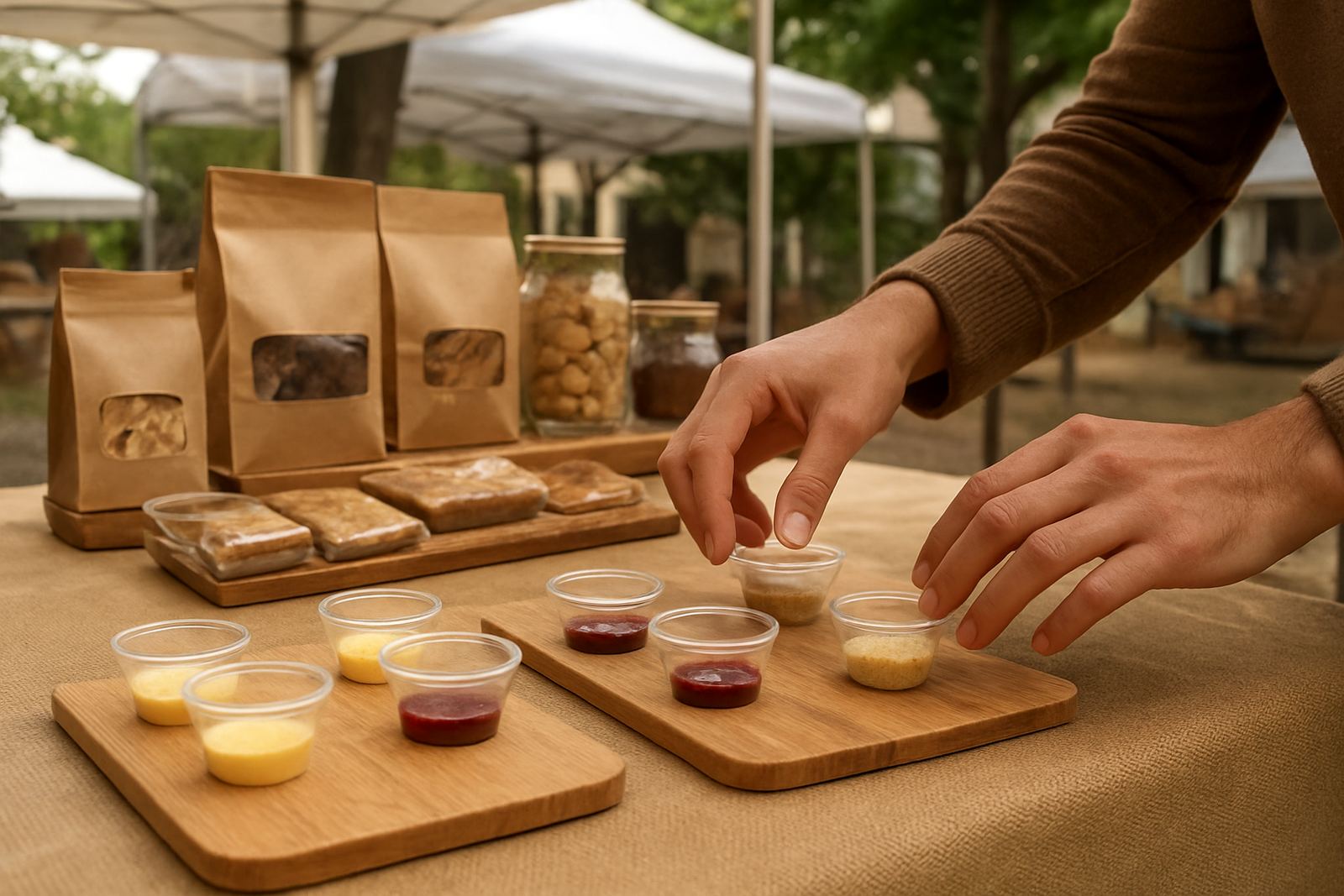
At a market, the customer journey is short and direct. A person stops, asks a question and decides within a few minutes whether they trust your product. That means your stall, your greeting and your pricing all need to work together. Clear labels, neat packaging and visible pricing help shoppers feel comfortable. If they must keep asking basic questions, you lose time and likely lose the sale.
Good conversation also builds repeat trade. When a customer remembers your name, product range or story, they are more likely to come back at the next Hatfield weekend market or look for you at a Centurion pop-up. Makers who learn to speak plainly about ingredients, materials, care instructions and lead times usually do better than those who rely only on pretty display.
- Keep your opening line simple and warm
- Know the price of every item without checking a phone
- Have a short explanation ready for best sellers
- Offer clear next steps for custom orders or repeat purchases
How Collaborations Grow Between Traders
One of the best parts of market trading is meeting other people who are solving similar problems. A food maker may learn from a craft trader how to improve packaging for humid coastal weekends. A candle maker may meet a photographer who can help with better product shots. A newer trader may get tips from someone who has already done early mornings and rain delays on event day.
These links often start with a simple chat while setting up, but they can lead to shared stalls, joint gift boxes, workshop swaps and referrals. In Pretoria, a maker who sells at Brooklyn in winter may trade contact details with someone from Menlyn and end up planning a joint seasonal offer later in the year. That is how local trade networks grow, one practical introduction at a time.
- Swap contact details with traders whose products complement yours
- Ask what has worked for them at the current venue
- Look for shared delivery or collection points where useful
- Discuss joint holiday promotions or themed event ranges
A Pretoria Hatfield Example That Shows the Pattern
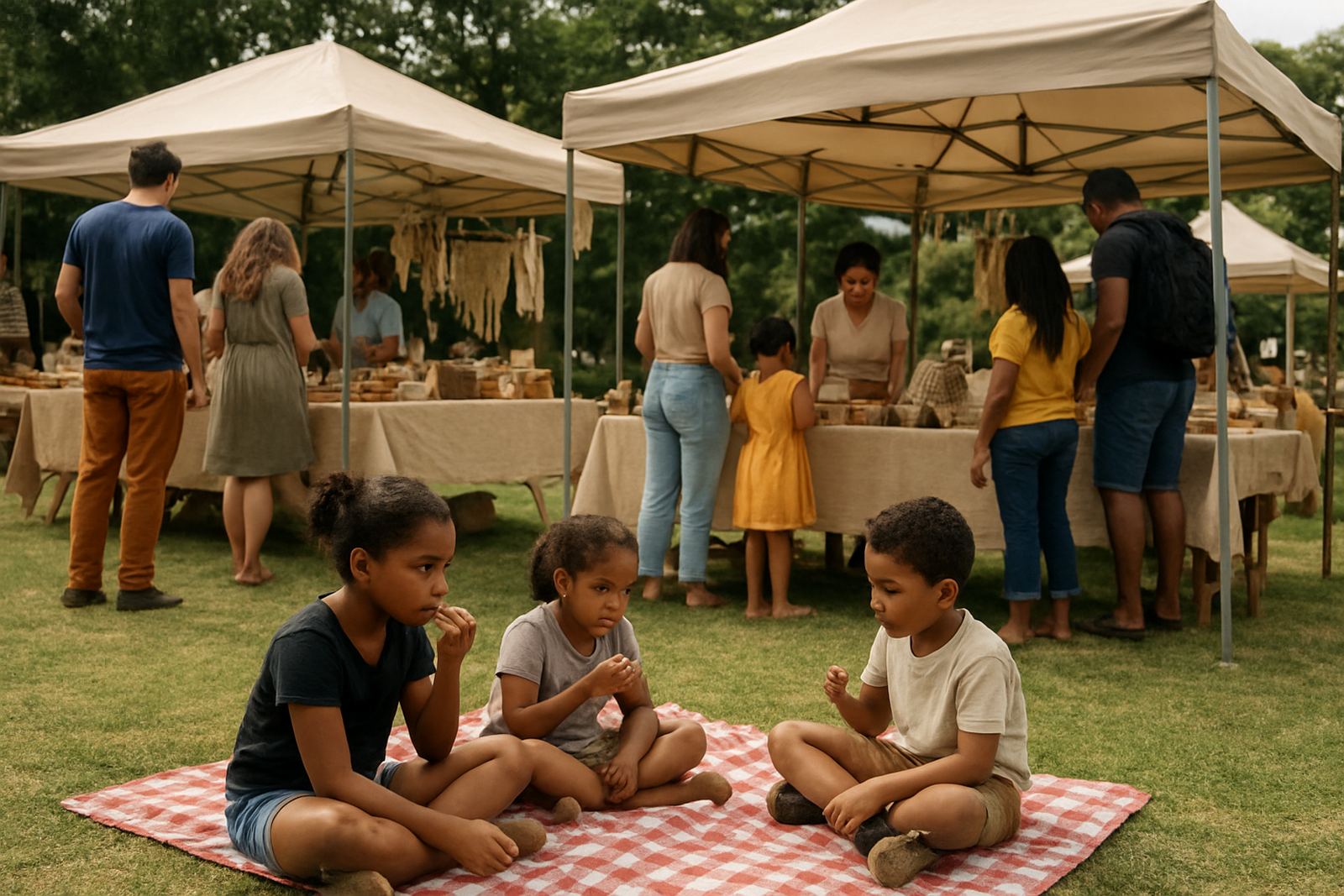
Take a Saturday in Hatfield. The market starts early, foot traffic builds slowly, then picks up as families, students and regular buyers move through. A maker who arrives prepared with clear signage, enough change and a tidy stall can spend the morning doing more than selling. They can watch which products attract attention, note which words customers respond to, and see which traders nearby are drawing steady traffic.
By the end of the day, that same maker may leave with sales, but also with a new contact for packaging supplies, a lead on a maker night, and a better idea of what to bring next time. That is the value of a well-run local market. It gives you a place to test the market before you commit to bigger stock runs or long production cycles.
Hatfield also suits makers who want regular exposure without travelling too far across Tshwane. If you are based in Pretoria, the route is easier, transport costs stay lower, and it is simpler to build a familiar following. For many small businesses, that repeat contact is what turns a one-off shopper into a steady customer.
Practical Prep Before You Trade
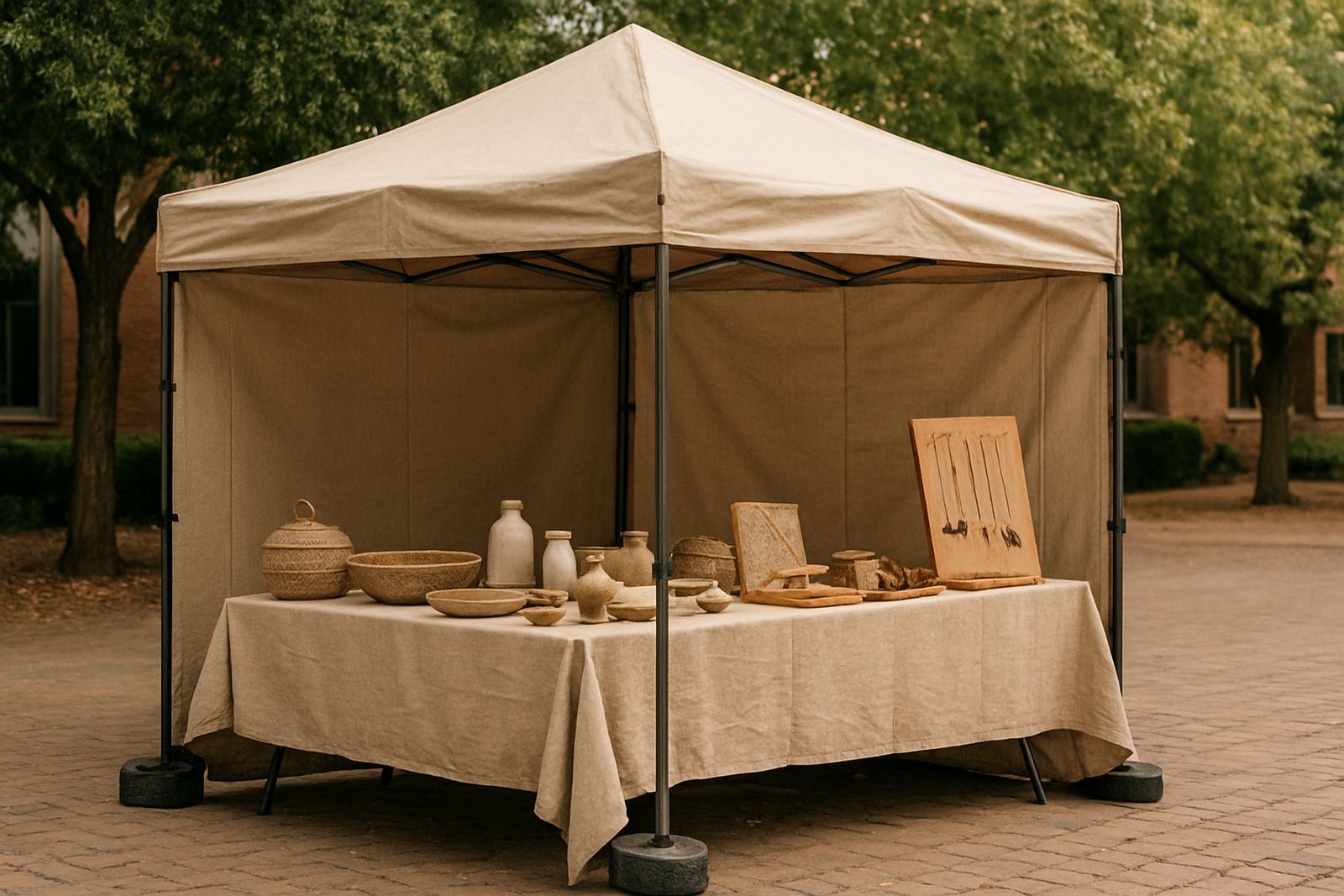
Good preparation matters because market days move fast. If your packaging tears in the sun, your labels are unclear or your stall is hard to restock, you will spend time fixing problems instead of serving customers. A little planning makes it easier to trade well, even when the weather turns, power is unreliable or the venue is busier than expected.
The strongest traders usually prepare for the basics first: display, pricing, stock counts and transport. If you are selling food, you also need to think about hygiene, storage temperatures and municipal rules for handling open products. If you are selling handmade goods, think about breakage, moisture and how items will look after a long day on the table.
- Pack extra change, tape, bags and labels
- Test your display setup at home before market day
- Bring backup lighting for late afternoon trading
- Check shelter needs for heat, rain and strong wind
- Keep a simple stock list so you know what sold
What Makers Learn From Repeating the Circuit
The real strength of local markets is repetition. One event gives you a result, but several weekends across Hatfield, Lynnwood, Brooklyn, Menlyn or Centurion show you patterns. You start to see which products move fastest in family-heavy venues, which price points work best and which display choices bring people in. Over time, that knowledge makes your business steadier.
Just as important, you become known. Buyers begin to expect you at certain events, fellow traders know your work, and event teams understand how you operate. That kind of trust is useful when you want to trial a new product line, join a seasonal market or take part in a maker night with a different crowd. Community links are not accidental. They are built through regular presence, reliable trading and decent conversations at the stall.
For makers in South Africa, that mix of customer contact, trader support and local visibility can shape the next stage of the business. It starts with one market, but the relationships that follow can carry much further.