Start With the Ground, Not the Gazebo
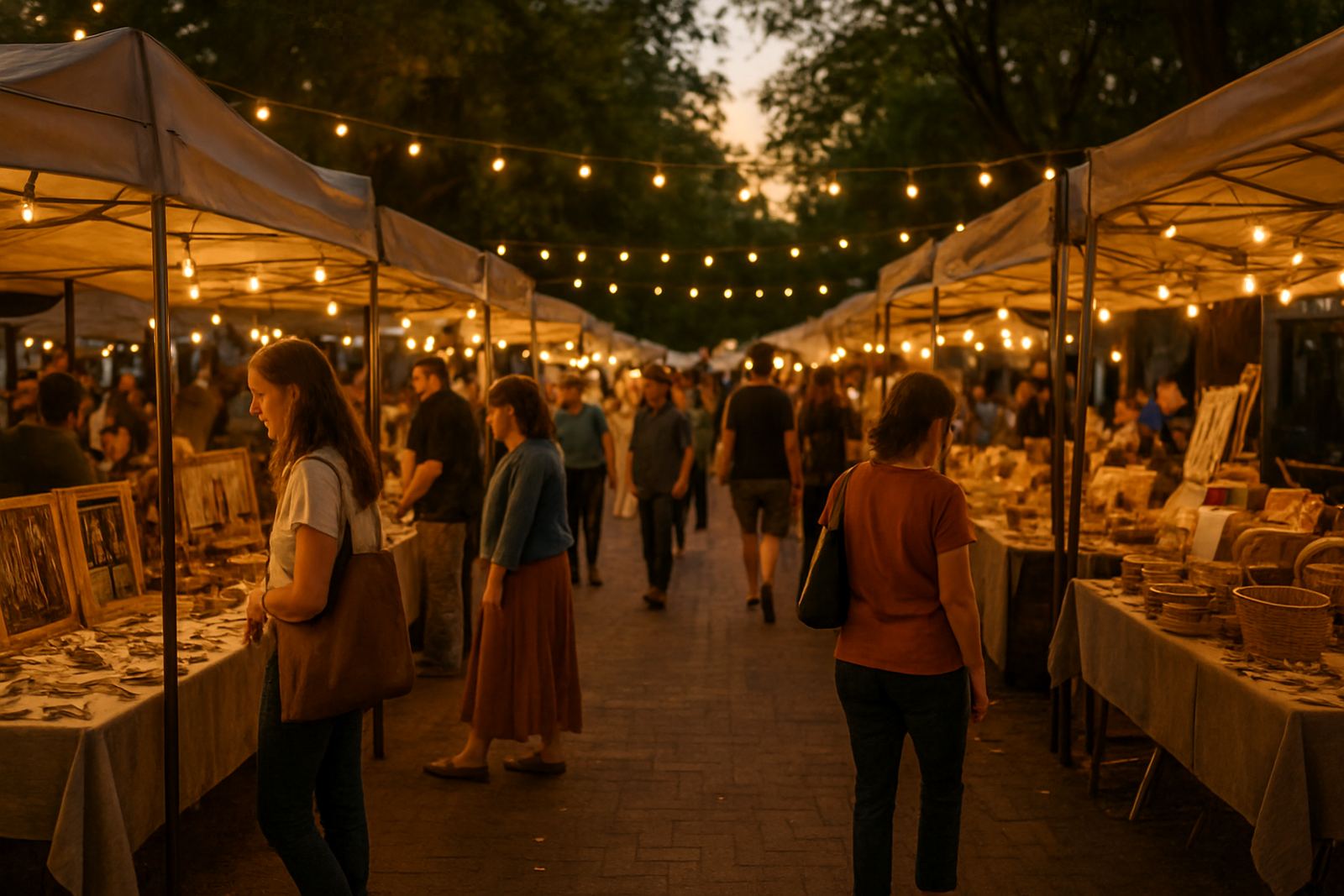
A weatherproof market day begins before the first table goes out. Check the ground at the venue, because a flat paved square in Hatfield behaves very differently from a grass site in Centurion or a windy open area in Lynnwood. If the surface is uneven, bring short packing blocks, rubber feet or adjustable table legs so nothing rocks when customers lean in.
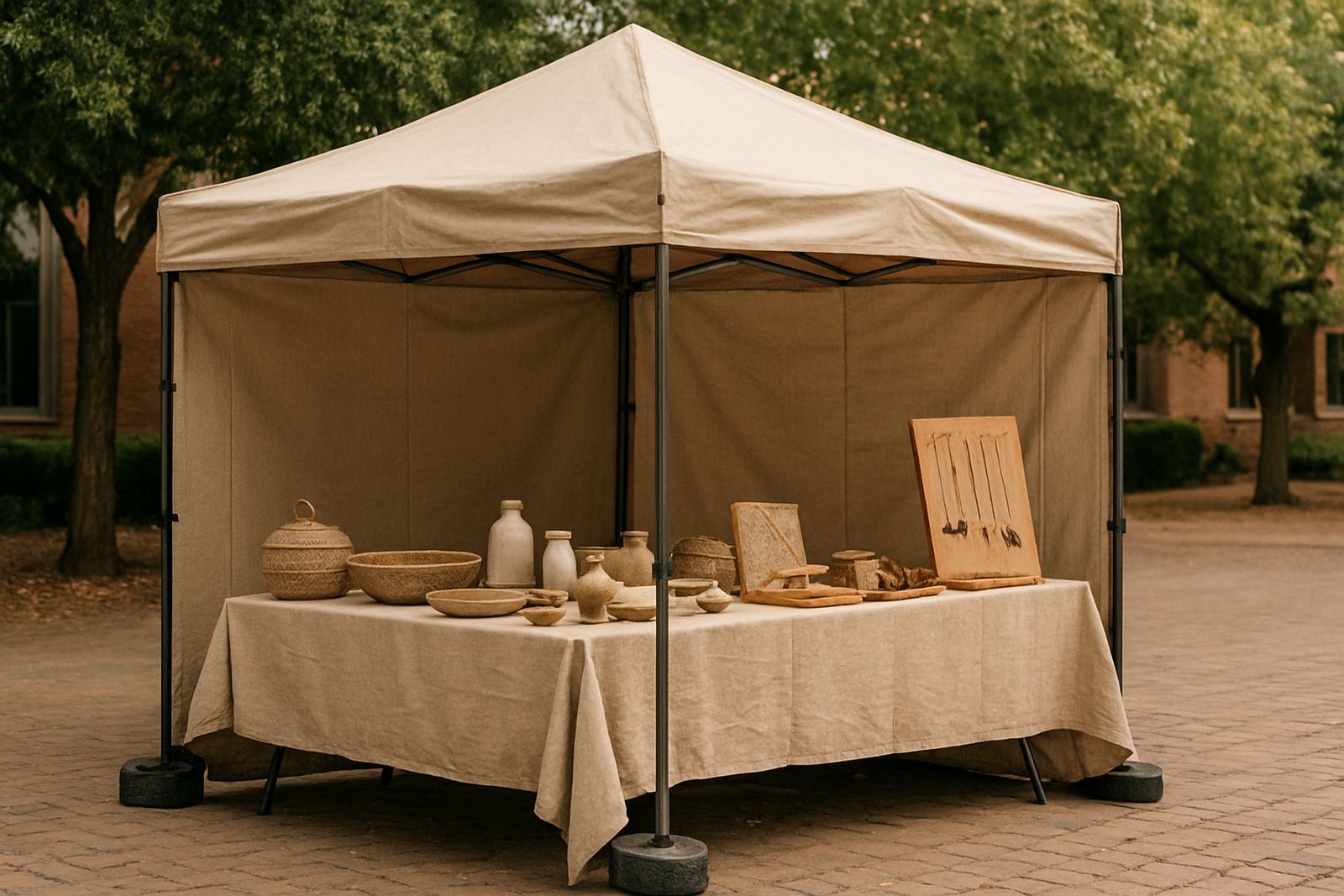
Weight matters more than people think. A light display might look neat at home but shift fast when a gust comes through. Use water-filled or sand-filled weights on leg frames, and secure banner stands with rope or cable ties. If your stall is in a car park or on an exposed corner, test every connection before you unpack stock. The minute you set up, give the whole structure a shake. If it moves then, it will move more once trading starts.
- Use 10 to 15 kg of weight per upright in breezy spots
- Keep spare cable ties, pegs and strong tape in a small toolbox
- Pack a groundsheet for grass or damp paving
Shade Is Not a Luxury in Pretoria Heat
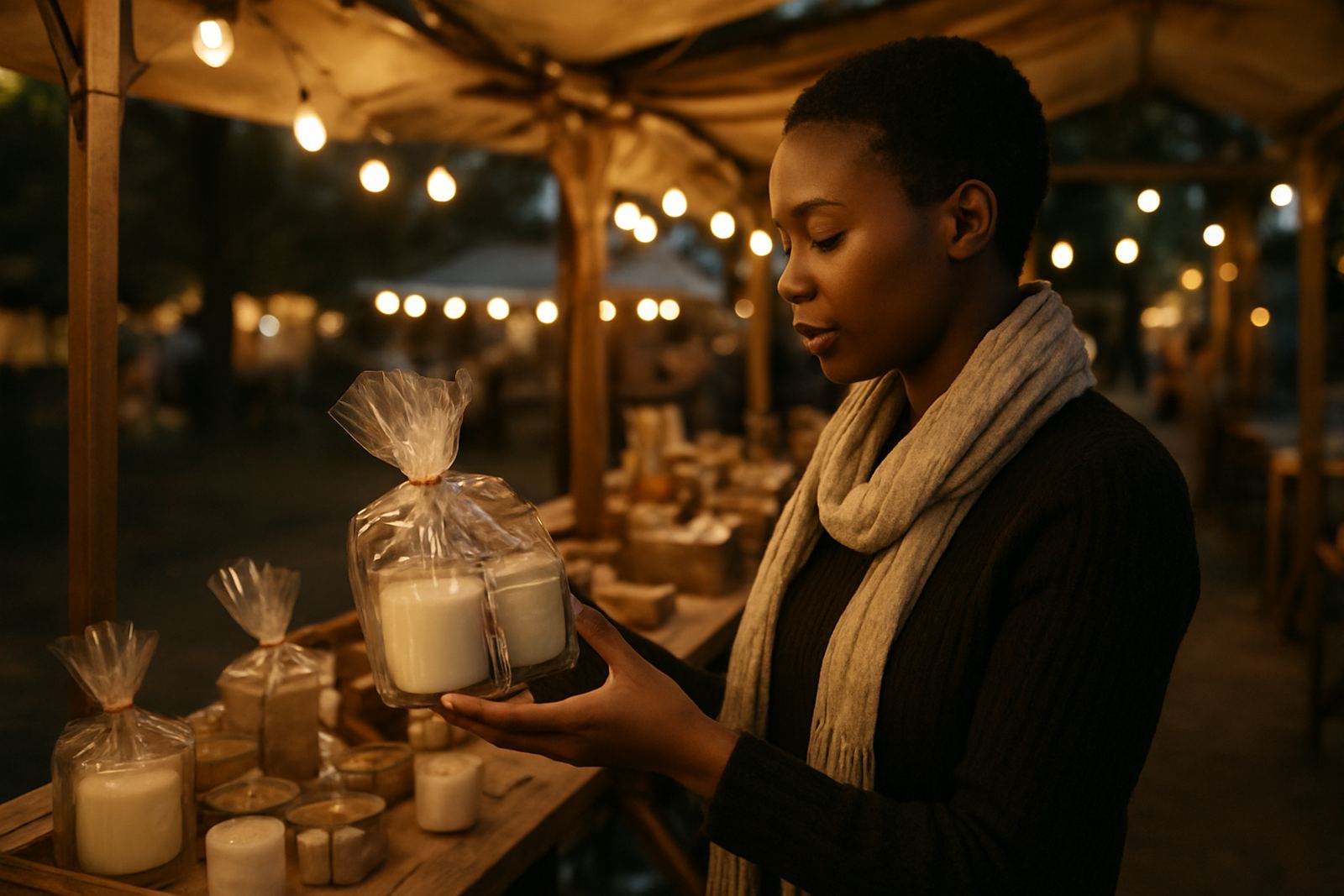
Pretoria sun can be punishing by late morning, especially at Hatfield weekend markets where traders often face direct light for hours. Shade keeps people comfortable, but it also protects stock. Handmade candles soften, chocolates bloom, baked goods dry out, and printed labels curl when the temperature climbs. A good canopy is only the start. Add side panels or clip-on shade cloth on the side where the sun sits in the afternoon.
Think about the customer experience too. People stay longer when they can stand in a cooler patch and look through your products without squinting. Place your most delicate items at the back of the stall and use baskets, crates or risers to create depth without crowding the table. If you sell food, keep chilled products in insulated containers until you are ready to display them. In summer humidity, sealed packs matter, otherwise products start to sweat and the packaging looks tired within hours.
- Bring a hat, sunscreen and a refillable water bottle for every team member
- Use pale table covers to reduce heat absorption
- Keep backup labels in zip bags so they do not curl or smudge
Rain Plans Need to Be Simple and Fast
Sudden rain is the sort of problem that catches new traders out. The best plan is a fast one. Keep one weather bag in the vehicle with clear plastic covers, extra pegs, a microfiber cloth and a couple of large rubbish bags. If the sky opens, you should be able to cover stock in under two minutes. That speed can save a whole day’s takings.
For paper goods, art prints and gift items, use sealed sleeves or stackable storage boxes under the table. For food, never leave open trays exposed. Even a light drizzle can ruin the look of a stall and put customers off. At larger weekend markets, organisers may call a short pause during heavy rain, so make sure your float, card machine and price tags are all in a waterproof pouch. It sounds basic, but many losses come from soaked notes and soggy signage, not the rain itself.
- Pack one waterproof cover per table, not one for the whole stall
- Keep electronics in a sealed container with silica gel sachets
- Store backup stock in lidded tubs that can close quickly
Wind Changes How People Browse and Buy
Wind is one of the least respected problems at outdoor markets. It lifts signs, scatters lightweight packaging and sends serviettes across the aisle. It also changes how customers handle products. If your stall feels cluttered or unstable, people move on. Keep loose items to a minimum and choose display pieces that are heavier than they look. Small stones, filled jars or weighted display blocks can hold down menus, recipe cards and product tags.
Open baskets are fine for some goods, but not for everything. A market near the Jacaranda-lined streets in Pretoria can still get proper gusts in the afternoon, and once a box tips over, the whole table starts to look untidy. Avoid stacking too high. Lower, wider displays usually hold better in wind and are easier for shoppers to reach. If you sell baked goods or dried snacks, use lids or close-fitting covers rather than leave packaging open. It keeps dust off and makes the stall look cleaner.
Stock Choices Should Match the Forecast
Good traders do not bring every product to every event. They read the weather first, then choose the stock mix. On hot dry days, small impulse buys move well, while fragile products may wait for cooler weather. After rain, customers often spend on practical items, gifts and food they can carry quickly. If you are trading at a maker night or a weekend market, have a simple rain-and-heat version of your table plan so you can switch fast.
That does not mean overpacking. It means packing smart. Keep one crate for weather-sensitive goods, one for hardwearing items and one for premium pieces you only bring out once conditions are steady. Thembisa Tshabangu and the team at Local Makers Market often remind traders that preparation is part of the sale. If your table can handle a weather change, you stay present with customers instead of running back and forth to the car.
- Bring less fragile stock on very hot or wet days
- Use clear price labels that are easy to read in bright light
- Keep a small cloth for wiping dust, drizzle and fingerprints
A Hatfield Example: What Prepared Traders Look Like
At a busy Saturday market in Hatfield, the traders who recover fastest from a squall are usually the ones who arrived prepared. One food seller keeps a second tablecloth folded under the main table and swaps it out after rain. A ceramic maker stores small pieces in lidded crates, then opens them in batches so wind does not catch the boxes. A soap trader uses weighted display trays and keeps a spare handwritten sign in a plastic sleeve. None of it is fancy, but it works.
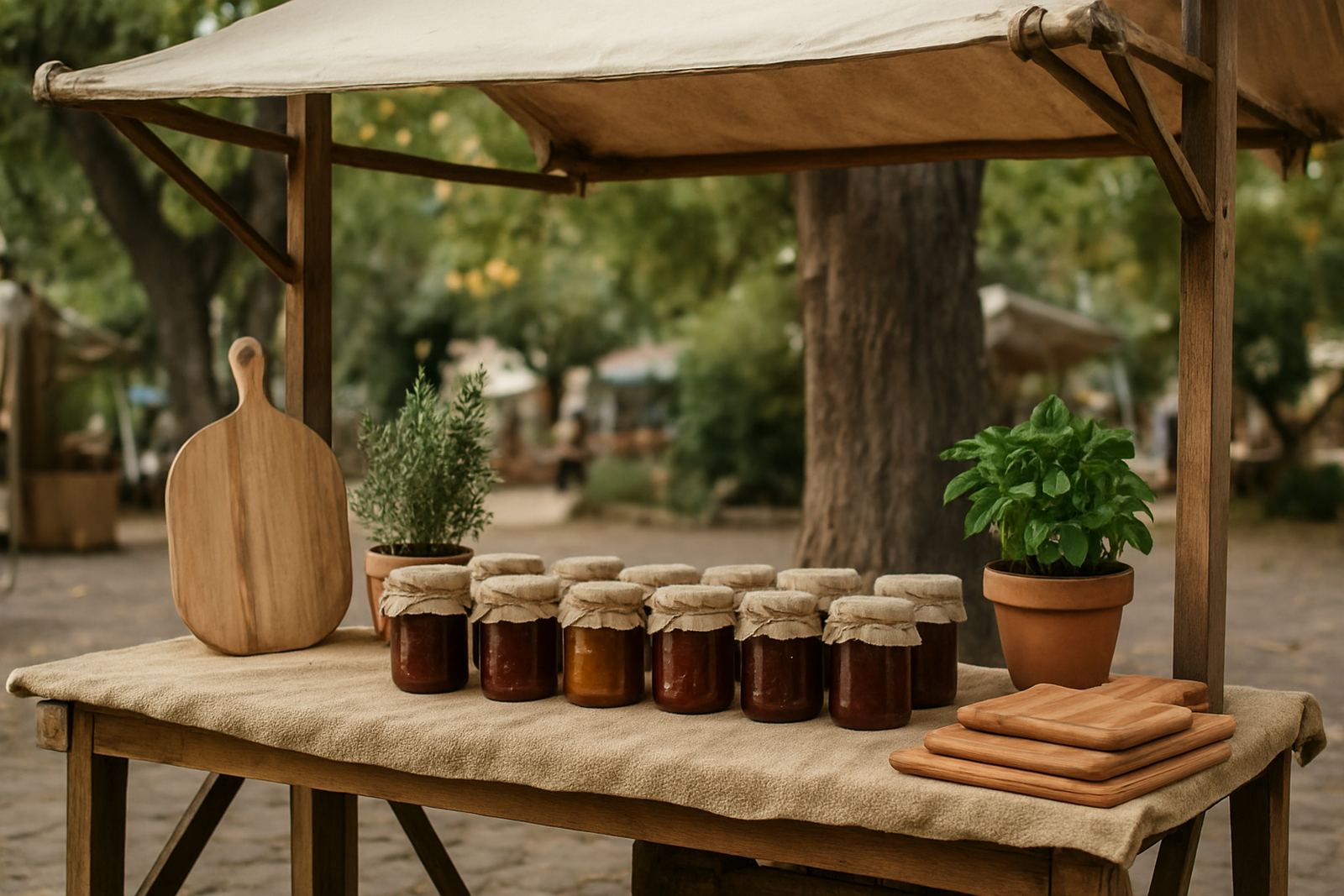
The difference is visible to shoppers. A dry, tidy stall tells people their purchase will be handled with care. That matters whether you are selling jams, jewellery or hand-poured candles. If you are new to markets, practise your setup at home once before the event and time how long it takes to cover everything. Under real pressure, a two minute job often takes ten if you have not rehearsed it.
Make Weather Part of the Routine, Not the Emergency
Weatherproofing is not only about buying more gear. It is about routine. Pack the same way each time, with the same boxes in the same order, so you can find what you need quickly. Check the forecast the night before and again on the morning of the market. Charge your phone, pack cash float, and keep a list of what must never be left behind: weights, covers, tape, cloths, water and payment tools.
For traders who move between Hatfield Markets, Brooklyn Markets, Lynnwood Markets, Menlyn Markets, Centurion Markets and nationwide pop-ups, that routine becomes second nature. Once it does, wind and rain stop feeling like a crisis and start feeling like part of the job. A market day will still be unpredictable, but your stall does not have to be.