Why evening buyers spend differently
At a maker night, the customer mindset is different from a weekend family market. People often come straight from work in Hatfield, Brooklyn or Menlyn, and they are shopping with a purpose. They want gifts for birthdays, thank-you visits, housewarmings, teacher presents and office exchanges. That means they respond well to items that are already grouped, neatly labelled and ready to hand over.
Evening crowds also make quicker decisions. A person walking through a pop-up after 6pm is less likely to stop for a long chat about every item on the table. They want a simple answer to three questions: what is it, who is it for, and what does it cost. If you can answer those clearly, you make it easier for them to buy on the spot.
Build gift bundles that feel complete
Gift bundles work well because they raise the value of a sale without making the customer do the work of combining items themselves. Think in sets of 2 or 3, with one main item and two smaller add-ons. A coffee gift pack might include a mug, a spoon and a small treat. A home fragrance bundle could pair a candle with matches and a note card. Food makers can package savoury crackers with a relish or jam, then add a tasting note.
Keep bundles in clear price bands. At maker nights, many shoppers look for gifts in the R80 to R250 range, with a few premium options above that for special occasions. If your products are too fragmented, people struggle to see the value. Bundling helps them understand the story fast and it can lift your average sale without extra pressure.
- Choose one hero item per bundle so the customer knows what they are really buying.
- Use 2 or 3 support items max, not a crowded mix.
- Tag the bundle with the occasion: teacher gift, thank-you pack, new home, birthday or hostess gift.
- Pre-pack a few versions so you can restock quickly when the table gets busy.
Make the table easy to shop after dark
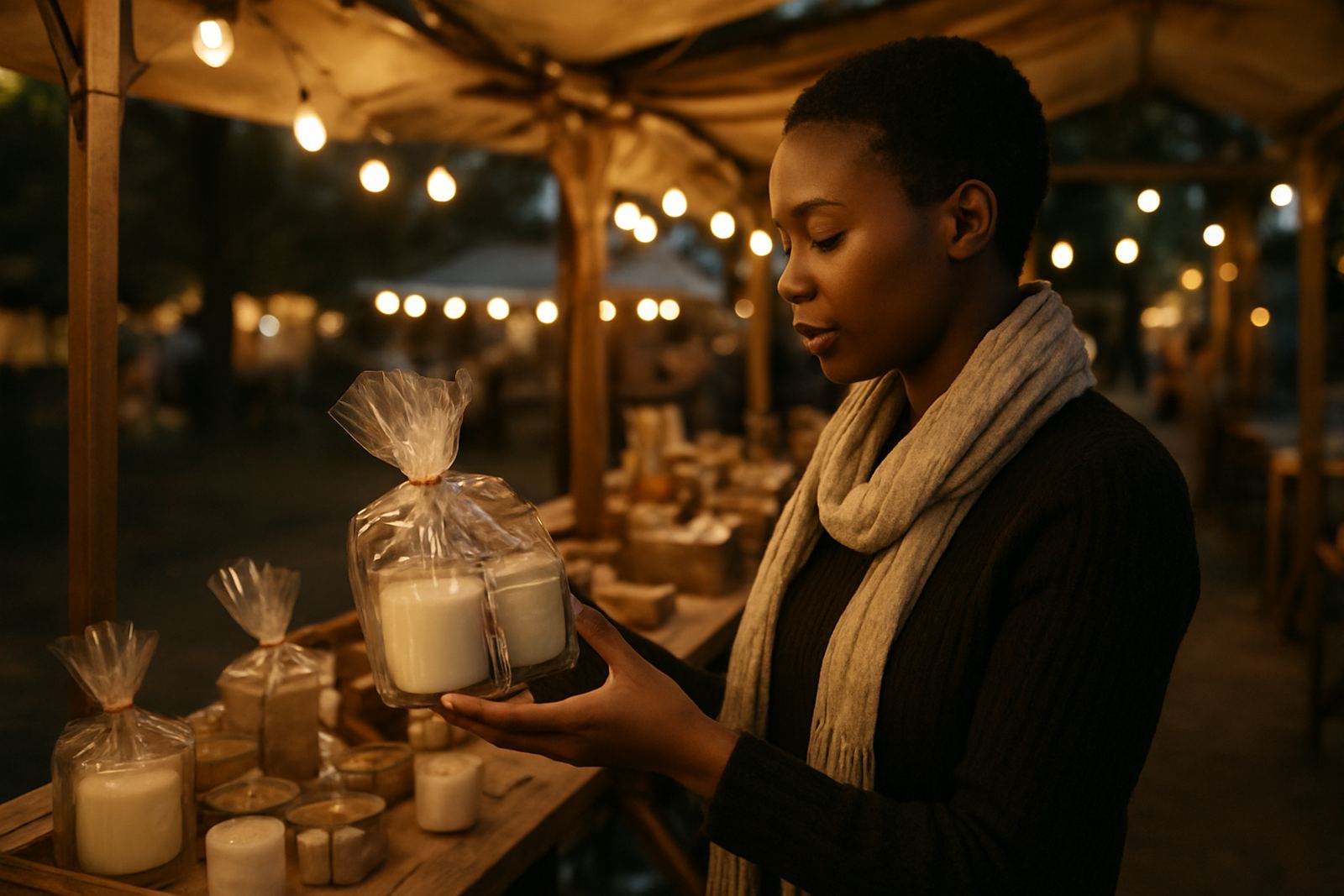
Lighting matters more at evening events than many makers expect. Once the sun drops, your display can lose shape if it relies on ambient light alone. Use warm lights that show colour properly and make labels readable from about 1 metre away. This is especially useful for handmade foods, soaps, textiles and gift boxes where detail sells the item.
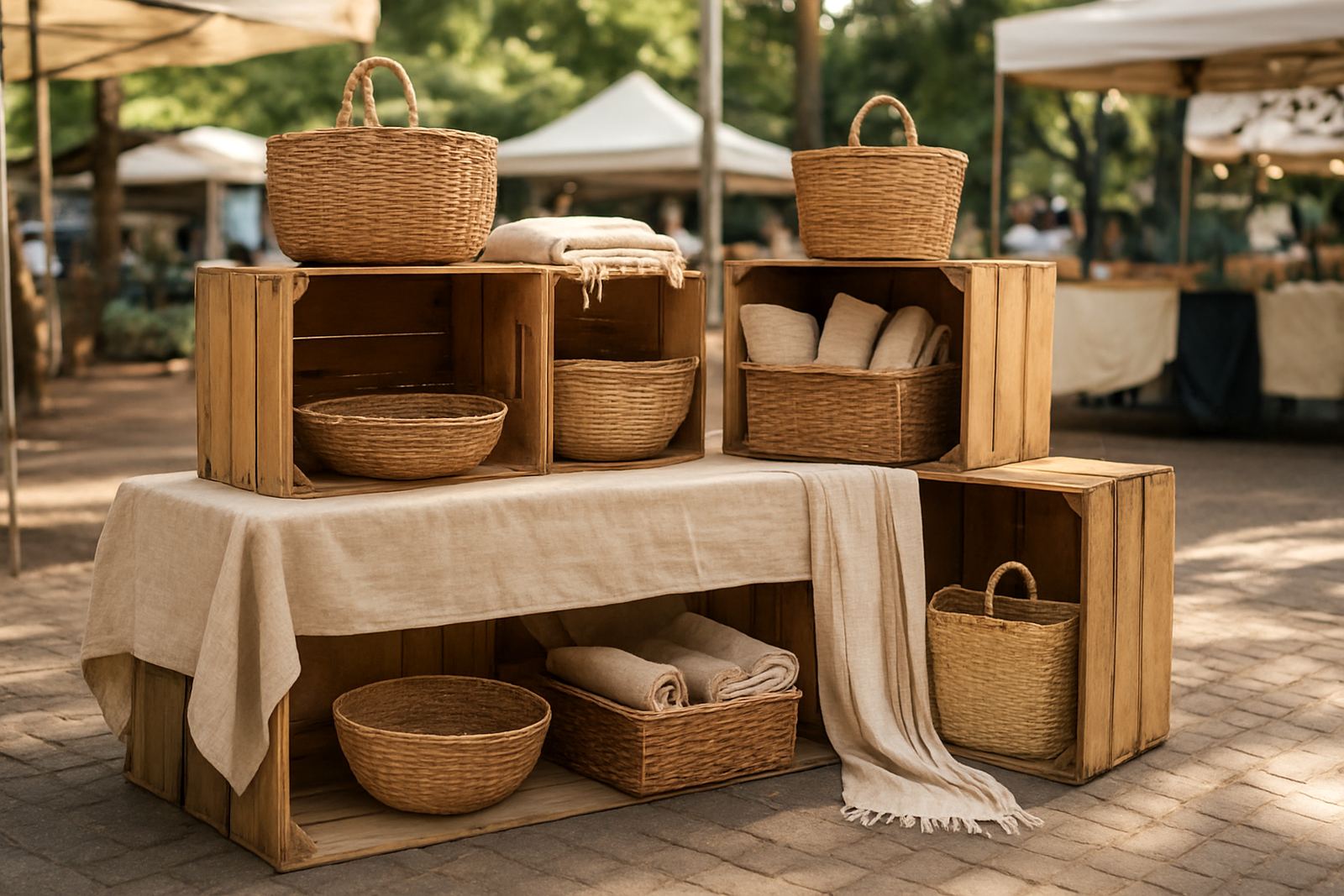
At a Hatfield maker night, for example, a table with neat risers, a lit feature area and a few wrapped bundles at the front usually gets more attention than a flat layout packed edge to edge. Keep the front row low and simple. Place bestsellers where people can reach them without moving half the display. If you have busy foot traffic, make it easy to pay and leave with the item in under a minute.
- Use battery lights or charged backup lighting for dim venues or evening trading.
- Keep packaging, bags and tissue paper in one box under the table.
- Label gift sizes clearly, such as small, medium and premium.
- Protect delicate products from wind, dust and humidity, especially in summer.
Price for gift buyers, not just repeat customers
Gift shopping is often emotional, but the price still has to make sense. At maker nights, clear pricing helps buyers choose without feeling awkward. If your products are handmade, show what is included and why the bundle is worth more than buying parts separately. Simple signage can do a lot of the work for you.
Do not hide your prices because you are worried someone may think they are too high. Instead, give people a reason to feel good about the spend. If a gift pack is carefully finished, wrapped and ready for immediate giving, the extra Rand is easier to justify. For food gifts, mention shelf life and storage. For non-food gifts, mention care instructions so the buyer feels confident handing it over.
Keep one lower-priced item at the front of the table. This gives hesitant shoppers an entry point and often leads to a second purchase. A customer might arrive looking for one small present and leave with a card, a gift bag and a backup gift as well.
Use maker-night conversations to close the sale
Evening events are ideal for short, helpful conversations. Most buyers do not want a long sales pitch, but they do appreciate guidance. A simple question like, “Is this for a birthday or a thank-you gift?” helps you suggest the right bundle. If the person says the recipient is difficult to buy for, offer a versatile option with strong packaging and a neutral scent or flavour.
Your tone should stay practical and calm. People are often tired after work, so keep your answers short and useful. Mention whether the product travels well, whether it needs refrigeration and whether it is ready to give straight away. That kind of detail matters more than fancy wording.
- Ask one quick question to understand the occasion.
- Point to the easiest choice first, not the most expensive one.
- Offer a backup option if the customer is buying for more than one person.
- Keep your payment process quick so the flow of the table stays moving.
A Pretoria example that sells well on a weekday evening
In Pretoria, a maker night near Hatfield can attract students, office workers and nearby residents looking for small gifts before heading home. A table with tea blends, a candle, small ceramic pieces and neatly wrapped snack packs gives shoppers plenty of choice without overwhelming them. The strongest sellers are usually the items that feel useful and personal at the same time.
One common pattern is that buyers pick a small gift first, then come back for a second item once they have seen how it is packaged. That is why it helps to keep related products together. If a shopper likes a candle, place a card, a matchbox and a small treat beside it. If they are buying food gifts, group savoury and sweet options so the customer can choose one of each. This makes the display feel sorted and saves time for everyone.
Simple prep checklist before the next maker night
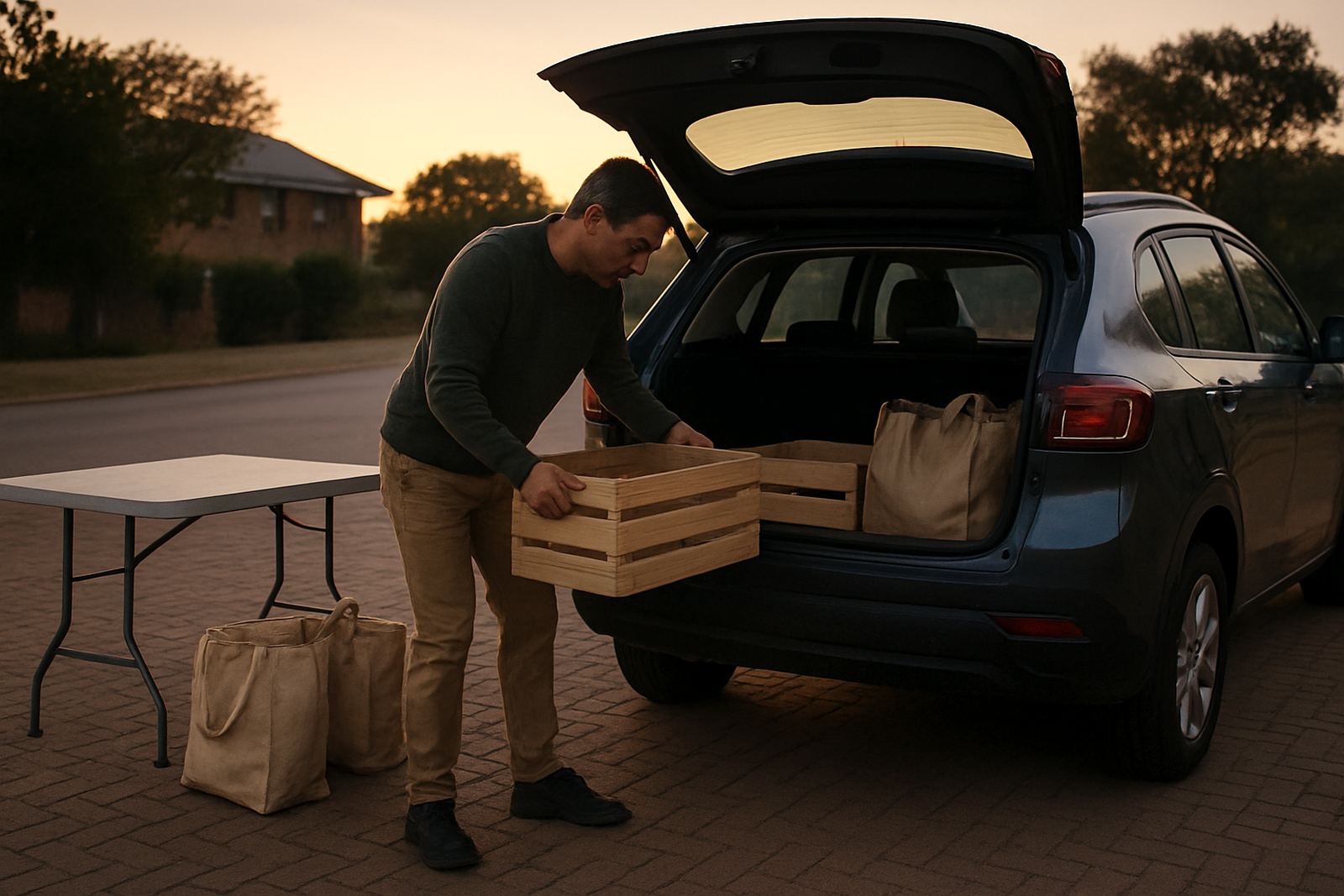
Good preparation can make the difference between a slow evening and a strong one. Before you load the vehicle, check that your gift stock is complete, your pricing is visible and your packaging is clean. Make sure you have enough bags, receipts, pens and a backup battery for lights or card payment gear. If the event is outdoors or in a venue with open doors, factor in wind, dust and evening temperature changes.
For makers who sell gift-led ranges regularly, a repeatable system saves time. Keep a standard bundle list, use the same size tags each time and update your stock counts after every market. The more organised the setup, the easier it is to serve customers quickly and keep the table looking good right through the last hour.
- Pack gift-ready stock first.
- Check lights, payment tools and packaging before leaving home.
- Print or write clear prices in bold.
- Leave a few items unwrapped for customers who want to choose their own mix.