
What happens when money stays in the neighbourhood
When someone buys a jar of chutney, a hand-poured candle or a painted bowl at a local market, that Rand does not disappear into a distant chain. It often pays a maker’s transport, school fees, stock for next weekend and materials bought from another local business. That circulation matters, especially in towns where many households feel the strain of higher fuel costs and tight monthly budgets.
Markets also create smaller, steadier trading points for people who are not ready for a permanent shop. A trader may only need a table, a gazebo, a price list and enough stock for one day. That lowers the barrier to entry and gives more people a fair chance to test demand before they commit to bigger overheads.
- More of the spend goes to the maker, not only to rent and head office costs.
- New traders can start with low stock levels and grow at their own pace.
- Local suppliers benefit when makers buy packaging, ingredients and raw materials nearby.
Why Pretoria markets feel different on a Saturday morning
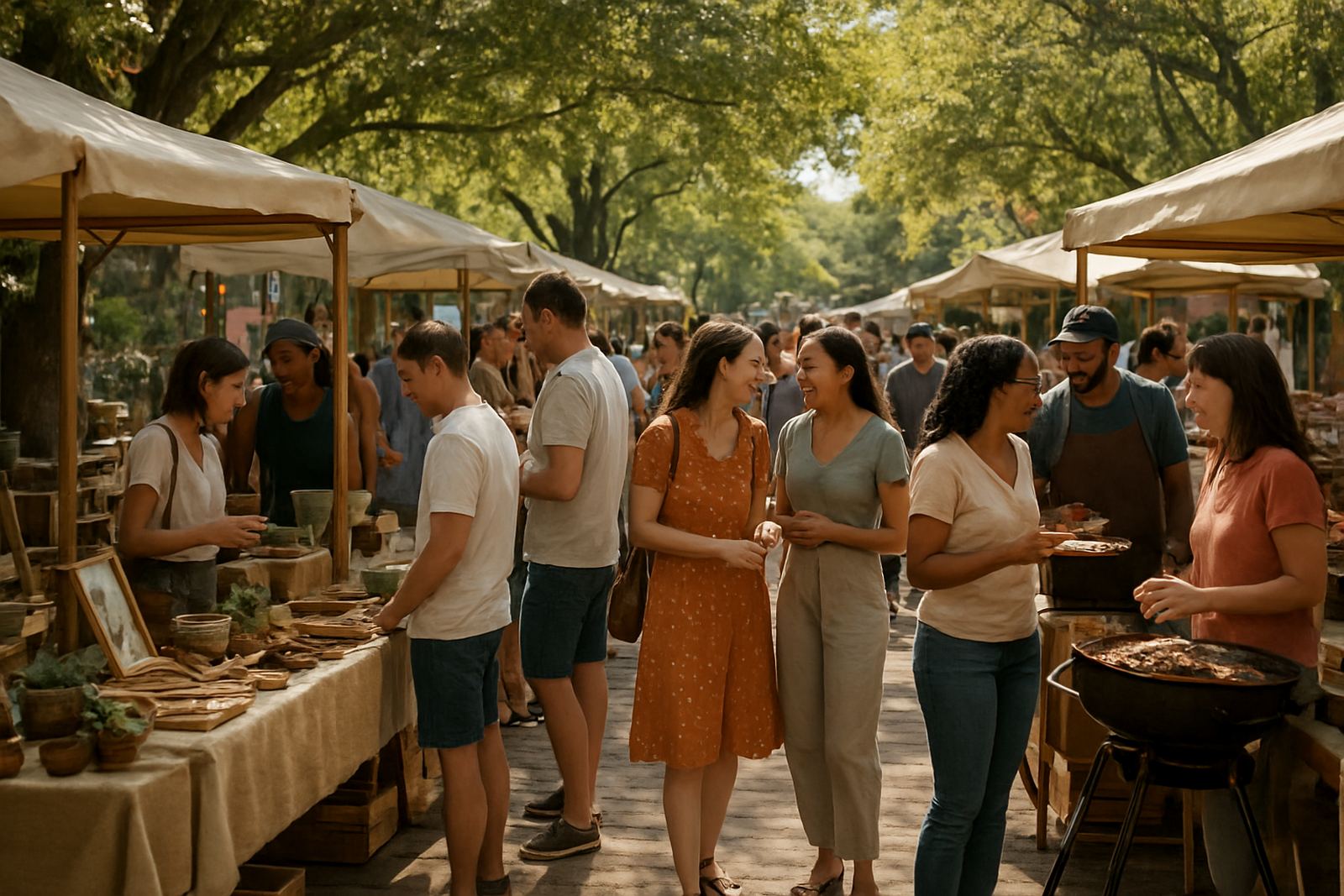
In Pretoria, especially around Hatfield, Brooklyn, Lynnwood, Menlyn and Centurion, a good market does more than sell goods. It gives families a reason to leave the malls and spend time among people they know. Parents want safe, easy parking, a clear layout and stalls that are not packed too tightly. Traders want foot traffic, decent shade and a steady flow of customers who are there to browse, not rush.
That is why weekend markets work best when they are planned for the local climate and routine. In summer, stalls need shade and enough water for food vendors. In winter, traders need wind protection and simple signage that can still be read from across the site. In Pretoria east, many shoppers arrive late morning after church or sport, so market hours need to match real habits rather than guesswork.
At a Hatfield market, a family may stop for breakfast, look at ceramics, buy rusks for the week and then stay for a workshop or live demonstration. That mix of shopping and social time is part of what makes a Hatfield market feel worth the outing.
A market is also a training ground for small business
Many good makers are strong at producing goods but still need support with pricing, display, packaging and conversation. A market gives immediate feedback. If a product sits too long, the maker learns it may be too expensive, too plain on the table or not clearly explained. If a soap or snack sells out in an hour, that tells the maker something else entirely.
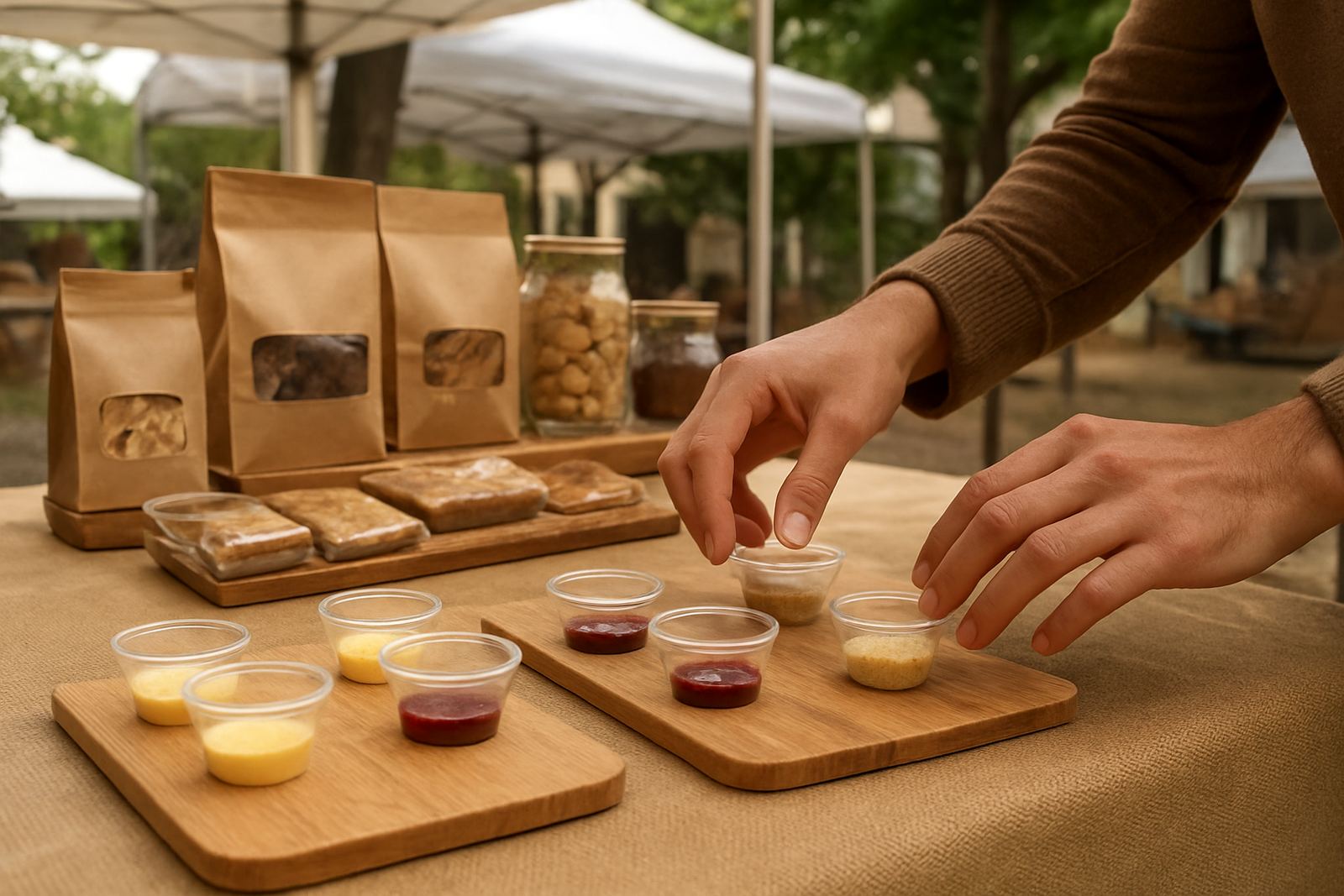
This is where practical training makes a clear difference. A stall that looks tidy and the prices are easy to read usually performs better than one with no labels and rushed packaging. Even a small adjustment, like grouping products by price or adding simple tasting notes, can improve sales. For food traders, good handling, basic hygiene and clear ingredients are not optional. They are what builds trust.
- Price each item so the maker covers time, packaging and wastage.
- Keep one clean display surface and one spare stock box under the table.
- Use packaging that can handle transport, heat and busy hands.
- Prepare a short product story so customers know what they are buying.
Why Handmade Finds Win Local Hearts
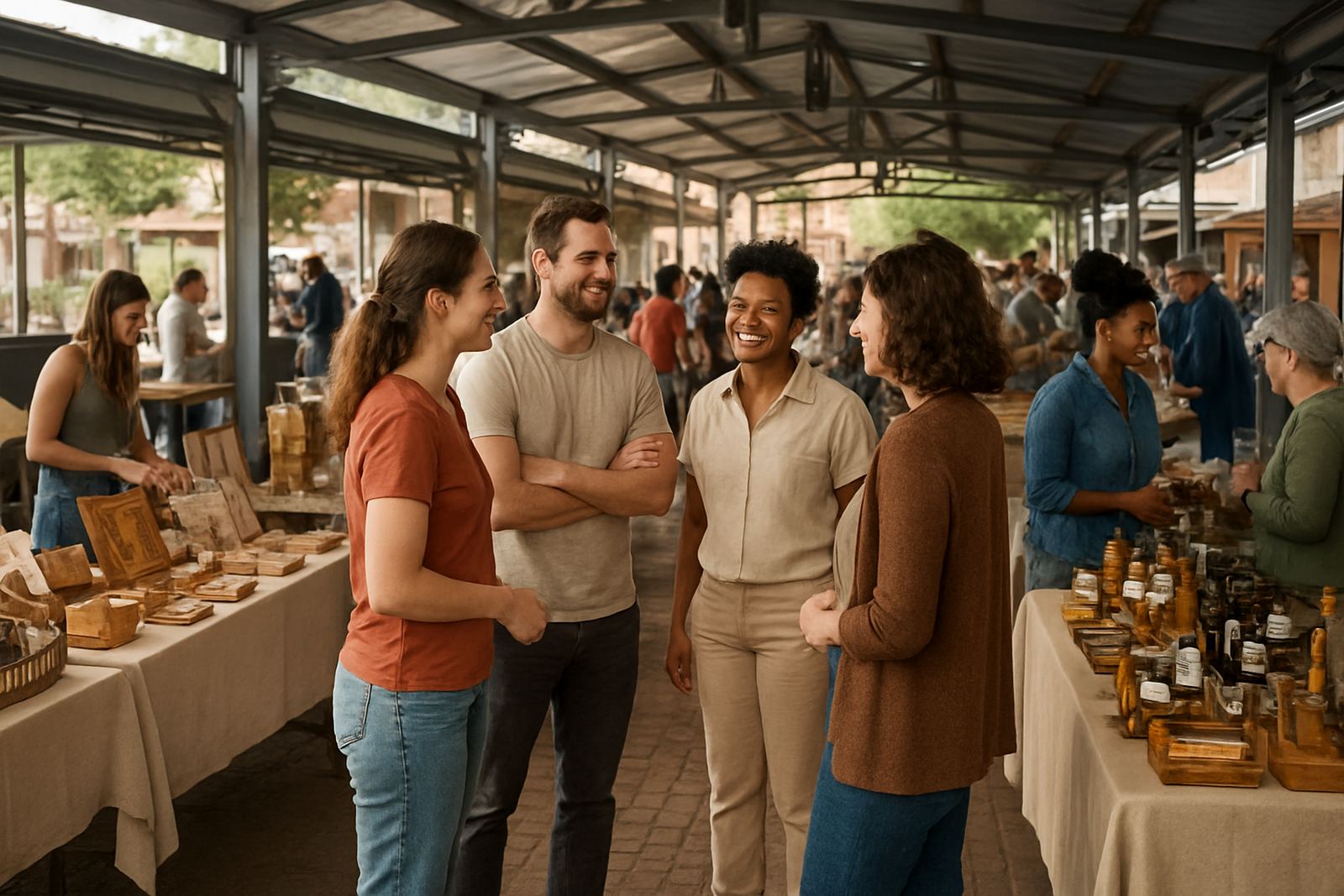
People do not go to local markets only because the items are handmade. They go because the exchange feels direct. Customers can ask where the honey came from, what fabric was used, or how spicy the relish is. They can support a person by name, not only a label.
That personal contact matters in South Africa, where shoppers are careful about value and quality. A customer who buys from a maker after a real conversation is more likely to return. They remember the face, the stall and the product they took home. If the item lasted, worked well or tasted good, the market gets a reputation for honest trading, which benefits every stallholder on site.
This is also why maker nights are useful. Evening events bring in workers, younger buyers and people who cannot attend during the day. They widen the audience without needing a separate shopfront, and they give makers another chance to sell to a different crowd.
Local example: what a Hatfield weekend market can do
Imagine a Saturday market in Hatfield with six food stalls, ten craft tables and one small workshop tent. One trader sells biltong packs in 100 g and 250 g sizes. Another offers hand-thrown mugs in neutral colours that are easy to gift. A baker brings seed loaves and lunch rolls. Nearby, a maker explains how to choose packaging that survives a warm car on the way home.
That one event supports different kinds of trade at once. The baker buys flour from a local wholesaler, the ceramic maker buys clay and glaze from a supply yard, and the market itself employs setup staff, parking marshals and cleaners. Nearby coffee shops also see more trade because visitors often arrive early and stay longer than planned. It is a simple example, but it shows how a local market keeps value moving through a neighbourhood rather than out of it.
How makers can prepare for a stronger market day
A good market day is not luck. It starts with preparation during the week. Makers should know their best-selling items, their minimum stock levels and what can be re-packed quickly if rain or wind changes the setup. They should also plan for payments, because many customers now prefer card or instant transfer instead of cash.
Practical preparation reduces stress and improves sales. If the table is neat, prices are visible and the seller can answer questions quickly, the customer feels safer to buy. That is true for soap, gifts, preserves, clothing and fresh food alike. For many small businesses, one well-run market can teach more than a month of guessing at home.
- Pack a backup charger, torch and cash float for outages and late trading.
- Bring enough change, bags and labels for a busy 3 to 5 hour period.
- Test signs from 2 to 3 metres away so customers can read them easily.
- Keep receipts, stock counts and notes from each market to track what moves.
When makers treat each market as a learning day, not only a selling day, their business becomes steadier. That is good for them, and good for the neighbourhood too.