Start with the real cost of every item
The first mistake many makers make is pricing from memory instead of from actual costs. Write down what it takes to make one item, from raw materials to labels, string, batteries, jars, glue, flour, gas and transport. If you sell at Hatfield on a Saturday morning, include the fuel or taxi fare, stall fees, parking, and any extra packaging you use to get stock there safely.
For food items, costings need even more care. A jar of preserves, a box of rusks or a tray of savoury snacks may seem simple, but the numbers add up quickly once you include ingredients, electricity, time in the kitchen and breakages. Even small losses matter when you are working in batches.
- Materials used in one unit
- Packaging and labelling
- Market fees and travel costs
- Wastage, spoilage or damaged stock
Pay yourself for the hours you actually work
Your price must cover your time, not only the product in your hands. If a woven basket takes three hours to make and an embroidered pouch takes 45 minutes, those items should not sit in the same price range just because the materials cost nearly the same. Your skill, attention and experience are part of the value.
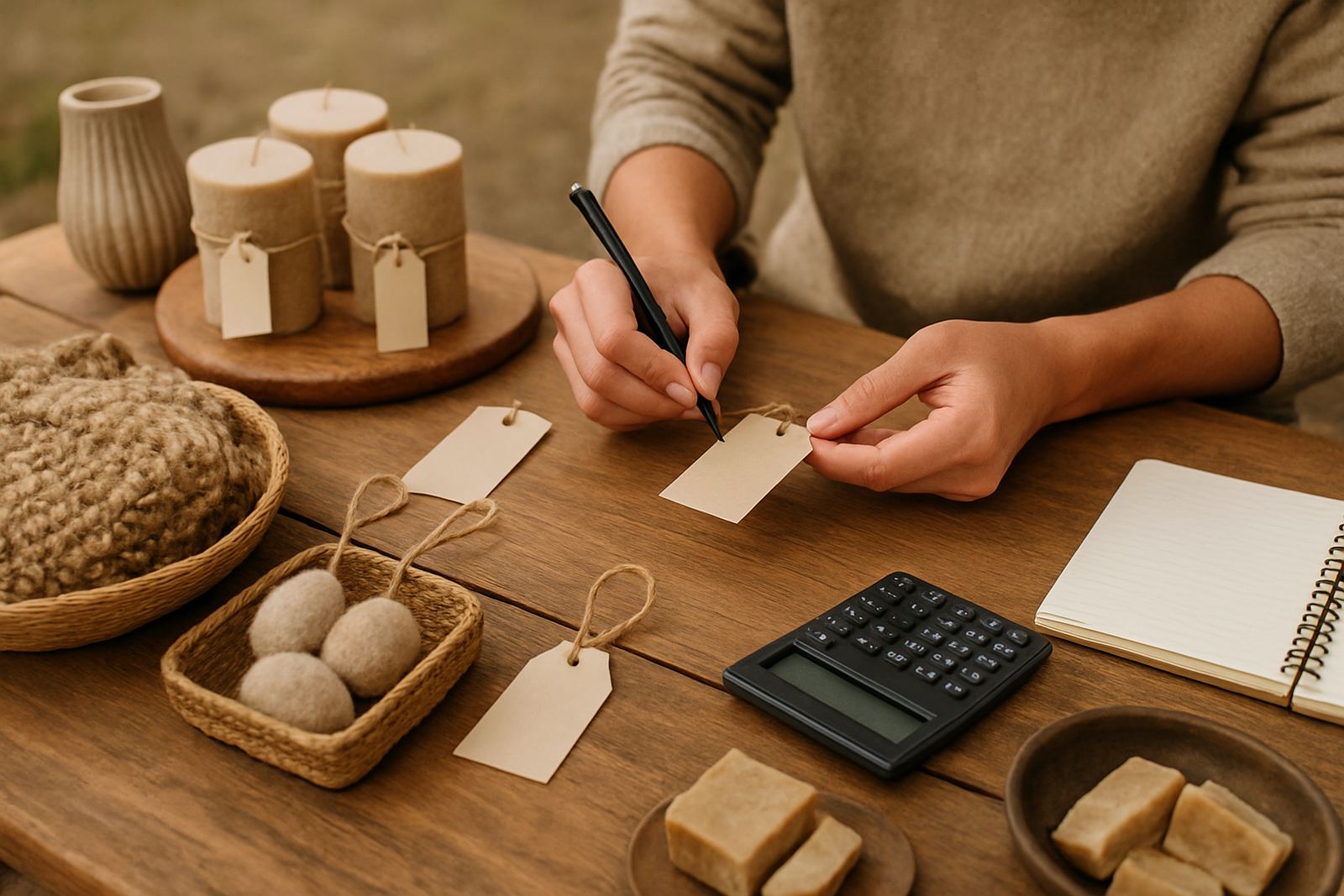
A simple way to work is to set an hourly rate for yourself. Many makers start too low because they feel customers will not pay more. But if you spend six hours preparing stock, then another morning at Lynnwood Markets talking to customers and packing up, that labour has to be counted. You are running a business, not passing time. Even a modest rate can change your pricing discipline very quickly.
If you cannot explain how long something takes, that is often a sign you have not priced it properly yet.
Know what your market is willing to pay
Price is not only about your cost, it is also about customer perception. At a weekend market in Pretoria, shoppers may compare your candle, ceramic mug or baked treat with what they see in a shop, online or at another stall. They are not only buying the item, they are buying the story, the quality, and the feeling that it was made with care.
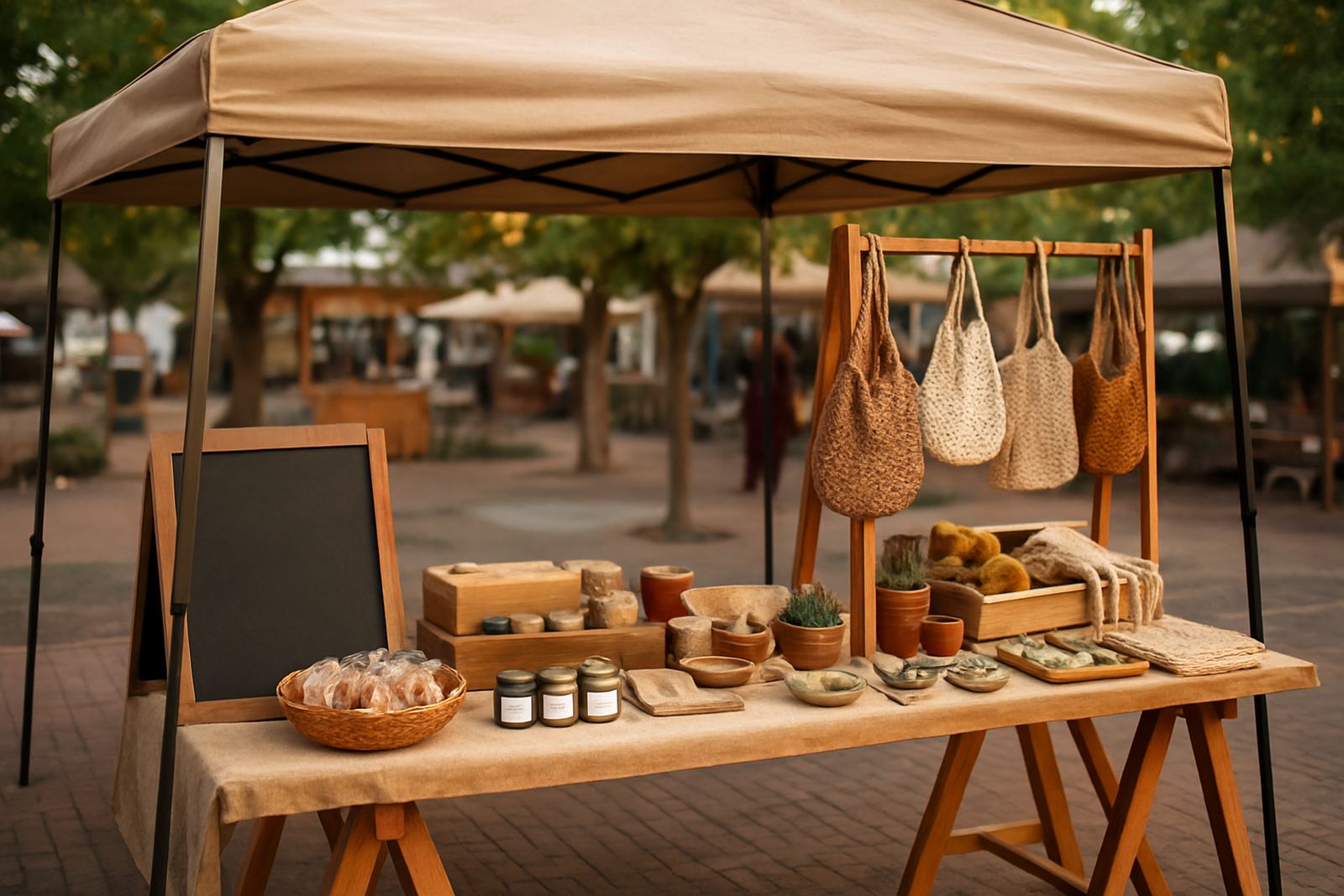
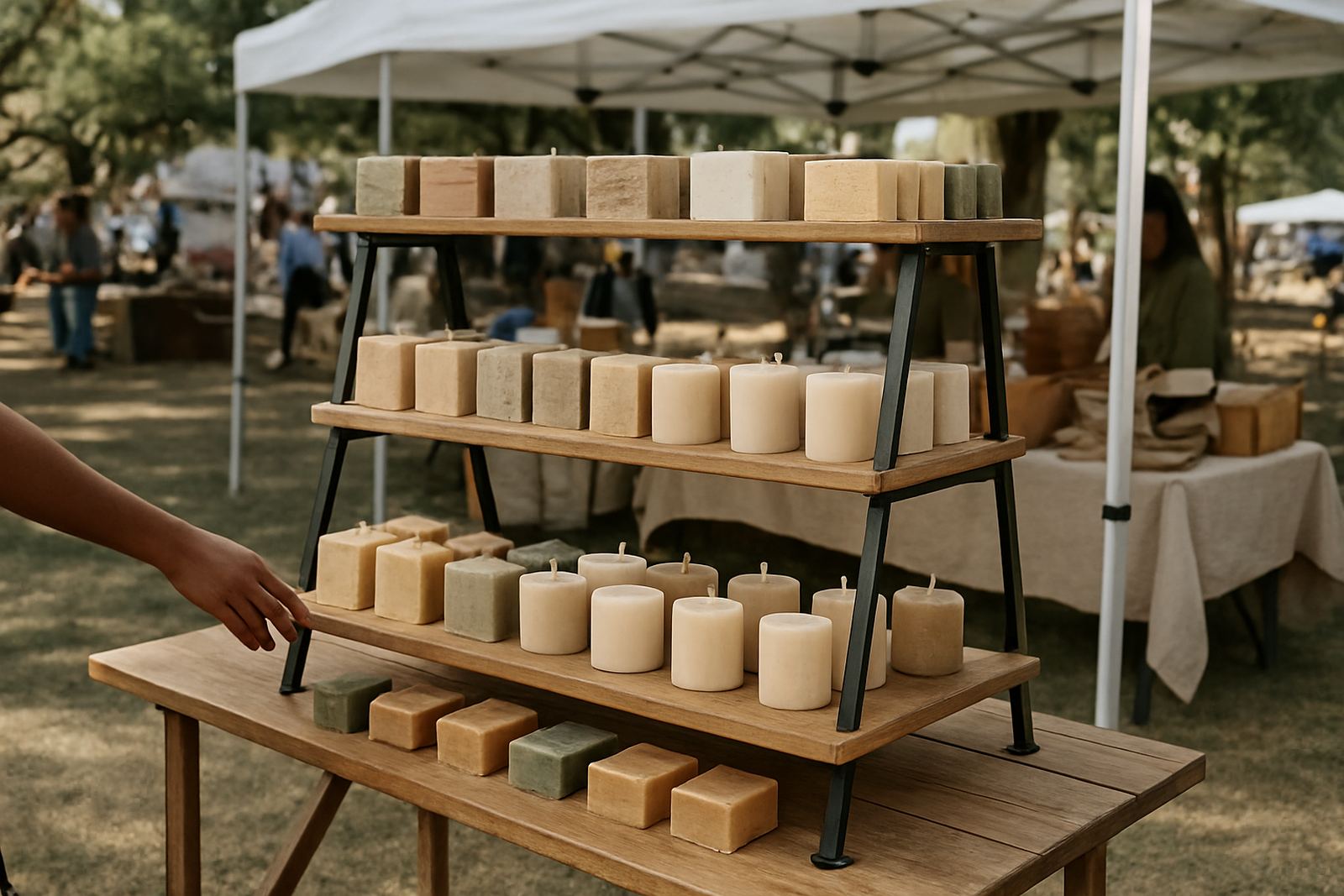
That means presentation matters. A neatly finished product in good packaging often sells better than a lower-priced item that looks unfinished. At Menlyn or Brooklyn, where shoppers may be rushing between errands, a clean display with clear pricing helps customers decide faster. If people need to ask the price of every item, you may be losing sales because the stall feels confusing.
- Check what similar products sell for at local markets
- Look at price differences between plain, gift-ready and premium versions
- Notice how packaging affects the price customers accept
- Watch which items people pick up first and ask about
Build a pricing formula that works every time
You do not need a complicated spreadsheet to start, but you do need a repeatable method. A basic formula can be: materials plus labour plus overheads, then add your profit. Overheads include electricity, internet, equipment wear, bags, bank charges and stall costs. If you are baking in a home kitchen in Centurion, fuel for cooking and backup power costs still count as part of the real cost.
Some makers use a simple markup, while others price by unit targets. The important thing is consistency. If you sell one item for R80 and a similar item for R95 without a clear reason, customers may start to question all your prices. Keep your range sensible and explain differences such as size, finish, flavour, detail or custom work.
A good formula should help you answer one question quickly: if this sells, did I actually make money?
Use market feedback without dropping your standards
Customers will give you feedback, sometimes directly and sometimes with their wallets. If an item sells out early every weekend, your price may be too low or the product may need larger production. If a product gets admired but never bought, the price may be too high for that market, or the item may need better packaging or clearer use. Listen carefully, but do not panic and slash prices too quickly.
One common mistake is to discount simply because you feel awkward about pricing handmade work. That can undermine trust. Customers often assume a lower price means lower quality, especially when the item is a gift or food product. Keep your pricing steady and use special offers sparingly, for example on end-of-day stock or seasonal bundles.
- Track what sells first and what stays on the table
- Ask which size or flavour people prefer
- Test small bundles before discounting single items
- Review prices after each busy market weekend
A Pretoria example that makes the numbers real
Say a maker in Hatfield sells handmade soap. The materials for one bar cost R18, the wrap and label cost R4, and transport to the market works out to R3 per bar across the batch. The soap takes 12 minutes to cut, wrap and price, and the maker values that time at R60 an hour. That adds another R12. The real cost is now R37 per bar before profit. A selling price of R45 may feel fair, but it leaves very little room for slow sales, breakages or future growth.
If the same maker prices at R60, the item can support better packaging, sample testers and the odd unsold bar. It also gives room for a gift set at a higher price point. This is how confidence is built, not by guessing but by understanding the numbers behind each sale. The same thinking works for food stalls, craft items, prints and custom pieces.
When your pricing is clear, you can speak to customers with calm and answer questions without uncertainty. That makes a difference at a busy maker night as much as it does at a weekend market.
Price for growth, not only for todays sale
Good pricing should help you stay in business next month, not just make a few quick sales today. Leave space for replacing stock, fixing tools, testing new ideas and taking time off when needed. If your prices only cover the present moment, you will feel busy but not secure.
Think ahead to packaging upgrades, seasonal ranges, and the quiet months when foot traffic drops. A fair price gives you room to keep going through winter, school holidays and the end-of-year rush. That is what pricing with confidence really means. It is not about charging the most, it is about knowing your numbers and standing by them.
At Local Makers Market events across Pretoria and beyond, the makers who price well are usually the ones who look calm, answer clearly and let the product speak for itself. That kind of confidence can be learned, one item at a time.