Why trader friendships matter at a market
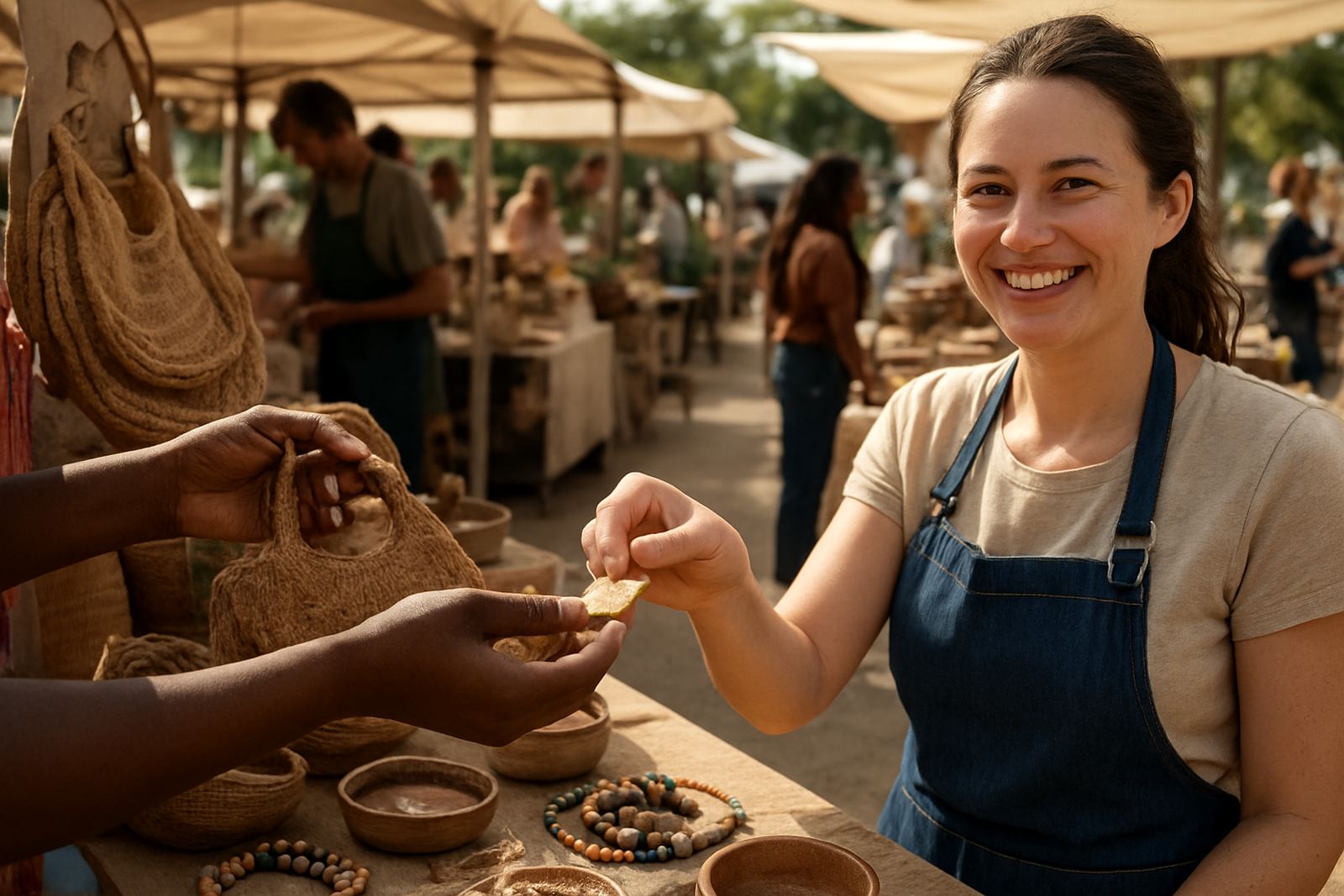
At a good market, traders are not working in isolation. They are checking in on each other, borrowing a cable tie, watching a stall while someone runs for change, and sharing what sold well by 11am. That kind of support keeps small businesses moving, especially when the weather turns or foot traffic changes.
For makers, the benefits are practical. A trader who knows the person next door is more likely to hear about a weekend pop-up in Centurion, a school fundraiser in Brooklyn or a private event in Menlyn. One helpful conversation can lead to a better layout, a shared display idea or a new customer who came for one product and found three more.
Local Makers Market has seen that friendly trader circles often build the strongest event days. When people talk, they trade notes on packaging, pricing and how to handle busy periods. It is simple, but it saves money and time.
How a maker network helps on busy South African weekends
Weekend markets in Pretoria have their own rhythm. Some customers arrive early before sport or church plans, while others only come through after lunch. In summer, heat and rain can both affect trading. In winter, early mornings are cold and setup takes longer. A maker network helps traders prepare for those changing conditions.
When makers know each other, they can solve small problems faster. Someone has spare string for hanging signs, another trader has an extra bottle of sanitiser, and someone else knows which stalls need more shade cloth. If the site has limited parking or a tighter load-in time, neighbours who communicate well can help keep the day calm.
- Share exact setup times so everyone arrives prepared.
- Agree on a quick stall-watching system for toilet breaks.
- Swap advice on cash float, card machines and change.
- Compare notes on what customers ask for in that area.
- Keep a shared list of market-friendly suppliers for labels, boxes and table coverings.
These small habits matter. They cut down on avoidable stress and help stalls look and work better from the first customer to the last.
What good maker friends actually share
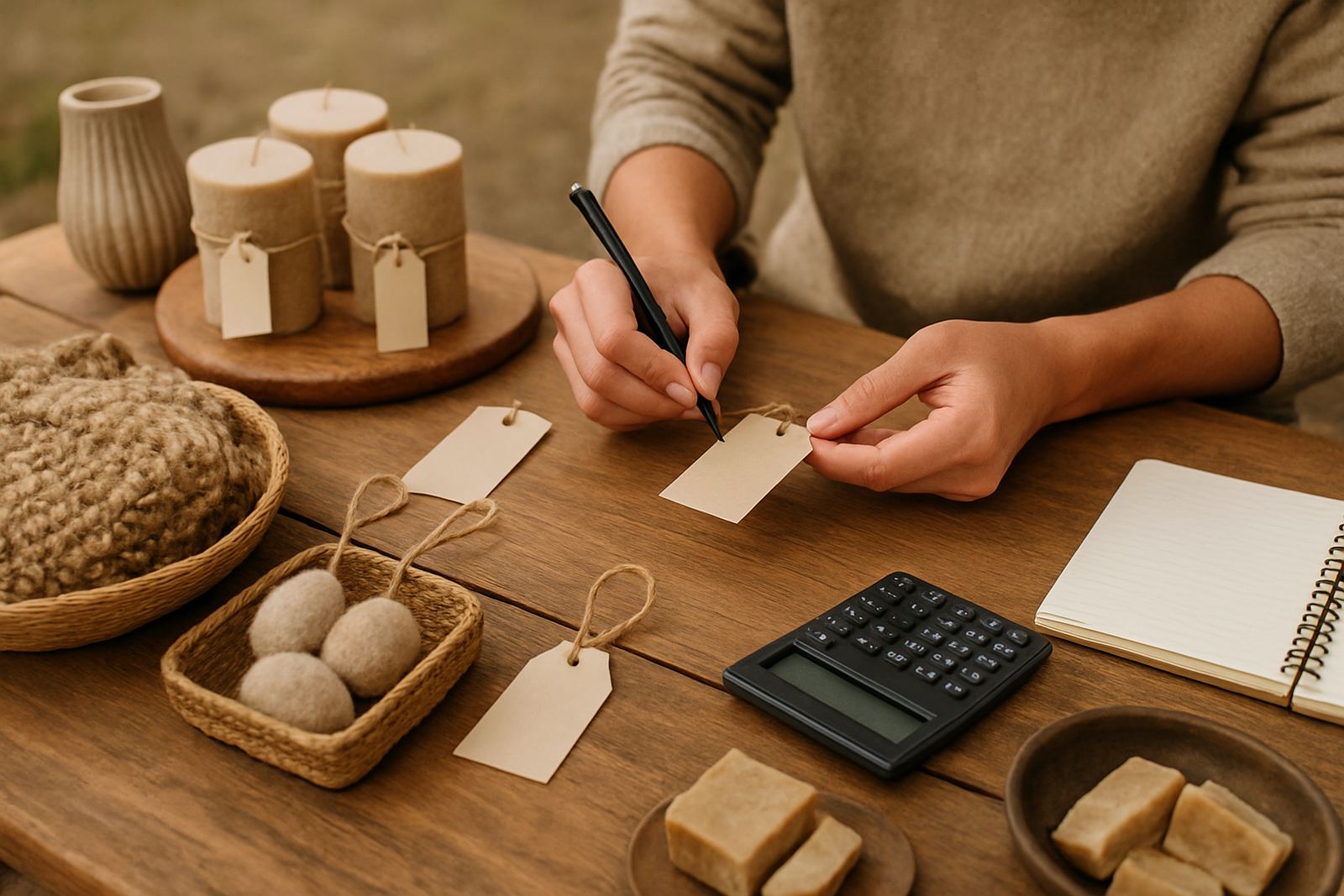
Friendship at market level is not only about chatting over coffee. The strongest maker circles are generous with useful detail. They talk about pricing without trying to undercut each other, they pass on display ideas that suit smaller stalls, and they explain what has worked in real conditions, not just on paper.
For example, a soap maker in Hatfield may learn from a food trader how to keep printed price cards dry in damp weather. A candle maker may pick up a smarter way to group products by scent family. A baker may hear that smaller sample portions move faster than a full slice when foot traffic is heavy. This kind of exchange helps traders refine what they already do well.
- Pricing ranges that make sense for the local area.
- Packaging that travels well and still looks neat.
- Simple signage that customers can read from 2 to 3 metres away.
- Ways to talk about materials, ingredients and making time clearly.
- Ideas for seasonal stock changes before holidays and long weekends.
At its best, a maker network gives people a place to ask honest questions. That can save a trader from expensive mistakes and helps newer businesses feel less isolated.
A Pretoria example from Hatfield to Centurion
Take a Saturday in Hatfield. A trader arrives with handmade bakes, another with woven accessories and a third with small-batch preserves. By mid morning, the preserve maker has noticed that customers keep asking for gift pairings, while the accessory trader has run out of smaller bags. The baker, who brought extra paper wraps, shares a few. Later, the group compares sales notes and realises that bundled gift sets would have done well.
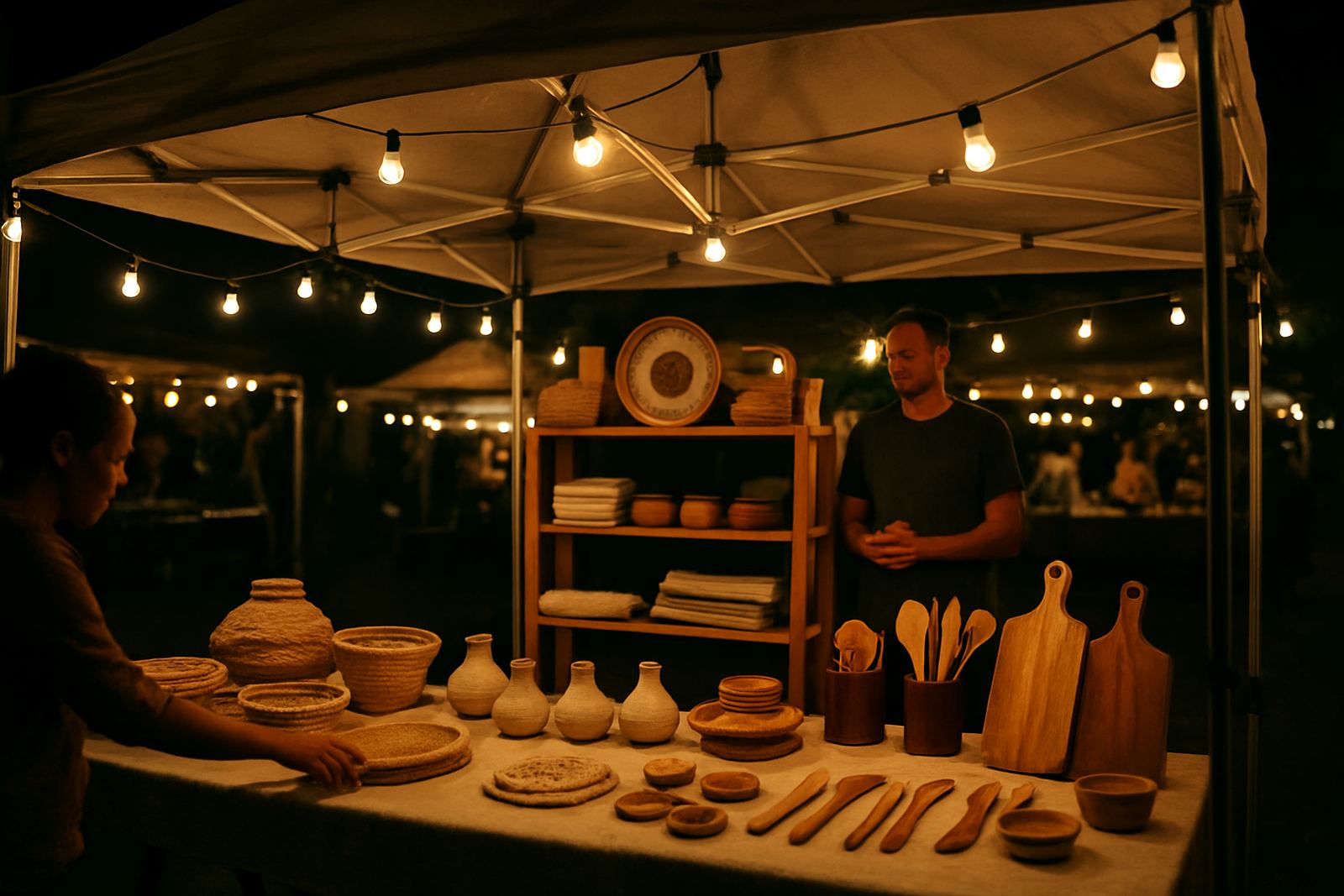
The same conversation can continue at a Centurion market the following month. One trader suggests a better table layout for quicker browsing. Another mentions that families in that area respond well to tasting portions and clear product labelling. A maker who has done a few maker nights nationwide adds that evening events need brighter stall lighting and more compact packaging because people often browse after work.
That is how local knowledge builds. It is not theory. It is feedback from real days, real customers and real weather. And in Pretoria, where markets can be affected by heat, traffic and tight weekend schedules, practical advice from fellow traders is worth plenty.
How to build better trader relationships without forcing it
Good relationships are usually built through small, reliable actions. Turn up on time. Keep your area tidy. Offer help when someone is struggling with a gazebo or a box of stock. If you borrow something, return it the same day. Traders remember those details.
It also helps to be clear about what you need. If you are still learning, say so. Many experienced makers are happy to explain how they price items, what sells in colder months, or how they pack products for transport. The same goes for sharing contacts. If someone asks for a printer, photographer or packaging supplier, give the name and the reason it worked for you.
- Arrive with enough change, clips, bags and cleaning cloths.
- Introduce yourself to neighbouring stalls before customers arrive.
- Ask one useful question instead of ten rushed ones.
- Offer a genuine recommendation when a trader asks for help.
- Follow up after the market if someone gave you useful advice.
Over time, that steady behaviour creates trust. Trust leads to better conversations, and better conversations lead to stronger events.
What Local Makers Market encourages among stallholders
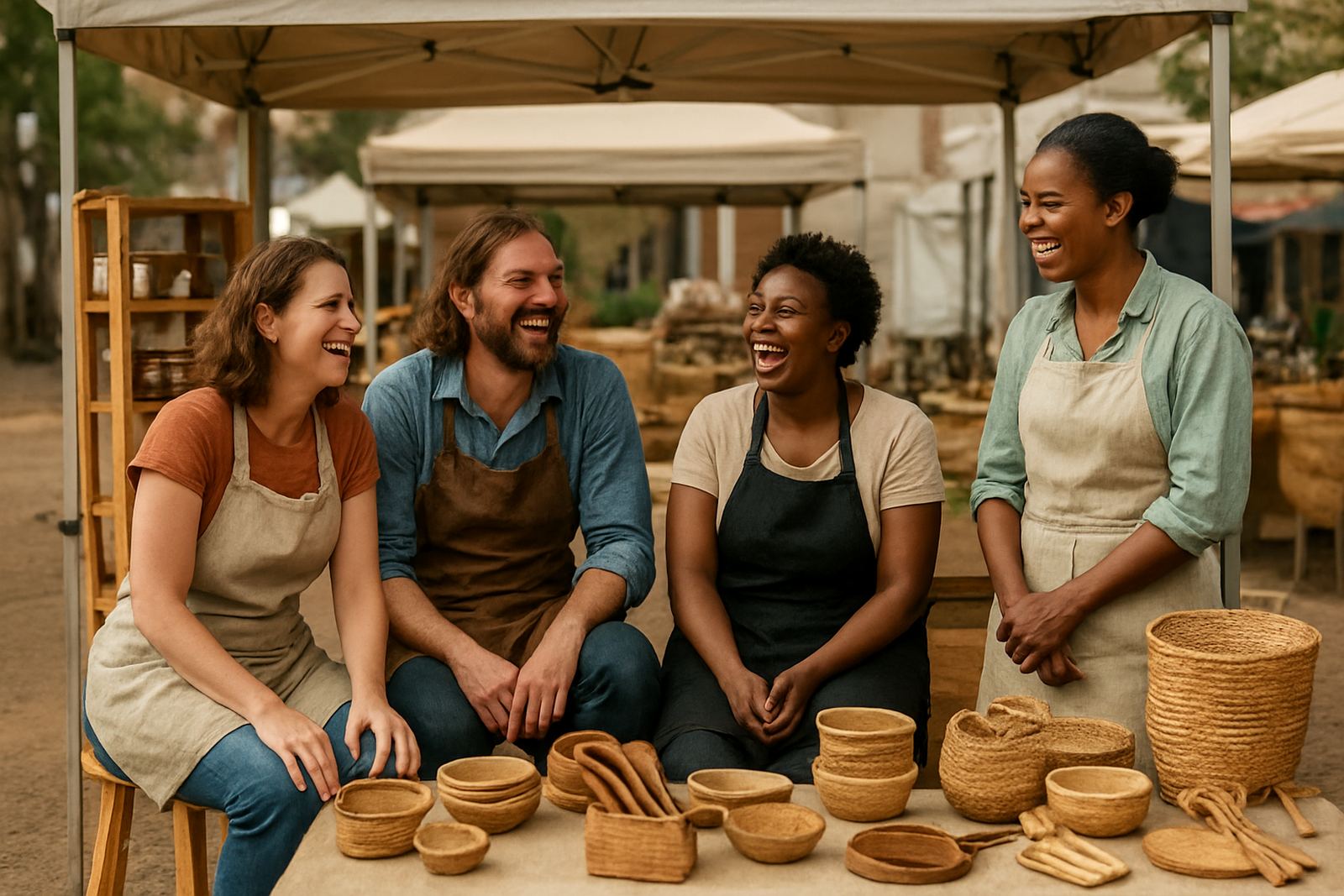
Local Makers Market works best when traders see each other as part of a working community, not just as people sharing a space. The team in Hatfield, led by Thembisa Tshabangu, keeps a practical focus on event flow, maker support and clear communication. That means traders get the kind of setup that allows real interaction, not just sales at arm’s length.
Workshops such as Pricing Products Workshop, Packaging For Sales, Stall Styling Workshop and Customer Conversation Workshop all feed into stronger trader relationships. A maker who understands pricing can speak with confidence about value. A trader who plans better packaging can move stock faster and with less damage. A stall that is easy to browse gives neighbouring traders a better overall day too.
Nationwide, the same principle applies at maker nights and pop-ups. When traders feel informed and respected, they are more likely to share ideas, help newcomers and return for future events. That consistency is good for the makers, good for the customers and good for the market as a whole.
For enquiries about markets, maker nights or workshop support, use our contact form.
The real payoff is stronger events
A maker friendship network is not a side issue. It is part of what makes a market worth attending. People come for the products, but they stay for the atmosphere and the feeling that local businesses are working together. When traders support one another, the event becomes easier to run and more rewarding to trade at.
The payoff shows up in small ways first. Better stall spacing. More accurate pricing. Faster problem solving. More repeat customers because traders talk up one another’s stalls instead of competing for every sale. Then the bigger result follows: events that feel organised, welcoming and worth bringing family and friends to.
For makers in Pretoria and beyond, that is the point. A strong market is not built by one stall alone. It is built by a group of traders who know that friendship can also be good business.