
The hour before the crowd arrives
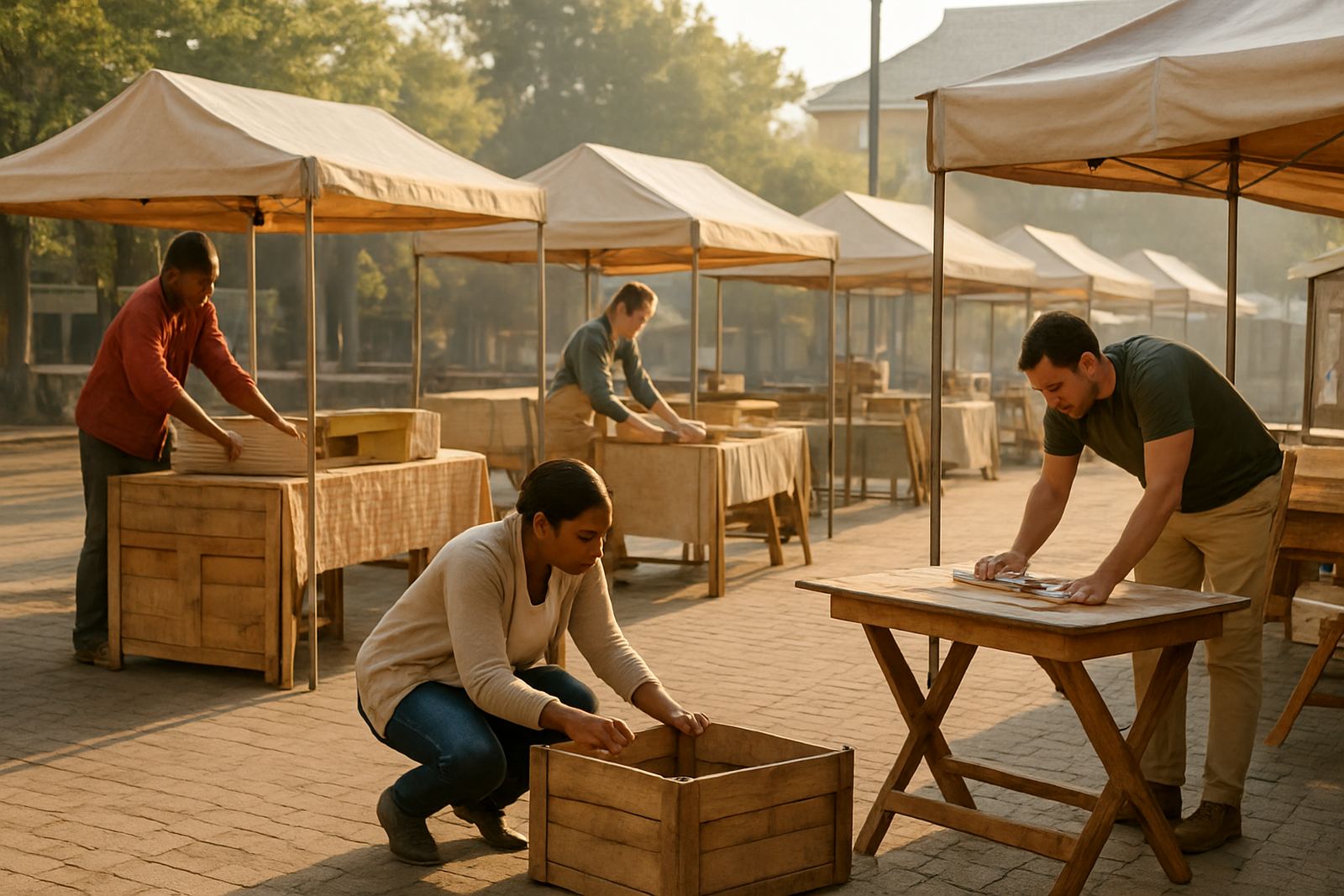
By the time visitors start arriving, the market has already been alive for hours. Trolleys move between stalls, tablecloths get shaken out, paper bags are stacked, and one trader is still counting change while another is wiping down jars of preserves. In Pretoria, where summer heat can rise quickly, that early window matters even more because chilled items, flowers and baked goods need to be handled fast and properly.
A good market morning starts with a simple rule: do the visible jobs first and the risky jobs early. Price tags, food labels, table height, card machines and cash boxes must all be ready before the first customer asks a question. If you are selling in Hatfield, Brooklyn or Menlyn, the pace can pick up fast and there is little time to fix a missing sign once people are already browsing.
What experienced makers check before setting out
Most regular traders have a short checklist that gets refined over time. It is less about being fancy and more about avoiding the usual mistakes that slow sales. A box of spare cable ties, a clean cloth, a marker pen and a roll of tape can save a stall more than any last minute panic.
- Pack products in the order they will be displayed, not the order they were made.
- Bring a printed price list, even if each item is already labelled.
- Keep backup cash in small notes and coins for change.
- Test card machines and phone signal before opening the table.
- Carry water, sunscreen and a charger for long trading days.
For food makers, the list gets stricter. Ice packs, serving utensils, gloves and covered containers should be checked the night before. If you are trading outdoors near the coast or in humid weather, packaging can soften or warp, so the materials you choose need to suit the conditions.
Setting up a stall that works as hard as you do
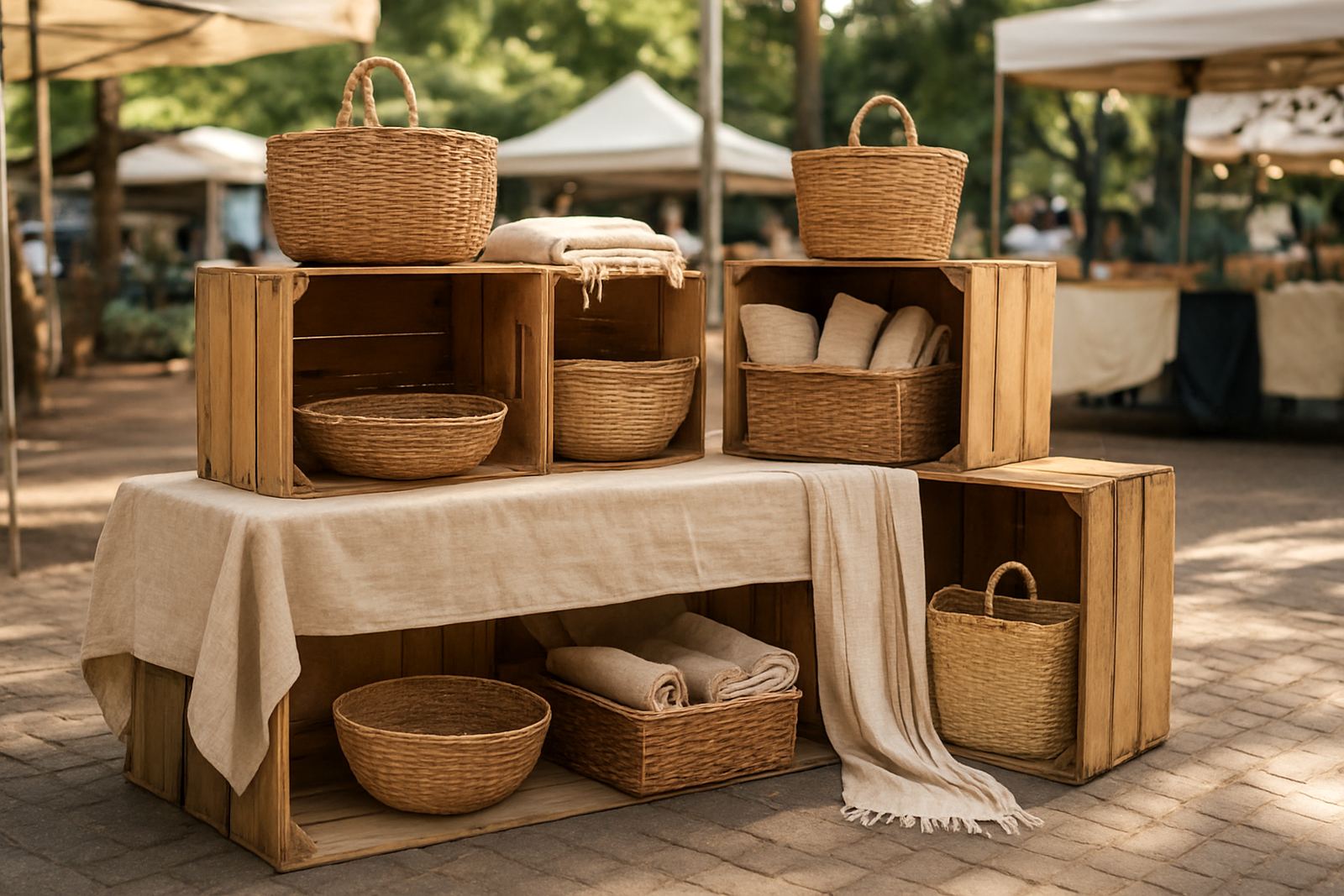
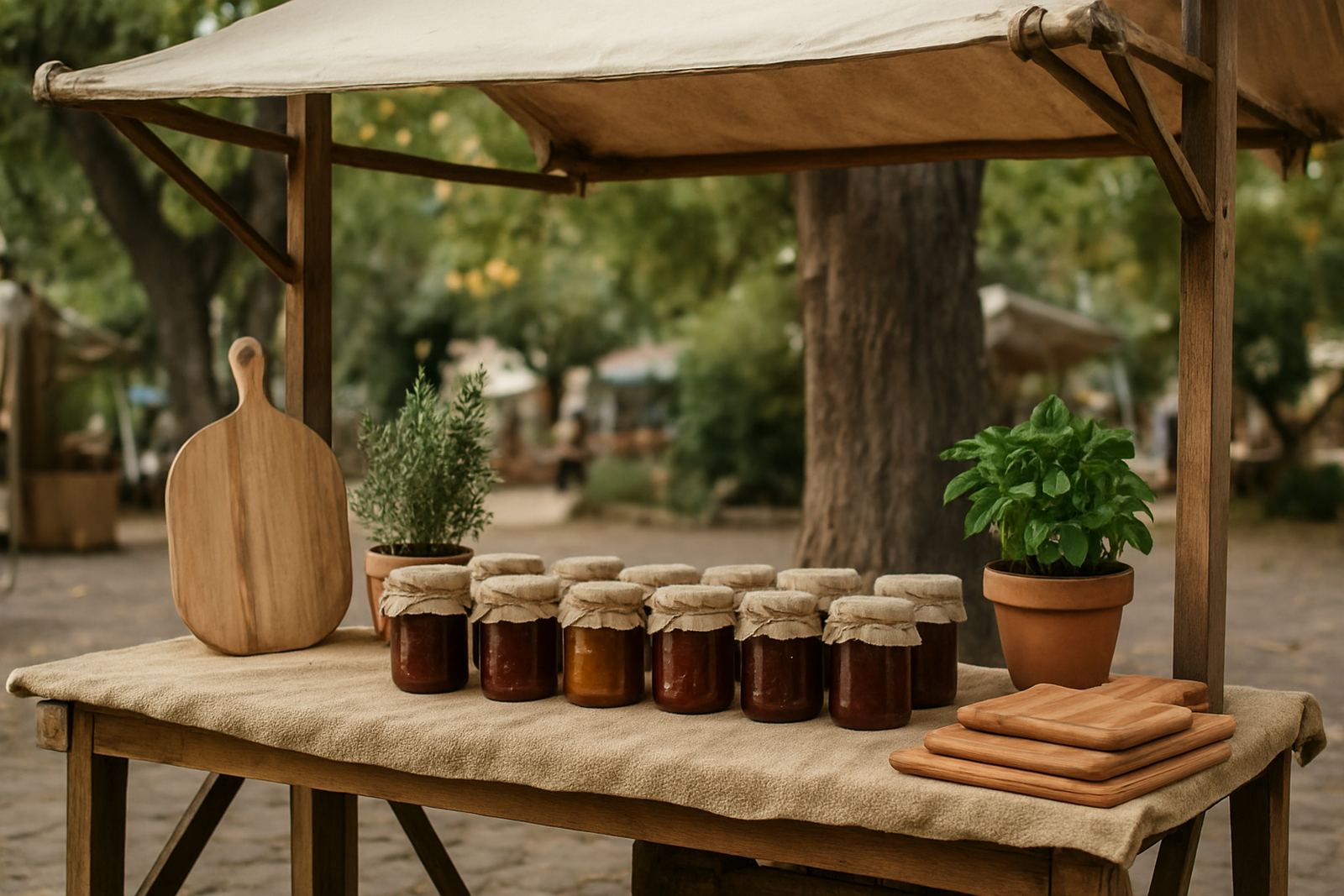
A stall is not only a table, it is a small selling space that needs structure. Customers should be able to see the main products from a few steps away, then understand the prices without having to ask. That means using levels, baskets, crates or risers to lift items into view. It also means leaving enough open space for handling purchases, because a cluttered table makes people hesitate.
At one Hatfield market, a maker of hand-poured candles found that moving the tallest products to the back and grouping the smaller items by scent doubled the time people spent at the table. Nothing else changed. The layout simply made it easier to browse. Small adjustments like that are often the difference between passing interest and a sale.
Stall styling should also match the type of product. Gourmet food needs clean surfaces and good labelling. Craft items need texture, colour and a clear story. Jewellery needs lighting and enough security to feel safe. If your goods are handmade in small batches, customers should be able to see the care without the display becoming crowded or difficult to restock.
Why the first ten minutes matter most
The first ten minutes after opening often set the tone for the rest of the day. If the stall is tidy, the maker looks ready and prices are clear, people stop. If there is confusion at that moment, many shoppers keep walking. That is why market mornings reward calm preparation more than rushed energy.
The best traders know how to greet people without pushing. A simple hello, a short explanation and a question about what the customer likes usually works better than a long sales pitch. At busy events in Centurion or Brooklyn, where families may be moving quickly between stalls, this approach keeps the interaction light and helpful. It also gives the maker time to notice what the customer is actually interested in.
- Open with a clear welcome, not a hard sell.
- Keep one product set aside to show how it is used or packaged.
- Have a short story ready about ingredients, materials or making time.
- Watch which items people pick up first, then place those products front and centre.
Food stalls, freshness and local rules
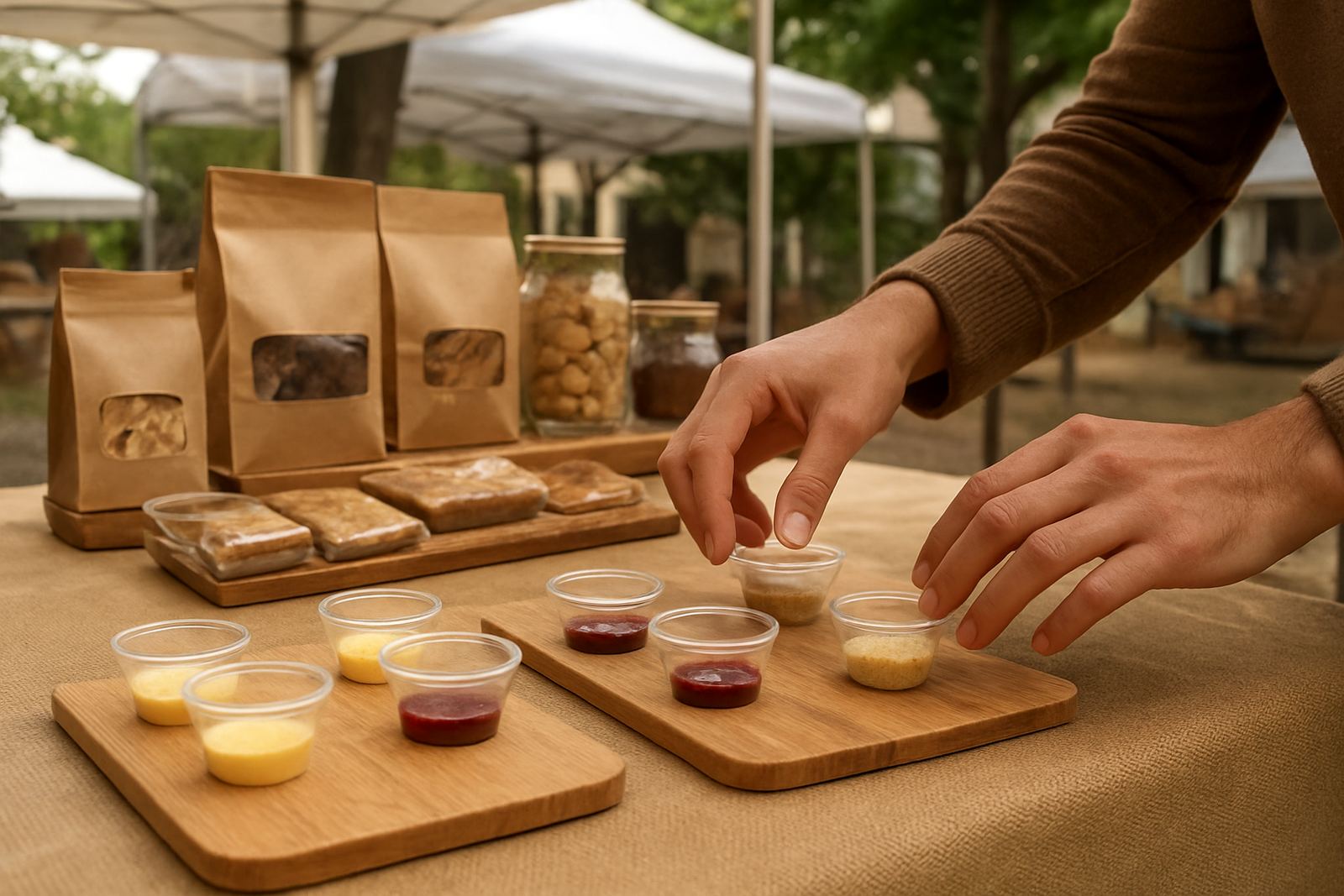
Food traders have extra pressure in the morning because temperature control and hygiene cannot be left to chance. Tables need to be wiped down before use, packaging must keep items protected, and anything perishable should be handled in line with the market's food rules. In Pretoria heat, even a cooler box can struggle if it is left in direct sun for too long.
There is also the practical side of local compliance. Traders often need to know what the venue allows, how waste must be managed and where washing or hand sanitising stations are placed. It may sound minor, but these details shape the whole trading experience. A stall that has a clean workflow feels trustworthy and that matters when people are deciding what to buy for lunch, gifts or the week ahead.
For makers selling sauces, baked goods or ready-to-eat items, clear labels are part of the setup, not an afterthought. Ingredients, expiry dates and storage advice should be easy to read. It saves questions later and helps customers feel comfortable taking the product home.
What a good morning teaches a small business
A market morning is also a live test of how a small business is run. If stock levels are wrong, if packaging is awkward, or if the table layout slows service, the day reveals it immediately. That is useful. It is easier to adjust a display on Saturday morning than to keep repeating the same mistake every weekend.
Many makers use these early hours to compare notes with other traders. One seller learns which bags hold up best in the rain. Another discovers that a handwritten sign gets more attention than a polished one. A third realises that children stop at bright packaging, which changes how they set out the front row. These are the kinds of lessons that do not come from theory, they come from standing behind a stall and watching people move.
For Local Makers Market teams and traders across Hatfield, Lynnwood, Menlyn and nationwide pop-ups, the morning routine is part discipline and part customer care. It is the quiet work that makes the later buzz possible, and it is usually the bit visitors never see.