The first question is usually simple
A custom order often starts when a shopper asks if a product can be changed slightly, made in a different colour, or packed as a gift set. At a weekend market in Hatfield or Brooklyn that question might come up while someone is holding a sample, tasting a preserve, or comparing sizes for a home purchase. The maker does not need a long pitch. They need to listen carefully and note the exact request.
For many small businesses, that first conversation is the best sort of lead because the customer has already seen the work, touched the materials, and checked the quality in person. It is easier to agree on a made-to-order item when the buyer can see the finish, the stitching, the glaze or the taste. It also helps when the maker can explain what is practical for a small batch run, and what would take too long or cost too much.
What should be captured before the order is accepted
Once the customer shows serious interest, the maker should gather a few clear details before giving a price. A quick note on a phone can save a lot of back-and-forth later. The aim is not to create admin for its own sake, it is to avoid confusion when the order is ready.
- What exactly is being ordered, including size, colour, flavour or quantity.
- When the item is needed and whether the date is fixed.
- Any personalisation, such as a name, message or special packaging.
- Where it will be collected from, or if delivery is needed.
- Whether the customer wants one piece, a small batch, or repeat supply.
This is also the point where a maker can flag what is possible and what is not. If a customer wants a food item for a function in 48 hours, the answer has to take shelf life and prep time into account. If a made item needs a specific fitting or material, say so early. Clear limits are part of good service, not a rejection.
Why pricing must be explained in plain language
Custom work goes smoothly when the customer understands what they are paying for. A market price is one thing, but a bespoke order includes labour, materials, packaging and the extra time needed to set aside stock or make a new version. For a maker in Pretoria, this can be the difference between a healthy margin and working for nothing.
The easiest way to explain pricing is to break it into a few parts. You do not need a formal quote every time, but you do need a clear figure and a short reason for it. For example, a hand-poured candle in a custom scent may cost more because the maker must buy extra fragrance, test the burn time, and label the batch separately. A tray of biscuits for a maker night gift order may cost more because of gift boxes, ribbon and sealing for freshness.
Customers usually accept the price when the logic is simple. They are less likely to argue when they can see the material cost and the time involved. A small deposit is sensible for larger orders, especially where ingredients, fabric or printed components must be bought upfront.
A Hatfield market example that shows the process
At a Saturday market in Hatfield, a shopper might stop at a stall selling ceramic mugs and ask for six pieces in school colours for an end-of-term teacher gift. The maker checks the stock, explains which colours are available, and says a full custom glaze would take longer than the weekend allows. The buyer is happy to choose from the nearest available option because the gift date is fixed. That is a good custom order: specific enough to feel personal, but realistic enough for the maker to deliver on time.
The same approach works for food stalls, prints, leather goods and sewn items. A spice seller may offer a labelled hamper for a corporate thank-you. A fabric maker may take orders for tote bags with a short name printed on the front. A baker may put together mini boxes for a family celebration. In each case, the first conversation makes the order feel easy, but the maker still needs to confirm the details before saying yes.
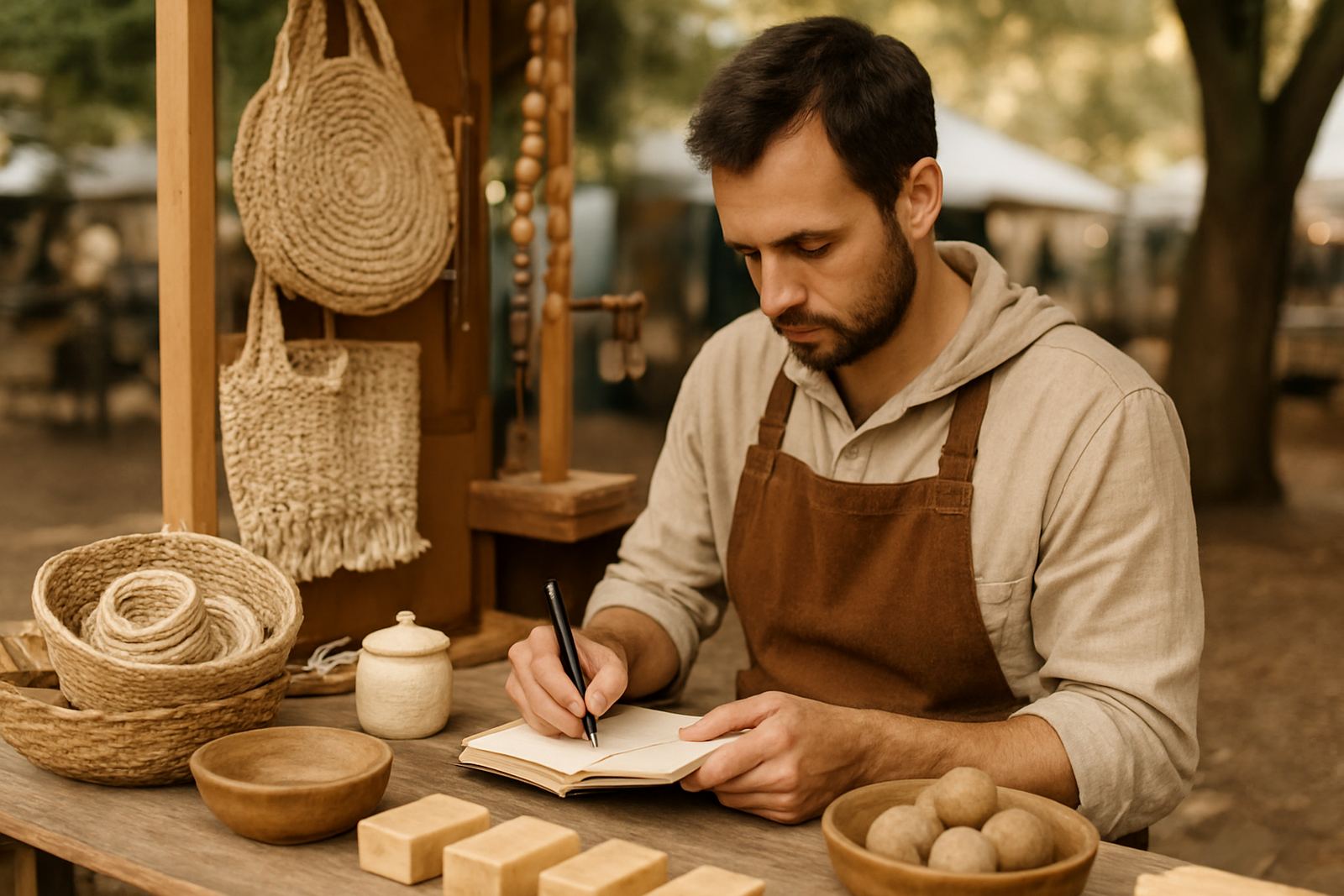
One practical habit helps here: write the agreed request down while the customer is still at the table. That record should include the amount paid, the collection date and any special instructions. It sounds small, but it stops mix-ups when the market gets busy and the queue is moving fast.
How makers protect their time and cash flow
Custom orders can grow quickly at weekend markets, but not every request should become a job. Makers need a simple way to decide which orders fit their schedule. If the request needs materials they do not keep on hand, or if it would take them away from regular market stock for too long, the safer answer may be to offer a shorter run or a different version.
- Take deposits for larger or made-to-order items.
- Set a minimum order value for time-heavy personalisation.
- Keep a clear lead time for each product type.
- Use written confirmation, even if it is only a short message.
- Separate ready stock from items already promised to customers.
This discipline matters even more during public holidays and busy seasonal periods. If a baker knows a key baking slot may be lost at the wrong time, they can avoid overcommitting. If a crafter is packing for a pop-up in Centurion after a full Hatfield weekend, they need to know exactly which items are already sold. Good records protect both the customer and the business.
Turning one order into repeat work
A custom order is often the start of a longer relationship. If the customer gets a well-made item, delivered as promised, they are far more likely to come back for a birthday gift, a corporate function, or a seasonal run. That is why the handover matters. Packaging should be neat, names should be spelled correctly, and the product should be easy to carry out of the market or collect later without damage. Packaging is often overlookd until a mug chips or a food box leaks in the car.
After collection, a short follow-up can be useful. A maker may ask if the order met expectations or if the customer would like a larger batch next time. For small businesses, that feedback helps refine pricing, turnaround time and product choices. It also builds trust, which is valuable when the next order might come through a maker night in Menlyn, a pop-up in Lynnwood, or a referral from a friend in Centurion.
In the end, custom orders do not begin with a contract. They begin with a question, a sample on a table, and a maker who knows how to turn a quick conversation into a clear plan.