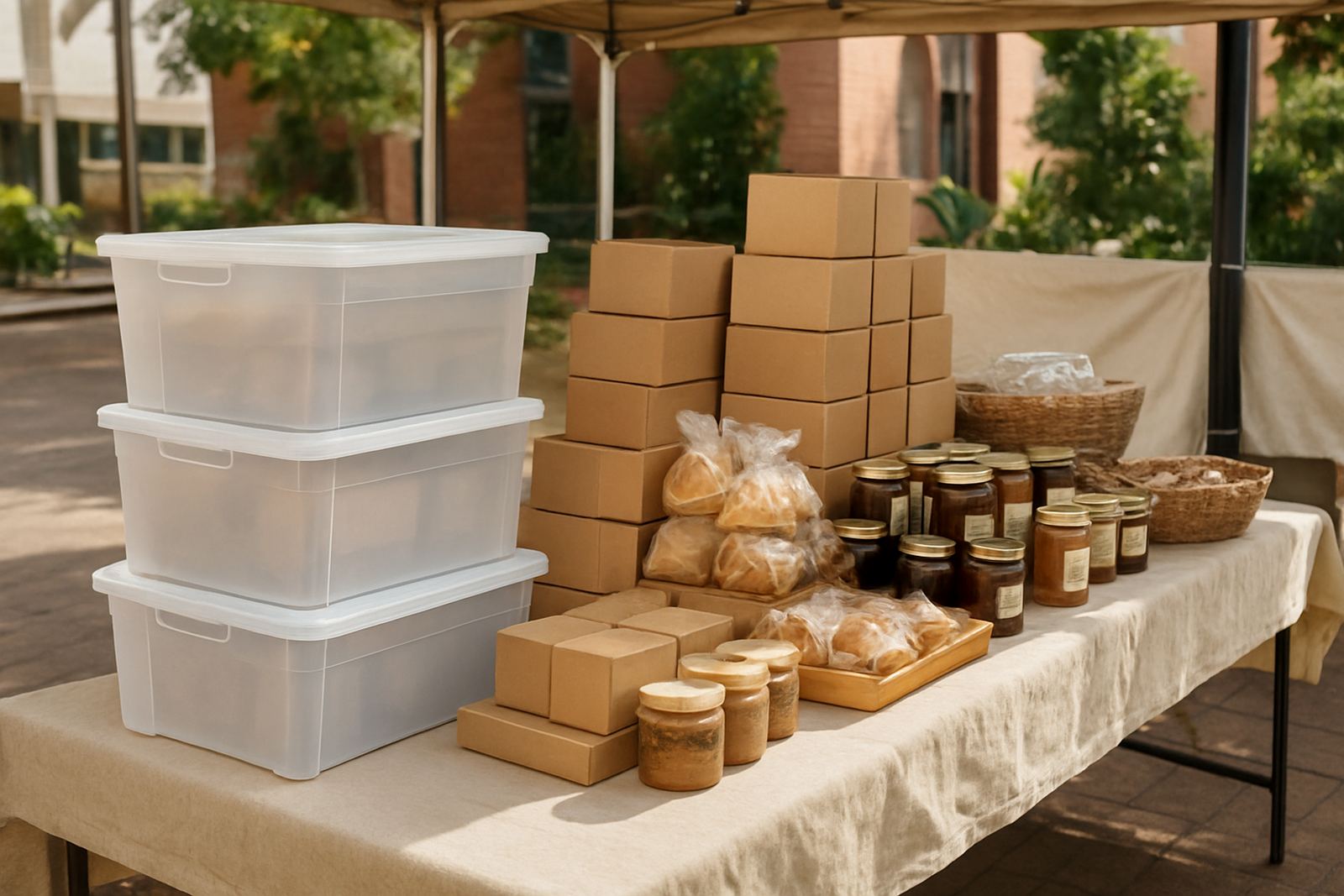
Arrive With More Time Than You Think
Most first-time makers underestimate how long set-up takes. A table, two chairs and a neat display can still take a full hour once you add parking, trolley runs, unpacking, price labels and last minute changes. In Hatfield, where weekend traffic can get busy and parking fills up quickly, a calm start makes a real difference.
Leave home with enough time for one unexpected delay, whether that is a missing box of packaging or a queue at the gate. If your market starts at 8am, plan as if you need to be ready by 7am. That gives you space to breathe, fix problems and still greet early shoppers properly.
- Pack the vehicle the night before, not on the morning.
- Put your most important items near the door so they come out first.
- Carry a small toolkit with tape, scissors, cable ties and a cloth.
- Bring a backup table cover in case the first one gets dusty or wet.
Shoppers Buy Better When They Can Understand Your Range
At a busy weekend market, people often decide in seconds whether they can read your stall. Clear prices, simple groupings and short product names help them choose without having to ask every question. Handmade soap, preserves, ceramics and gifts each need a different layout, but the rule stays the same: make it easy to compare.
Do not hide your best sellers at the back. Put the items you want to move at eye level and keep smaller pieces in trays or baskets where they can be handled safely. If you sell food, make sure samples are covered and labels are clean. If you sell craft items, show the size next to the product so buyers do not have to guess.
- Use prices that can be read from standing height.
- Group similar items by colour, scent, size or use.
- Keep one sample piece out and the rest packed neatly.
- Add a short sign that explains what makes the product different.
Your First Conversation Matters More Than Your Pitch
Many makers think they must talk constantly to sell. In truth, the best market conversations are usually short, friendly and useful. People want to know who made the item, how it should be used and what makes it worth the price. A relaxed greeting often does more than a long speech.
Keep a few simple answers ready. Where was it made? How long does it last? Is it safe for kids, pets or food use? Can it be customised? These questions come up again and again, and answering them clearly builds trust fast. In our experience, shoppers remember the maker who listened, not the one who spoke the longest.
- Start with a warm hello, then wait for the shopper to look interested.
- Answer in plain language, not product jargon.
- Offer one recommendation instead of too many choices.
- Thank people even if they walk away without buying.
Cash, Card and Change Should Never Slow You Down
One of the biggest first day shocks is how many payment questions come through before lunch. Some buyers want card, some still prefer cash, and many will ask whether you can take instant transfers. If payments take too long, the queue at your stall starts to feel awkward and you can lose a sale.
Keep small change in a marked container and count it before you leave. Test your signal, battery levels and charging cables before the event starts, especially at outdoor venues where poor coverage can interrupt devices. If you trade in more remote areas or at evening maker nights, a backup power bank is worth having. A little preparation here saves a lot of stress later.
- Carry coins and small notes for change.
- Have one person responsible for payments if possible.
- Keep a handwritten price list as backup.
- Check your device battery before the first customer arrives.
Weather, Dust and Heat Can Change the Day
South African market weather is never just background. A windy morning in Pretoria can move light signage, blow napkins around and dry out baked goods faster than expected. On a hot day, chocolates soften, flowers wilt and people drink more water, which affects how long they stay at a stall. Coastal humidity brings its own issues too, from sticky labels to packaging that curls.
Bring pegs, weights, a water bottle and packaging that can handle heat and handling. If you sell food, use proper covers and follow municipal rules for storage and display. If you sell handcrafted items, protect them from sun damage because faded colours can look older than they are. A first market is often less about selling everything and more about learning what your stock does in real conditions.
- Use weights for signage and light products.
- Keep a cloth or towel for sudden spills.
- Store extras in sealed tubs under the table.
- Choose packaging that will survive heat, dust and rain.
What a Strong First Day Looks Like in Hatfield
A maker in Hatfield might sell hand-poured candles, small soaps and gift sets at a weekend market near the university side of town. The first surprise is usually not the number of sales, but the mix of buyers. One person wants a birthday gift, another wants refill sizes, and a third asks for bulk orders for a small office. That mix is valuable because it shows what to prepare for next time.
By the end of the day, the maker may realise that the best-selling item was not the most complicated one. It was the product with the clearest label and the easiest price point. That is normal. Your first stall teaches you what people notice, what they ignore and what they ask for when they are standing right in front of your table. Save those notes while the day is still fresh.
- Write down which items sold first and which sat untouched.
- Note the questions buyers asked most often.
- Record weather, foot traffic and busy times.
- List one thing to change before the next market.