People want something with a person behind it
At a weekend market in Hatfield, a shopper is often deciding between a mass-made item and something that has been mixed, stitched, baked or assembled by hand by someone who lives and works nearby. That choice is not only about price. It is about trust, story, and the feeling that money is going to a real South African business rather than disappearing into a distant supply chain.
Handmade goods answer a simple need: people like knowing who made what they are buying. A ceramic mug with a small thumb mark, a jar of preserve with a handwritten label, or a leather key holder cut in a small workshop all feel more personal because they carry the maker’s time. That matters to shoppers who want gifts with meaning, or everyday items that do more than just fill a shelf.
Quality shows up in the small details
Many shoppers are willing to pay a little more when they can see care in the finish. They notice tighter stitching, better packaging, stronger jars, balanced seasoning and the way a product holds up after a few uses. In South Africa, where people compare every rand, quality has to be clear. Buyers often ask themselves whether an item will last through regular use, transport, heat, or the kind of loading and unpacking that comes with market shopping.
That is why handmade goods often do well when makers explain their process. If a body butter is made in small batches, or a chutney is cooked in a limited run, shoppers understand why the texture or flavour may be slightly different from the last batch. They see that as character, not inconsistency, provided the maker is honest about it.
- Handmade goods often use better ingredients or materials in smaller quantities.
- Buyers can inspect the item before paying, which builds confidence.
- Small differences between batches can feel authentic rather than industrial.
- When something breaks or needs adjustment, the maker is often reachable.
The story behind the table helps the sale
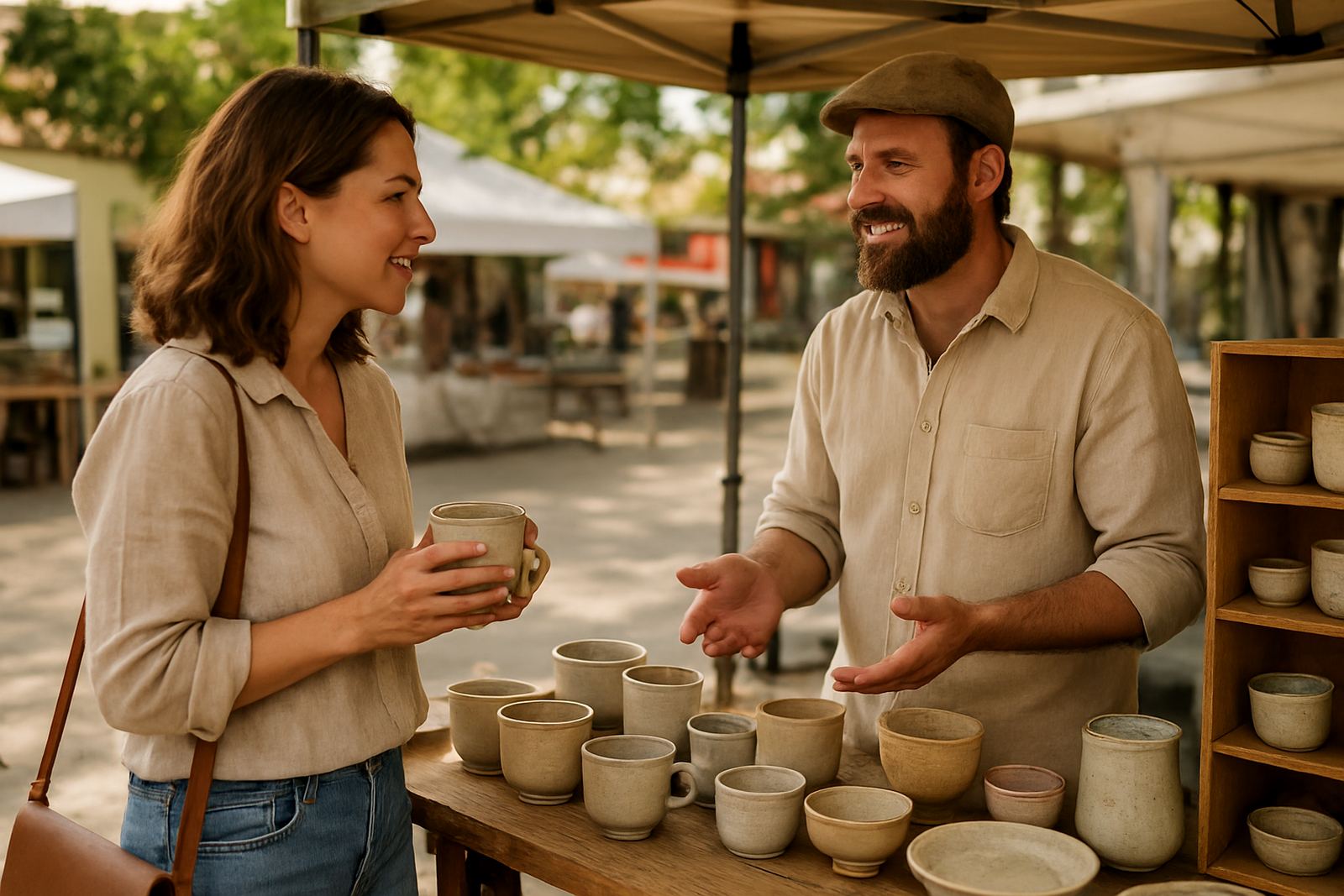
A good maker story does not need to be dramatic. It just needs to be clear. A shopper wants to know where the idea came from, why the maker started, and what makes the product useful in daily life. At a Hatfield market, for example, a young family may stop at a stall because the maker explains that the snack mix was developed for school lunchboxes, or that a tote bag was designed to fit groceries and a laptop without looking bulky.
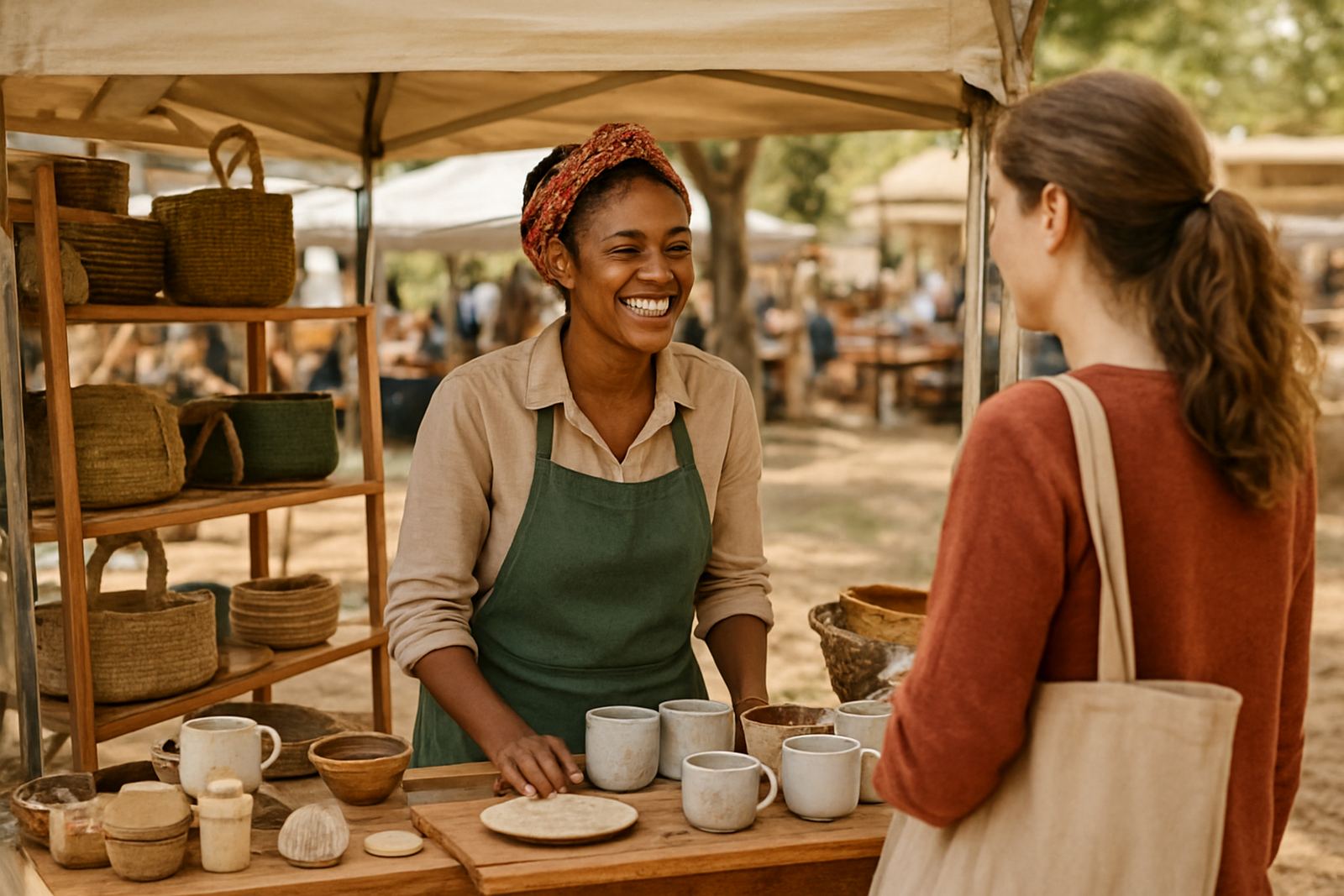
Those stories work because they are practical. They help the customer picture the product in use. They also make the buying experience feel less anonymous, which is important at a time when many people want their purchases to reflect local values. A customer who speaks to the maker, gets a short answer and sees the item up close is more likely to return next weekend.
For makers, the lesson is simple: do not hide the process. Tell shoppers what problem the product solves, what materials were used, and why the item costs what it does. Clear information often closes a sale faster than a long sales pitch.
Markets make handmade feel safer to buy
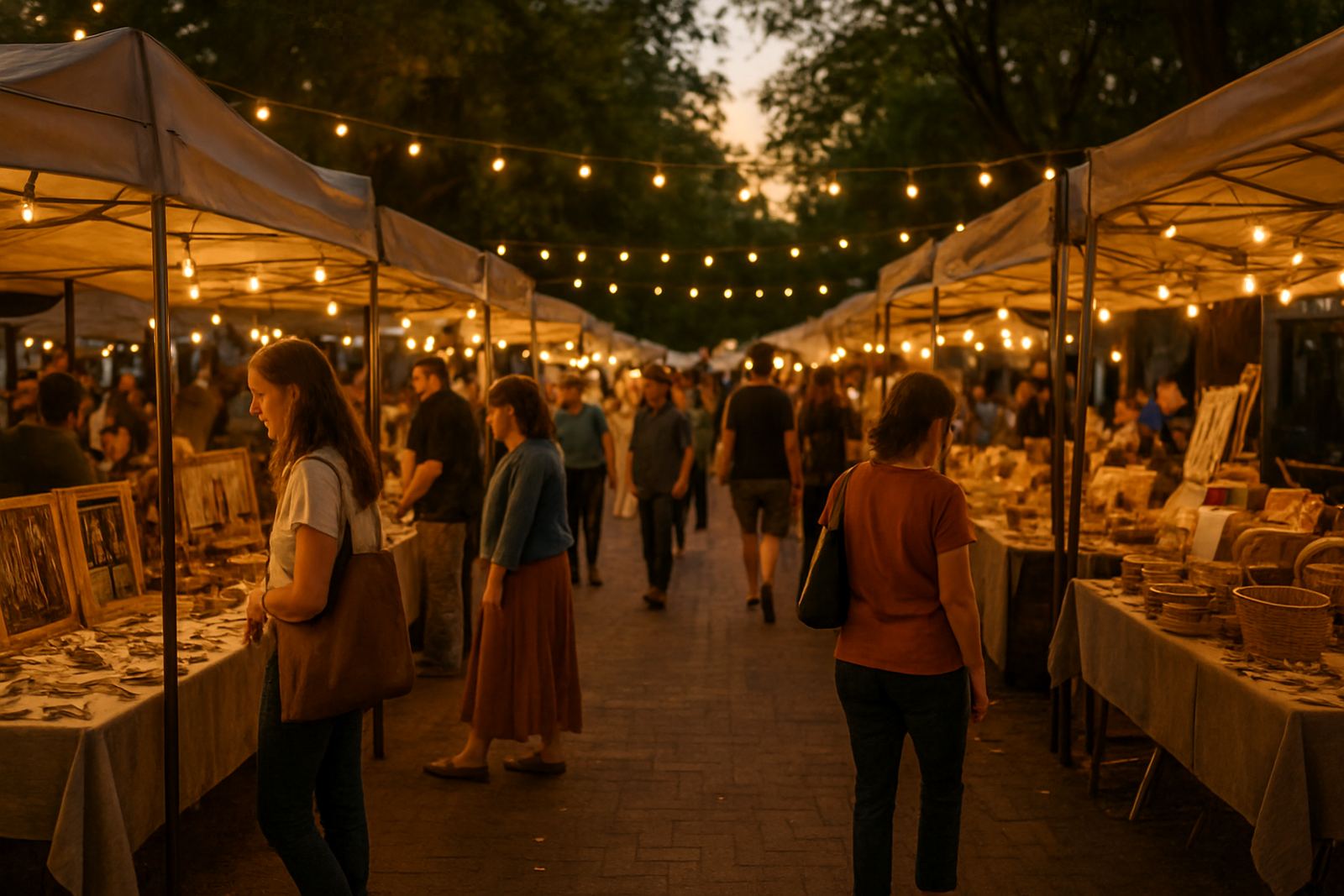
Weekend markets and maker nights give shoppers something online shopping cannot: the chance to compare items in person. They can smell the soap, test the zipper, check the finish on a wooden tray, or ask whether a sauce is mild enough for children. That is especially useful in Pretoria, where families often turn a market outing into a full Saturday plan with breakfast, a walk through the stalls, and a few careful purchases.
For buyers, the market setting also reduces risk. If a product is fragile, fresh or made in a small batch, the customer can ask how it should be stored, what to avoid, and how long it will keep. In coastal humidity or summer heat, that matters more than people think. A maker who explains care instructions well usually builds repeat business faster than someone who leaves buyers to guess.
- Ask how the product should be stored in hot or humid weather.
- Check whether the maker offers care notes or refill options.
- Look for clear pricing, especially on food, candles and gift packs.
- Choose stalls where the maker can answer questions without rushing.
Shoppers buy value, not only sentiment
It is a mistake to think handmade buyers are buying only because something is pretty or heartfelt. Many are making a value decision. They want goods that last, food that tastes good, and gifts that do not look like everyone else’s. In a tight economy, value matters more than ever. A customer may buy one excellent candle instead of three average ones, or a single hand-poured sauce that can work with chicken, vegetables and sandwiches.
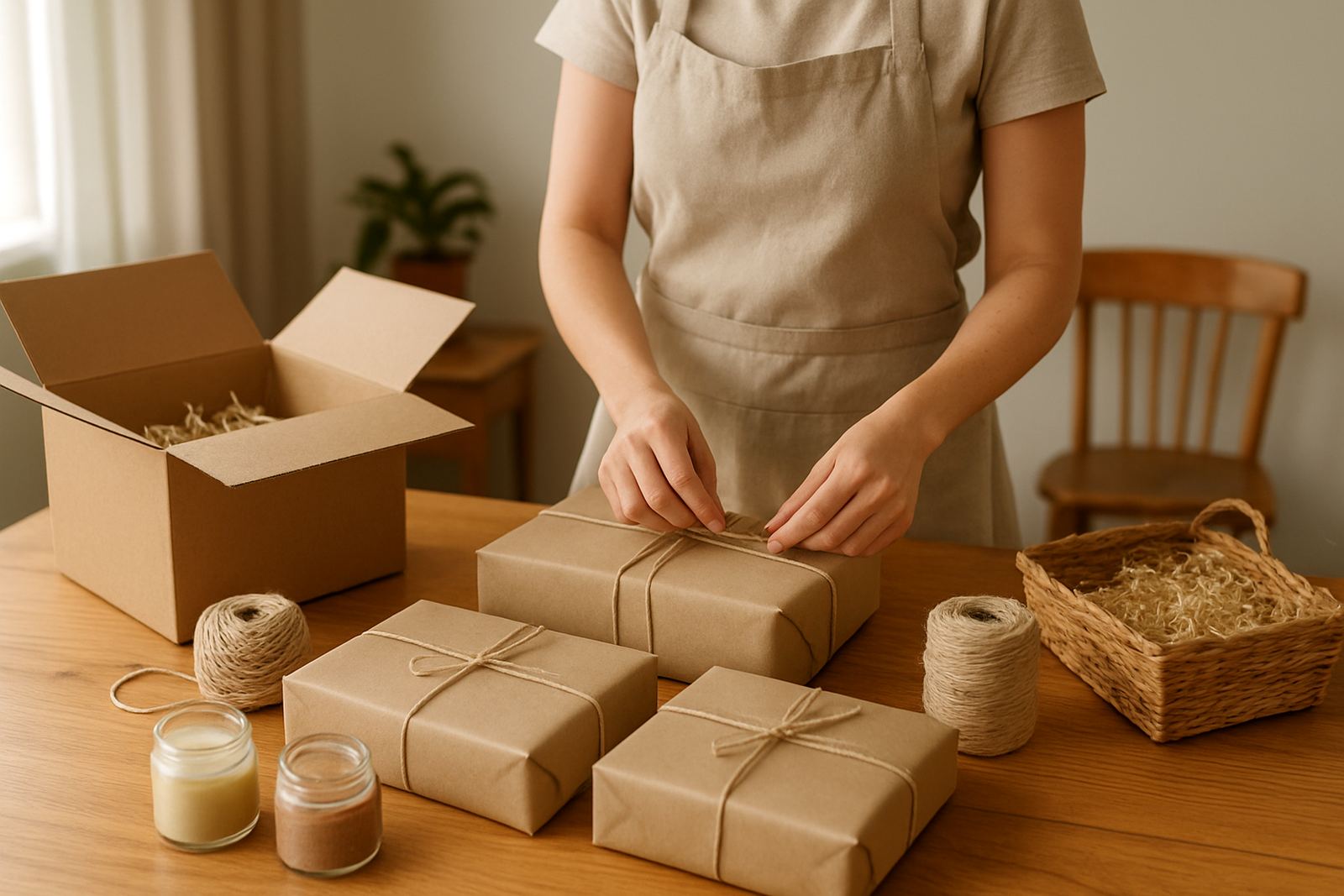
This is where good presentation helps. A maker who packages neatly, explains portion sizes and offers fair pricing makes it easier for the shopper to justify the spend. Even a small typo on a label can put people off, so the details count. If the product looks cared for, the buyer assumes the business is cared for too.
There is also the social value. People like supporting a neighbour, a student, a parent running a small food business, or someone building a side income after hours. That feeling of backing local effort is often part of the decision, and it is one reason handmade goods continue to draw steady traffic at South African markets.
What makers should remember when selling at market level
People buy handmade when they understand the benefit quickly. That means makers need clear pricing, simple wording and a stall that is easy to browse. At Local Makers Market events, the sellers who do best are usually the ones who can explain their work in one or two sentences, keep products tidy, and let the item speak for itself. A cluttered table can hide good work, so good display is part of the sale.
It also helps to think about the different reasons people stop. Some want a gift. Some want a treat after a long week. Some are comparing stall by stall before making a decision. If the maker is prepared with tasting notes, care instructions, payment options and stock in the right pack sizes, the customer experience becomes much easier and the chance of a repeat sale improves.
That is why handmade continues to hold its place. It is practical, personal and local all at once. And in a city like Pretoria, with weekend markets in Hatfield, Brooklyn, Lynnwood, Menlyn and Centurion, plus maker nights around the country, shoppers have plenty of ways to find something made with care rather than churned out in bulk.