
Start With Fewer Lines, Not More Products
The first mistake many home makers make is bringing too much variety to a first market. A stall that has 30 different items often looks busy, but it also confuses buyers and leaves you with slow-moving stock. Start with a tight range of 8 to 12 products that can be explained quickly, priced clearly, and restocked without stress.
For example, a soap maker in Hatfield might begin with three bar scents, two gift sets, and one travel pack rather than a long list of one-off experiments. That makes production simpler and helps you see what actually sells between 8am and 2pm on a Saturday. The same idea works for ceramics, bakes, candles, jewellery and printed goods.
- Choose products you can make consistently in batches of 10 to 20.
- Keep one clear entry price item under R50 if possible.
- Add one higher-value item to lift your average sale.
- Test each item for breakage, shelf life, and transport before market day.
Price For Real Costs, Not Just Materials
If you are selling at markets in Pretoria, Centurion or Menlyn, your price must cover more than raw ingredients or material. You need to include labour, packaging, spoilage, market fees, transport and the odd replacement for damaged stock. If you ignore those costs, you can sell a lot and still take home very little.
A simple way to begin is to work out the cost per unit, then multiply by three for retail, and adjust if the item is time-heavy or premium. A handmade granola jar costing R18 in ingredients may need to retail at R55 or R60 once you add the jar, label, labour and stall overheads. That does not make you expensive, it makes you viable.
Use round prices where possible because customers at a weekend market prefer quick decisions. R40, R60 and R120 are easier to sell than odd figures that force too much mental maths. Keep a small note pad of your costs or use a spreadsheet so you can update prices when ingredient costs rise.
- Record material cost per item.
- Include packaging, labels and bags.
- Add a labour value, even if you are the maker.
- Factor in transport, fuel and stall fees.
Packaging Must Survive Heat, Dust And Handling
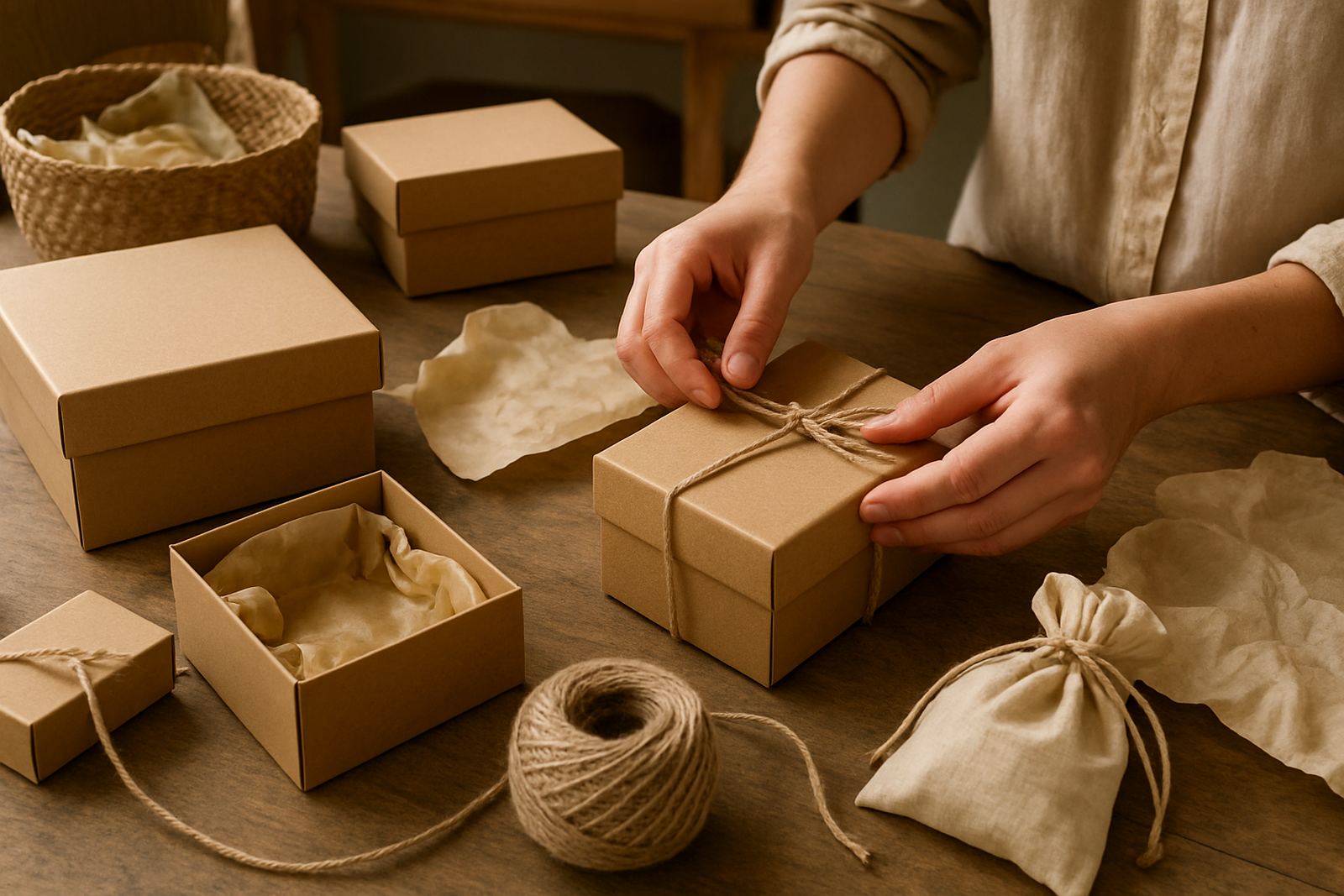
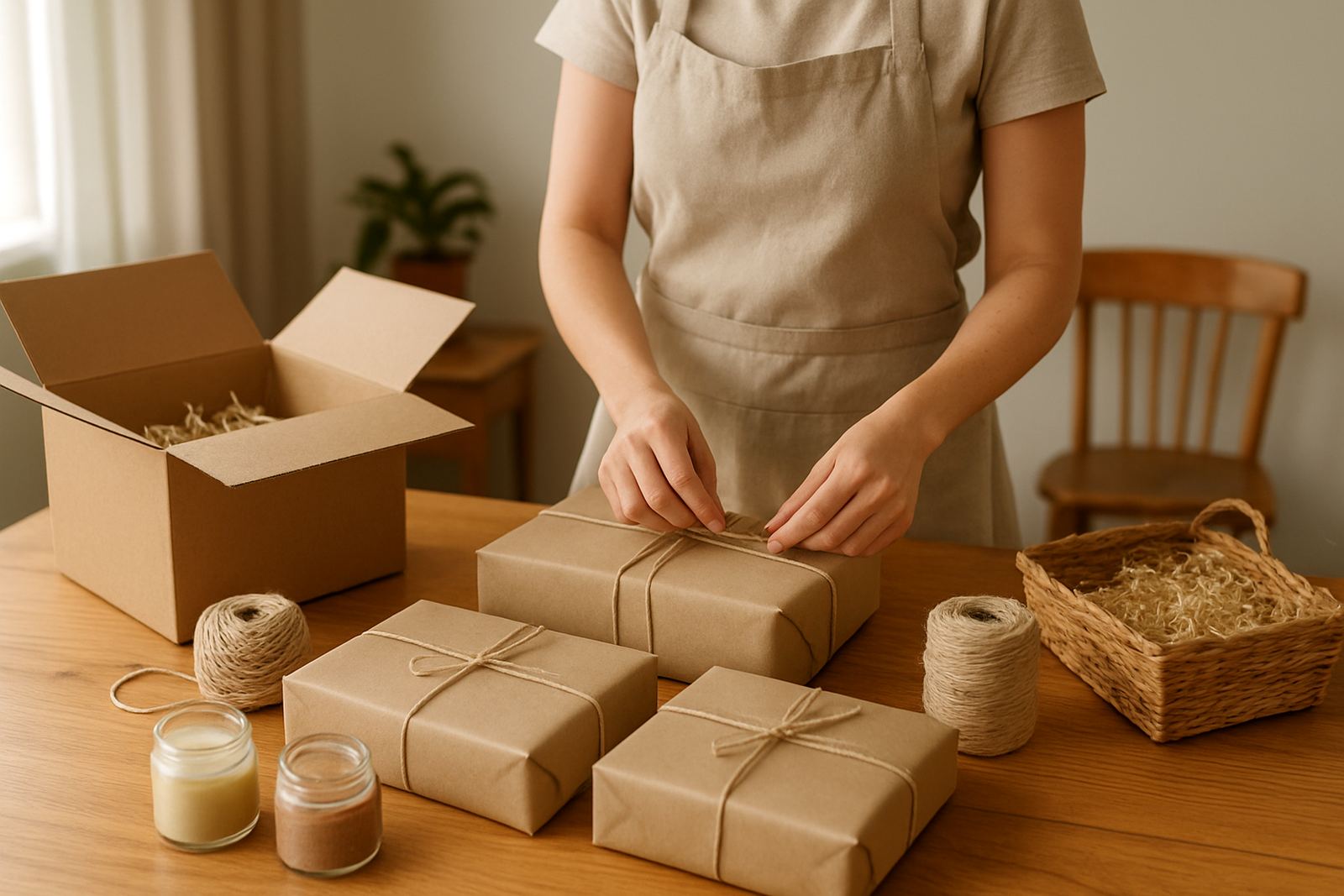
Packaging is not only about looking neat. At a weekend market in Pretoria, goods can sit in morning sun, get handled by many shoppers, and travel home in a car boot during weekend traffic. Your packaging should protect the product, keep it clean, and make it easy to carry.
For food stalls, check that lids seal properly and that labels show ingredients, best-before dates and basic storage instructions. For non-food products, use wraps, boxes or sleeves that stop scuffs, breakage and moisture. In coastal areas like Durban or Gqeberha, humidity can warp paper stock and soften labels, so test your packaging in the conditions where you sell. If a label peels or a biscuit packet fogs up, fix it before the next market.
Good packaging also helps at the till. When customers can see what they are buying and understand the use in a few seconds, they are more likely to spend. Keep spare bags, tape, tissue and a marker in your market kit because something always needs a quick repack. It happens more often than people expect, especially on busy maker nights.
Set Up A Stall That Tells Buyers What To Do Next
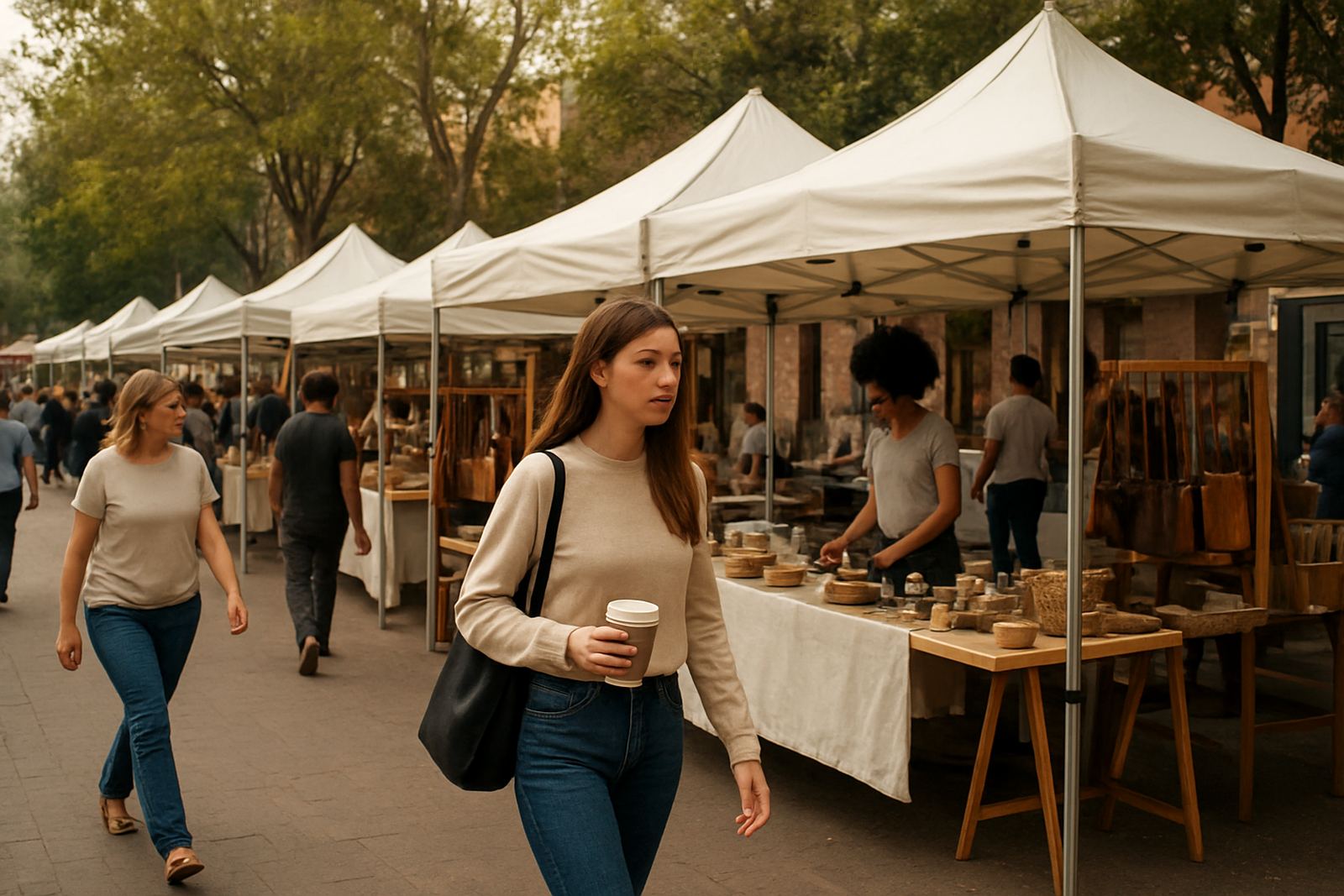
Your stall must do three things at once: show the product, explain the price, and guide the buyer to the next step. At Local Makers Market events in Hatfield, Brooklyn, Lynnwood, Menlyn and Centurion, the best stalls are the ones where people do not have to ask three questions before making a choice.
Use height, grouping and clear signs. Put your bestsellers at eye level and keep related items together. If you sell sauces, put tasting samples beside small jars and larger refill options. If you make jewellery, show one full set together so the customer can picture a gift purchase. A neat table with clear spacing looks calmer than a crowded one, and calm sells better than clutter.
- Use one price card per group, not one tiny label per item.
- Keep cash, card reader and packaging within reach.
- Display a sign with your name and what you make.
- Leave space for customers to set down bags or cups while browsing.
Prepare For The Questions You Will Hear Every Weekend
Customers at maker markets ask practical questions. How long does it last? Is it safe for children? Can it be posted? Does it need refrigeration? The makers who sell well are usually the ones who answer without hesitation. That means knowing your product inside out and practising how to speak about it in plain language.
Take one workshop or do your own rehearsal before the first market. Stand in front of a mirror or ask a friend to act as a customer. Practice a 15 second explanation for each product. For example: “These biscuits are baked in small batches, sealed the same day and stay fresh for two weeks.” Short answers make buying easier and avoid awkward pauses.
It helps to prepare for different kinds of customers too. Parents want safe, useful items. Gift buyers want something that feels special. Food shoppers want ingredients and storage details. If you can answer clearly, you build trust, and trust turns a first visit into a repeat visit.
Use The First Market As A Production Test
Your first market is not only a sales day, it is a test of how your home production behaves in public. Watch which items sell out first, which ones customers ask about, and which products come back home with you. That information is more valuable than guesswork.
After the event, write down what happened while it is still fresh. Which size was most popular? Did you run out of bags? Was the table tall enough? Did the labels survive heat and handling? Small notes after each market help you refine your range for the next weekend, whether you are trading in Hatfield or joining a pop-up in another province.
- Count what sold, not just what got attention.
- Track customer comments and repeat requests.
- Note gaps in stock, packaging and signage.
- Adjust your next batch based on real demand.
From One Table To A Sustainable Maker Business
Moving from hobby to stall means treating your making time like a proper small business operation. That does not mean losing the joy of creating. It means building enough structure so the work can keep going, even when markets are busy, weather changes, or a batch goes wrong. A clear range, honest pricing and packaging that holds up are the basics.
For local makers in Pretoria and beyond, weekend markets are a practical way to test demand before you invest in larger runs. Start small, learn fast, and keep improving one part at a time. The stall does not need to be perfect. It needs to be ready, readable and reliable. That is what helps a home product read like something ready for a proper market table.
If you are planning your first market, focus on what you can control: product quality, pricing, presentation and preparation. Get those right and the rest becomes easier to manage.