From lecture hall to stall table
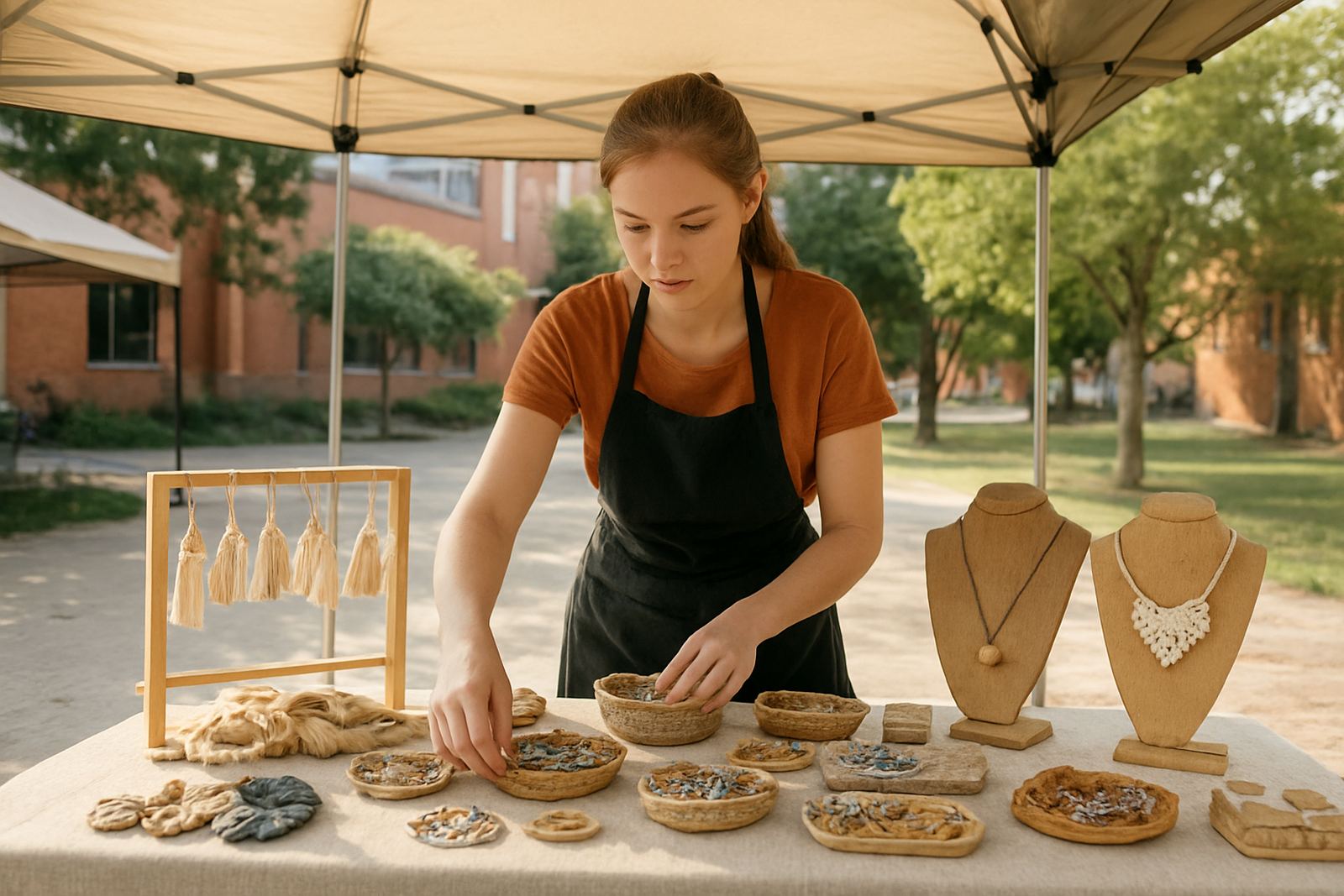
Thandi, a design student in Pretoria, started with a few candle jars and a folding table at a Saturday market in Hatfield. She could not take on a full-time retail setup, but she could commit to one weekend morning, a neat display and enough stock to last until closing time. That made all the difference. Instead of trying to sell every day, she focused on trading when foot traffic was strongest and when students, parents and office workers were out and about.
Her first few weekends taught her that market trading is not only about making product, it is about planning around lectures, assignments and transport. She packed on Friday night, set aside change, checked her labels and left campus work for Sunday afternoon. The routine was simple, but it kept her stress down and her products in order. For part-time makers, the aim is not perfection, it is consistency.
What a student maker needs before the first market
A student seller does not need a big operation to get going, but the basics must be sorted before the first trading day. That means stock count, pricing, packaging and a clear idea of how much profit must come in to make the effort worthwhile. If the table fee, petrol and packaging add up to more than the sales, the stall becomes an expensive outing.
At Hatfield Markets, Brooklyn Markets and Menlyn Markets, the best-prepared students usually arrive with products that are easy to carry, quick to explain and simple to restock. A market table with only one or two product types often looks more focused than a crowded one. It also makes it easier to keep track of what sold and what needs a change next week. Even a small setup can look professional if the pricing is clear and the stock is arranged properly.
- Keep packaging light, neat and easy to open.
- Use clear price cards so customers do not have to ask for every item.
- Take a notepad or phone note to record what sells fastest.
- Pack a small repair kit with tape, scissors and extra bags.
- Leave space in your timetable for set-up and pack-down, it always takes longer than you think.
Pricing that works for cash flow and class fees
Many student makers underprice their work because they are comparing themselves with factory-made goods. That often leads to long hours and little money left after a trading day. A better method is to work from the cost of materials, packaging, fuel and stall fees, then add a fair amount for labour. If a product takes two hours to make, that time must count.
For example, a small batch of hand-poured soap or baked goods can seem profitable until you add gloves, labels, wrapping and spoilage. In hot weather, especially in Pretoria or on the coast, stock needs to be packed in a way that protects it from heat and humidity. A maker who understands product life, pricing and display will usually do better than one who simply makes more items. This is where a short pricing workshop or packaging session can save real money later.
Students also need to decide whether they want quick cash or repeat customers. Lower prices may move stock on the day, but a thoughtful price can support future orders and custom work. That balance becomes important when exam season comes around and trading days are fewer.
How weekend markets fit around student life
The biggest pressure for part-time makers is time. A maker night or weekend pop-up can look easy from the outside, but the work starts long before customers arrive. Stock must be made in small batches, the car must be packed, and payment options should be ready. When classes are heavy, the best approach is to keep the range narrow and repeat what already sells well.
In Pretoria, weekend markets in Hatfield, Lynnwood, Centurion and Brooklyn give students options that are close enough to campus or home to make the trip practical. Nationwide pop-ups are useful too, but only when travel and stock levels make sense. The student who tries to attend every event soon runs into sleep loss and missed deadlines. It is better to choose two reliable events a month than to chase every opportunity.
- Choose market dates at least two weeks ahead so study plans can be adjusted.
- Make stock in batches after classes, not at the last minute.
- Set a trading target for each event, such as covering fees plus 30 percent extra.
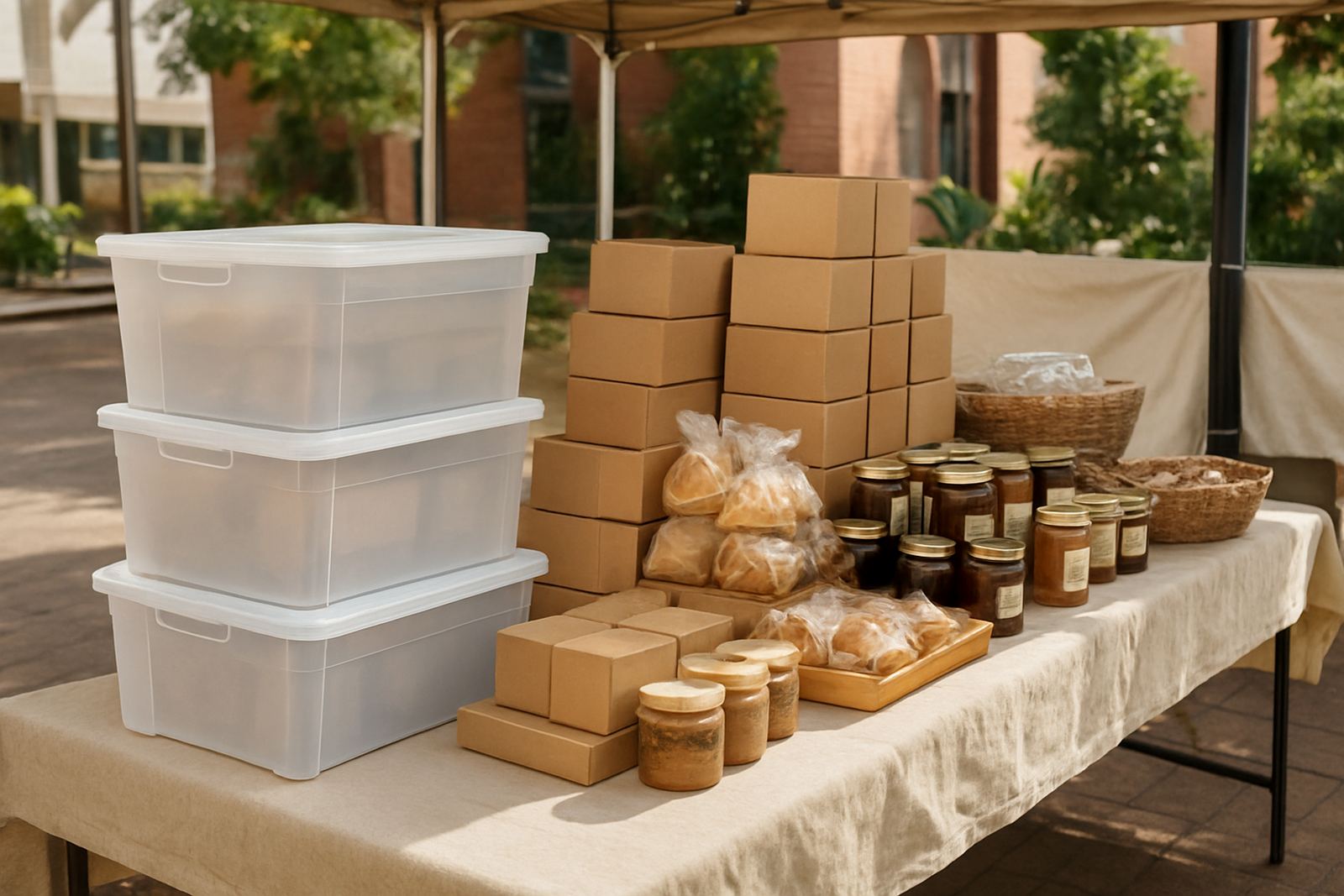
- Keep one reusable tote or crate for tools, cash and display items.
- Track which events bring the best customers, then book those first.
What to do when the market is slow
Even a well-run stall has quiet periods. Students should not take a slow hour as failure. It may simply mean the layout needs work, the sample display is not clear enough or customers do not yet understand the product. Walking around a market and seeing how other makers present similar items can help. So can speaking to regular traders about what sells in winter, what moves in exam season and which products suit family crowds.
At Local Makers Market events, makers often learn that conversation matters just as much as signage. A friendly, short explanation helps people understand what the product is for and why it costs what it does. That is especially useful for handmade food items, bath products and custom crafts. If a student maker listens carefully, one quiet Saturday can turn into a better plan for the next one.
Slow days also help makers test confidence. A student who can handle a quiet stall, answer questions clearly and pack away without panic is already building business discipline. That matters far beyond the market table.
A practical path for the next student maker
The strongest student makers are not always the busiest. They are the ones who choose products they can repeat, price with care and trade on days that do not clash with studies. A part-time maker can start small in Hatfield, learn the rhythm of setup and sales, then grow into more markets or maker nights once the numbers make sense. That is how many local businesses begin, one weekend at a time.
For students in Pretoria and beyond, the lesson is simple. Build around your timetable, not against it. Keep stock manageable, your display tidy and your expectations realistic. With the right prep, weekend trading can help cover school costs, build confidence and turn a hobby into something steadier. And when the busy season arrives, the maker who has already practised the basics is the one most likely to cope well, even when rain or a full car park get in the way.