How natural skincare stalls need to feel at first glance
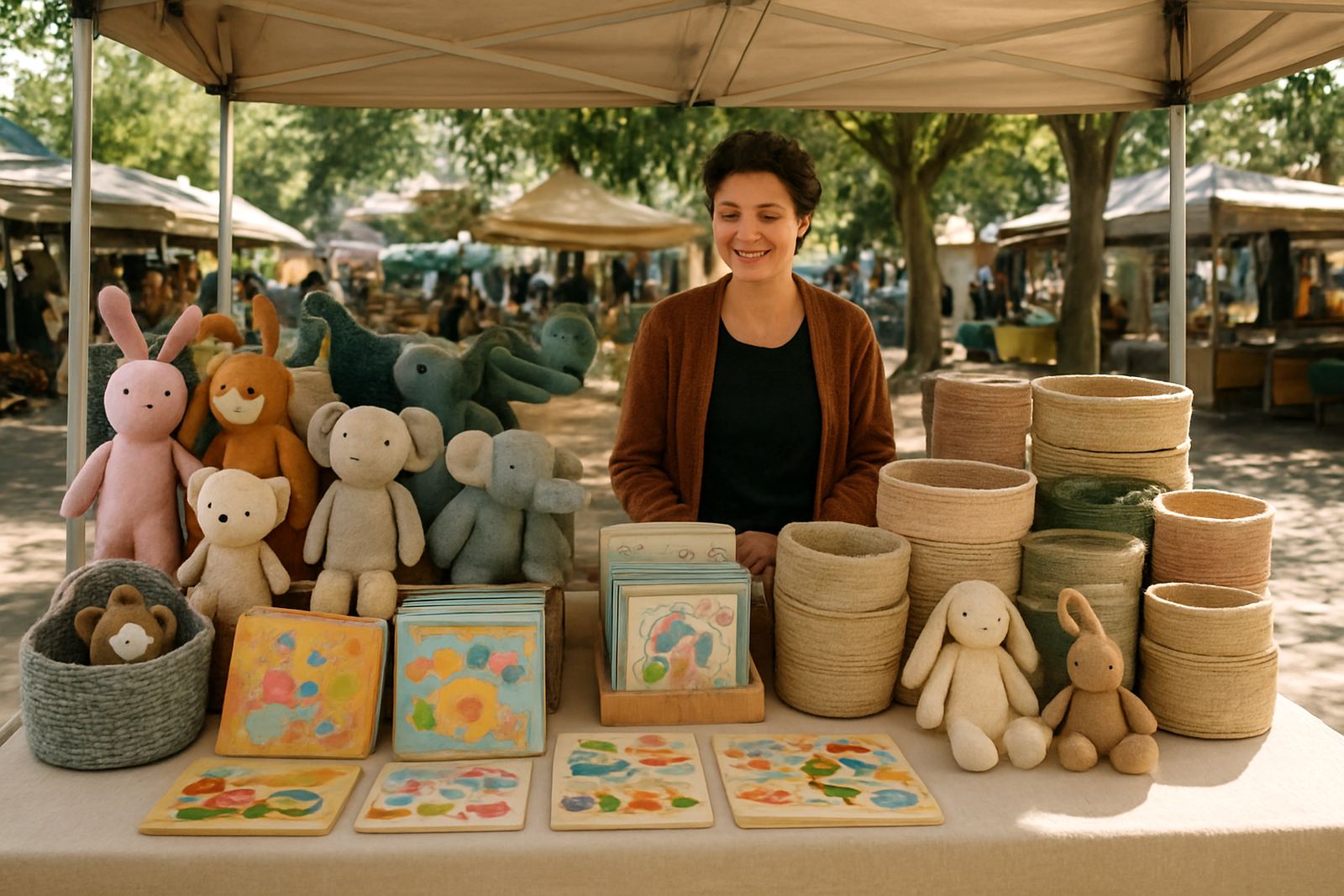
Most shoppers at Hatfield, Brooklyn or Menlyn are buying with their hands and eyes first, then making a quick decision. A natural skincare stall should feel fresh, tidy and easy to trust, with enough room for people to browse without knocking over jars or reading tiny labels at the back of a crowded table.
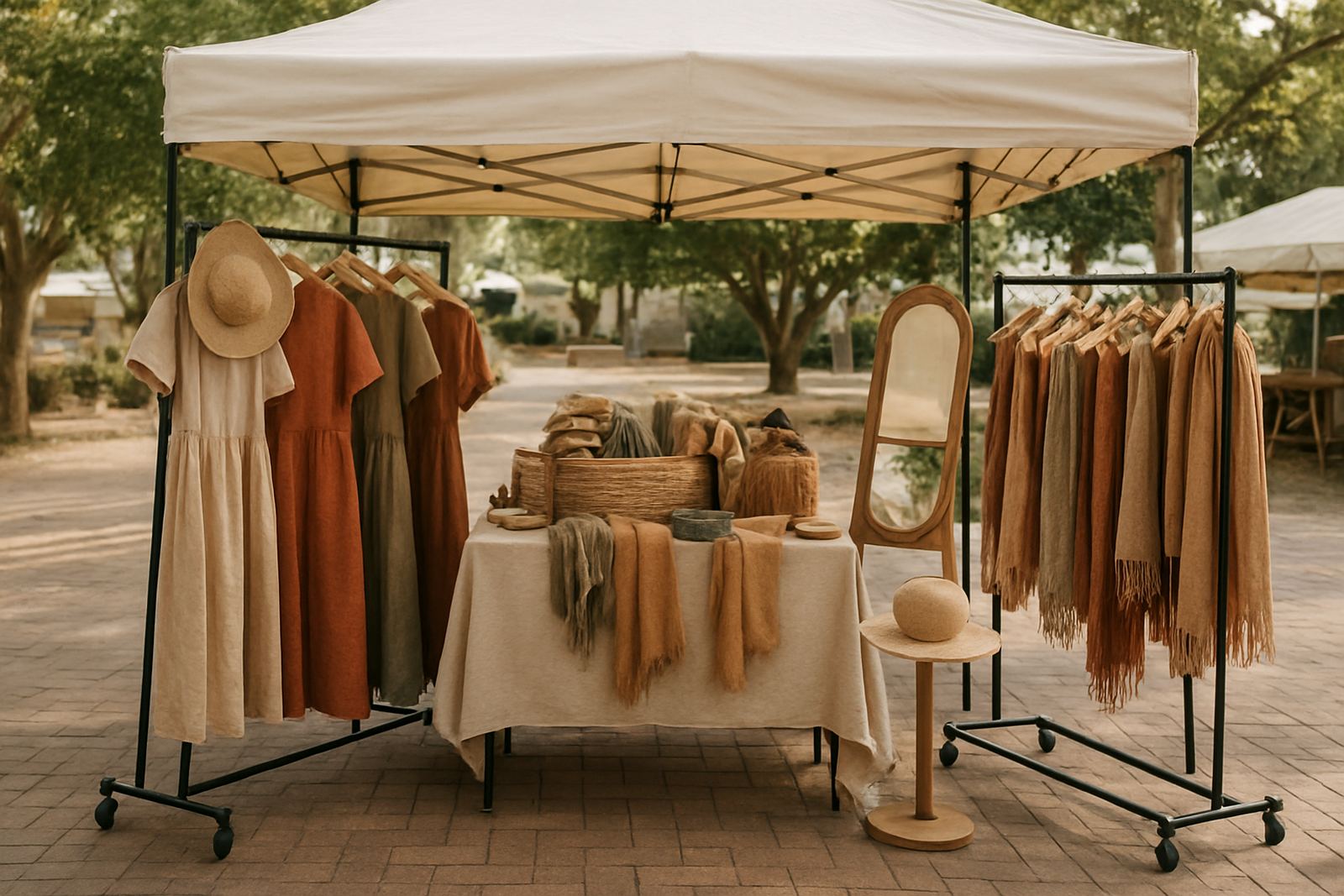
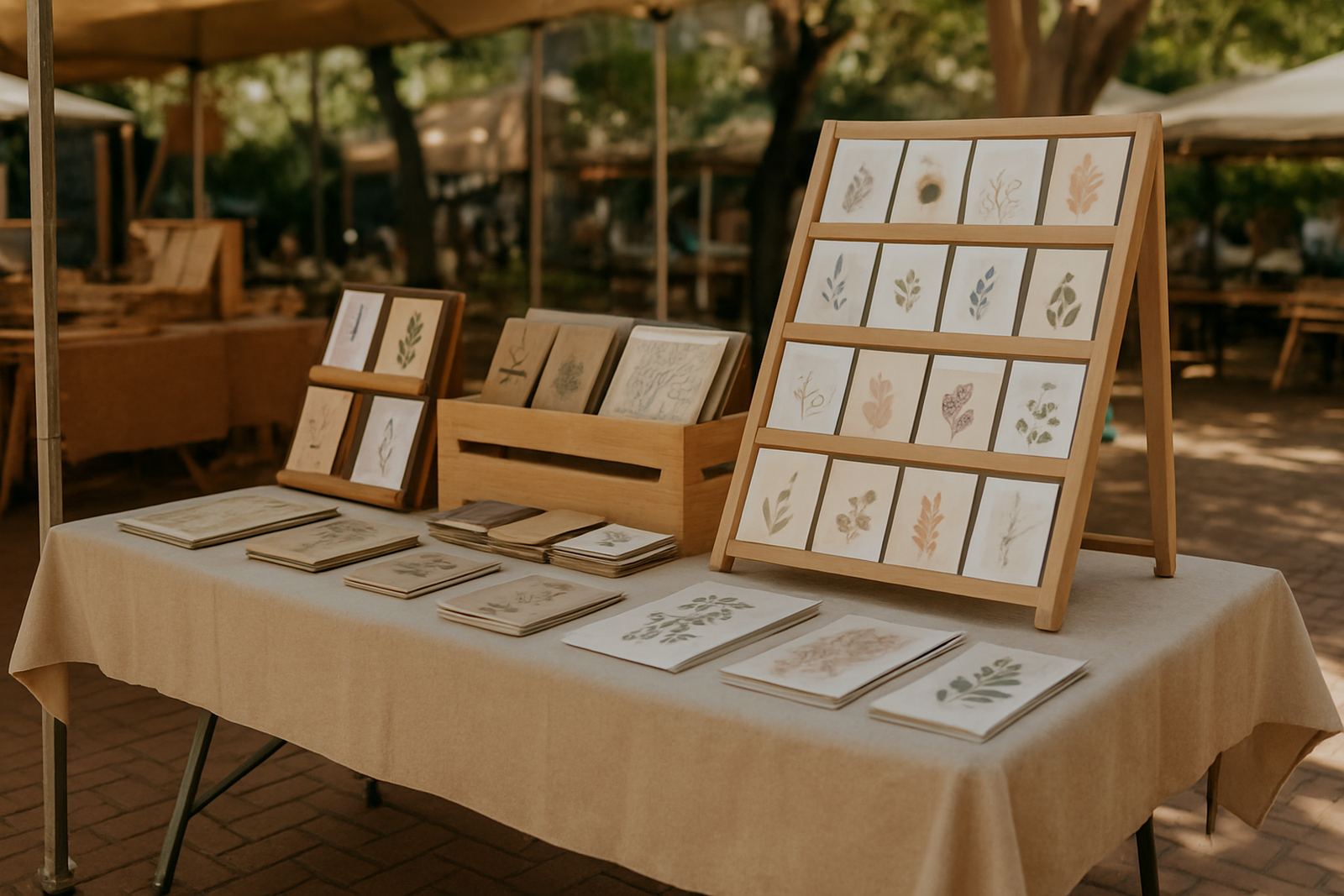
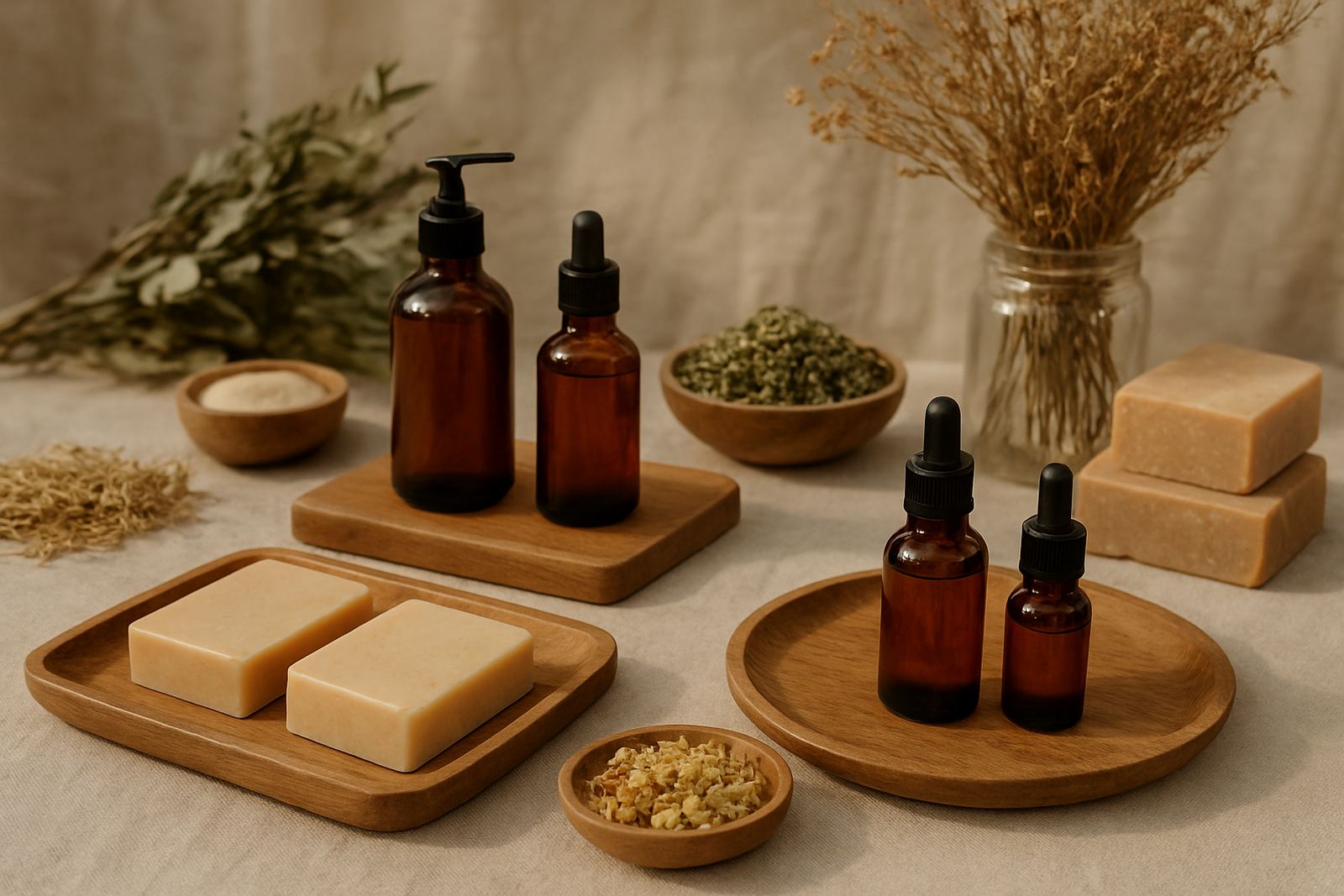
Keep the front line simple: hero products at eye level, testers in the middle, stock below. Use light coloured cloths, timber crates or plain risers to lift soaps and bottles off the table. If your range includes essential oils or balms, group them by use, such as dry skin, travel, gifts or everyday care. That way the customer does not need to ask where to start.
Typical stall equipment for creams, oils and soaps
A practical setup does not need to be fancy, but it must be organised. For most natural skincare makers, the basic equipment set includes folding tables, tablecloths, clear price signs, small risers, sample trays and a payment point that is easy to reach. In summer, you may also need shaded cover and an extra cooler box for temperature sensitive stock.
- 1 or 2 folding tables, usually 1.8 m each
- Plain tablecloths in white, beige or soft green
- Small acrylic or timber risers for jars and soaps
- Tester trays, spatulas, tissues and hand sanitiser
- Printed price cards and ingredient labels
- Gift bags, boxes or wrap for sets and bundles
- Cash float plus card reader and phone charger
If you sell in coastal areas like Durban or Gqeberha, packaging must cope with humidity. Jars should seal properly and outer labels need to stay flat, not curl. For outdoor markets, bring clips, weights and a backup cloth in case of wind or dust.
Layout planning that helps people buy without pressure
Natural skincare works best when the layout tells a quiet story. Start with a welcome area at the front, then place best sellers and gift sets in the centre. Keep single items close together and give testers their own space so the stock stays clean. A narrow, crowded table makes even good products feel expensive and hard to choose from.
For a 3 m by 3 m space, plan for one customer path through the front and a standing area where two people can browse at once. If you are selling soaps, creams and oils together, set out each category in a block rather than mixing everything into one line. This makes pricing easier and helps you upsell a gift set without sounding pushy.
- Put soaps at hand height so customers can lift and smell them easily
- Use one sign for the range, not many tiny signs
- Keep testers separate from sealed stock
- Place payment near the exit side to avoid blocking traffic
- Leave space for a small bagging area
Common mistakes that make skincare stalls harder to sell from
The biggest mistake is overfilling the table. Too many jars, labels and basketss make the range look busy instead of thoughtful. Another common problem is poor pricing. If customers need to ask every price, they may walk away before trying the product. Clear pricing matters even more at busy weekend markets where people are moving quickly.
Another issue is weak lighting. Under warm indoor lights or late afternoon shade, small print disappears and dark bottles blend into the background. Use simple stands or light boxes where needed and avoid heavy décor that steals attention from the products. Also check municipal rules for food grade products if you are selling body butters or oils alongside edible goods at the same stall.
Budget ranges in Rand for a natural skincare setup
Budgets depend on whether you are starting with a compact table or building a full gift focused stall. A lean setup for first markets can sit between R2 500 and R6 000 if you already have packaging and a card reader. That usually covers tables, cloths, signage, testers and some display pieces.
A more polished setup for repeated trading in Pretoria and nationwide pop-ups often sits between R7 500 and R18 000. This may include better signage, branded risers, carry crates, sample containers, lighting and weather protection. If you trade often at evening events, budget for power banks, battery lighting and a phone charging plan so payments do not stop during a busy rush.
If your range includes gift packs or seasonal sets, set aside extra working capital for packaging. Natural skincare buyers often choose with gifting in mind, so neat boxes and labels can lift the average basket value without changing the product itself.
How we help skincare makers prep for Hatfield and beyond
At Local Makers Market, we see natural skincare work best when the stall is calm, tidy and easy to buy from in under two minutes. That is true in Hatfield Markets, at maker nights and at pop-ups in Centurion, Lynnwood, Brooklyn and Menlyn. The aim is not just to show the products, but to help people understand them fast and feel good about buying local.
Our workshops support the practical side too. Stall Styling Workshop helps with display layout, Pricing Products Workshop keeps margins clear, Packaging For Sales improves giftability, and Customer Conversation Workshop helps makers explain ingredients without overtalking. If you are still building your first market table, First Market Prep and Seasonal Selling Workshop can help you plan for summer heat, winter dryness and weekend trading rhythm.
For makers in Pretoria and across South Africa, the right setup can make a small batch range look organised and easy to trust. When the table is clean, the prices are clear and the gifts are ready, customers stay longer and usually buy more than one item.