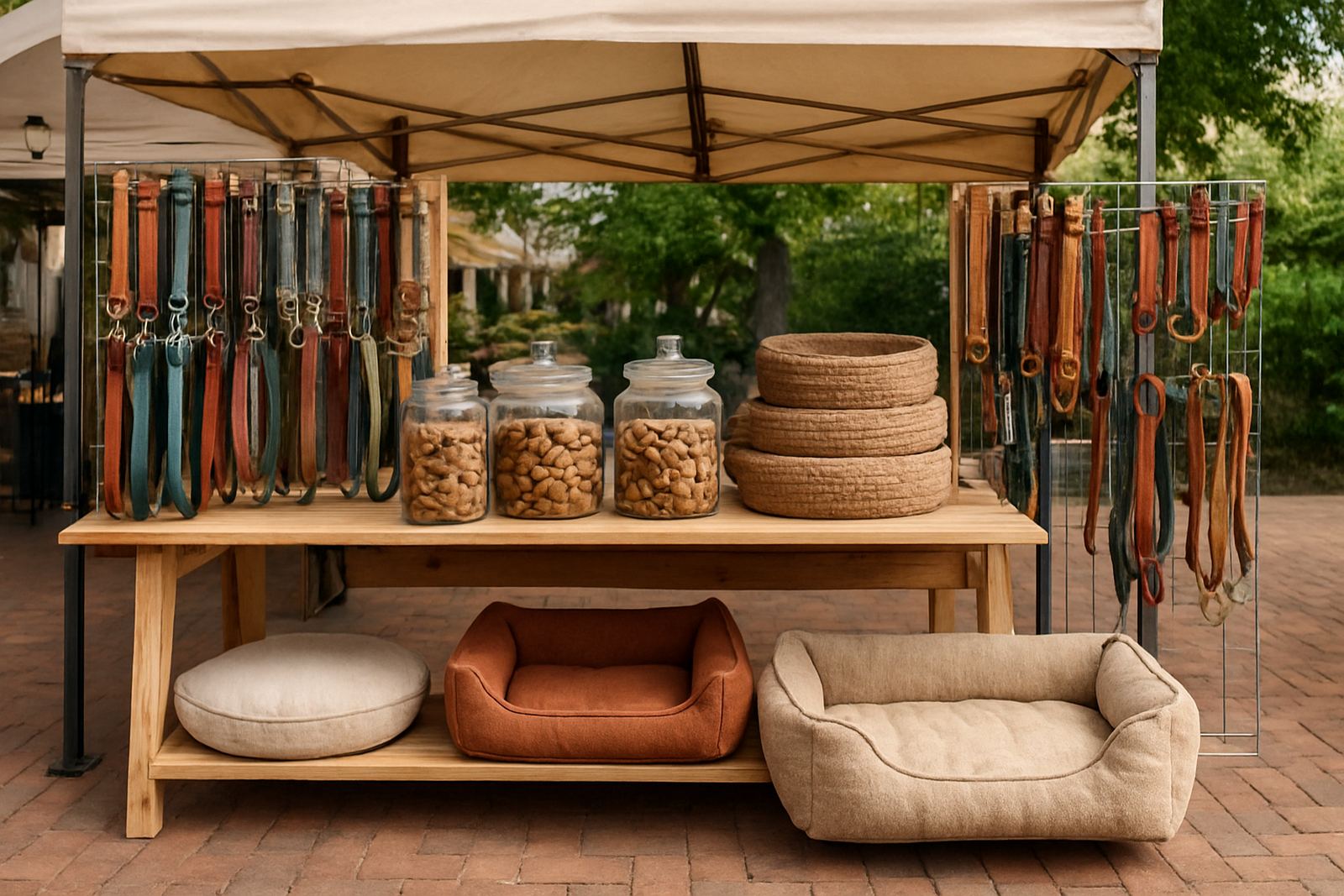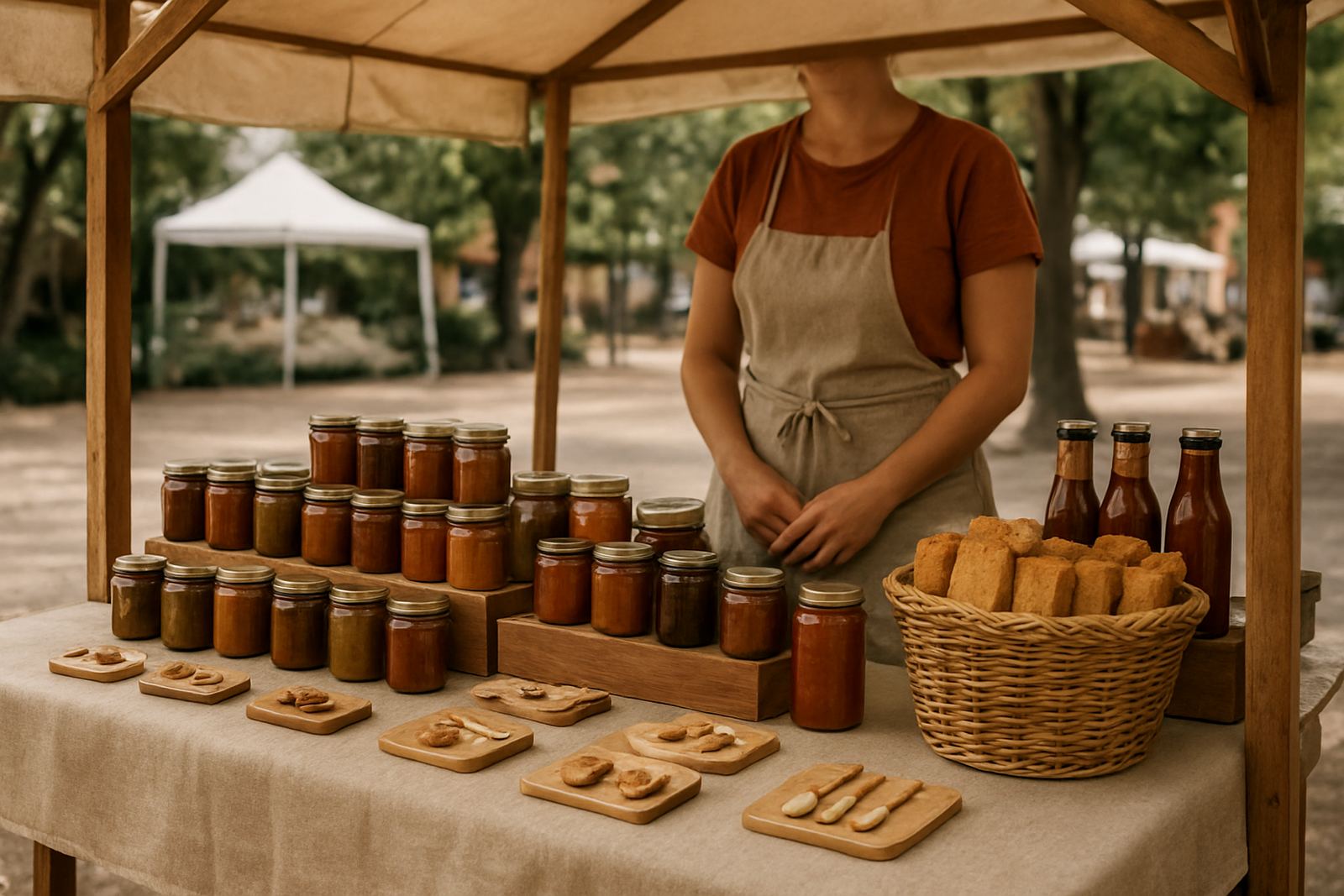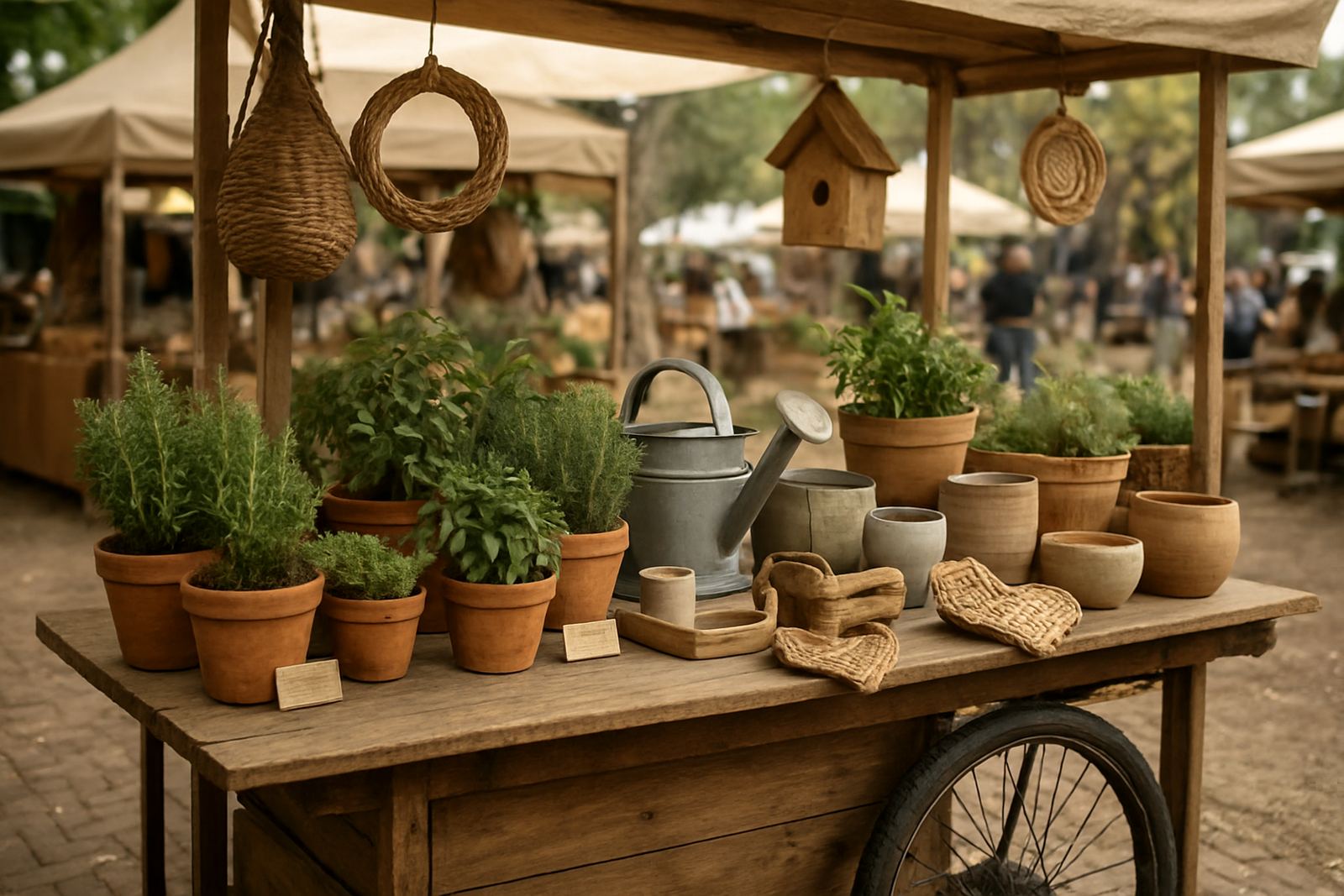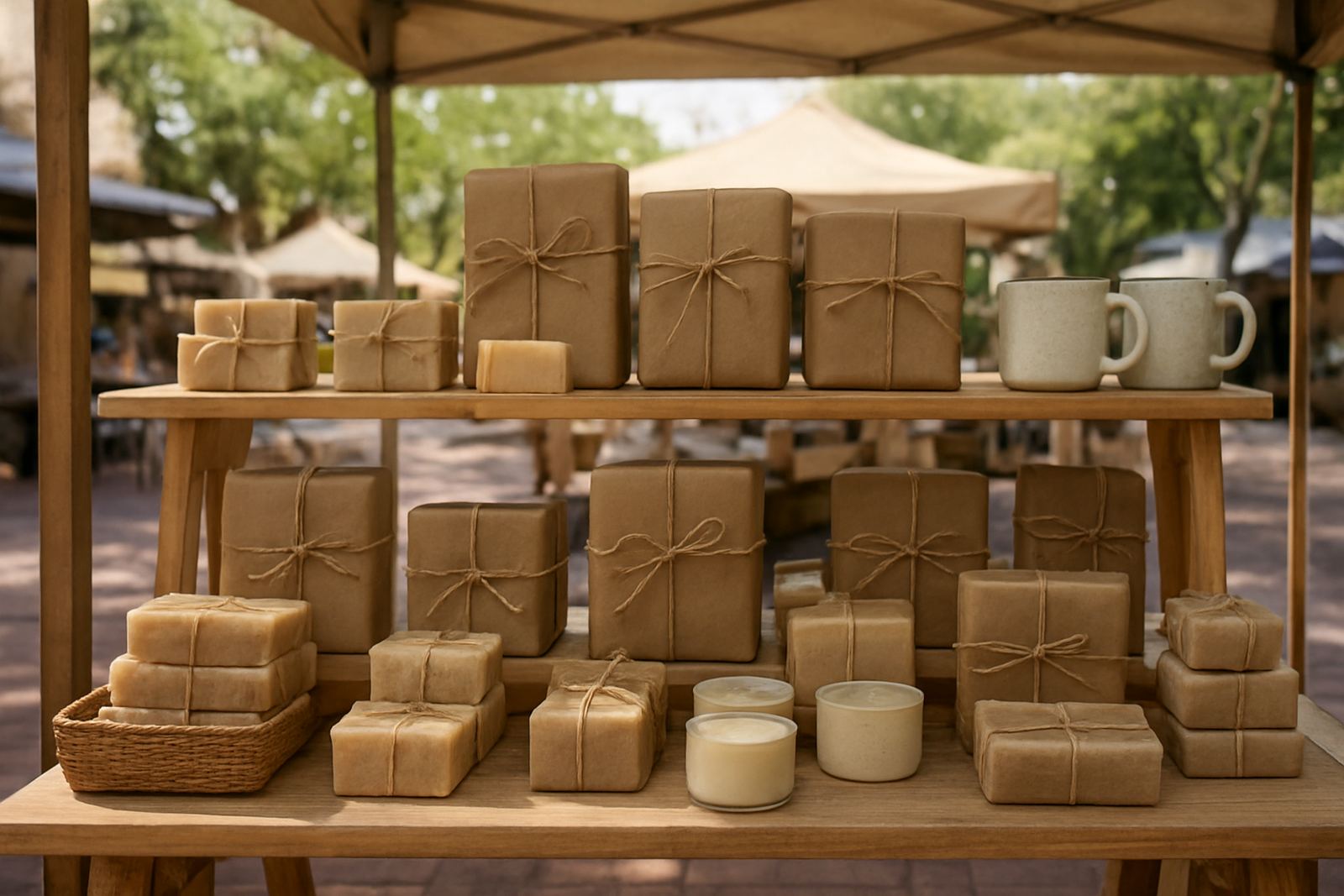
When a mixed gift range makes sense
A mixed gift range suits makers who sell more than one category, or collect products from several local makers for a shared stall. It works well for birthdays, thank-you gifts, teacher gifts, housewarming packs and small corporate orders. In Pretoria weekend markets, shoppers often want a complete gift in one stop, especially when they are moving between stalls with children or shopping before lunch.
This setup also helps when stock levels are not even across all products. If you have candles, ceramics, small prints, cookies and bath items, you can build price points from R80 to R450 and still keep the table looking full. The key is to group products by gift idea rather than by maker, so the customer sees a gift box, a hamper or a theme and not just separate items.
- Good for shared stalls and seasonal trading
- Works well for Mother’s Day, Christmas, year-end staff gifts and market nights
- Useful when you need to test which products sell together before ordering more stock
Typical stall equipment for a gift-led display
You do not need a complicated set-up, but you do need enough levels and containers to keep the table readable. A 3 m to 6 m stall usually needs one main table, two to four risers, small baskets or trays, a gift wrap station and clear price tags. For food items, add sealed jars, food-safe scoops and a covered area for samples where municipal rules allow tasting. In summer, especially in Gauteng heat, keep chocolate, soap and wax products out of direct sun.
For a mixed range, equipment should help you separate stock by use, not by supplier. A simple shelf unit, wooden crates, acrylic risers or sturdy boxes covered in fabric can work well. Battery lights are worth having for evening maker nights, so do not depend only on venue power.
- Tablecloths or fitted cloths in neutral colours
- Risers for small items so nothing gets lost
- Gift bags, ribbon, tissue and kraft tags
- Small signage with prices and bundle offers
- Cash float, card machine and a handwritten receipt pad
How to plan the layout so it feels like one range
Start with three or four gift stories and build the stall around those. For example, create a self-care corner, a kitchen and pantry corner, a home and decor corner, and a children’s or celebration corner. Keep each group close in colour and height so the table does not look busy. If your products vary a lot in style, a common colour such as kraft, white, black or natural wood can bring the display together.
At Local Makers Market events, a simple front-to-back flow works best. Place the easiest items to buy at the front edge, medium-priced gifts in the middle, and larger bundles at the back or at the ends of the table. This helps families browse without blocking the whole stall. It also lets you keep the best sellers within arm’s reach when crowds build up at Hatfield Markets or Centurion Markets.
- Use height to separate small products from larger gifts
- Keep one section for quick gifts under R100
- Reserve one feature area for higher-value bundles from R250 to R450
- Leave enough space for customers to point, pick up and put items back easily
Pricing mixed gifts without confusing shoppers
Mixed gift ranges need pricing that feels simple. Shoppers should be able to see the value at a glance, even if the stall contains five different makers. A clean price ladder helps: entry gifts at R60 to R120, mid-range gifts at R150 to R250, and premium bundles at R300 to R600. If you are combining food with handmade goods, make sure the food portion is clearly marked and packaged properly, with ingredient labels where needed.
It is often better to price the whole gift rather than every piece separately. For example, a candle, soap and snack pack can be sold as one gift box for R220 instead of three separate items that require too much explaining. That saves time and keeps the buying decision easy. If you are sharing a stall with other makers, agree margins and payout rules before the event so there is no confusion after the market.
Budget wise, a neat mixed gift display can be started for around R1,500 to R3,500 if you already have basic stock and packaging. A more polished setup with printed signage, risers, wrapping supplies and sample packaging can run from R4,000 to R8,000. If you plan to attend several weekend markets or maker nights, build in a monthly stock refresh of about R2,000 to R5,000 depending on the size of the range.
Common mistakes that weaken the display
The biggest mistake is trying to show every product at once. Mixed ranges need editing. If the table is packed edge to edge, shoppers struggle to see the good combinations and you lose the gift feel. Another common problem is mixing colours and packaging styles too randomly. A stall with brown bags, bright boxes, plastic tubs and loose items can look like a storage table instead of a selling table.
Watch for stock that does not belong together. A luxury candle may sit awkwardly beside a low-cost novelty item unless you group them by occasion or price. Also avoid too many handwritten signs with different fonts and sizes. One clear sign style is enough. For food, don’t leave unsealed items exposed on hot days, and don’t overdo samples if you cannot restock them quickly.
- Do not overcrowd the table with every colour and category
- Do not mix gift tiers without clear price points
- Do not use packaging that crushes easily in a busy crowd
- Do not rely on one power point for lights or warmers
A practical market-day checklist for mixed gifts
Before trading day, pack by theme and keep backup stock under the table in labelled crates. Print or write prices large enough to read from standing height. If you are trading at Brooklyn Markets or a nationwide pop-up, take extra tape, cable ties, scissors, rubbish bags and a cloth for quick wipe-downs. Pretoria dust and summer humidity can both affect packaging, so keep spare sleeves and bags in a sealed box.
For market photography and online promotion, take one clear picture of each gift set before the event. That helps customers order again after the market and makes it easier to share what sold well. If you are preparing for a first mixed stall, Local Makers Market workshops such as Stall Styling Workshop, Pricing Products Workshop, Packaging For Sales and Customer Conversation Workshop are useful. For food-led tables, Food Stall Basics and First Market Prep help with practical trading details. If you are planning a seasonal range, Seasonal Selling Workshop and Small Batch Branding can tighten the offer without adding unnecessary costs.
- Pack by theme, not by random product type
- Take spare packaging for damaged boxes and rainy weather
- Keep change, card payments and receipt supplies close at hand
- Use one person to greet shoppers and one to restock if possible