What textile sellers usually need at market level
Textiles sellers come to market with a mix of soft stock, folded pieces and fragile finished goods. That can include cushion covers, aprons, tote bags, baby items, table linen, scarves, fabric organisers, quilts, purses and small homeware. The main aim is to keep each item clean, visible and easy to handle, because once fabric starts shifting around on a table it looks untidy very quickly.
For Hatfield, Brooklyn, Lynnwood and other Pretoria stands, weather and set up time matter. Early morning wind can lift light fabric, while summer humidity can make packed stock feel warm and creased. If you are trading at a maker night or a weekend market, your table needs to suit both display and quick sales. You want customers to see the stitch detail, finish and colour without having to unfold half the stock.
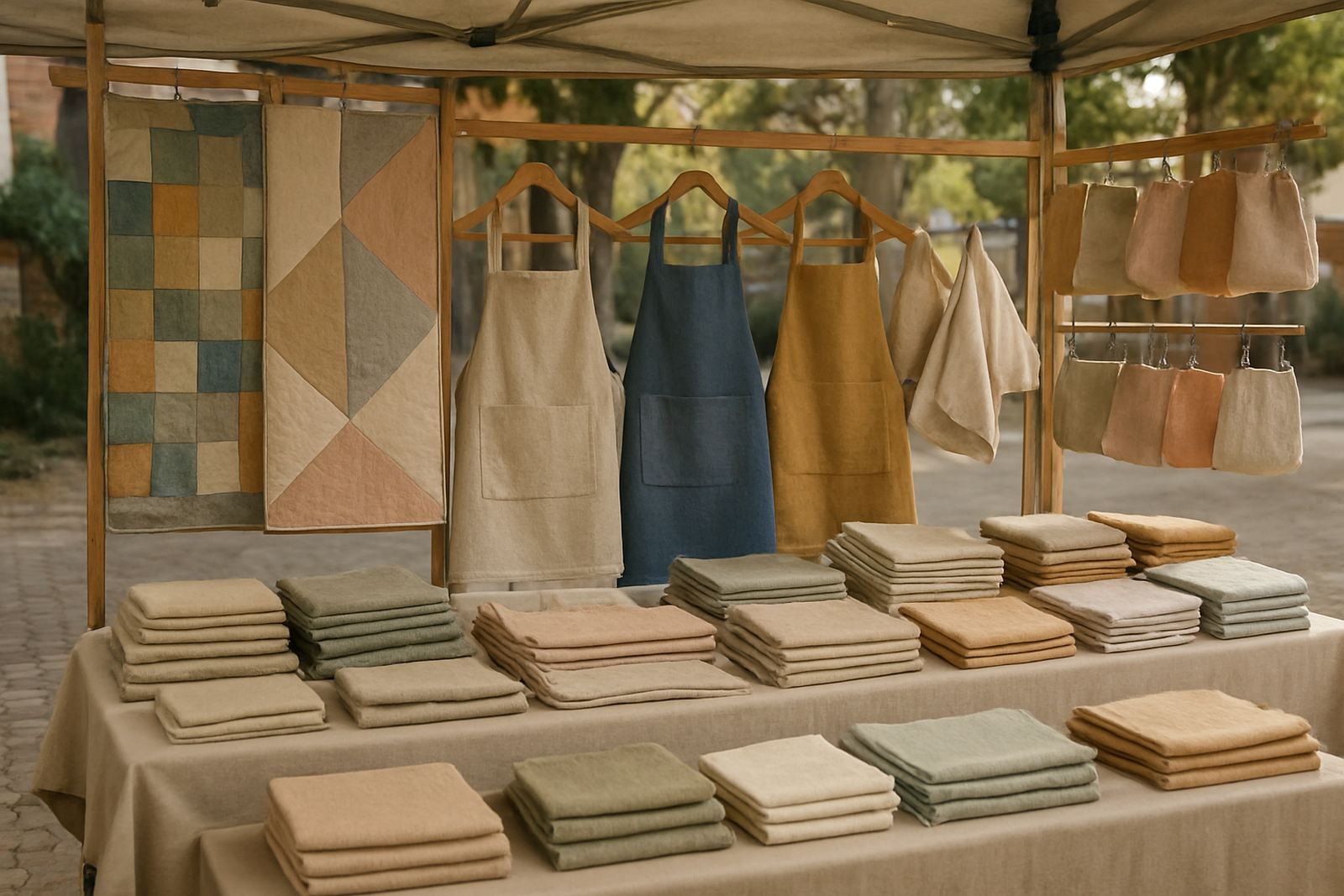
- Folded stock in clear size groups
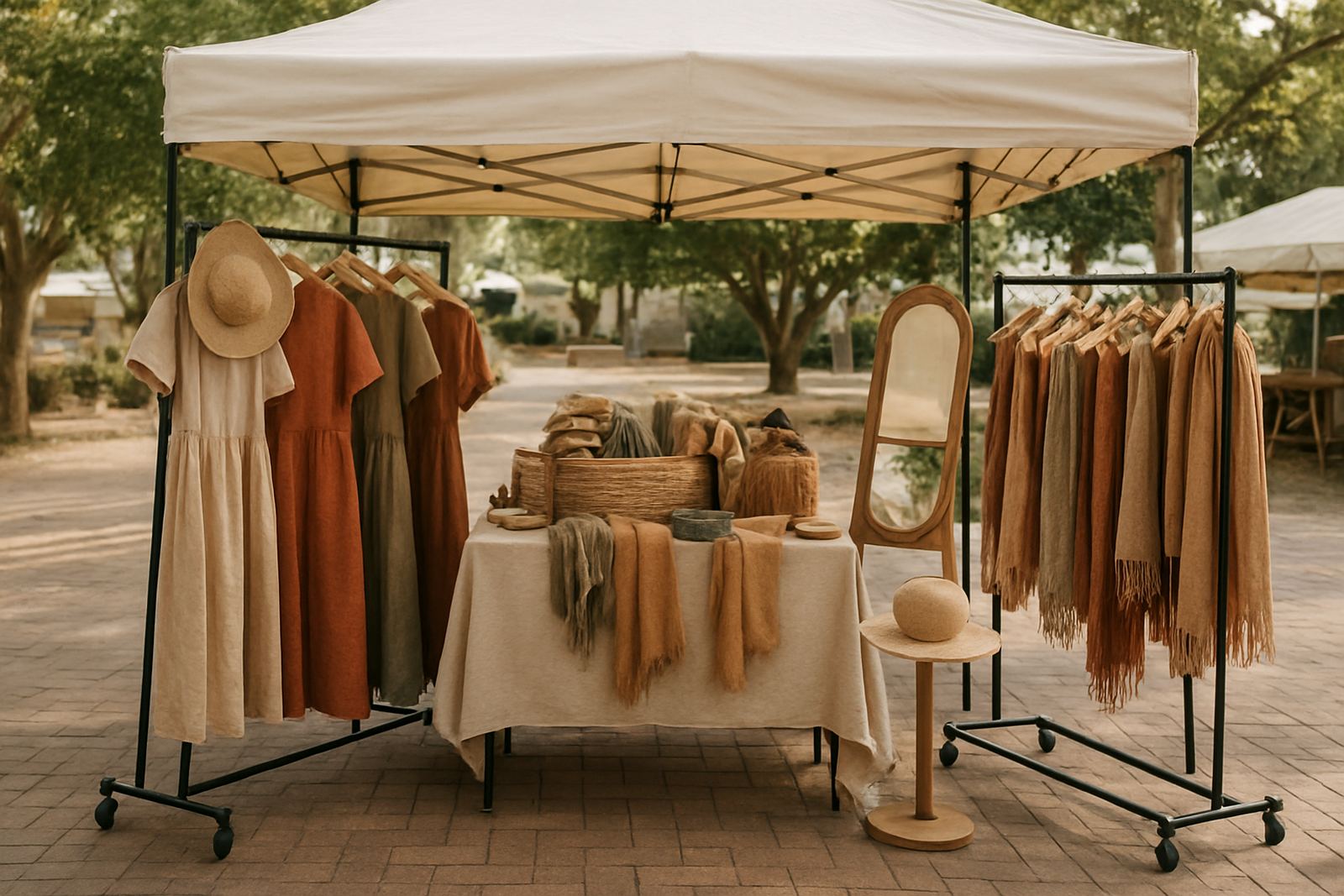
- Hanging samples for bags, aprons and garments
- Flat display for quilts, runners and placemats
- Small baskets or trays for accessories and notions
- Backup stock stored under the table in sealed tubs
How to plan the layout for soft goods
The best textile stalls usually have one clear hero line and then a few supporting ranges. For example, one side can carry home linen, the middle can show bags or kitchen goods, and the front can carry lower priced items like scrunchies, napkins or hand towels. This makes it easier for shoppers to read your range from a distance, and it stops the table becoming a jumble of patterns.
Use height where you can. A simple rail, crate stack or folding stand can lift hanging items off the table and free up space for folded goods. If you sell larger sewn items, keep one sample open and the others packed flat. Customers usually want to touch the texture, but they do not need ten of the same item displayed at once. Keep enough room for a bag and a card machine, because crowded counters make payment slower and people move on.
For stall flow, keep pricing near the front left or right edge so people can check values without asking every time. Group items by price bands or product type, not by whatever fitted into the box that morning. That small bit of order saves a lot of time during busy hours, especially when customers arrive in pairs or with children in tow.
Practical equipment for sewing stalls
A textile stall does not need expensive fittings, but it does need the right handling gear. Fabric creases, slips and attracts dust, so simple supports and covers make a real difference. In Pretoria venues and pop-up spaces nationwide, we often see sellers doing well with lightweight, packable equipment that sets up fast and travels well.
- Folding tables with washable covers
- Portable clothing rail or hanging frame
- Clear storage tubs with clip lids
- Clip-on lights or battery lights for indoor maker nights
- Label holders and small acrylic sign stands
- Basket liners, tissue paper and packaging bags
If you sell garments or soft accessories, bring a steamer only if the venue allows it and you have safe power access. Otherwise, pre-press at home and pack items with tissue or cardboard inserts. Coastal humidity can make some fabrics feel limp, while inland dry air can leave them static, so packaging must keep shape without crushing the item.
Pricing and display choices that make sense
Textiles and sewing products often sit in a wide price spread, from low cost add-ons to higher ticket handmade pieces. Your display should show that range clearly. Put smaller items where people can reach them easily, and keep premium pieces at eye level with a neat finish. If every item looks the same, customers struggle to see why one bag costs more than another.
For most stalls, a practical starter budget for display equipment is around R1 500 to R4 000 if you already have some household items to reuse. A more polished setup with rails, printed signage, fitted covers and decent lighting can sit between R4 500 and R12 000. If you are trading at several Pretoria markets or doing nationwide pop-ups, it often makes sense to buy once and choose items that pack flat in the car.
- Budget display: R1 500 to R4 000
- Mid-range setup: R4 500 to R12 000
- More complete setup with stronger fixtures: R12 000 plus
- Small signage and labels: R150 to R800
- Packaging stock for a market month: R300 to R1 500
Common mistakes textile sellers make at markets
One of the biggest mistakes is showing too much stock at once. A table packed with every size, colour and pattern can feel busy and cheap, even when the work is good. Another common problem is weak labelling. If sizes, fabric content or care notes are hidden, customers hesitate and then ask the same question three times. Good labels save time and help with trust.
Another issue is poor packing after sales. Soft goods can get bent, dusty or damp if they are handed over loose in thin bags. That is especially important at outdoor weekend markets where weather changes quickly. Keep packaging near the payment point, and use neat folds, tissue or simple wraps for items that need to hold their shape. It also helps to have extra stock stored in order, not thrown into one big bag where it ends up creased and mixed up.
Finally, do not ignore cleaning and finishing. Threads, lint and loose pins show up fast under bright lights. Before you leave home, check hems, seams, buttons and zips, then do a quick last look before doors open. It sounds basic, but many sellers lose sales on tiny presentation issues. A well finished table can do a lot of the selling for you.
Best fit for weekend markets and maker nights
Textile and sewing sellers often do well at family-friendly weekend markets because shoppers can touch products and compare sizes on the spot. Maker nights also suit smaller runs of accessories, custom gifts and seasonal lines. If you trade in Hatfield, Menlyn, Centurion or at a nationwide pop-up, think about your stock mix in advance so each event has a clear purpose.
Weekend markets usually reward fuller tables with more browsing room, while evening events often suit tighter edits and stronger lighting. For example, a maker night may need a smaller range of cushion covers, aprons or wraps, while a Saturday market can carry more folded inventory and larger pieces. If you are doing both, plan two versions of the same stall so setup stays quick and you are not reworking the whole display every time.
Workshop support for textile sellers
Local Makers Market works with makers who need practical trading help, not vague advice. Textile sellers often benefit from Stall Styling Workshop, Pricing Products Workshop, Packaging For Sales, Market Photography Workshop, Customer Conversation Workshop and First Market Prep. If your range includes fabric food wraps, storage items or small home goods, Food Stall Basics and Seasonal Selling Workshop can also be useful when you start adding gift bundles or holiday lines.
We also support Maker Night Planning and Small Batch Branding for sellers who want a more consistent look across events. That matters when customers see you at Hatfield one weekend and at a pop-up somewhere else the next. A clear range, tidy layout and sensible packaging make your work easier to recognise from one market table to the next.