What a baked treats stall needs to do on market day
Most baked goods are bought with the eyes first, then the nose, then the story behind the product. Your stall has to keep that sequence working even when people are queueing, children are reaching over the table and the wind picks up in Pretoria. The right layout helps you show variety without making the table feel crowded, and it keeps delicate items from getting squashed before midday.
For cookies, rusks, brownies, banana bread, tea loaves and cupcakes, the aim is simple: protect the product, show clear pricing, and make serving quick. At markets in Hatfield or Menlyn, customers often want a fast chat and a sample, then they move on. If your table is easy to scan, you make more sales with less effort.
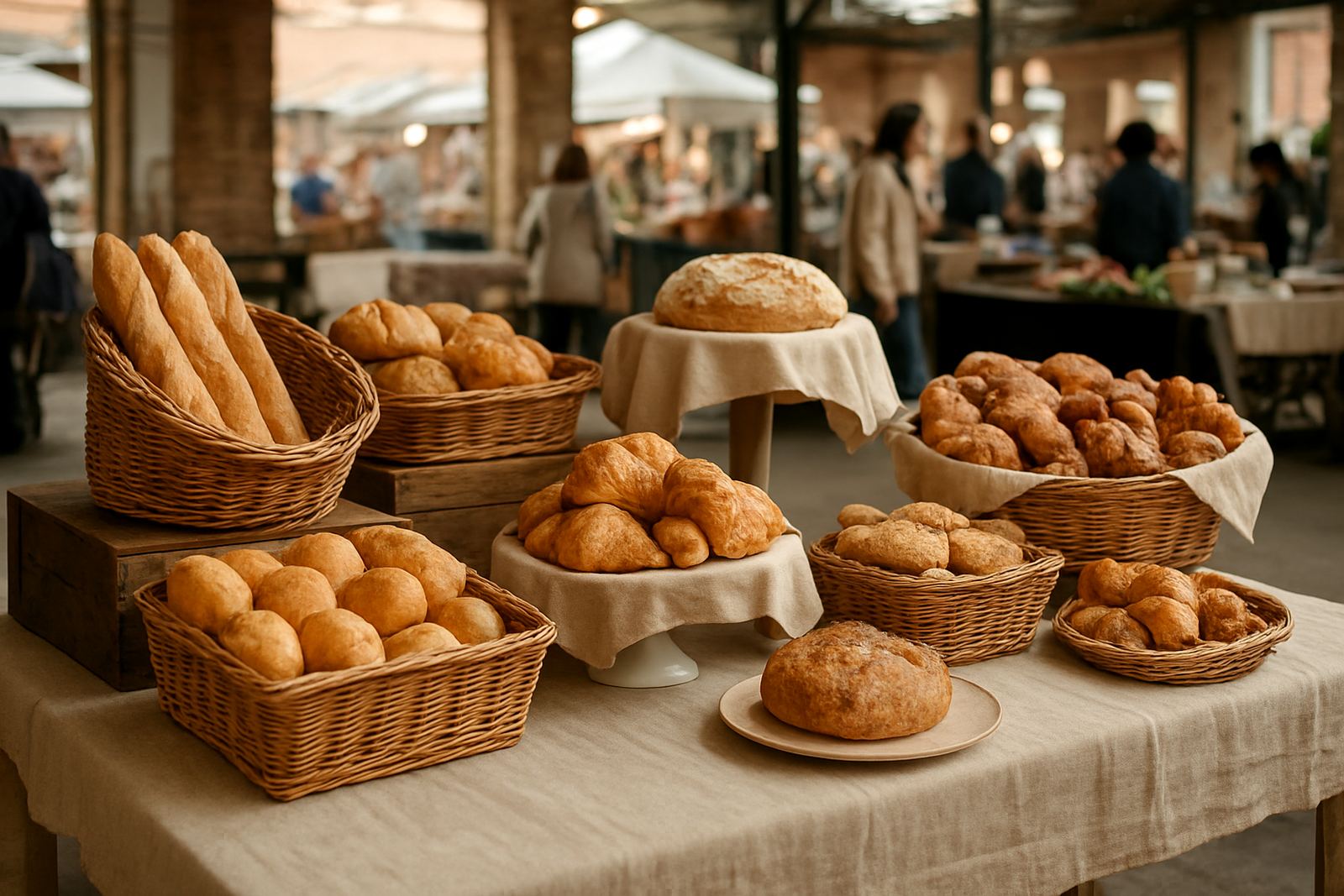
- Use height at the back for wrapped loaves, labelled jars or cake stands
- Keep the front edge open for impulse buys and quick pack-ups
- Separate soft bakes from crunchy items so textures stay right
- Leave a small serving area for tongs, paper bags and payment
Typical equipment for cookies, loaves and sweet bakes
A baked treats table does not need heavy machinery, but it does need the right presentation pieces. The usual set includes trestle tables, fitted tablecloths, clear containers, cake stands, shelving risers and covered trays. In summer, especially in Gauteng heat, covered display is important for icing, butter-based bakes and anything with chocolate. If you are trading near the coast, humidity can soften crisp biscuits by lunchtime, so sealed packs help a lot.
Good equipment for this use-case usually includes:
- 1.8 metre trestle tables or a smaller square table for tighter spaces
- Two or three risers for creating different display heights
- Clear cake domes or lidded containers for dust and crowd protection
- Food-safe tongs, scoopers and label holders
- Cool boxes or insulated tubs for chilled fillings and cream items
- Price boards that can be read from 2 to 3 metres away
If you sell sliced loaves, try reusable loaf boards or trays that fit standard baking tins. If your range includes fragile tarts or iced biscuits, a rigid base under each tray saves you from breakage while loading the car. A folding crate system is also useful for storage between events.
Layout that helps customers buy without hesitating
The best layout tells the customer what to do next. Start with your strongest sellers at eye level, place smaller add-ons near the till point, and keep one side open for tasting or questions. If your range is broad, group by type rather than by colour. People understand cookies, loaves and gift packs faster than a long mixed arrangement.
A practical table plan for a 1.8 metre setup could look like this: back left for wrapped loaves, back centre for gift boxes, back right for seasonal specials, front left for sample plate, front centre for loose packs, front right for payment and bags. That leaves enough flow for a steady line without making the stall feel cramped. If you are at a maker night, a slightly darker backdrop and small warm lights can help your packaging and labels stand out after sunset.
Think also about evening events. A battery lamp, printed price list and pre-packed items keep trade going if power is out. For food sellers, a clean surface and easy handoff matter as much as decor.
Common mistakes that hurt baked goods sales
One of the biggest mistakes is trying to show too many items on one table. When everything competes for attention, the customer sees clutter instead of choice. Another common issue is using open display for products that need protection. Dust, sun and fingers can all affect quality quickly, especially for sugar decorations and soft icing.
Other mistakes to avoid:
- Writing prices too small or hiding them near the back
- Using packaging that crushes or sweats inside the bag
- Leaving no space for samples or a payment point
- Forgetting napkins, serviettes or brown paper bags for crumbly items
- Mixing hot-weather bakes with items that need cooling
- Setting up without checking municipal food rules for handling and labelling
If you are selling in Pretoria in summer, test your table under direct sun before market day. A beautiful display can still fail if butter melts or paper labels curl. A small mistake like that can cost sales by 10 am, so check the practical side first.
Pricing and budget ranges for a baked treats table
Budget depends on whether you are starting with a simple home-baker setup or building a repeat market stall. For a basic baked treats table, many makers spend between R1 500 and R4 500 on table coverings, labels, containers and a few display pieces. That can suit a first market in Hatfield or a monthly pop-up with a narrow range of products.
A more polished setup with branded signage, multiple risers, proper storage crates and food-safe display covers often falls between R5 000 and R12 000. If you need custom printed packaging, folding shelving, lights and a transport system that keeps boxes flat, budget can go beyond that. The good news is that a well-planned setup can be reused at many events, so the cost spreads out over time.
When pricing your products, work backward from ingredients, packaging, transport and market fees. A loaf that costs R24 to produce may need a retail price of R45 to R60 depending on size, shelf life and market location. Small cookie bags often work well at R25 to R40, while gift boxes can carry a higher margin if the presentation is tidy and the labels are clear.
Planning for weekend markets, maker nights and pop-ups
Weekend markets and maker nights need different treatment. Daytime markets in Pretoria usually need sun protection, sturdy tablecloths and quick restocking. Evening events call for stronger visual structure, because buyers are browsing after work and often carrying families with them. In both cases, keep your menu tight enough to manage without stress.
A useful prep checklist includes:
- Pack stock by category in separate crates
- Pre-print prices for every item and pack size
- Carry extra tape, labels, cling wrap and paper bags
- Bring a clean cloth, sanitiser and surface spray
- Load sample portions before you leave home
- Check what fits in your vehicle without crushing baked goods
Local Makers Market events across Hatfield, Brooklyn, Lynnwood, Menlyn, Centurion and nationwide pop-ups suit bakers who are ready to trade often. The more repeatable your setup, the less time you spend on the morning scramble and the more time you have to sell.