Pop-up events for cities, towns and special venues
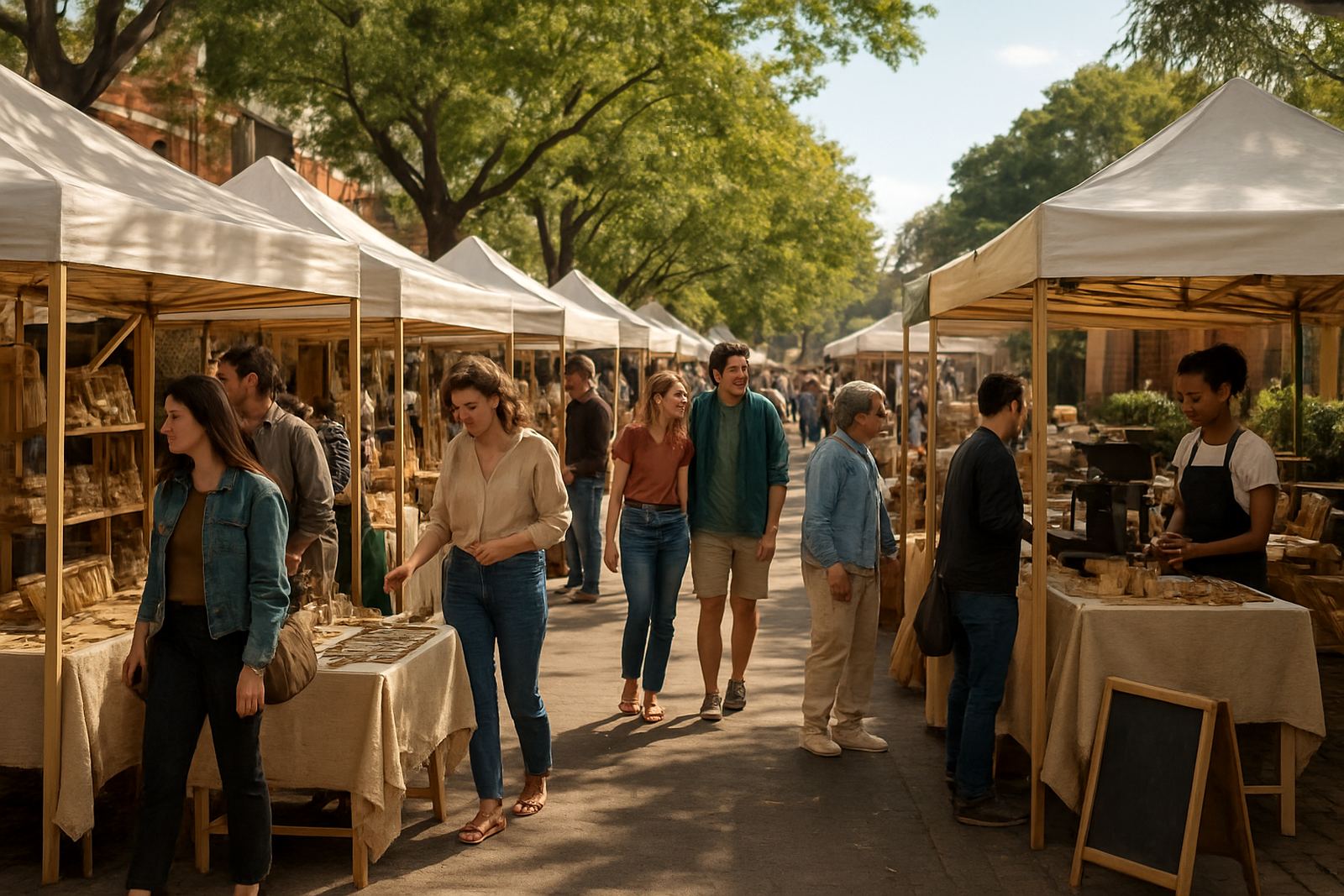
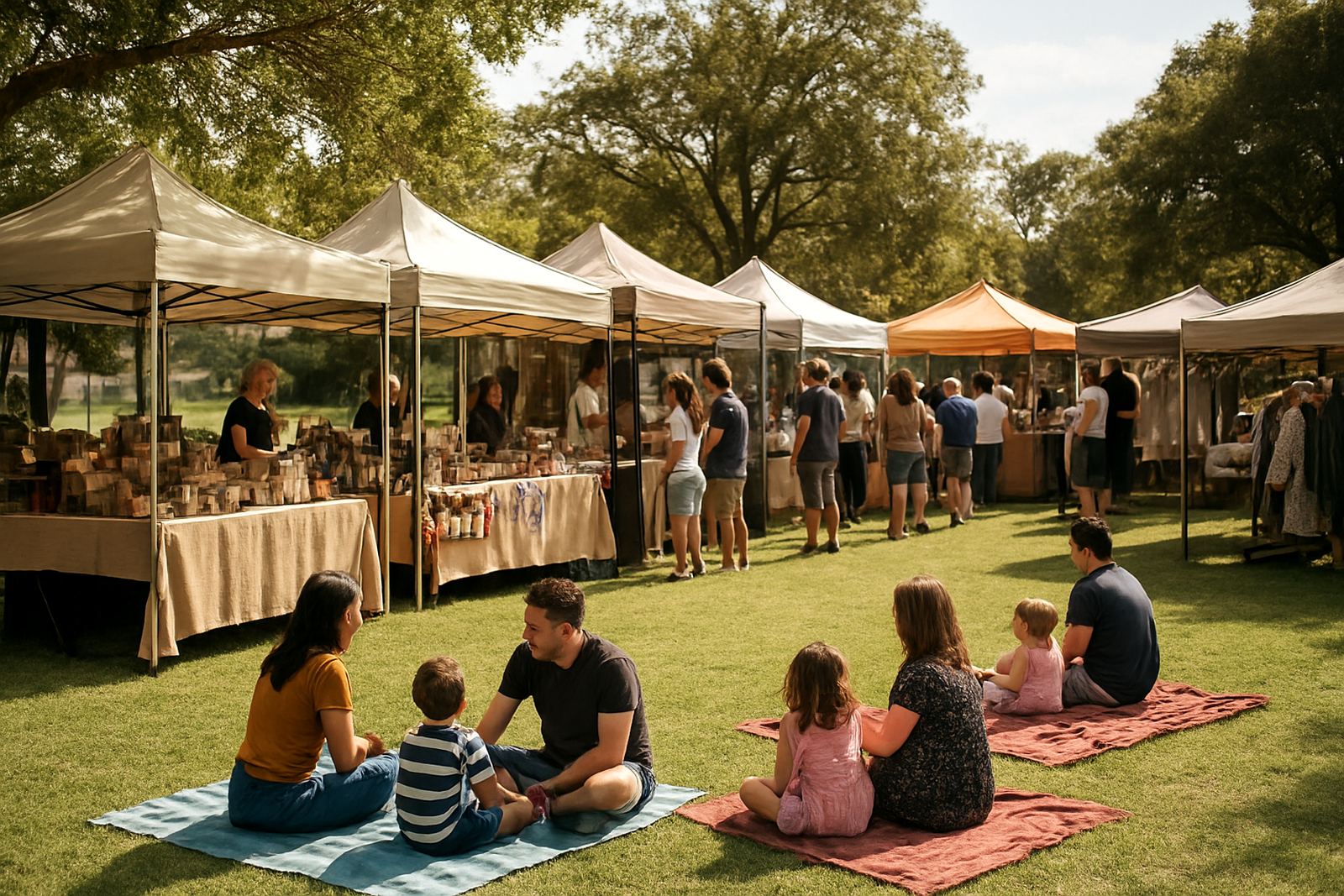
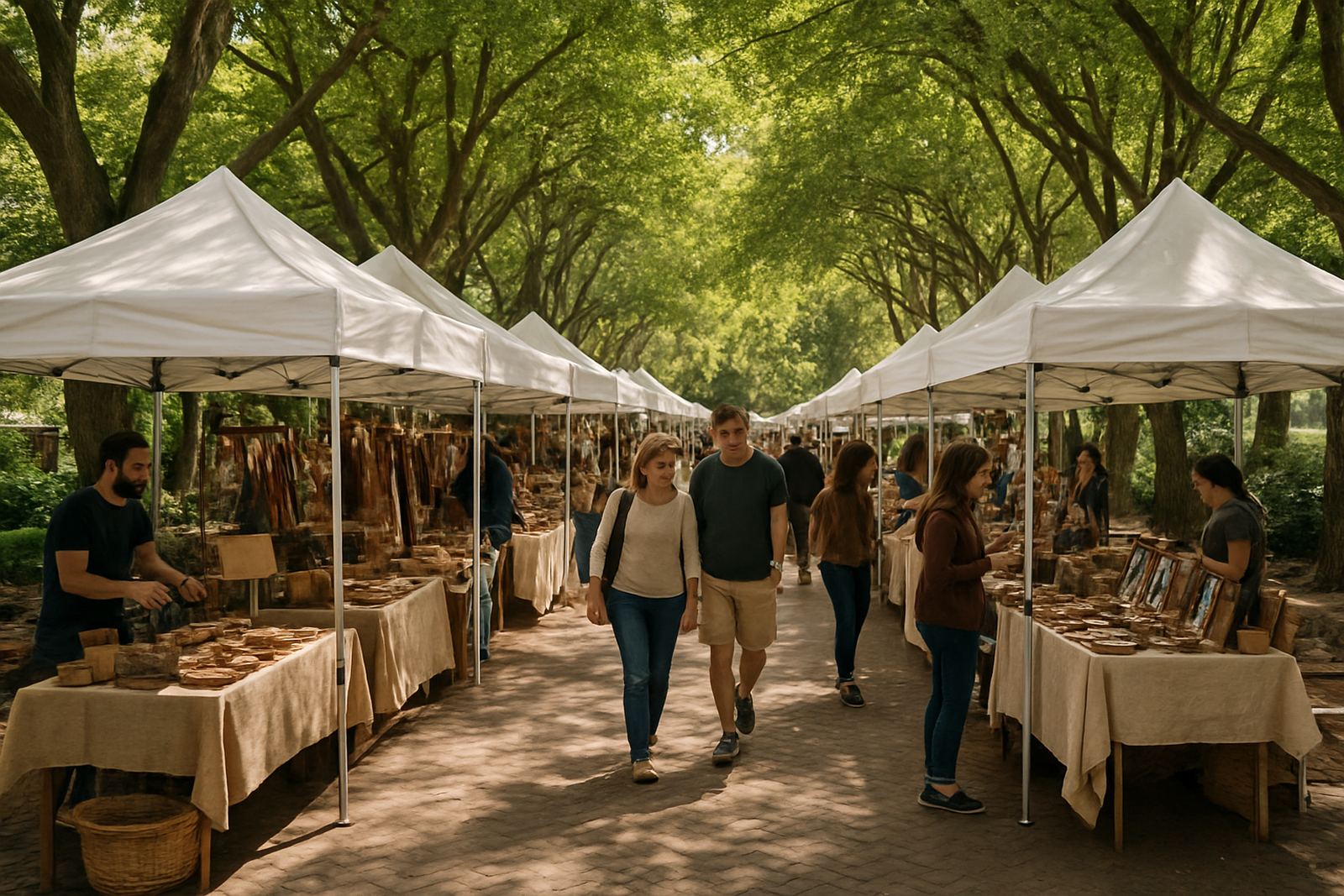
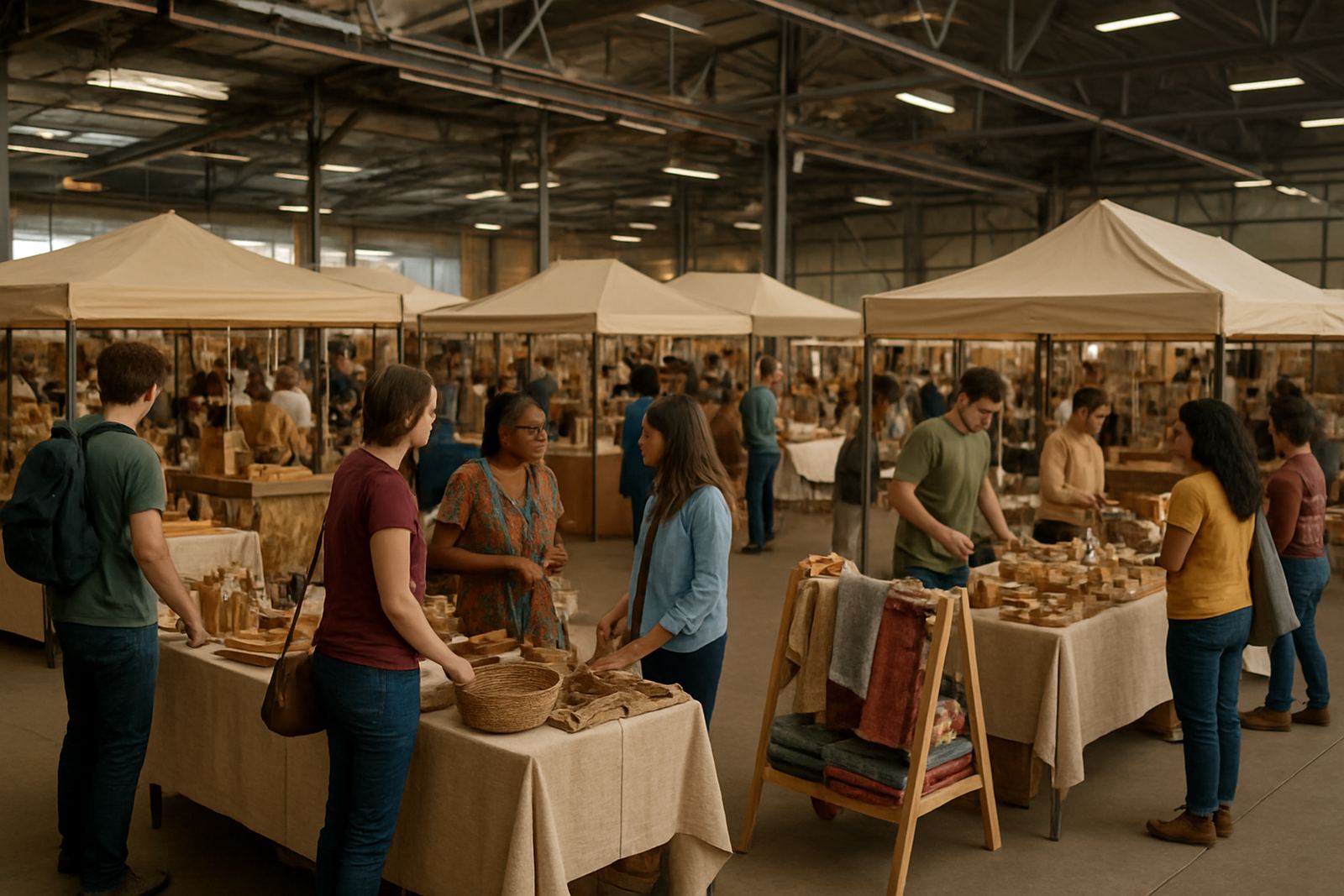
Nationwide Pop-Ups are built for places where a full weekend market is not practical but there is still strong demand for local goods, food and a hands-on event. We set up in shopping nodes, community halls, school grounds, office parks and mixed-use venues where people already move through on foot and by car. The format works well for one-day activations, evening maker nights and short weekend runs.
In practice, that means we can take a curated market feel to more South African cities without asking traders to commit to long travel every week. It suits areas with busy family traffic, good parking and a clear catchment of buyers who want handmade products, gifts, baked goods and small-batch items. Our team works to a tight turnaround so the event can be packed in, tested and handed over on time, even when access windows are limited.
- One-off pop-up markets for local districts and catchment areas
- Maker nights for evening trade, tastings and product launches
- Short-run events for seasonal trading, school holidays and pay-weekend traffic
- Curated trader mix for crafts, home goods, pantry items and prepared food
Where pop-ups work best and who trades there
We usually place nationwide pop-ups in locations where there is steady passing trade, easy entry for stallholders and enough space for a clean layout. That includes inland centres, university towns, coastal metros and smaller commercial nodes that draw families on weekends. Pretoria traders often use these events to test a product in another city, while makers from outlying areas use them to reach buyers they would not normally meet at a local market.
The traders who do best are usually small businesses that can pack stock neatly, set up fast and sell directly to the public. That includes makers of home decor, ceramics, clothing, skincare, leather goods, kids products, condiments, bakes, deli lines and coffee or snack stalls. We also see good results for workshops and live demonstrations where customers want to see how a product is made before they buy.
- Handmade goods that travel well and need simple display tables or racks
- Food stalls with clear prep rules, sealing and holding requirements
- Small-batch makers who need a short sales window and strong foot traffic
- Traders testing a new region before committing to repeat dates
Travel planning, turnaround and on-site support
Because these events move between cities, the planning has to be practical. We look at driving distance, set-up time, unloading access, security, power points and how quickly stock can be packed down after trading. If an event is in a place with early closure or tight access control, we build the timetable around that so traders are not left waiting around with perishable stock or fragile products.
For longer routes, we advise on turnaround so that traders know whether they can travel out on the same day or need an overnight plan. We also factor in winter visibility, summer rain, coastal humidity and wind exposure. In some towns, generators or battery backup are worth arranging because a market can’t stop if the lights go off just as customers arrive after work.
- Set-up and pack-down windows matched to venue access times
- Power planning for points of sale, lights and food-safe equipment
- Weather protection for tents, weighted bases and product coverings
- Advice on stock levels so traders do not carry too much for a short run
Local conditions across South Africa matter
Different regions need different event choices. Inland venues can be hot and dry, which affects chocolate, baked goods and skincare. Coastal areas bring humidity and sea air, so packaging and display materials need to hold up properly. In high-traffic city spots, shade, queue flow and parking control matter more than a pretty layout because people will only stop if the market is easy to enter and leave.
We also keep municipal and venue rules in mind. That includes trading hours, noise limits, waste removal, health requirements for food sellers and any restrictions on open flames or gas use. In some areas, power availability influences the whole event, so we plan backup lighting and simple cash or card processes that keep trading going without fuss.
Our approach is to keep the market feeling local in each city, rather than copying one setup everywhere. A good pop-up in Hatfield will not be run the same way as one near a coastal promenade or a university precinct, and that local fit is what keeps the day busy.
What we stock and cover at pop-up events
Nationwide Pop-Ups are supported by the same practical market systems used at our Pretoria base, with a focus on trading flow, maker presentation and customer handling. We help with event layout, stall guidance, trader communication, photography for event promotion and simple content that shows buyers what to expect before they arrive. For newer traders, we can also point them towards the right workshop support so they arrive ready to sell.
The service mix depends on the event, but the following is typical:
- Stall styling support so tables, rails and signage look tidy and easy to shop
- Pricing guidance for handmade products, food items and small-batch goods
- Packaging for sales so products leave the market clean and protected
- Customer conversation support for direct selling and repeat enquiries
- Food stall basics for traders handling prep, display and service safely
- First market preparation for makers who are still learning the pace of trading
Working with makers who want broader reach
These pop-ups suit makers who are ready to move beyond a single home market but do not want the cost or commitment of a permanent retail footprint. They also suit communities that want an event with local flavour, not a generic craft fair. Our team helps keep the mix balanced so visitors find handmade products, food and useful workshops in one place.
If you are a maker in Gauteng, KwaZulu-Natal, the Western Cape, the Eastern Cape or further inland, the best starting point is a quick send us a message with your product range, city and available dates. From there we can see which pop-up events fit your stock, how much space you need and what support makes sense for the run. The goal is simple: a market that trades well, packs down cleanly and leaves both makers and buyers wanting the next date.
For event enquiries, send a message through our contact form.