How bookings work for makers and food traders
Most stall spaces are allocated before the event, so it is best to book early and confirm your product type, stall size and power needs. If you sell food, please tell us exactly what you plan to cook, chill or serve so we can place you correctly and check any site rules that may apply.
For weekend markets in Hatfield, Brooklyn, Lynnwood, Menlyn and Centurion, bookings are handled ahead of time and space is limited. A quick message through our contact form with your name, town, products and preferred event date usually gets the process moving. If you are joining a maker night or pop-up in another province, the same process applies, but setup details can vary by venue.
What time do markets open and when must I arrive
Trading times differ by event, but most weekend markets run through the morning and into the afternoon, with set-up starting earlier. Makers are usually asked to arrive well before gates open so there is time for off-loading, table placement and final checks. If you arrive late it can slow down the whole line-up, especially at busy suburban venues.
As a guide, please keep enough time for traffic, parking and unpacking. Pretoria routes can get busy around Hatfield and Menlyn, while Centurion and Brooklyn can be slower on Saturday mornings. For evening maker nights, arrival windows are tighter so that sound, lighting and stall positions can be sorted before guests come in.
What to bring so your stall is ready to trade
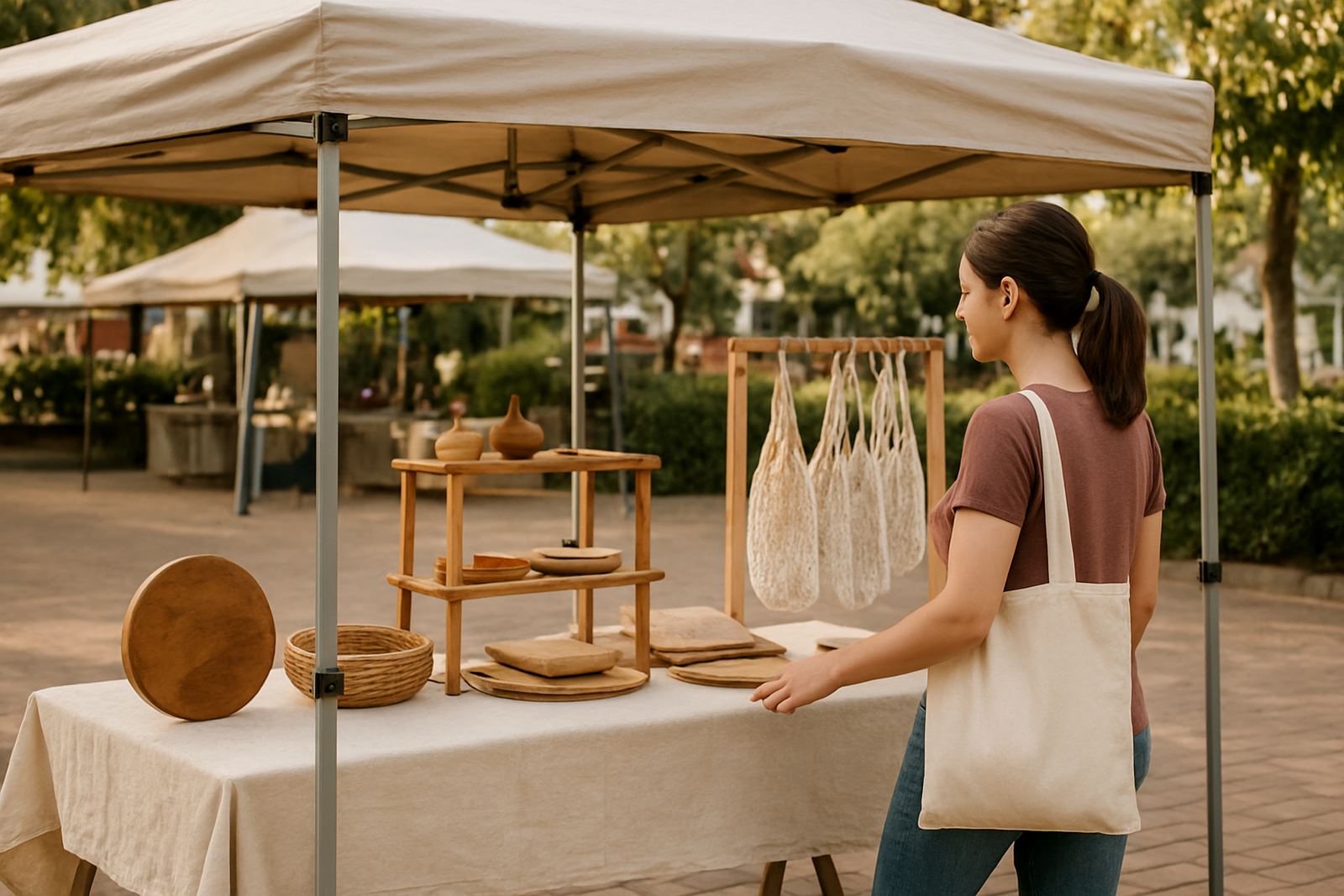
A good stall is practical first. Bring your stock, table covering, price labels, float, bags and any display stands you need. In summer, a light canopy or shade helps with heat and glare. In winter, a blanket or side cover can make a stand look neater and keep products clean. Coastal humidity can affect paper goods and packaging, so keep items sealed where possible.
Do not rely only on mains power. If your stall needs lighting, battery backup, charged power banks or low-draw equipment are worth considering. Also bring cloths, hand sanitiser, refuse bags and a small toolkit. A neat stall helps customers browse faster and makes payment easier.
- Table cloth or runner that covers the full table
- Price tags with clear Rand amounts
- Cash float and card payment options if you use them
- Extension lead only if it was approved in advance
- Packaging, tape, scissors and a pen
Food stalls, sampling and municipal rules
Food traders must follow basic hygiene and site rules, especially where public tasting or hot equipment is involved. Depending on the venue, you may be asked about gas, refrigeration, handwashing and waste handling. For some events, only pre-packed foods are allowed, while others can handle hot dishes or small-batch baking. If your product needs temperature control, say so early.
Sampling is usually welcome when it is managed neatly and does not create waste or crowding. Keep tasting portions small and safe, and make sure napkins, tongs or gloves are used where needed. If a venue has municipal or fire requirements, these will be shared before the event. Please keep your stall tidy through the day, as inspections can happen at busy markets.
If you are new to food trading, our Food Stall Basics and First Market Prep sessions help you work through the practical side before your first booking.
What visitors should expect on market day
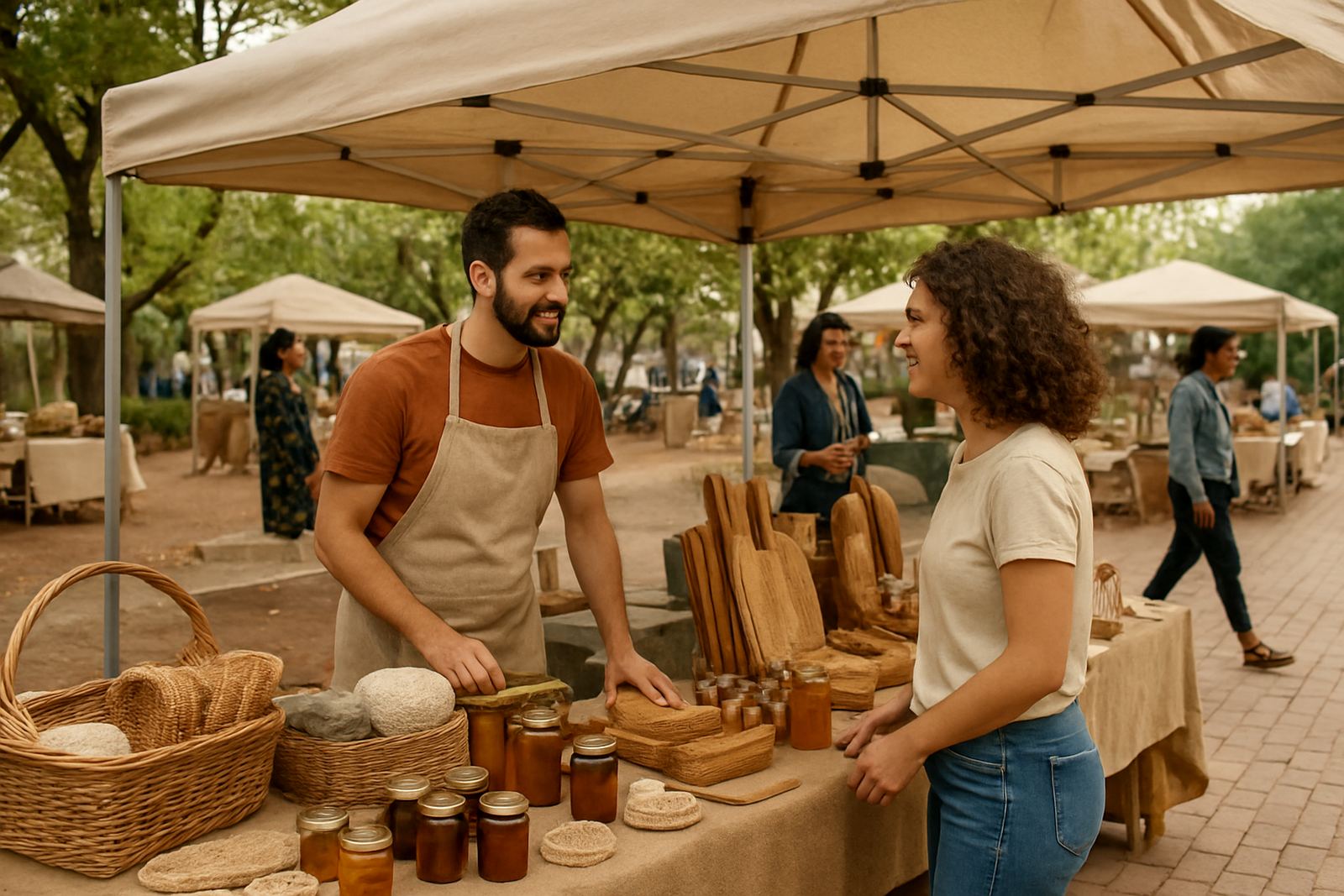
Visitors can expect a friendly, busy market with a mix of handmade goods, local food and small-batch products. Some stalls are cash friendly, others prefer card or instant transfer, so it helps to bring a few payment options. Families are welcome, and many events are set up for an easy walk-through with space for prams and friends to browse together.
Parking and entry details depend on the venue, so check the event notice before you leave home. In Pretoria and nearby areas, weather can change quickly, so bring a hat in summer or a light jacket in the cooler months. If an event is outdoors, trading may continue in light rain but this is always subject to site conditions. Please respect maker spaces, avoid touching stock without asking, and allow traders room to serve other customers.
How maker nights and workshops help you prepare
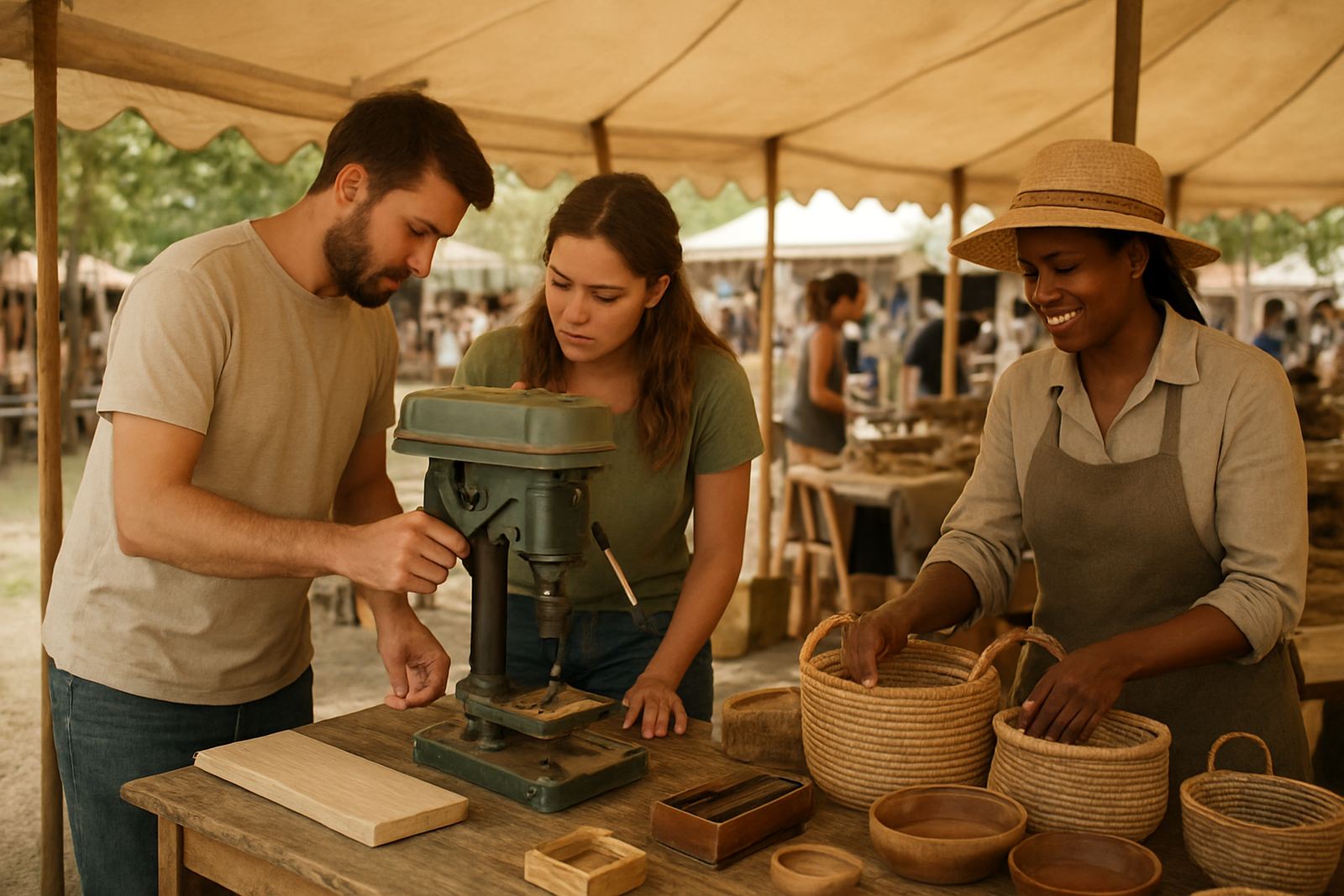
Maker nights are useful when you want practical guidance and a chance to meet other traders before your first market. They are also helpful if you want to improve your stall layout, product pricing or packaging before peak season. A short workshop can save time on the day, especially if you are still working out what sells best or how to display smaller items.
Our workshops cover Stall Styling, Pricing Products, Packaging For Sales, Market Photography, Customer Conversation, Seasonal Selling and Small Batch Branding. These are built for real trading conditions, not just theory, so you can use the advice at the next event. If you are preparing for a first market or planning a regular slot, these sessions help you avoid common mistakes and trade with more confidence.