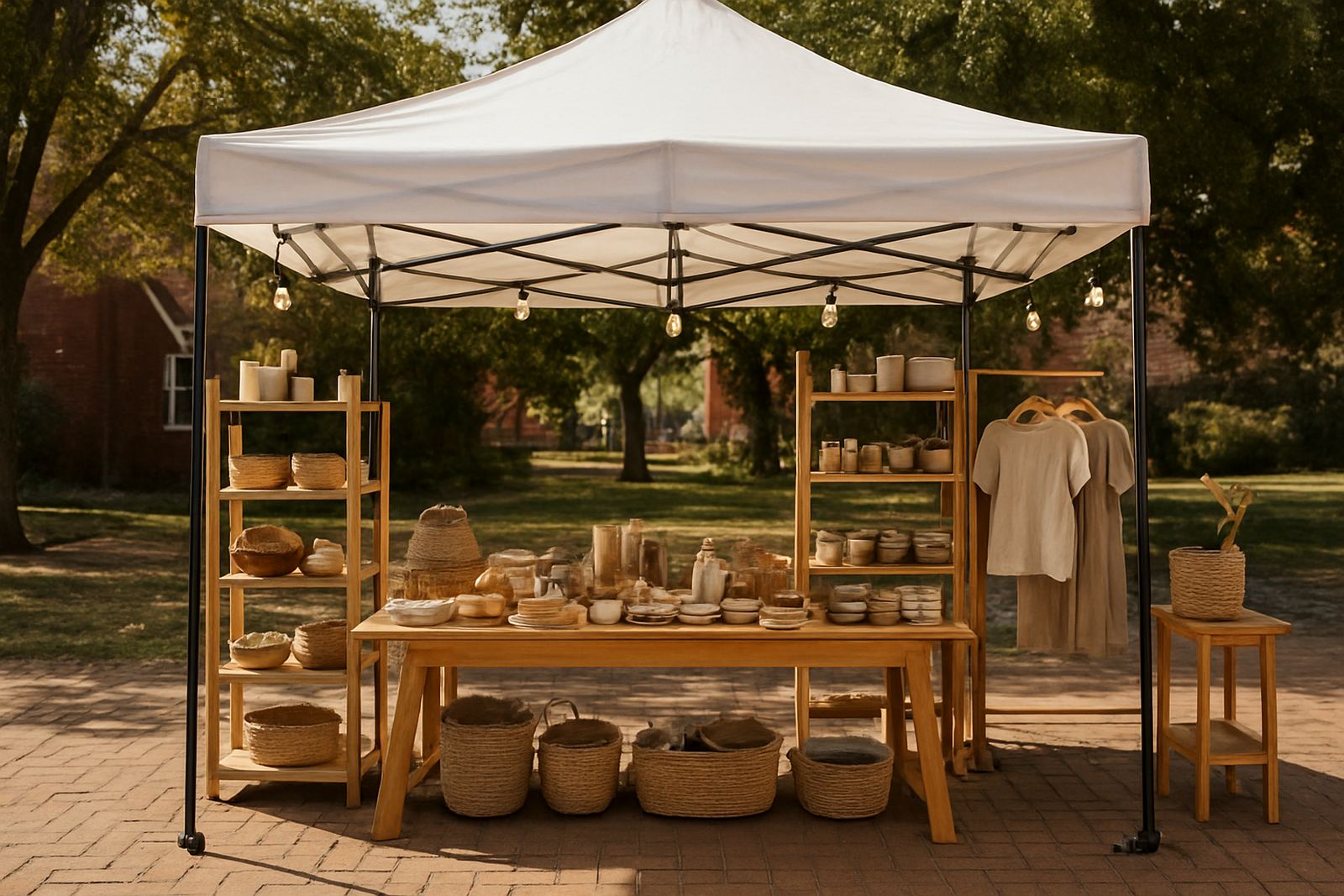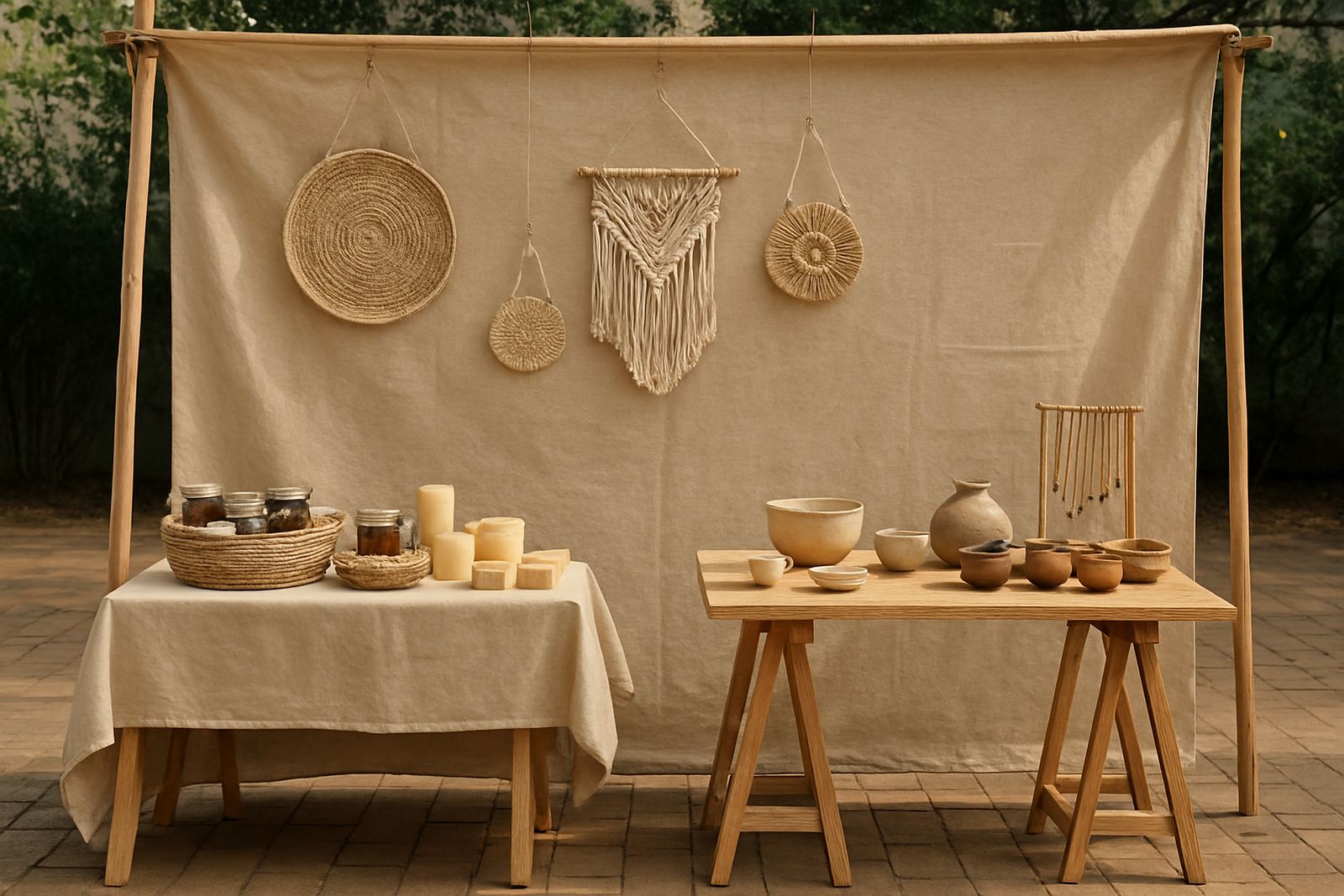
What the branded backdrop kit is for
The branded backdrop kit is a set of simple display pieces used to create a defined stall area behind your table or counter. It gives your setup a more polished look and helps customers spot your stand from a distance, especially in crowded venues like Hatfield markets, church halls, school grounds and pop-up spaces in shopping centre courtyards.
It is not a heavy stage structure or a fixed wall. It is meant for makers who need a clean visual frame for products, price boards, signage and lighting. That makes it useful for craft stalls, packaged food sellers, small batch makers and workshop tables where you want the stall to feel organised without taking up too much floor space.
The kit works well for traders who set up and pack down often. If you move between Pretoria, Centurion, Menlyn, Brooklyn or weekend events in other provinces, a backdrop helps keep the look consistent from one market to the next. It also gives you a good spot for market photos and social media content after trading hours.
Sizes and layout options that suit real stalls
Most stall holders choose a backdrop width that matches a 2 m table or a 3 m trading bay. Common setups include a 1.8 m wide panel for compact spaces, a 2.4 m wide kit for standard market stalls, and a 3 m wide arrangement for corner spots or food traders needing a stronger visual block. Heights usually sit between 1.8 m and 2.1 m, depending on venue rules and ceiling limits.
The kit can be used as one central panel or split into sections, which helps when you trade in smaller venues with narrow aisles. Some makers prefer a plain fabric or board finish, while others use printed logos, menu headers or product category labels. If you run seasonal ranges, you may want one set for festive markets and another for regular weekends.
- Compact stall: 1.8 m wide x 1.8 m high
- Standard market stall: 2.4 m wide x 2.1 m high
- Larger pop-up bay: 3 m wide x 2.1 m high
- Panel depth or base footprint: allow 300 mm to 600 mm depending on support style
Always check your market’s table size, tent footprint and pass-through width before ordering. In some venues, especially older halls and municipal spaces, the organiser may limit hanging items or require clear walkways for safety and fire access.
Where this kit suits best
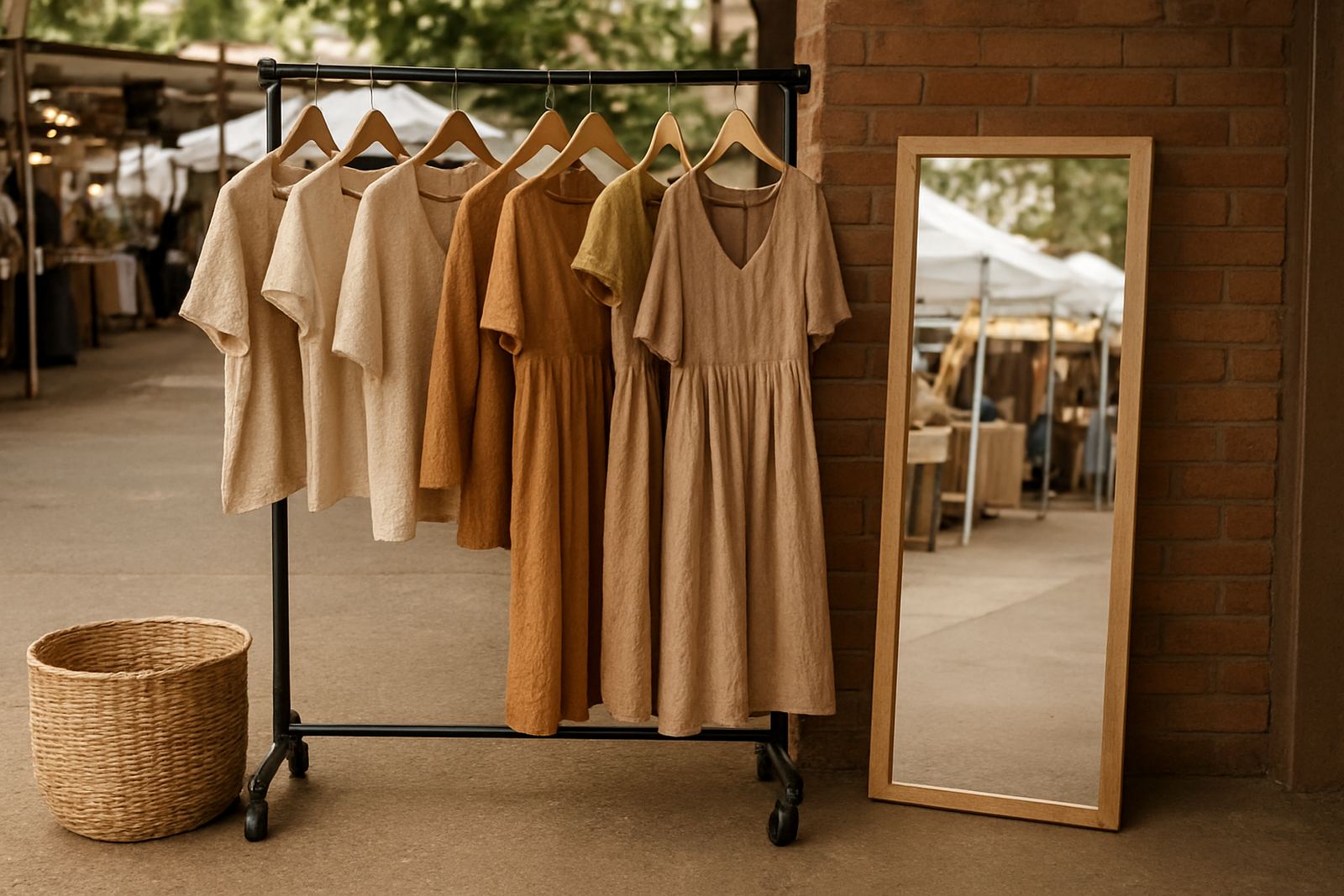
This product suits makers who sell visual goods and need a neat background behind stock. It is a good match for jewellery, ceramics, candles, clothing, homeware, cards, flowers and packaged gourmet items. It also helps food traders who want a tidy place for menu boards, serving trays and service items, though it should never block hand wash points or customer access.
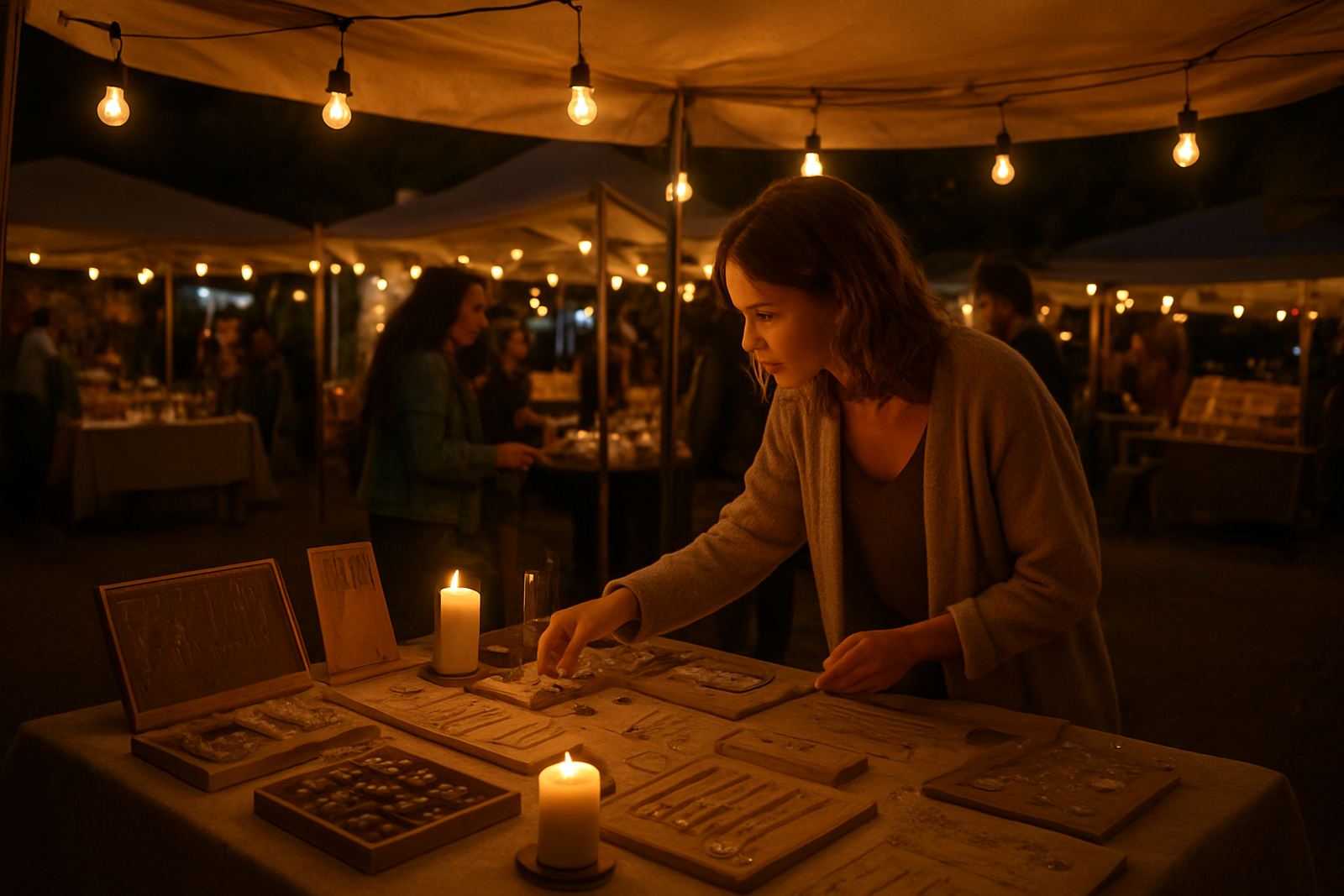
For outdoor Pretoria markets, the backdrop gives your stall a cleaner line in open spaces where wind, dust and bright sun can make displays look untidy. In coastal towns, choose materials that cope better with humidity and salt air, because light metal parts and untreated timber can warp or rust over time. For evening maker nights, the backdrop gives you a darker surface for lighting and a better photo finish.
- Weekend maker markets in Hatfield, Brooklyn, Lynnwood, Menlyn and Centurion
- Nationwide pop-ups at schools, offices, churches and community halls
- Maker nights with dimmed lighting or shared event spaces
- Workshop tables where you need a neat teaching background
If your business sells at more than one event type, a simple backdrop is easier to adapt than a full fitted display. You can use clips, shelves, hooks or hanging rails depending on what you sell and how often you change stock.
Installation, power and gas requirements
Most branded backdrop kits are made for quick setup by two people. A simple frame can be assembled in 10 to 20 minutes, depending on size, and then dressed with panels, fabric or signage. If your kit includes lights, make sure the venue has enough plug points and that you bring an extension lead rated for the load you need. A battery light or small power pack can help keep the display visible.
Backdrops for general retail use normally need no gas. If the stall includes a cooking or heating point nearby, keep that equipment separate and follow the venue’s fire rules and municipal by-laws. Do not place soft backdrop fabric too close to open flame, hot plates or frying equipment. At indoor markets, organisers may ask for cable covers or taped-down leads so customers do not trip.
For outdoor use, a stable base matters more than looks alone. Ask what anchoring system is used for the wind, whether the kit is weighted, pegged or secured to a table frame. If the market is in a windy area or on uneven paving, that detail is worth checking before the first trade day.
Care, cleaning and regular servicing
Keep the backdrop kit clean and dry after each market. Wipe down powder-coated metal, painted boards or plastic surfaces with a soft cloth and mild cleaner. Fabric pieces should be spot-cleaned and dried fully before storage so they do not hold moisture, especially in humid areas. If you pack wet items away, mould and smell can build up quickly.
Check bolts, clips, hooks and connectors every few uses. Loose fittings can cause wobble or uneven panels. If the kit has printed sections, avoid harsh scrubbing because it can fade the finish. Store pieces flat or in labelled bags so they are easy to find on a Friday afternoon when you are packing for a weekend market and time is short.
- Clean after each use, not once a season
- Keep away from rainwater and direct damp floors
- Check fasteners, joins and feet before each event
- Store with labels so setup is quicker next time
If a section bends, tears or loosens, repair it before your next trading day. A small fault can become a bigger one once the kit is moved in and out of vehicles, especially if it shares space with crates, tables and stock boxes.
What to confirm before you order
Before placing an order, confirm the stall size, ceiling height and venue rules. Ask whether the market allows freestanding panels, wall-mounted items or taped branding. If the event is outdoors, check whether the ground is grass, paving or gravel, since this affects the base style. You should also confirm how much vehicle space you have, because some kits break down into shorter sections that are easier to transport in a hatchback or bakkie.
It also helps to decide what the backdrop must do. Is it just for visual framing, or will it carry lighting, hanging products or shelving? Tell the supplier how often you trade, whether the kit needs to be light for one-person setup, and whether it will be used in Pretoria heat, coastal humidity or cooler inland venues. Small details like this can change the materials chosen.
- Stall width and height at each venue
- Indoor or outdoor use
- Need for lights, shelves or hanging points
- Transport size and vehicle access
- Whether the finish should be plain, printed or seasonal
If you are planning regular trading, order the backdrop with your busiest market layout in mind. It is better to have a kit that fits comfortably than one that looks too tight on the day. A well-sized backdrop keeps the stall neat and makes your products easier to sell, simple as that.
Key facts
| Product type | Freestanding branded backdrop kit for market stalls and pop-ups |
|---|---|
| Typical widths | 1.8 m, 2.4 m, 3 m |
| Typical height | 1.8 m to 2.1 m |
| Setup time | About 10 to 20 minutes with two people |
| Power requirement | Optional, depending on lighting used |
| Recommended use | Weekend markets, maker nights, pop-ups and workshop stalls |